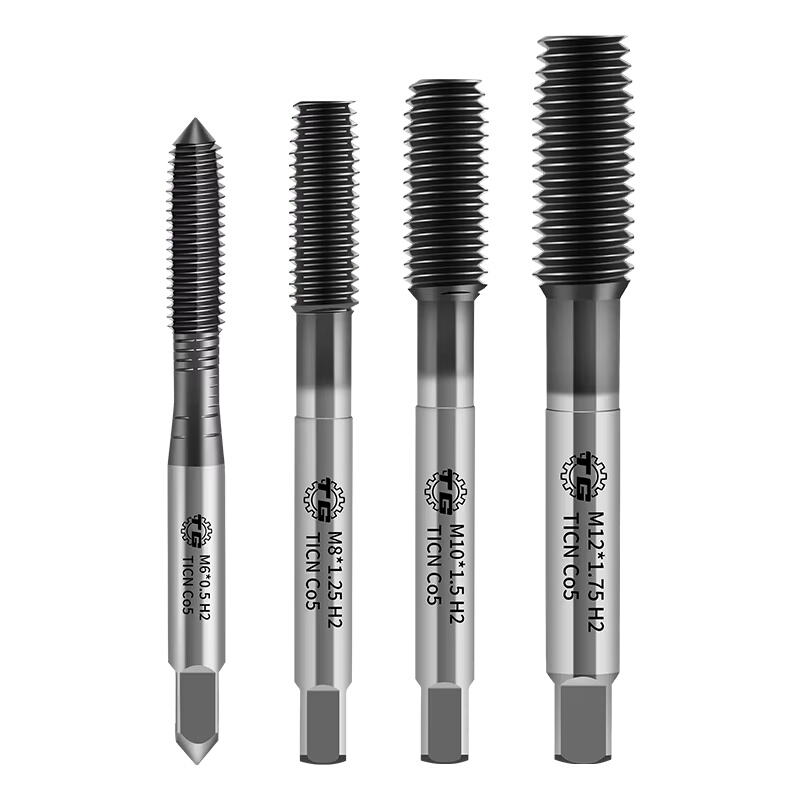
solid carbide drill
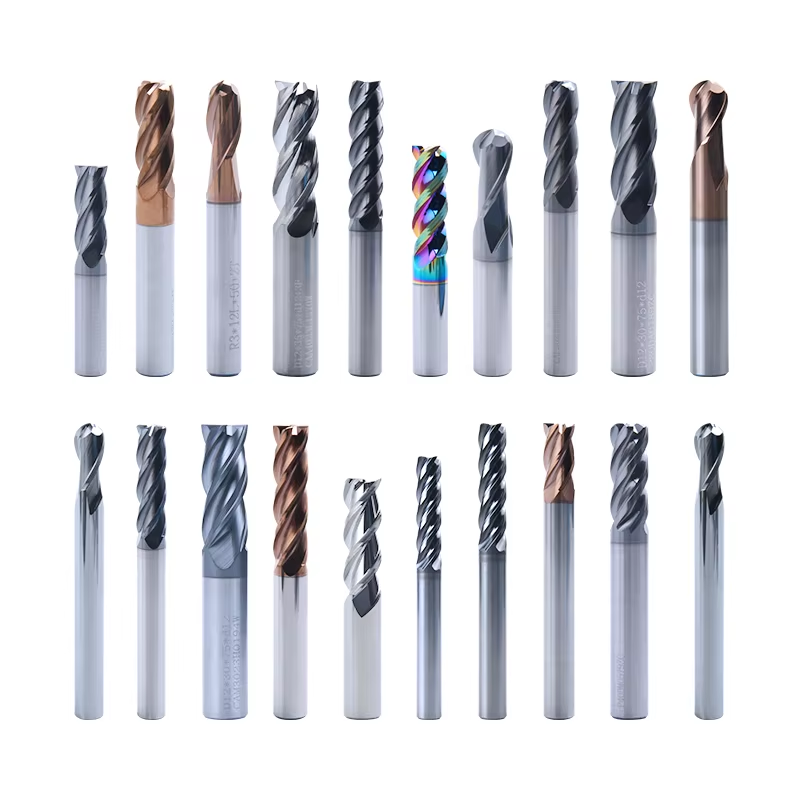
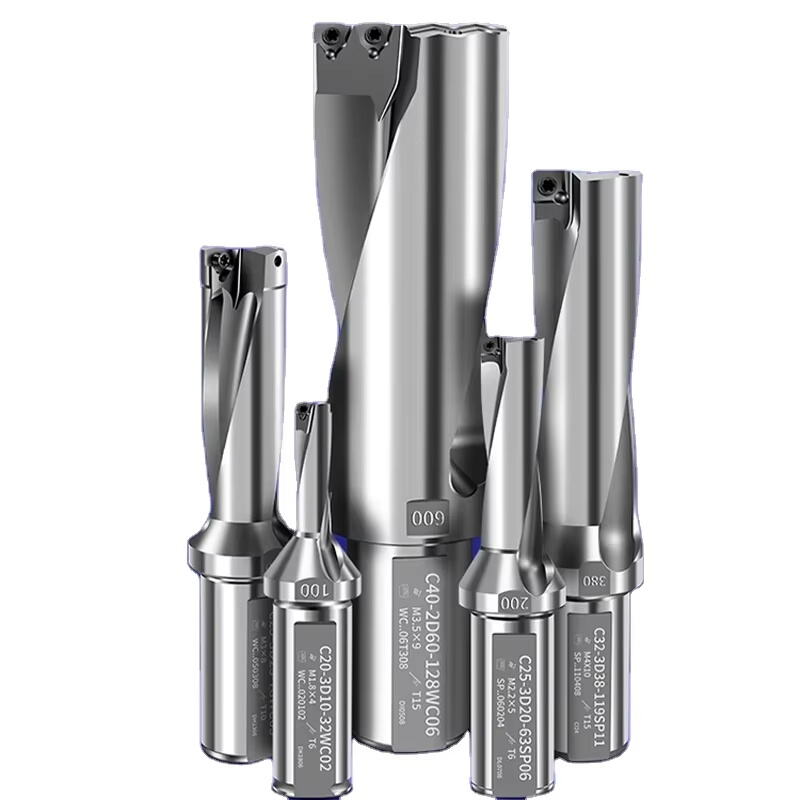
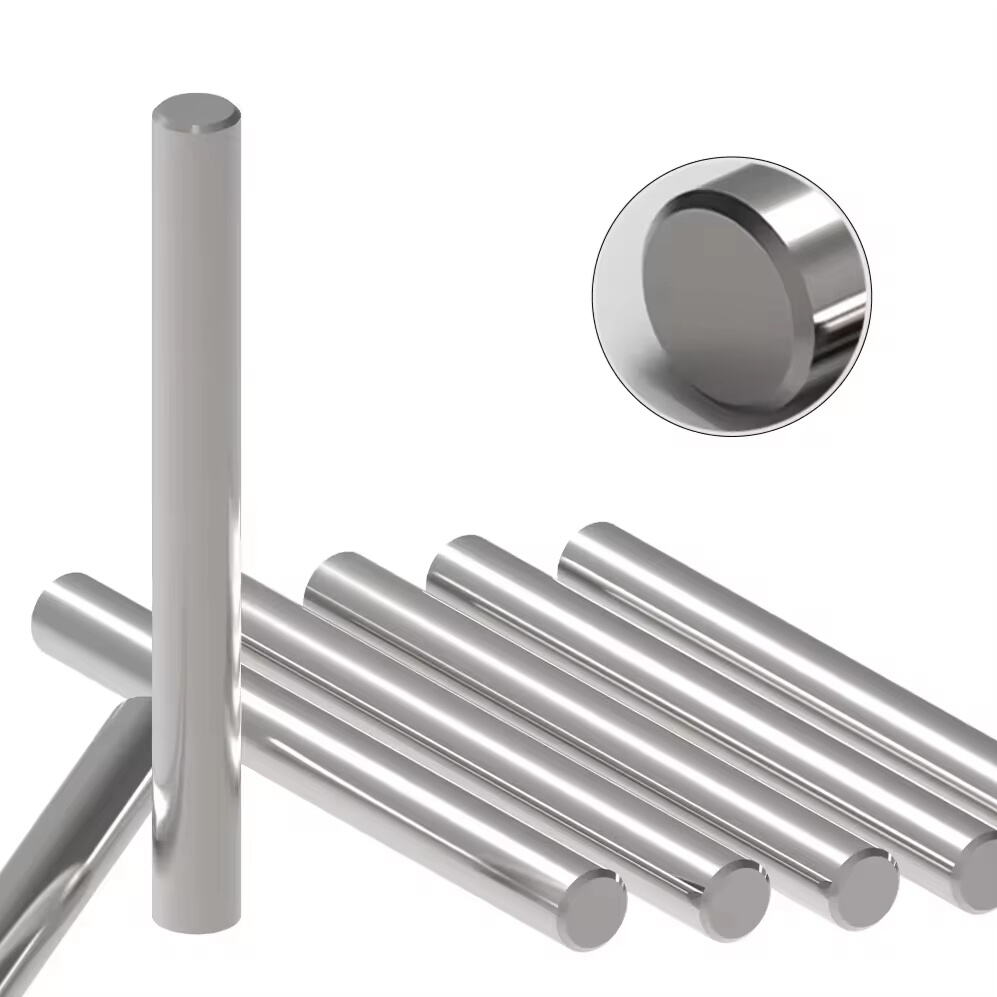
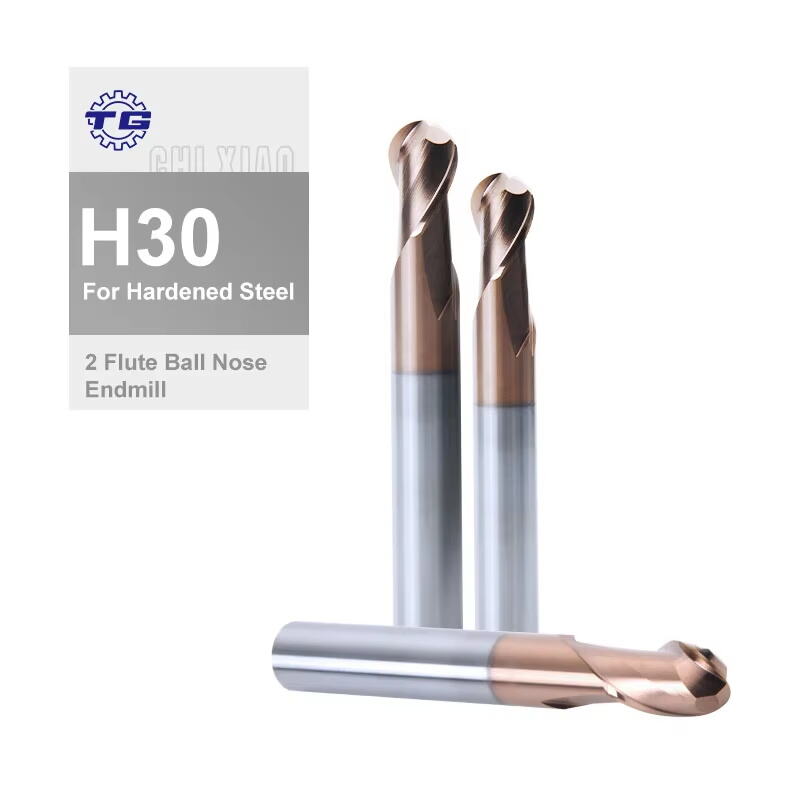
A solid carbide drill represents a cutting-edge precision drilling tool manufactured entirely from carbide material, offering exceptional performance in modern machining operations. Unlike traditional twist drills made from high-speed steel, the solid carbide drill is constructed from a homogeneous carbide composition throughout its entire structure, providing superior hardness, wear resistance, and thermal stability. This advanced drilling solution has become indispensable in manufacturing environments where precision, productivity, and consistency are paramount. The solid carbide drill excels in creating accurate holes across various materials, including hardened steels, stainless alloys, cast iron, non-ferrous metals, and composite materials. Its technological design incorporates specialized geometry features such as optimized point angles, precise flute configurations, and advanced coating technologies that enhance cutting performance. The manufacturing process involves powder metallurgy techniques where tungsten carbide particles are bonded with cobalt to create an extremely dense and durable material structure. Modern solid carbide drill variants feature sophisticated designs including coolant-through capabilities, variable helix angles, and polished flute surfaces that facilitate efficient chip evacuation. These drills maintain their cutting edge integrity even under demanding conditions involving high speeds and elevated temperatures. The solid carbide drill delivers consistent hole quality with minimal deviation, ensuring tight tolerances that meet stringent engineering specifications. Applications span across aerospace components, automotive parts manufacturing, medical device production, die and mold making, and general precision engineering. The solid carbide drill's ability to maintain dimensional accuracy over extended production runs makes it economically advantageous despite higher initial investment compared to conventional drilling tools. Its rigid construction minimizes deflection during operation, enabling deeper hole drilling with maintained concentricity and surface finish quality.

 EN
EN