carbide drill bits for metal
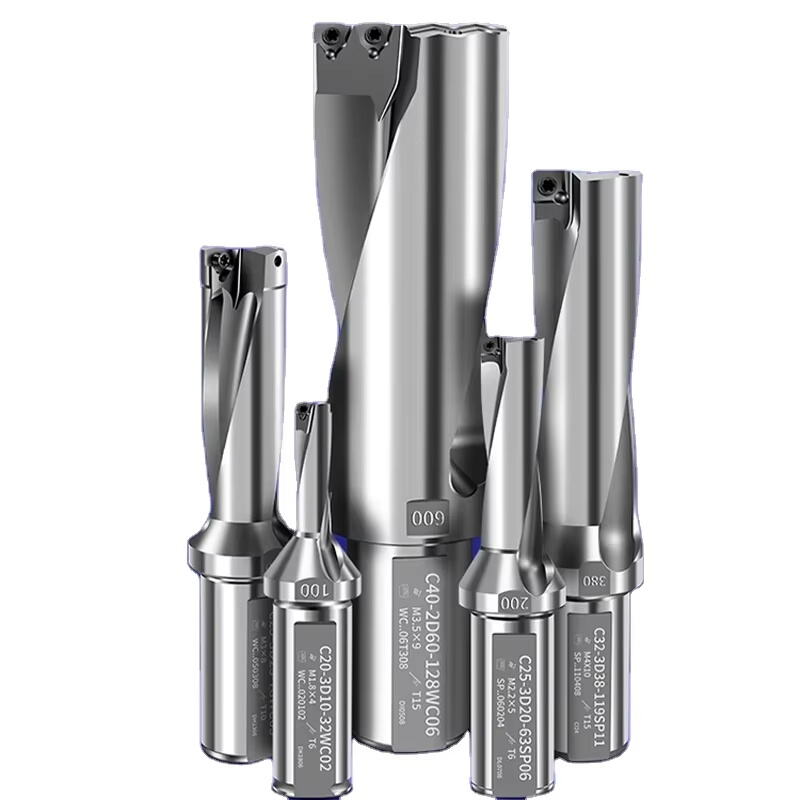
Carbide drill bits for metal represent a significant advancement in drilling technology, offering professionals and DIY enthusiasts superior performance when working with various metal materials. These specialized cutting tools feature tungsten carbide tips or solid carbide construction, providing exceptional hardness and heat resistance that far exceeds traditional high-speed steel alternatives. The main function of carbide drill bits for metal involves creating precise holes in steel, stainless steel, aluminum, cast iron, and other metallic substrates with remarkable efficiency and accuracy. The technological features of these drill bits include specially engineered flute designs that facilitate effective chip evacuation, preventing material buildup and maintaining optimal cutting temperatures during operation. Advanced coating technologies such as titanium nitride or diamond-like carbon further enhance the performance characteristics, reducing friction and extending tool life significantly. The geometry of carbide drill bits for metal incorporates precise point angles, typically ranging from 118 to 135 degrees, optimized for different metal hardness levels and drilling applications. Applications for these high-performance tools span numerous industries including manufacturing, construction, automotive repair, aerospace fabrication, and general metalworking shops. Professional machinists rely on carbide drill bits for metal when producing components requiring tight tolerances and clean hole finishes. The split-point design commonly found in quality carbide drill bits for metal eliminates the need for center punching, enabling immediate penetration and reducing walking or wandering during initial contact. These bits excel in both handheld drilling operations and machine-mounted applications such as drill presses, milling machines, and CNC equipment. The superior wear resistance of carbide material ensures consistent hole dimensions throughout extended production runs, making them ideal for high-volume manufacturing environments where tool changes would otherwise interrupt workflow and reduce productivity.

 EN
EN