Contact me immediately if you encounter problems!

All Categories

metal carbide bit

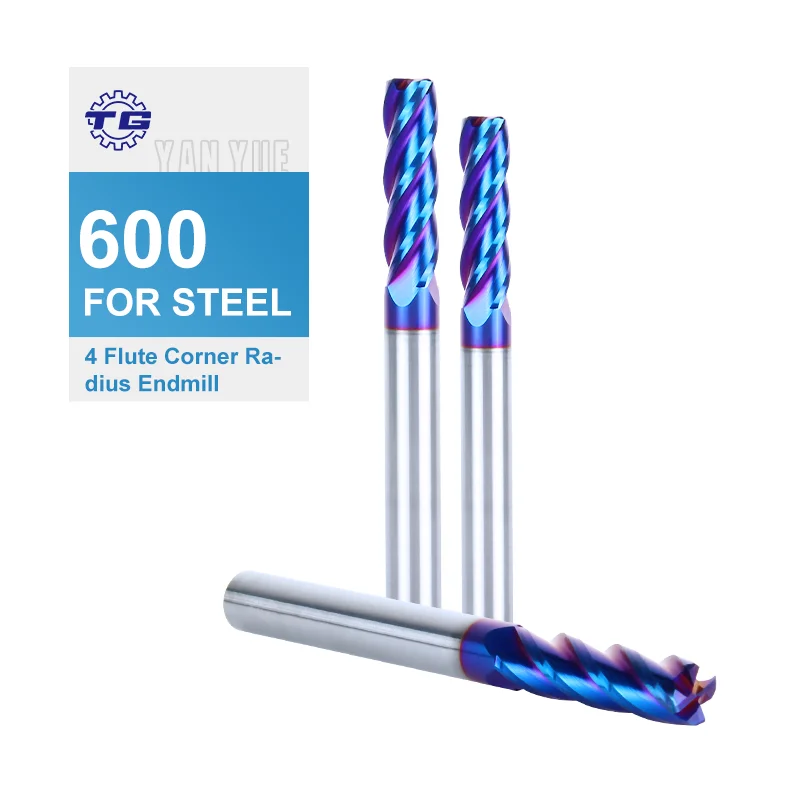
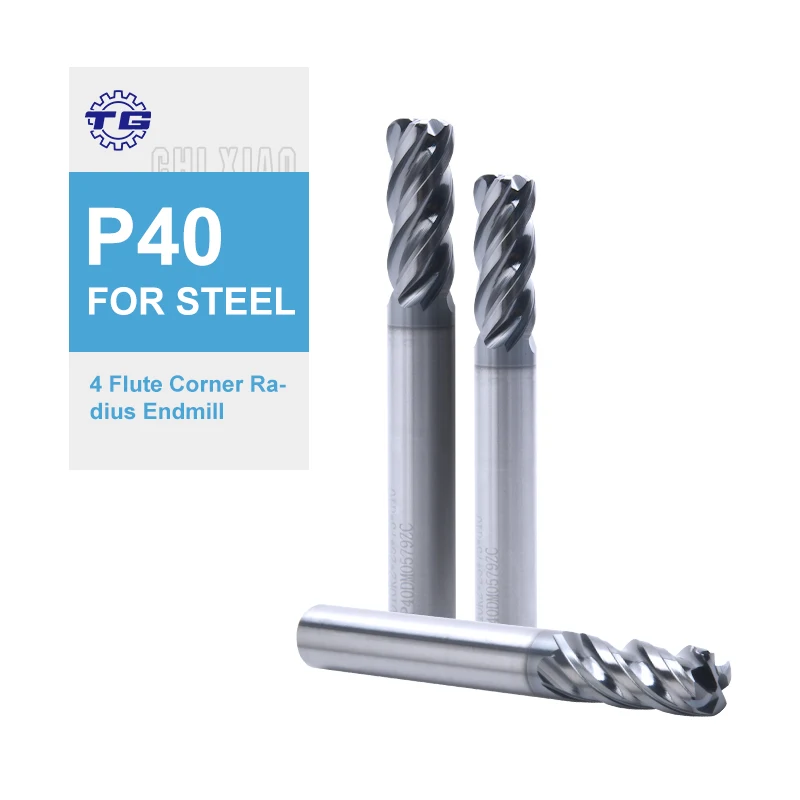
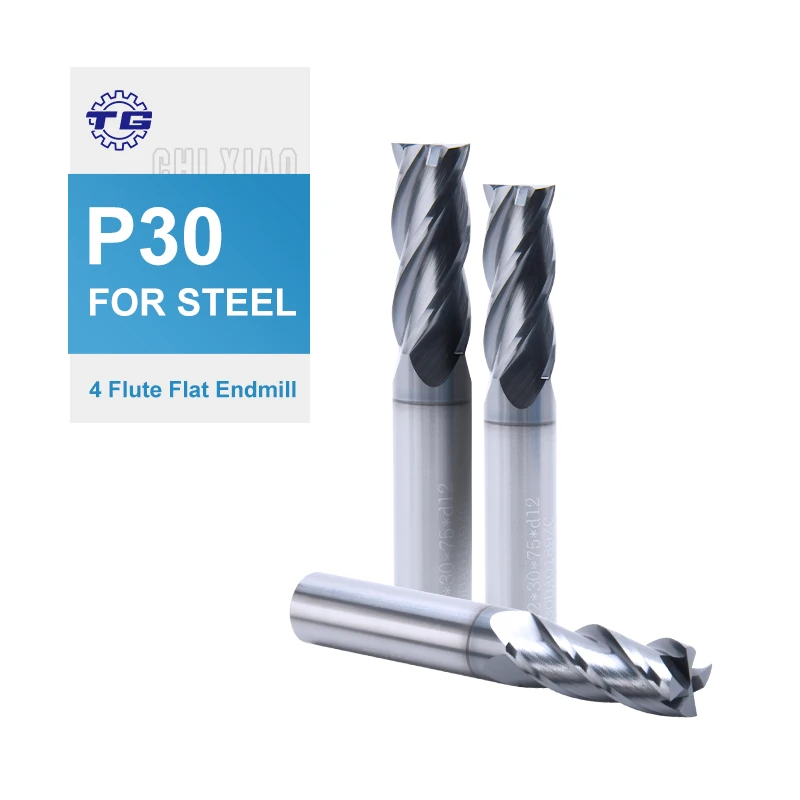
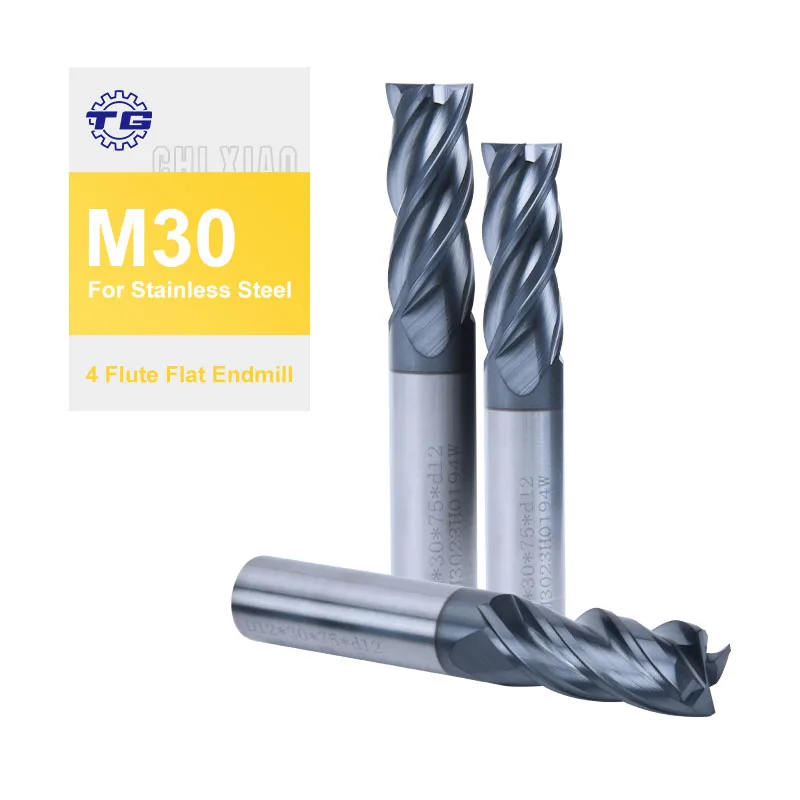
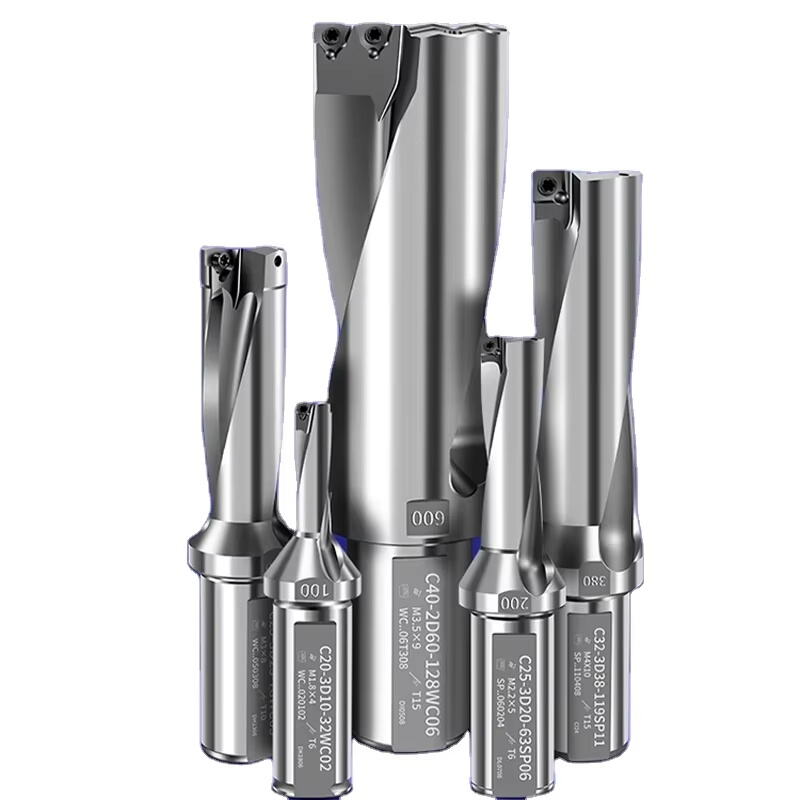
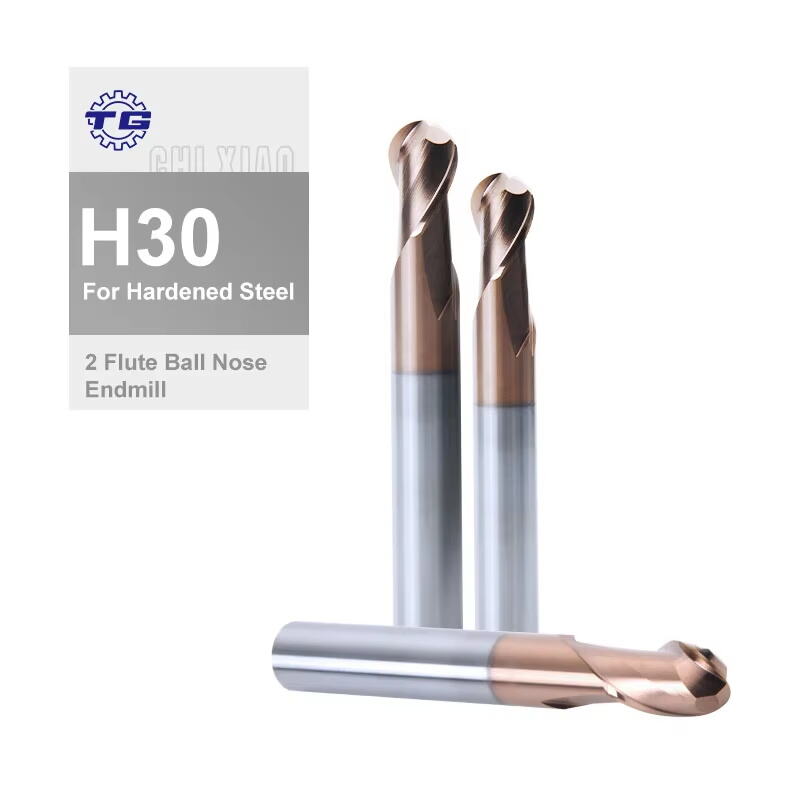
The metal carbide bit represents a revolutionary advancement in drilling and cutting technology, combining exceptional durability with superior performance across diverse industrial applications. A metal carbide bit is a specialized cutting tool manufactured by bonding carbide materials to a metal substrate, creating a robust instrument capable of penetrating the hardest surfaces with remarkable precision. This innovative tool has become indispensable in construction, mining, manufacturing, and metalworking industries due to its extraordinary hardness and wear resistance. The composition typically includes tungsten carbide particles embedded within a metal matrix, resulting in a cutting edge that maintains sharpness far longer than conventional steel alternatives. The primary functions of a metal carbide bit encompass drilling through concrete, masonry, stone, metal, and composite materials with minimal effort and maximum efficiency. These bits excel in applications requiring repeated use and consistent performance, as their carbide construction resists heat buildup and mechanical stress that would quickly degrade standard drill bits. Technological features include precision-engineered geometries that optimize chip removal, reduce friction, and enhance cooling during operation. The manufacturing process involves sintering carbide powders at extremely high temperatures, creating molecular bonds that deliver unmatched structural integrity. Advanced metal carbide bit designs incorporate flute patterns and tip configurations specifically engineered for particular materials, ensuring optimal penetration rates and hole quality. The versatility of metal carbide bit technology extends from handheld power tools to industrial machinery, making these cutting instruments suitable for both professional contractors and DIY enthusiasts. Applications range from installing anchors in reinforced concrete to precision drilling in hardened steel components, demonstrating the broad utility of this cutting-edge tool technology in modern industrial operations.


New Products

Choosing a metal carbide bit delivers numerous practical benefits that directly impact your productivity, cost efficiency, and work quality. The most significant advantage lies in the exceptional longevity these bits provide compared to traditional drilling tools. While standard steel bits require frequent replacement after minimal use, a metal carbide bit maintains its cutting effectiveness through thousands of drilling operations, reducing your tool replacement costs dramatically over time. This durability translates into fewer work interruptions, allowing you to complete projects faster without constantly stopping to change worn bits. The superior hardness of carbide material enables these bits to cut through challenging materials that would be impossible or extremely time-consuming with conventional alternatives. When you work with reinforced concrete, natural stone, or hardened metals, a metal carbide bit powers through these tough surfaces with consistent speed and precision, saving you valuable time on every job. Heat resistance represents another crucial advantage, as the carbide composition dissipates thermal energy more effectively than steel, preventing the bit from overheating during extended use. This thermal stability maintains cutting edge integrity and prevents the material warping or softening that compromises performance in standard bits. Your drilling accuracy improves significantly with a metal carbide bit because the rigid construction resists deflection and wobbling, producing cleaner holes with tighter tolerances. This precision reduces the need for secondary finishing operations, streamlining your workflow and delivering professional results consistently. The versatility of metal carbide bit technology means you can tackle multiple material types with a single tool, eliminating the need to maintain separate bit collections for different applications. This consolidation simplifies your tool inventory and ensures you always have the right equipment available when unexpected challenges arise on the job site. Economic benefits extend beyond longevity, as the efficiency gains from faster drilling speeds and reduced downtime compound into substantial labor cost savings. Your operators experience less fatigue when using a metal carbide bit because the sharp cutting edges require less applied pressure, reducing physical strain during repetitive drilling tasks. Environmental advantages also merit consideration, as the extended lifespan means fewer discarded bits contribute to waste streams, supporting sustainability initiatives while reducing disposal costs. The reliability of metal carbide bit performance gives you confidence in project planning, knowing your drilling operations will proceed smoothly without unexpected tool failures disrupting schedules or budgets.

Practical Tips

How does high speed steel differ from carbon steel?

30

Dec

How does high speed steel differ from carbon steel?

Manufacturing and machining industries rely heavily on selecting the right steel type for specific applications, with high speed steel and carbon steel representing two of the most significant categories in industrial tooling. Understanding the funda...
View More
How to choose the right drill bit size for your needs?

10

Feb

How to choose the right drill bit size for your needs?

Selecting the appropriate drill bit size is crucial for achieving precise holes, maintaining material integrity, and ensuring project success across various applications. Whether you're working with wood, metal, plastic, or composite materials, under...
View More
Why Are Carbide End Mills Better for Metal Cutting?

31

Mar

Why Are Carbide End Mills Better for Metal Cutting?

When it comes to precision metal cutting operations, the choice of cutting tool directly impacts productivity, surface finish quality, and overall manufacturing costs. Carbide end mills have emerged as the preferred solution for demanding metal cutti...
View More
What Safety Measures Are Essential in Holemaking Operations?

31

Mar

What Safety Measures Are Essential in Holemaking Operations?

Holemaking operations represent one of the most fundamental yet potentially hazardous processes in manufacturing environments. These operations involve creating precise holes in various materials using drilling, reaming, boring, and related machining...
View More

Get a Free Quote

Our representative will contact you soon.
Email
Mobile
Name
Company Name
Message
0/1000

metal carbide bit

Unmatched Durability and Extended Service Life

Unmatched Durability and Extended Service Life

The exceptional durability of a metal carbide bit stands as its most compelling feature, fundamentally changing how professionals approach drilling operations and tool investment decisions. Unlike conventional steel bits that dull quickly when encountering abrasive materials, the carbide construction maintains sharp cutting edges through prolonged use in the harshest conditions. This longevity stems from the unique molecular structure of tungsten carbide, which ranks among the hardest materials available for industrial applications, second only to diamonds in wear resistance. When you invest in a metal carbide bit, you acquire a tool engineered to withstand the mechanical stresses and abrasive forces that rapidly destroy standard alternatives. The carbide particles embedded throughout the bit's cutting surfaces create multiple contact points that distribute wear evenly, preventing the localized degradation that causes premature failure in homogeneous materials. Professional contractors report that a quality metal carbide bit can outlast twenty or more standard steel bits in typical concrete drilling applications, representing extraordinary value despite the higher initial purchase price. This extended service life reduces your operational expenses significantly by minimizing replacement frequency and the associated costs of ordering, shipping, and inventory management. The durability advantage becomes even more pronounced in commercial and industrial settings where drilling operations occur continuously throughout workdays. Manufacturing facilities rely on metal carbide bit technology to maintain production schedules without unexpected downtime for tool changes, protecting revenue streams and customer commitments. The robust construction also resists damage from accidental impacts and improper handling that would chip or break lesser bits, providing resilience in demanding work environments where tools face rough treatment. Material scientists have optimized metal carbide bit compositions to balance hardness with toughness, creating cutting tools that resist both gradual wear and sudden fracture. This engineering achievement delivers reliability that professionals depend upon for critical applications where tool failure could compromise safety or cause expensive project delays. The predictable performance degradation of metal carbide bit technology enables proactive maintenance scheduling, as these tools provide clear indicators when replacement becomes necessary rather than failing unexpectedly. This reliability supports quality control initiatives and ensures consistent hole dimensions throughout the bit's service life, maintaining specification compliance in precision applications.
Superior Cutting Performance Across Multiple Materials

Superior Cutting Performance Across Multiple Materials

The versatility and cutting efficiency of a metal carbide bit make it an indispensable tool for professionals who encounter diverse materials throughout their projects. This multi-material capability eliminates the frustration of switching between specialized bits for different substrates, streamlining workflows and reducing the tool inventory burden on contractors and fabricators. The secret behind this versatility lies in the carbide's ability to maintain its cutting geometry under the varied stresses imposed by different material properties. When drilling concrete, the metal carbide bit's percussion-resistant composition withstands the hammering action of rotary hammers without fracturing, while simultaneously resisting the abrasive wear from aggregate particles. Transitioning to metal drilling applications, the same bit design provides the necessary hardness to cut through steel alloys while the thermal properties prevent heat-related edge degradation. Stone and masonry applications benefit from the carbide's ability to fracture material at the microscopic level, creating clean bore holes without the chipping and cracking common with inadequate tooling. The cutting speed advantages of a metal carbide bit translate directly into labor savings, as operators complete drilling tasks in a fraction of the time required by conventional equipment. This efficiency gain becomes particularly valuable in production environments where cycle time reductions compound into significant output increases and cost advantages. The metal carbide bit maintains consistent penetration rates even as it encounters variations in material hardness within a single workpiece, such as drilling through concrete that contains reinforcing steel bars. This capability prevents the operator frustration and project delays that occur when inferior bits stall or bind when hitting unexpected obstacles. Engineering professionals appreciate how a metal carbide bit produces smooth hole walls with minimal burr formation, reducing or eliminating secondary deburring operations that add time and expense to manufacturing processes. The chip evacuation characteristics of properly designed metal carbide bit flutes ensure that cutting debris clears efficiently from the bore, preventing packing that would increase friction and reduce drilling performance. Specialized tip geometries optimized for specific applications further enhance the cutting effectiveness, with manufacturers offering variations tailored for concrete, metal, tile, and composite materials. This specialization within the metal carbide bit category allows users to select tools perfectly matched to their primary applications while retaining reasonable performance across secondary materials.
Cost-Effectiveness Through Total Ownership Value

Cost-Effectiveness Through Total Ownership Value

Understanding the true cost-effectiveness of a metal carbide bit requires looking beyond the initial purchase price to examine the total ownership value these tools deliver throughout their operational lifetime. While the upfront investment exceeds that of basic steel bits, the comprehensive economic analysis reveals substantial savings that make metal carbide bit technology the financially superior choice for serious professionals. The calculation begins with replacement frequency, where a single metal carbide bit performing the work of dozens of conventional alternatives immediately demonstrates its value proposition. Consider a contractor drilling anchor holes in concrete throughout a commercial building project, where standard bits might require replacement every few dozen holes, while a quality metal carbide bit continues performing through thousands of installations. The labor costs associated with tool changes multiply quickly, as each replacement interrupts productive work, requires walking to tool storage, and demands time for chuck adjustments and setup verification. These seemingly minor interruptions accumulate into hours of lost productivity over project durations, representing labor expenses that dwarf the tool cost differential. The metal carbide bit eliminates these inefficiencies, allowing operators to work continuously with confidence that their equipment will perform reliably throughout shifts. Reduced inventory carrying costs provide another financial advantage, as maintaining adequate supplies of disposable steel bits requires capital investment in stock that sits idle until needed. The extended service intervals of metal carbide bit technology mean fewer backup tools occupy valuable storage space and tie up working capital. Procurement departments appreciate the simplified ordering processes when metal carbide bit adoption reduces the frequency of emergency tool purchases that incur expedited shipping charges and administrative overhead. The consistency of hole quality achieved with metal carbide bit technology prevents costly rework scenarios where improperly drilled installations require correction or reinforcement. Quality failures in anchoring systems can necessitate expensive remediation or even structural modifications, risks that diminish substantially when proper carbide tooling ensures specification compliance. Equipment wear represents an often-overlooked cost factor where metal carbide bit benefits extend beyond the bit itself to protect the power tools driving them. The reduced friction and efficient cutting action place less stress on drill motors, clutches, and transmissions, extending equipment service intervals and preventing premature failures. Maintenance technicians recognize that operators using quality metal carbide bit technology generate fewer repair requests and equipment downtime incidents compared to those struggling with inadequate tooling. Environmental compliance costs also factor into total ownership calculations, as the reduced waste generation from long-lasting metal carbide bit technology supports corporate sustainability commitments while avoiding disposal fees for hazardous tool waste. The professional image advantages of using premium metal carbide bit technology enhance customer perceptions and support premium pricing strategies, as clients recognize contractors who invest in quality equipment deliver superior results worthy of higher compensation.
metal carbide bit-0
metal carbide bit-1

Get a Free Quote

Our representative will contact you soon.
Email
Mobile
Name
Company Name
Message
0/1000