Contact me immediately if you encounter problems!

All Categories

carbide bits for metal

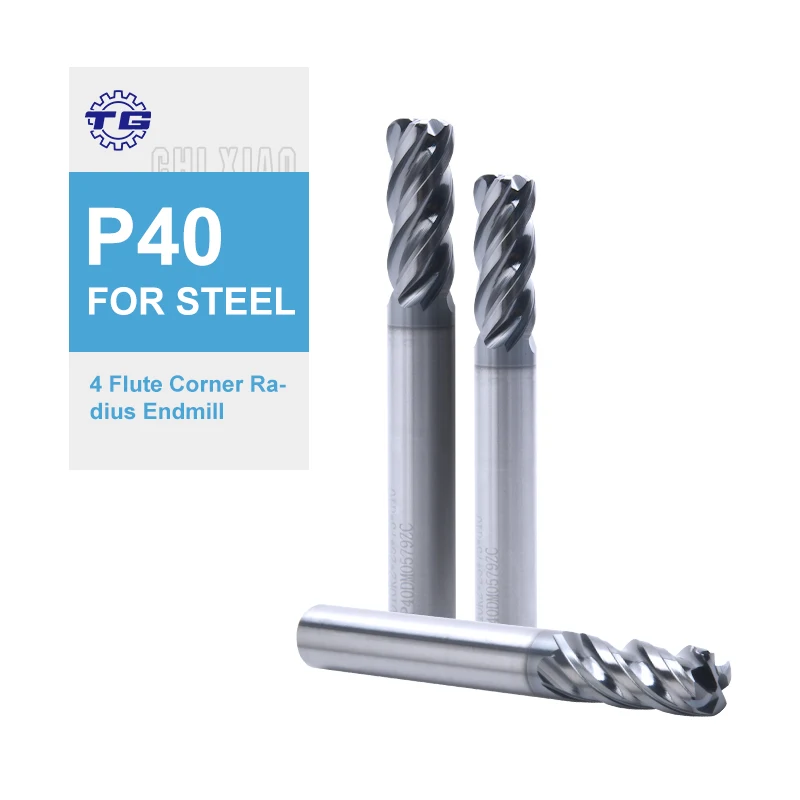
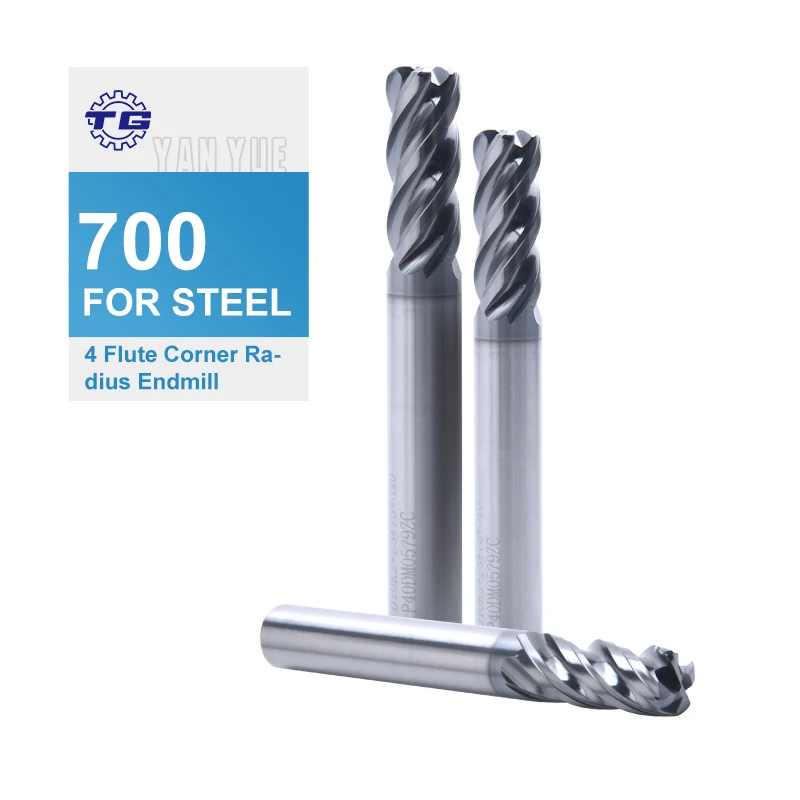
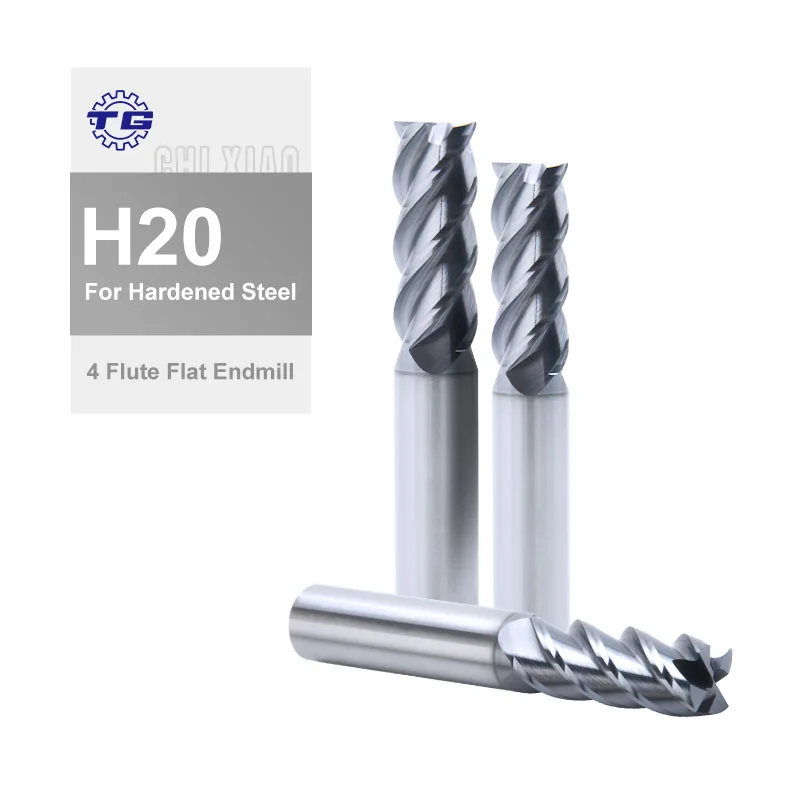
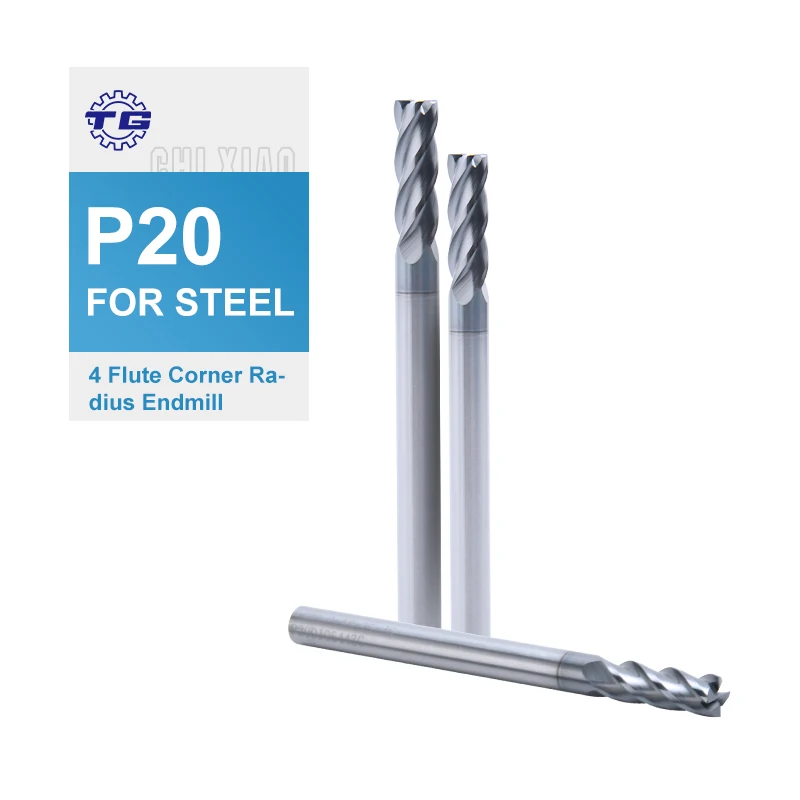
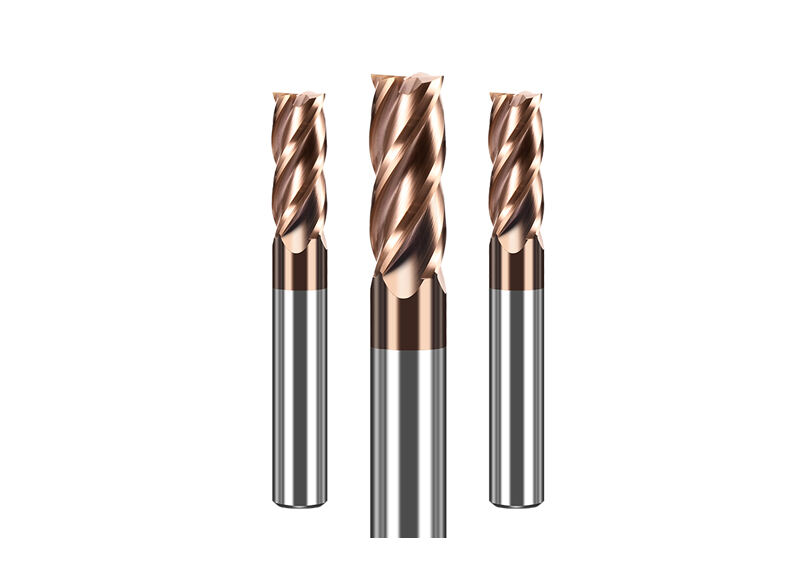
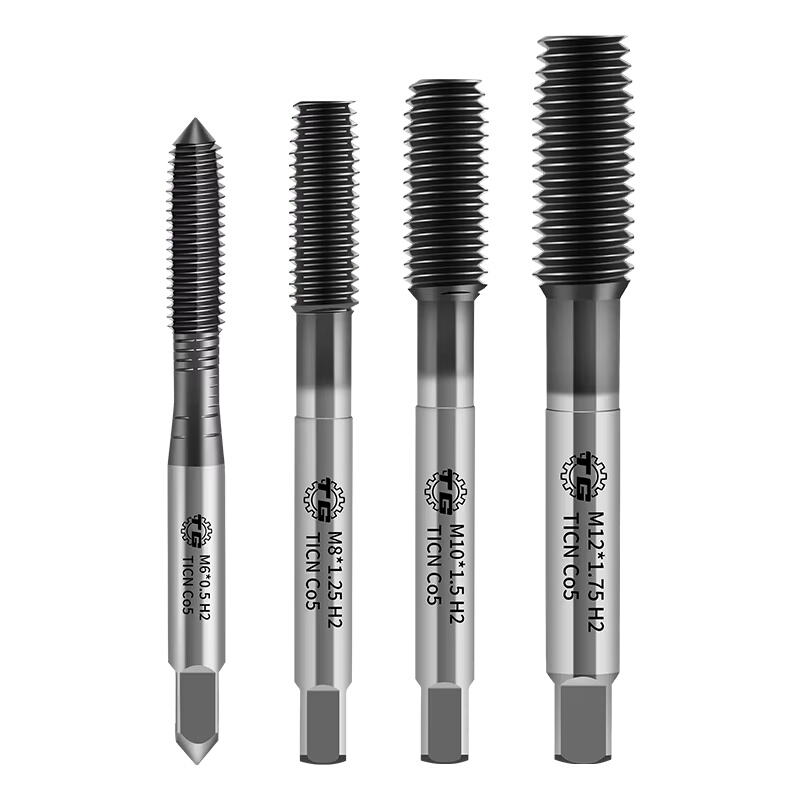
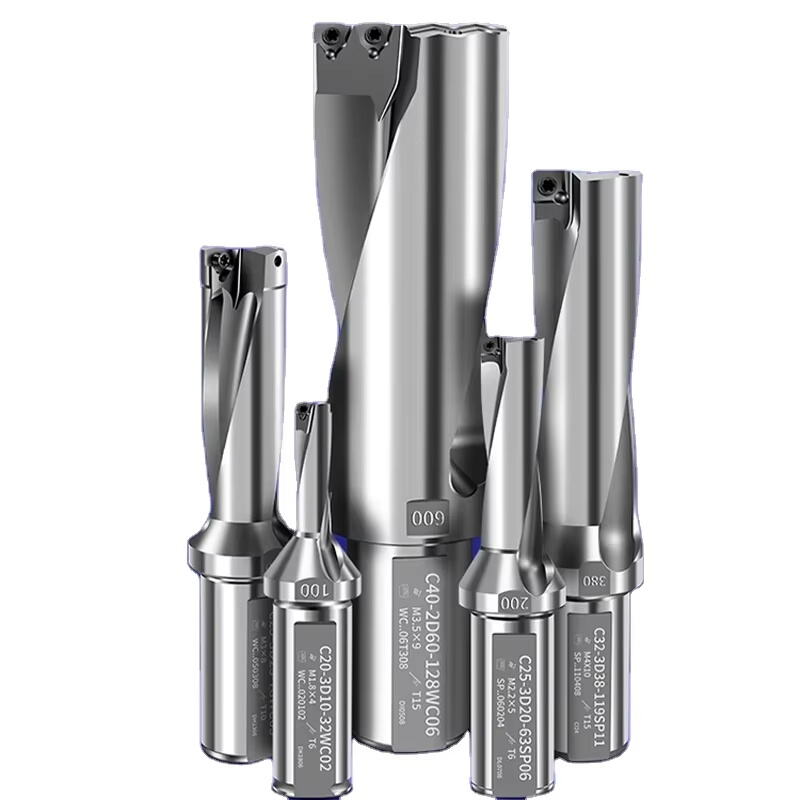
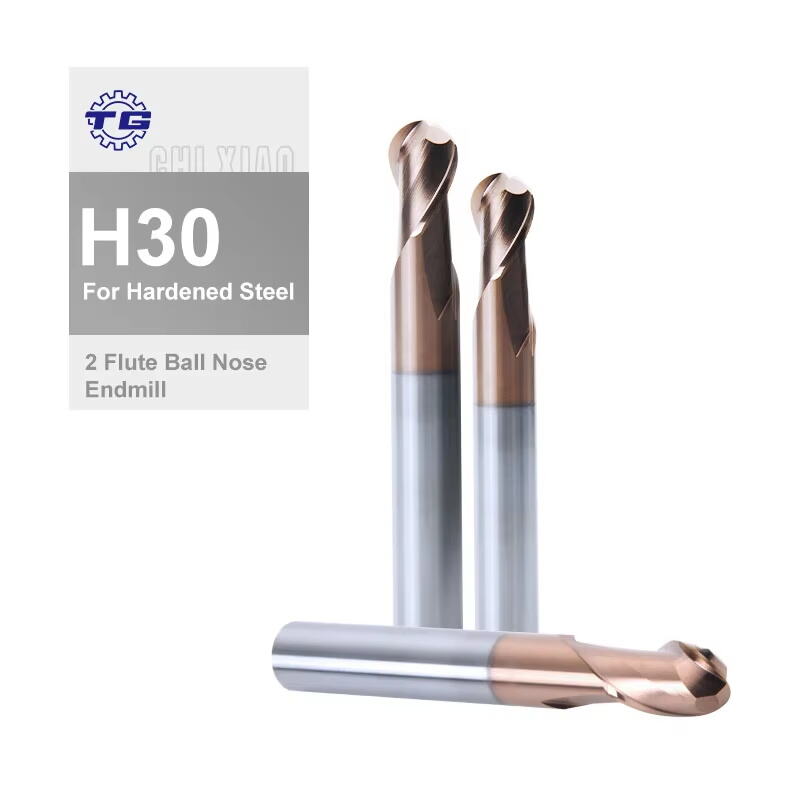
Carbide bits for metal represent a revolutionary advancement in metalworking technology, offering professionals and hobbyists alike an exceptional tool for drilling through various metal types with precision and efficiency. These specialized cutting tools feature tips made from tungsten carbide, one of the hardest materials available for industrial applications, bonded to a steel shaft that provides flexibility and strength. The primary function of carbide bits for metal is to create clean, accurate holes in ferrous and non-ferrous metals including steel, stainless steel, aluminum, copper, brass, and iron. Unlike conventional high-speed steel bits, carbide bits for metal maintain their sharp cutting edges significantly longer, even when subjected to high temperatures and intense friction generated during metal drilling operations. The technological features that distinguish carbide bits for metal include advanced tip geometry designed to reduce walking on metal surfaces, specialized flute designs that efficiently evacuate metal chips from the cutting zone, and heat-resistant coatings that extend tool life. These bits operate effectively at higher speeds and feeds compared to traditional alternatives, enabling faster completion of drilling tasks without sacrificing accuracy. Applications for carbide bits for metal span multiple industries and settings, from automotive repair shops and metal fabrication facilities to construction sites and home workshops. Professional machinists rely on carbide bits for metal when working with hardened steel components, while HVAC technicians use them to drill through metal ductwork and sheet metal. The aerospace industry depends on these precision tools for creating holes in aircraft aluminum structures, and shipbuilders utilize carbide bits for metal when working with marine-grade stainless steel. Whether the task involves creating pilot holes for larger drilling operations, enlarging existing holes, or drilling completely through thick metal plates, carbide bits for metal deliver consistent performance that meets demanding specifications and quality standards required in modern metalworking applications.

Popular Products

The advantages of carbide bits for metal extend far beyond their basic drilling capabilities, offering users tangible benefits that directly impact productivity, cost efficiency, and work quality. First and foremost, these specialized tools last significantly longer than standard drill bits, which means you will replace them less frequently and spend less money on tooling over time. This extended lifespan comes from the exceptional hardness of tungsten carbide material, which resists wear even when drilling through tough metals that would quickly dull ordinary bits. You will notice that carbide bits for metal maintain their sharp cutting edges through hundreds of holes, delivering consistent performance from first use to eventual replacement. Another major advantage is the superior drilling speed these tools provide, allowing you to complete projects faster and take on more work without investing in additional equipment. The enhanced cutting efficiency means you can drill through metal with less effort and reduced physical strain, making long drilling sessions more comfortable and less fatiguing. Carbide bits for metal also generate cleaner, more precise holes with smooth edges that often require minimal deburring or finishing work, saving you valuable time in post-drilling operations. The accuracy these bits deliver helps you avoid costly mistakes and material waste, as holes end up exactly where intended without walking or wandering across metal surfaces. You will appreciate how carbide bits for metal resist the heat buildup that damages conventional bits, maintaining their structural integrity even during continuous use on demanding projects. This heat resistance translates into safer operation, as the bits are less likely to break or shatter under stress, protecting you from potential injuries. The versatility of carbide bits for metal represents another practical benefit, as a single set can handle multiple metal types without requiring constant bit changes for different materials. You can move seamlessly from drilling aluminum to stainless steel without switching tools, streamlining your workflow and reducing downtime. These bits also require less frequent sharpening compared to high-speed steel alternatives, eliminating the hassle and expense of professional sharpening services or time-consuming manual sharpening efforts. The improved chip evacuation design in carbide bits for metal prevents clogging and binding, allowing you to work continuously without stopping to clear debris from the cutting area. This feature proves especially valuable when drilling deep holes or working with materials that produce long, stringy chips. The initial investment in quality carbide bits for metal pays dividends through reduced operating costs, fewer production delays, and improved finished product quality that enhances your professional reputation and customer satisfaction.

Tips And Tricks

What is high speed steel and how does it work?

30

Dec

What is high speed steel and how does it work?

High speed steel represents one of the most significant innovations in metallurgy and machining technology. This specialized alloy has revolutionized manufacturing processes across countless industries, enabling precision cutting operations at speeds...
View More
How CNC Tools Improve Accuracy in Precision Manufacturing

28

Feb

How CNC Tools Improve Accuracy in Precision Manufacturing

Precision manufacturing has revolutionized modern industry by delivering components with unprecedented accuracy and consistency. At the heart of this technological advancement lies the sophisticated world of CNC tools, which have transformed how manu...
View More
What are the main uses of tungsten carbide?

28

Feb

What are the main uses of tungsten carbide?

Tungsten carbide represents one of the most versatile and durable materials in modern industrial applications, combining exceptional hardness with remarkable wear resistance. This compound material, formed by combining tungsten and carbon atoms in eq...
View More
What are the differences between high-speed steel and carbide tools?

31

Mar

What are the differences between high-speed steel and carbide tools?

Manufacturing professionals constantly face critical decisions about cutting tool selection, with material choice being perhaps the most fundamental consideration. The choice between high-speed steel and carbide tools directly impacts machining perfo...
View More

Get a Free Quote

Our representative will contact you soon.
Email
Mobile
Name
Company Name
Message
0/1000

carbide bits for metal

Unmatched Durability and Extended Tool Life

Unmatched Durability and Extended Tool Life

The exceptional durability of carbide bits for metal stands as their most compelling feature, fundamentally changing how professionals and enthusiasts approach metal drilling tasks. Unlike conventional drill bits manufactured from high-speed steel that lose their cutting edge after drilling through modest amounts of metal, carbide bits for metal maintain razor-sharp performance through extensive use cycles that can span months or even years depending on application intensity. This remarkable longevity stems from tungsten carbide's position as one of the hardest substances available for industrial tooling, rating between 8.5 and 9 on the Mohs hardness scale, approaching the hardness of diamonds. When you invest in carbide bits for metal, you acquire tools engineered to withstand the extreme temperatures, intense friction, and tremendous pressures inherent in metal drilling operations without degrading or losing dimensional accuracy. The molecular structure of tungsten carbide creates a material that resists abrasive wear, maintains its form under thermal stress, and continues cutting effectively even when exposed to work-hardening metals that would instantly destroy lesser bits. This durability translates directly into measurable economic benefits for your operations, as the cost per hole drilled decreases dramatically when tools last ten to twenty times longer than standard alternatives. You will find that carbide bits for metal eliminate the frustration of mid-project bit failures that disrupt workflow, cause delays, and potentially damage workpieces when dull bits bind or break. The extended service life also reduces the environmental impact of your metalworking activities by decreasing the volume of worn-out tools requiring disposal and minimizing the resource consumption associated with frequent tool replacement. Professional fabrication shops report that switching to carbide bits for metal has reduced their annual tooling budgets by substantial margins while simultaneously increasing output capacity, as workers spend more time drilling and less time changing bits. The consistency of performance throughout the bit's lifespan ensures that the first hole you drill exhibits the same precision and quality as the thousandth hole, maintaining tight tolerances essential for professional-grade work. This reliability proves invaluable in production environments where dimensional accuracy directly affects product quality and customer satisfaction, making carbide bits for metal an essential component of quality assurance programs in metal fabrication operations.
Superior Heat Resistance and Operational Efficiency

Superior Heat Resistance and Operational Efficiency

Heat resistance represents a critical technological advantage that sets carbide bits for metal apart from conventional drilling solutions, directly impacting operational efficiency and workplace safety. During metal drilling operations, friction between the bit and workpiece generates substantial heat that can exceed 500 degrees Celsius at the cutting edge, creating conditions that rapidly degrade standard drill bits and compromise hole quality. Carbide bits for metal incorporate tungsten carbide tips specifically engineered to withstand these extreme thermal conditions without softening, warping, or losing their carefully designed cutting geometry. This superior heat tolerance means you can operate at higher rotational speeds and apply greater feed pressure without risking tool failure, dramatically increasing the rate at which you complete drilling tasks. The ability to maintain cutting performance at elevated temperatures also eliminates the frequent cooling breaks required when using conventional bits, allowing continuous operation that maximizes productivity during time-sensitive projects. When you use carbide bits for metal, the reduced heat sensitivity minimizes the risk of work-hardening the surrounding metal, a common problem with overheated standard bits that creates zones of increased hardness around holes, complicating subsequent machining operations. The thermal stability of carbide bits for metal also prevents the molecular changes that cause conventional bits to become brittle and prone to catastrophic failure, enhancing operator safety by reducing the likelihood of dangerous bit breakage during use. You will notice that carbide bits for metal maintain their temper and mechanical properties throughout extended drilling sessions, whereas high-speed steel bits progressively lose hardness as accumulated heat exposure degrades their metallurgical structure. This consistency ensures predictable tool performance that allows accurate estimation of project completion times and reliable production scheduling in commercial settings. The heat resistance of carbide bits for metal also extends to the bonding interface between the carbide tip and steel shaft, which remains secure even under thermal cycling that would separate brazed joints in inferior products. Advanced manufacturing techniques used in producing quality carbide bits for metal create molecular bonds that actually strengthen under the heat generated during normal operation, ensuring the cutting tip remains firmly attached throughout the tool's service life. This robust construction eliminates concerns about tip detachment that could damage expensive workpieces or precision machinery, providing peace of mind during critical drilling operations where failure could prove costly.
Precision Performance Across Diverse Metal Types

Precision Performance Across Diverse Metal Types

The versatility of carbide bits for metal in delivering precision performance across an extensive range of metal types and hardness levels represents a practical advantage that simplifies tool selection and inventory management while ensuring optimal results in varied applications. Whether you work primarily with soft aluminum alloys, moderately hard mild steel, challenging stainless steel grades, or extremely tough hardened tool steels, carbide bits for metal adapt to each material's unique characteristics and deliver clean, accurate holes that meet exacting specifications. This universal capability eliminates the need to maintain separate bit collections for different metals, reducing both the financial investment in tooling and the storage space required for comprehensive drilling capability. You will find that carbide bits for metal handle non-ferrous metals like copper and brass with equal proficiency as ferrous materials, creating burr-free holes with smooth walls that often require no secondary finishing operations. The specialized tip geometry incorporated into quality carbide bits for metal features precisely calculated rake angles, clearance angles, and cutting edge configurations optimized through computer modeling and real-world testing to minimize cutting forces while maximizing material removal rates across diverse metal densities. This engineering sophistication enables the bits to self-center on metal surfaces without the walking or skating that plagues conventional bits, particularly when starting holes on curved, angled, or hardened surfaces where initial bit placement proves challenging. The flute design in carbide bits for metal incorporates advanced spiral geometries that efficiently transport chips away from the cutting zone regardless of whether the material produces fine powder, small fragments, or long continuous spirals, preventing the chip accumulation that causes binding and poor hole quality. You can confidently use carbide bits for metal on sheet metal as thin as 20 gauge without experiencing breakthrough burrs or distortion, while the same bits drill cleanly through plate steel several inches thick without losing concentricity or dimensional accuracy. This performance consistency across thickness ranges streamlines operations in shops that handle diverse work orders, as operators need not switch between specialized thin-material bits and heavy-duty thick-material bits depending on current job requirements. The precision achievable with carbide bits for metal proves essential in applications requiring holes to accept fasteners, bearings, or precision-fitted components where tolerance stack-up could compromise assembly functionality or product performance. Professional metalworkers report that carbide bits for metal consistently produce holes within 0.001 inch of target diameter even after extensive use, a level of accuracy unattainable with conventional bits showing any measurable wear. This dimensional reliability reduces scrap rates and rework requirements in manufacturing environments where quality control standards demand strict adherence to engineering specifications, making carbide bits for metal a critical component of lean production methodologies focused on eliminating waste and maximizing value-added activities.

carbide bits for metal-0
carbide bits for metal-1

Get a Free Quote

Our representative will contact you soon.
Email
Mobile
Name
Company Name
Message
0/1000