Contact me immediately if you encounter problems!

All Categories

hss cutting tools

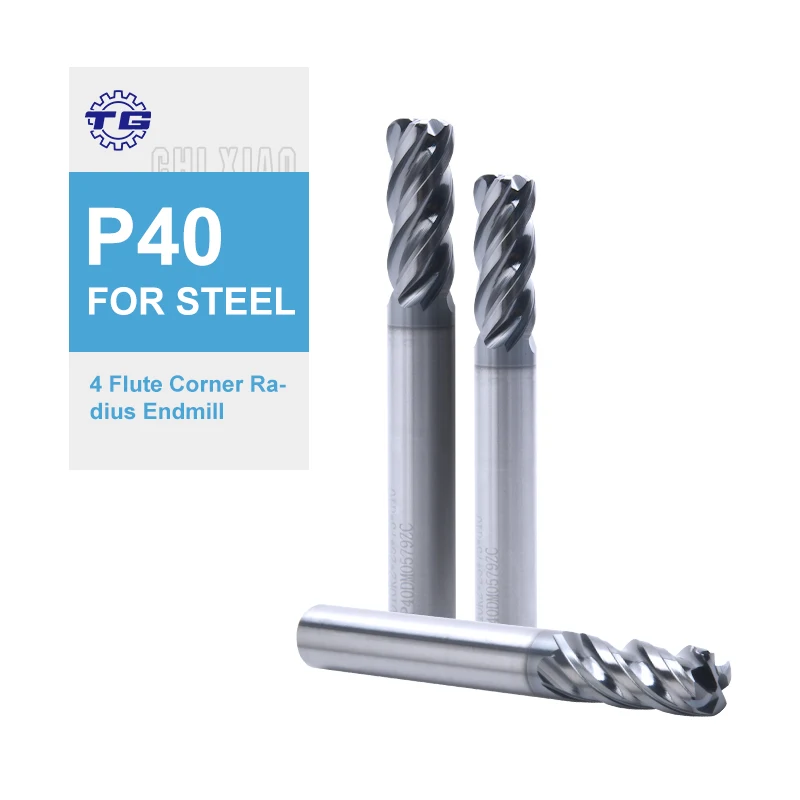
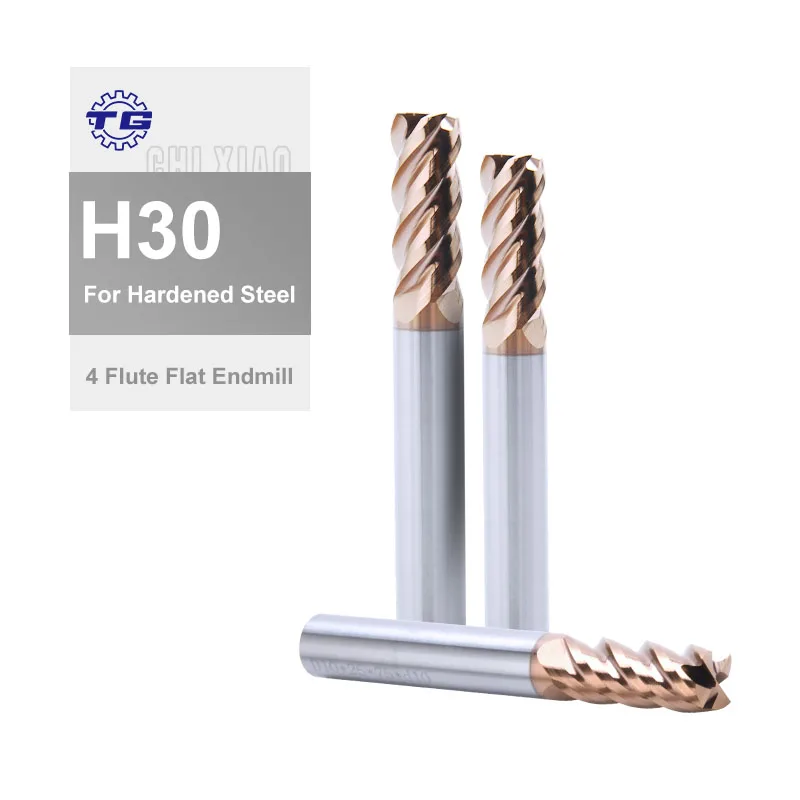
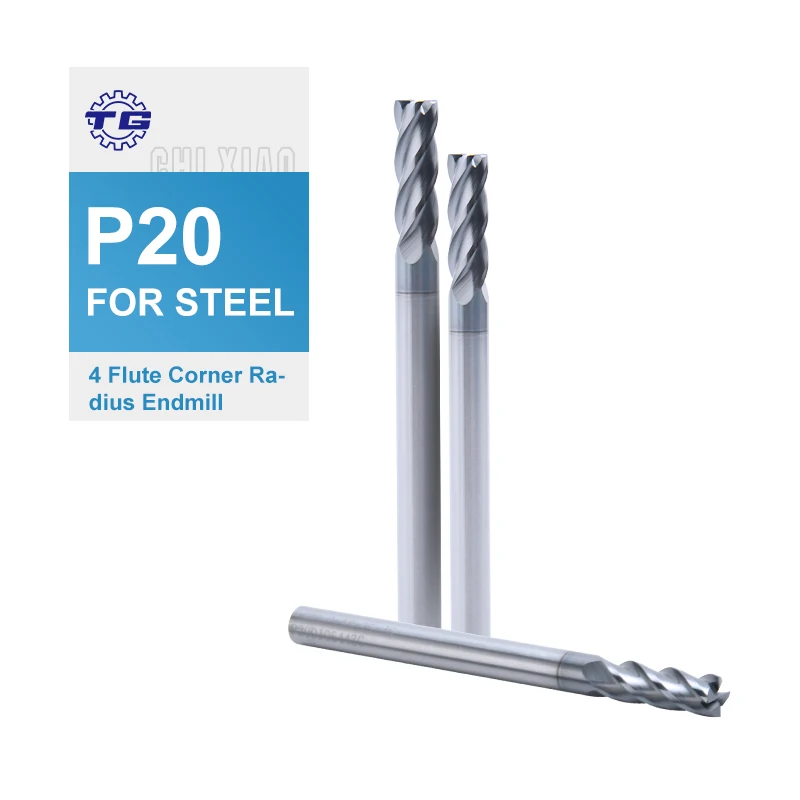
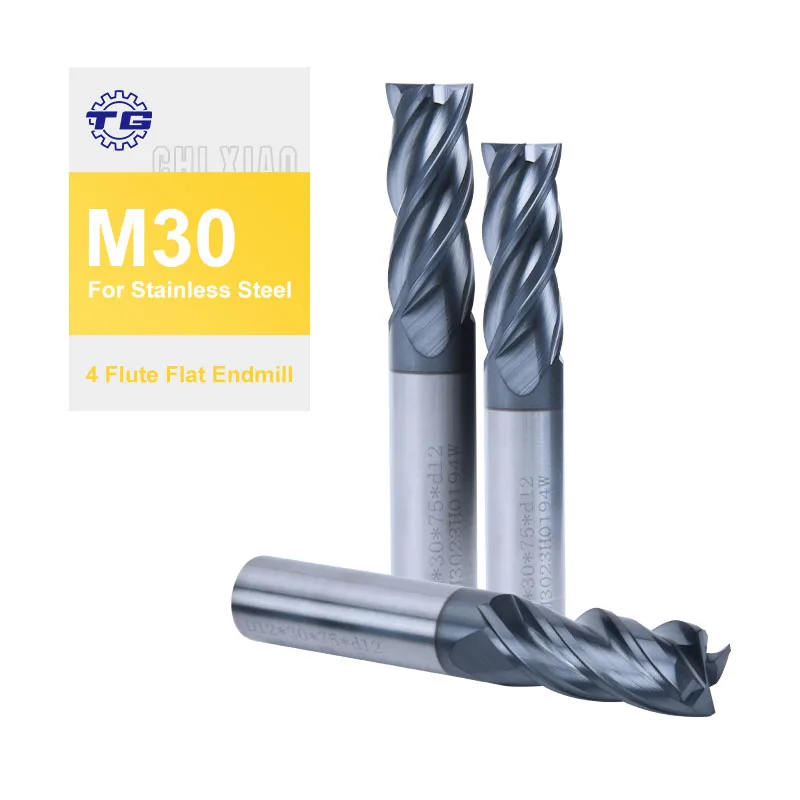
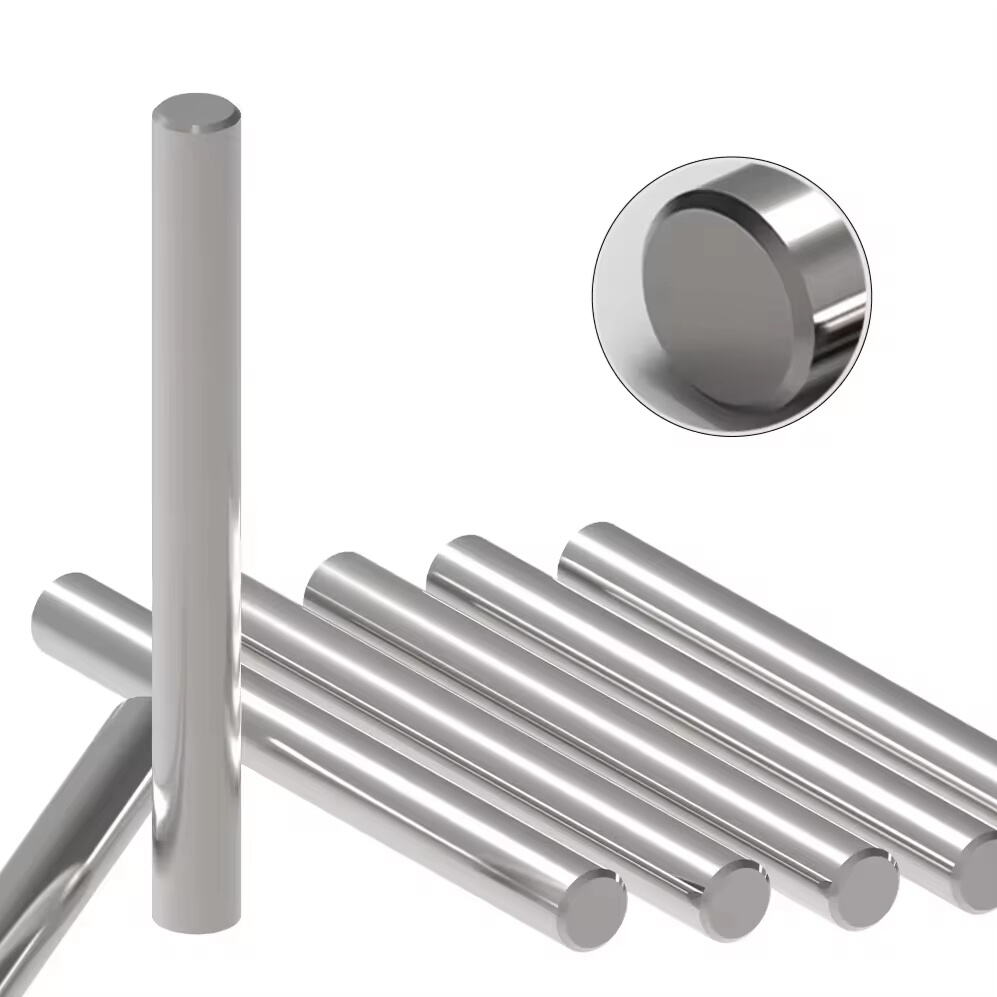
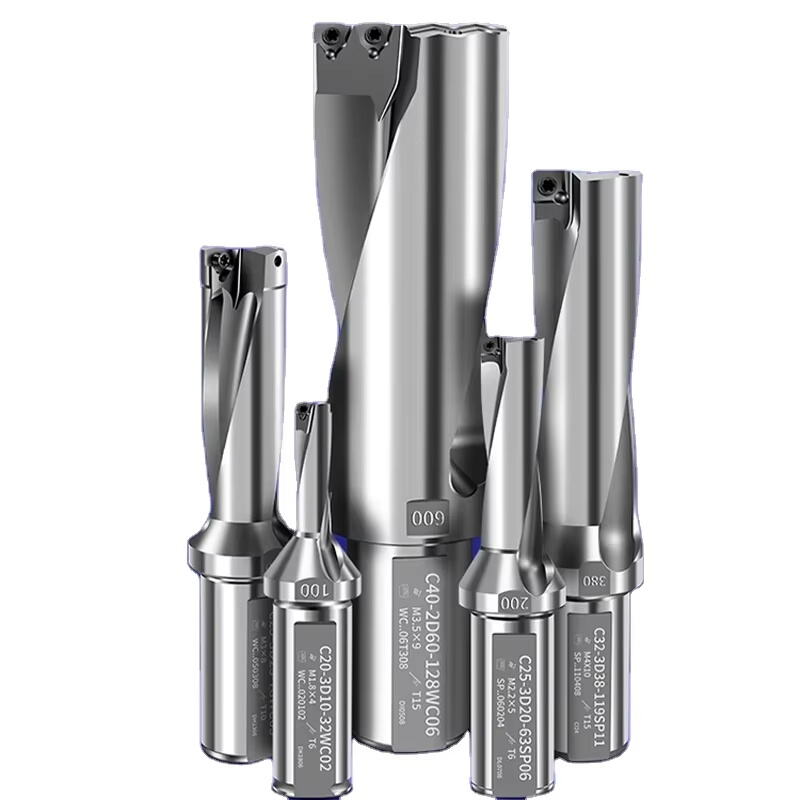
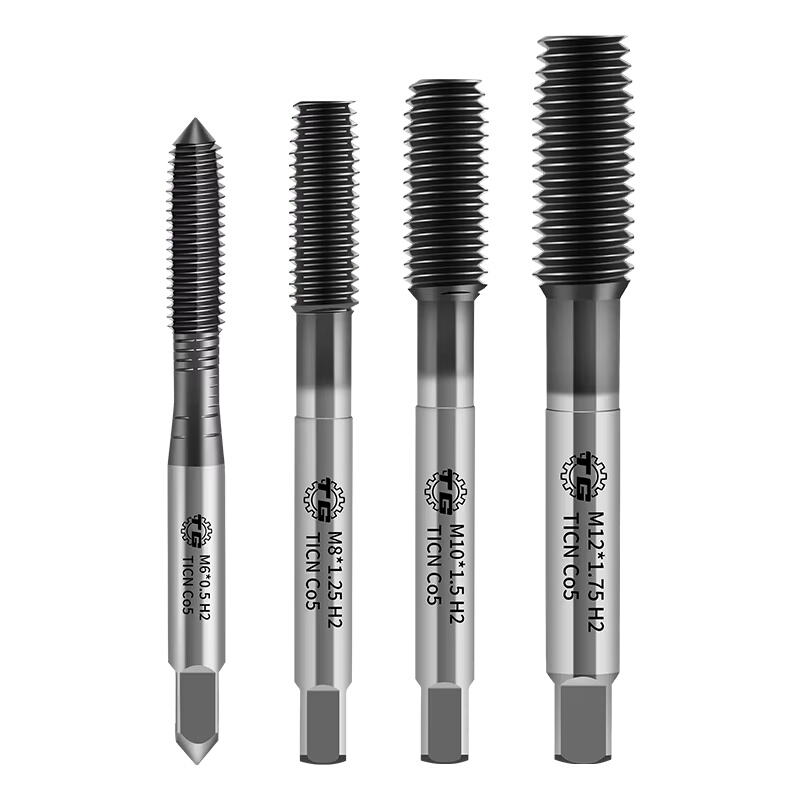
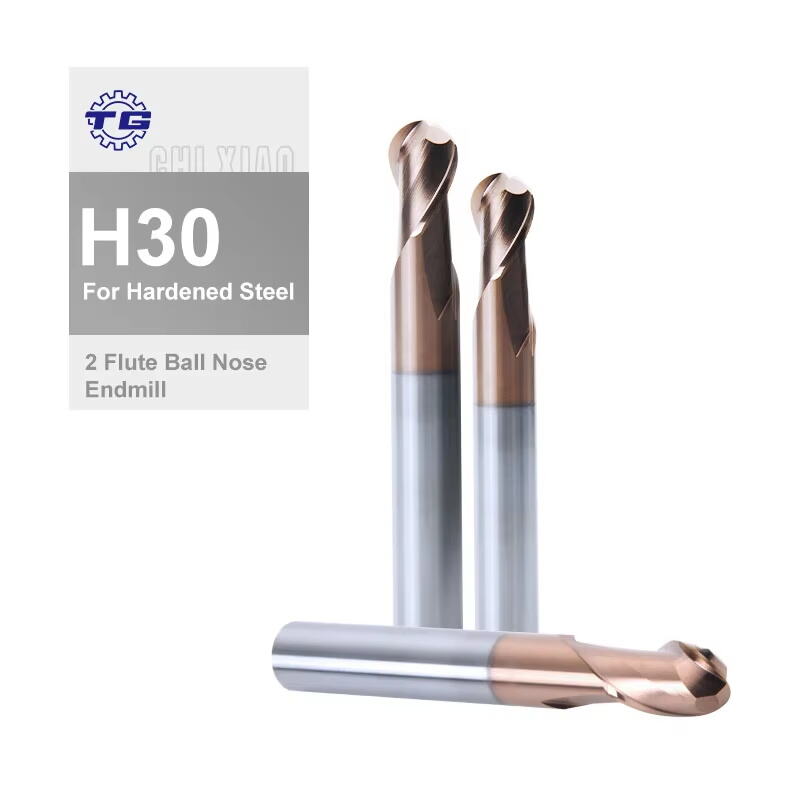
High-speed steel cutting tools, commonly known as hss cutting tools, represent a fundamental category of metalworking instruments that have revolutionized manufacturing and machining operations across numerous industries. These versatile tools are manufactured from high-speed steel, a specialized alloy containing tungsten, molybdenum, chromium, vanadium, and cobalt in varying proportions. The primary function of hss cutting tools centers on material removal processes, where they efficiently cut, shape, drill, mill, and turn various metals and materials with precision and reliability. The technological features that distinguish these tools include exceptional hardness retention even at elevated temperatures, superior wear resistance that extends operational lifespan, and remarkable toughness that prevents chipping or fracturing during demanding applications. Manufacturing processes for hss cutting tools involve careful heat treatment procedures that optimize their crystalline structure, resulting in tools capable of maintaining sharp cutting edges throughout extended production runs. Applications for hss cutting tools span an impressive range of industries, from automotive manufacturing and aerospace engineering to general fabrication shops and maintenance operations. These tools excel in drilling operations where they create precise holes in steel, aluminum, brass, and other metals. Milling applications benefit from hss cutting tools as they remove material to create complex shapes, slots, and surface finishes. Turning operations on lathes utilize hss cutting tools to produce cylindrical components with tight tolerances. Threading, reaming, and boring operations all rely on specialized hss cutting tools designed for specific tasks. The adaptability of hss cutting tools makes them indispensable for both high-volume production environments and custom fabrication projects. Modern hss cutting tools incorporate advanced coating technologies such as titanium nitride or titanium aluminum nitride, which further enhance performance characteristics by reducing friction and increasing surface hardness. Whether used in manual machining centers or computer-controlled equipment, hss cutting tools deliver consistent results that meet stringent quality standards while maintaining cost-effectiveness that appeals to budget-conscious operations.


Popular Products

The advantages of hss cutting tools extend far beyond their initial purchase price, offering tangible benefits that directly impact your bottom line and operational efficiency. First and foremost, these tools deliver outstanding durability that translates into fewer tool changes during production runs. You will spend less time stopping machinery to replace worn tools, which means your equipment stays productive for longer periods. This extended tool life results from the inherent properties of high-speed steel, which resists wear even when cutting abrasive materials or working at speeds that would quickly dull lesser tools. Cost-effectiveness stands as another compelling advantage, as hss cutting tools provide exceptional value compared to alternatives. While carbide or ceramic tools may offer certain performance advantages in specific applications, hss cutting tools cost significantly less upfront and can be resharpened multiple times, extending their useful life and reducing long-term tooling expenses. Small shops and large manufacturers alike appreciate this economic benefit, especially when tooling budgets face scrutiny. Versatility represents a major practical advantage that simplifies inventory management and improves operational flexibility. A single set of hss cutting tools can handle diverse materials including carbon steel, stainless steel, aluminum, copper, brass, and various plastics. This multi-material capability eliminates the need to stock specialized tools for different workpieces, reducing inventory costs and simplifying tool selection for operators. The toughness of hss cutting tools provides peace of mind during interrupted cuts or when machining castings with scale or sand inclusions. These tools resist chipping and breakage better than more brittle alternatives, reducing costly scrap and preventing damage to expensive workpieces. Operators appreciate this forgiving nature, particularly when learning new machining techniques or working with unpredictable materials. Heat resistance ensures that hss cutting tools maintain their hardness and cutting ability even when temperatures rise during aggressive material removal. You can push these tools harder without fear of premature failure, increasing productivity without sacrificing tool life. Resharpening capability offers practical advantages that extend tool investment. Unlike coated carbide tools that lose effectiveness once their coating wears through, hss cutting tools can be resharpened repeatedly using conventional grinding equipment. Many shops perform this resharpening in-house, further reducing tooling costs and eliminating downtime waiting for replacement tools. The widespread availability of hss cutting tools means you can source replacements quickly from multiple suppliers, avoiding production delays. Standard sizes and specifications ensure compatibility across different brands, giving you purchasing flexibility and negotiating power. Ease of use makes hss cutting tools ideal for training new machinists, as these tools forgive minor errors in speed or feed selection that would destroy more expensive alternatives.

Practical Tips

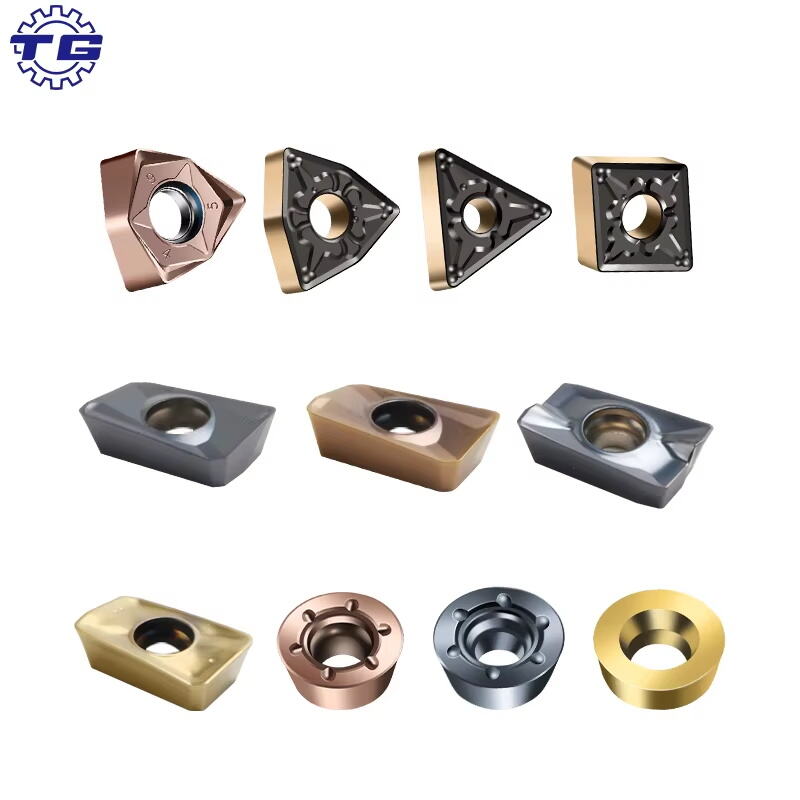
Which Shapes of Carbide Inserts Are Best for Steel?

28

Feb

Which Shapes of Carbide Inserts Are Best for Steel?

When machining steel components, selecting the appropriate carbide inserts for steel becomes critical for achieving optimal performance, tool life, and surface finish quality. The geometry and shape of these cutting tools directly influence chip form...
View More
What industries rely most on high-speed steel tools?

31

Mar

What industries rely most on high-speed steel tools?

High-speed steel tools have become indispensable across numerous industrial sectors due to their exceptional hardness, heat resistance, and cutting performance. These specialized cutting implements maintain their sharpness and structural integrity ev...
View More
What are the differences between high-speed steel and carbide tools?

31

Mar

What are the differences between high-speed steel and carbide tools?

Manufacturing professionals constantly face critical decisions about cutting tool selection, with material choice being perhaps the most fundamental consideration. The choice between high-speed steel and carbide tools directly impacts machining perfo...
View More
What Safety Measures Are Essential in Holemaking Operations?

31

Mar

What Safety Measures Are Essential in Holemaking Operations?

Holemaking operations represent one of the most fundamental yet potentially hazardous processes in manufacturing environments. These operations involve creating precise holes in various materials using drilling, reaming, boring, and related machining...
View More

Get a Free Quote

Our representative will contact you soon.
Email
Mobile
Name
Company Name
Message
0/1000

hss cutting tools

Exceptional Temperature Stability and Heat Resistance for Demanding Machining Operations

Exceptional Temperature Stability and Heat Resistance for Demanding Machining Operations

The superior heat resistance of hss cutting tools represents one of their most valuable characteristics, particularly important in demanding manufacturing environments where cutting temperatures routinely exceed levels that would compromise ordinary tool steels. When metal cutting occurs, friction between the tool and workpiece generates substantial heat that can reach temperatures exceeding 600 degrees Celsius at the cutting edge. Conventional carbon steel tools would lose their hardness and cutting ability at such temperatures, effectively becoming useless. However, hss cutting tools maintain their structural integrity and hardness even when subjected to these extreme thermal conditions, thanks to the specific alloying elements incorporated during manufacturing. Tungsten and molybdenum create stable carbides within the steel matrix that resist softening at elevated temperatures, while vanadium contributes to fine grain structure that enhances hot hardness. This thermal stability allows operators to select higher cutting speeds and feed rates, directly increasing material removal rates and reducing cycle times. Faster production means you can complete jobs more quickly, accept more orders, and improve profitability without purchasing additional equipment. The heat resistance of hss cutting tools also contributes to consistent dimensional accuracy throughout production runs. Tools that soften due to heat begin to deform under cutting forces, producing parts that drift out of tolerance as machining progresses. The dimensional stability of hss cutting tools ensures that the first part and the last part in a production run meet the same exacting specifications, reducing scrap rates and inspection requirements. This consistency proves particularly valuable in industries where tight tolerances are non-negotiable, such as aerospace or medical device manufacturing. Furthermore, the heat resistance of hss cutting tools reduces the need for aggressive cooling strategies that complicate machining operations. While coolant remains beneficial for chip evacuation and surface finish improvement, hss cutting tools can perform many operations with minimal coolant application or even in dry cutting scenarios. This capability reduces coolant costs, simplifies chip disposal, and creates cleaner working environments. For shops concerned about environmental regulations or worker exposure to cutting fluids, the ability of hss cutting tools to function effectively with reduced coolant represents a significant practical advantage that supports both safety and sustainability goals.
Outstanding Toughness and Impact Resistance That Prevents Costly Tool Breakage

Outstanding Toughness and Impact Resistance That Prevents Costly Tool Breakage

The remarkable toughness of hss cutting tools distinguishes them from harder but more brittle cutting tool materials, providing critical advantages in real-world machining environments where unpredictable conditions and interrupted cuts occur regularly. Toughness, defined as the ability to absorb energy and deform plastically before fracturing, determines how well a tool withstands shock loading, vibration, and sudden force variations during cutting operations. In practical terms, tough hss cutting tools resist chipping and breakage even when encountering scale on castings, interrupted cuts on milled surfaces, or sudden engagement when entering workpieces. This resilience protects your investment in expensive workpieces by preventing tool failure at critical moments that could ruin hours of machining work. Consider a scenario where a cutting tool encounters a hard inclusion or sand pocket while machining a casting - a brittle carbide tool might chip or fracture, potentially damaging both the tool and the workpiece, while a tough hss cutting tool absorbs the impact and continues cutting. The financial implications extend beyond the immediate tool replacement cost to include scrapped workpieces, machine downtime, and delayed delivery schedules. Toughness also provides insurance against operator error or unexpected machining conditions. New machinists learning proper techniques may occasionally select incorrect speeds or feeds, or experienced operators may encounter unexpected material variations. The forgiving nature of hss cutting tools reduces the consequences of these situations, preventing catastrophic tool failures that disrupt production and increase training costs. Vibration and chatter, common challenges in machining operations with long tool overhangs or thin-walled workpieces, create cyclical impact loads that stress cutting edges. The energy-absorbing properties of hss cutting tools help them survive these adverse conditions better than brittle alternatives. This advantage proves particularly valuable when machining difficult setups where rigidity cannot be optimized or when working with older machines that may have developed vibration issues over years of service. The combination of reasonable hardness and excellent toughness in hss cutting tools creates a balanced performance profile that serves general machining needs effectively. You gain sufficient wear resistance for acceptable tool life while retaining the impact resistance necessary for reliable operation across diverse applications. This balanced approach reduces the complexity of tool selection and minimizes the risk of choosing an inappropriate tool material for specific jobs.
Cost-Effective Performance with Resharpening Capability That Maximizes Tool Investment

Cost-Effective Performance with Resharpening Capability That Maximizes Tool Investment

The economic advantages of hss cutting tools extend throughout their entire lifecycle, beginning with affordable initial purchase prices and continuing through multiple resharpening cycles that multiply the value of your tooling investment. While exotic cutting tool materials may promise enhanced performance in specialized applications, hss cutting tools deliver reliable results at price points that make them accessible to businesses of all sizes, from independent machine shops to large manufacturing facilities. This affordability becomes particularly important when establishing new operations, expanding tooling inventories, or managing tight budgets without compromising production capabilities. The initial cost advantage represents only the beginning of the economic benefits associated with hss cutting tools. Unlike many modern cutting tool materials that become scrap once worn, hss cutting tools can be resharpened multiple times using conventional grinding equipment available in most machine shops. This resharpening capability effectively multiplies your initial tool investment by three, five, or even more times, depending on the original tool geometry and the amount of material that can be removed during successive resharpening operations. Each resharpening cycle restores cutting edges to like-new condition at a fraction of the cost of purchasing replacement tools. Many shops develop in-house resharpening capabilities specifically for hss cutting tools, further reducing costs by eliminating the need to send tools to outside sharpening services. A modest investment in a tool and cutter grinder plus some operator training enables shops to maintain their hss cutting tools internally, providing immediate availability of freshly sharpened tools without shipping delays or outside service costs. This self-sufficiency proves particularly valuable for shops in remote locations or those operating on tight schedules where tool availability directly impacts production deadlines. The resharpening process for hss cutting tools does not require exotic equipment or advanced technical knowledge, making it accessible to machinists with basic grinding skills. Standard aluminum oxide or silicon carbide grinding wheels effectively sharpen hss cutting tools, and the process tolerates minor variations in technique that would ruin more sensitive tool materials. This user-friendly characteristic reduces training requirements and allows multiple shop personnel to maintain tools as needed. From a sustainability perspective, the resharpening capability of hss cutting tools reduces waste by extending tool life and minimizing the number of tools that enter waste streams. Environmentally conscious manufacturers appreciate this waste reduction, which supports corporate sustainability initiatives while simultaneously reducing costs. The multiple-use nature of hss cutting tools also reduces the environmental impact associated with manufacturing new tools, including energy consumption and raw material extraction. Financial predictability represents another economic advantage, as the proven performance characteristics of hss cutting tools enable accurate cost estimation for quoting jobs and managing production budgets.
hss cutting tools-0
hss cutting tools-1

Get a Free Quote

Our representative will contact you soon.
Email
Mobile
Name
Company Name
Message
0/1000