Contact me immediately if you encounter problems!

All Categories

high speed steel turning tools

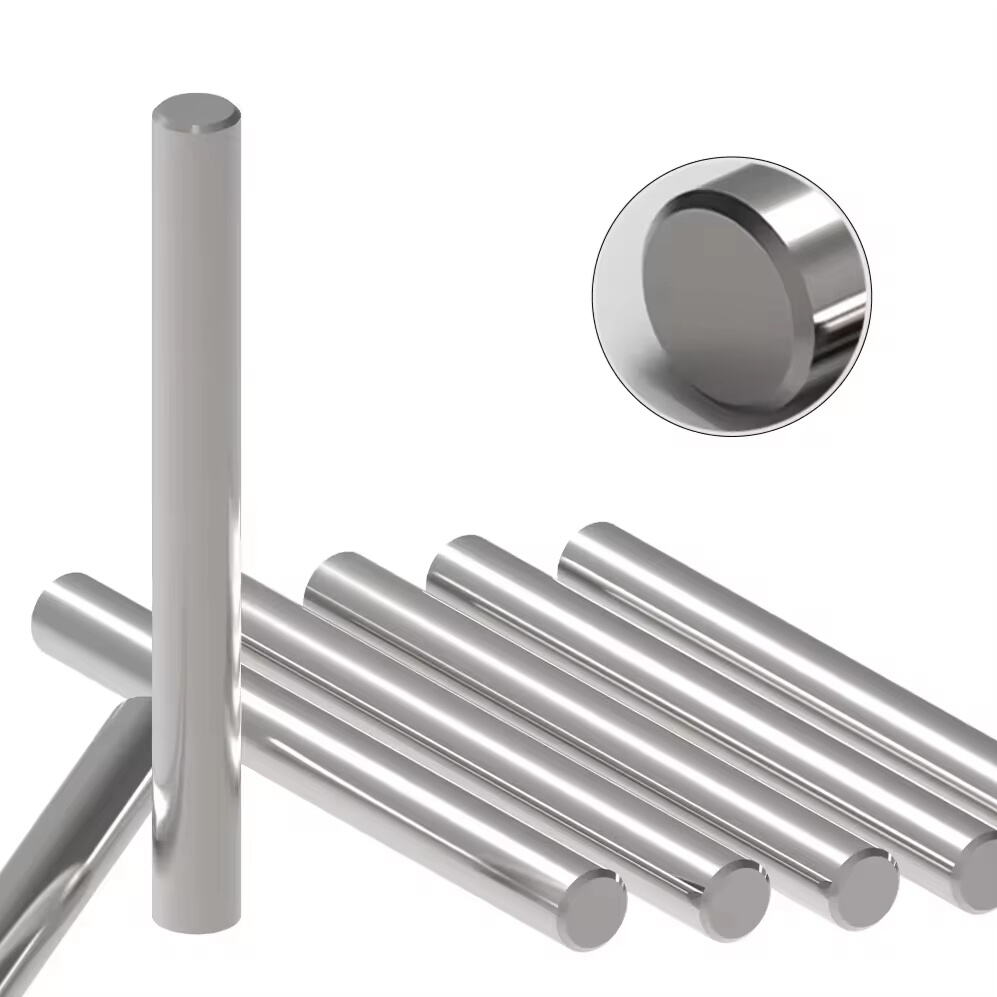
High speed steel turning tools represent a cornerstone technology in modern machining operations, delivering exceptional performance across diverse metalworking applications. These precision-engineered cutting instruments are manufactured from high speed steel alloys, which contain tungsten, molybdenum, chromium, vanadium, and cobalt in carefully balanced proportions. The primary function of high speed steel turning tools is to remove material from rotating workpieces with accuracy and consistency, creating cylindrical shapes, tapers, grooves, threads, and complex contours on lathes and turning centers. These tools excel in cutting operations where dimensional precision, surface finish quality, and material removal efficiency are paramount concerns. The technological features that distinguish high speed steel turning tools include superior hardness retention at elevated temperatures, reaching up to 600 degrees Celsius without significant softening, which allows sustained cutting performance even under demanding conditions. The manufacturing process involves powder metallurgy or conventional melting and forging techniques, followed by precise grinding and heat treatment procedures that optimize the microstructure for cutting applications. High speed steel turning tools find extensive applications in general machining shops, production manufacturing facilities, maintenance operations, and specialized industries including aerospace component production, automotive parts manufacturing, oil and gas equipment fabrication, and medical device production. They effectively machine materials ranging from soft aluminum alloys and brass to hardened steels, stainless steel varieties, and cast iron. The versatility of high speed steel turning tools makes them indispensable for both roughing operations that remove large volumes of material quickly and finishing passes that achieve tight tolerances and smooth surface textures. Their ability to maintain sharp cutting edges through multiple resharpening cycles provides excellent value over extended service life, while their compatibility with conventional and CNC lathes ensures broad applicability across different equipment generations and technological sophistication levels.


New Product Recommendations

High speed steel turning tools deliver remarkable cost-effectiveness that directly benefits your bottom line. Unlike carbide alternatives that require complete replacement when worn, these tools can be resharpened multiple times in your own facility using standard grinding equipment, reducing consumable costs by up to seventy percent over their lifetime. You gain immediate financial advantages without sacrificing cutting performance or part quality. The toughness of high speed steel turning tools provides exceptional resistance to chipping and breakage, particularly valuable when machining interrupted cuts or materials with hard inclusions that would quickly damage more brittle tool materials. This durability translates to fewer unexpected tool failures, reduced production interruptions, and greater confidence in unattended machining operations. Your operators appreciate the predictable tool life and consistent performance that simplifies production planning and inventory management. These tools offer superior versatility across different materials and cutting conditions. You can use the same high speed steel turning tools for aluminum, steel, stainless steel, and cast iron applications, eliminating the need to stock multiple specialized tool types. This flexibility reduces inventory complexity and capital investment in tooling while simplifying tool selection for operators. The ability to adjust cutting parameters across a wide range means you can optimize for either maximum productivity or finest surface finish depending on specific part requirements. High speed steel turning tools perform exceptionally well at lower cutting speeds commonly found in manual lathes and older production equipment, making them ideal for shops with mixed machinery populations. You avoid forced equipment upgrades while still achieving quality results. The material properties allow effective machining without requiring rigid machine tool setups or high-powered spindles, expanding your capability to produce precision components on standard equipment. These tools also excel in applications requiring complex geometries or custom profiles. Your tool room can easily modify standard high speed steel turning tools or manufacture specialized form tools by grinding custom shapes, enabling you to produce unique features without expensive custom carbide inserts. This capability supports rapid prototyping, small batch production, and specialized components that would otherwise require outsourcing. The thermal conductivity of high speed steel turning tools helps dissipate cutting heat away from the workpiece, reducing thermal distortion in thin-walled or heat-sensitive components and improving dimensional accuracy of finished parts.

Tips And Tricks

How does high speed steel differ from carbon steel?

30

Dec

How does high speed steel differ from carbon steel?

Manufacturing and machining industries rely heavily on selecting the right steel type for specific applications, with high speed steel and carbon steel representing two of the most significant categories in industrial tooling. Understanding the funda...
View More
Why Do Milling Cutters Break and How to Prevent It?

10

Feb

Why Do Milling Cutters Break and How to Prevent It?

Manufacturing precision relies heavily on the performance and reliability of cutting tools, with the milling cutter serving as one of the most critical components in modern machining operations. Despite their robust design and engineering excellence,...
View More
What Types of Milling Cutter Tools Are Best for Different Materials?

28

Feb

What Types of Milling Cutter Tools Are Best for Different Materials?

Modern manufacturing relies heavily on precision machining to create complex components across various industries. The selection of appropriate milling cutter tools forms the cornerstone of successful CNC operations, directly impacting surface finish...
View More
What are the main uses of tungsten carbide?

28

Feb

What are the main uses of tungsten carbide?

Tungsten carbide represents one of the most versatile and durable materials in modern industrial applications, combining exceptional hardness with remarkable wear resistance. This compound material, formed by combining tungsten and carbon atoms in eq...
View More

Get a Free Quote

Our representative will contact you soon.
Email
Mobile
Name
Company Name
Message
0/1000

high speed steel turning tools

Exceptional Resharpening Economics and Extended Service Life

Exceptional Resharpening Economics and Extended Service Life

High speed steel turning tools deliver outstanding economic value through their unique ability to be resharpened repeatedly, a characteristic that fundamentally distinguishes them from disposable carbide insert tooling systems. When you invest in high speed steel turning tools, you acquire assets that continue providing value through dozens of resharpening cycles rather than consumables requiring constant replacement. This resharpening capability means your maintenance staff or tool room personnel can restore cutting edges to like-new condition using conventional tool grinders already present in most facilities, eliminating dependence on external suppliers for tool maintenance and reducing procurement lead times to zero. The financial impact becomes substantial over extended periods, with total cost per cutting edge dropping to a fraction of throwaway insert expenses. Each resharpening cycle removes only minimal material from the tool body, preserving the bulk of your investment while restoring full cutting capability. The process takes minutes rather than hours, and your personnel quickly develop proficiency in achieving consistent results. Beyond direct cost savings, resharpening flexibility provides strategic advantages in managing tool inventory and responding to production demands. You maintain smaller tool stocks because each tool delivers many times the service life of alternatives, freeing capital for other investments while reducing storage space requirements. When production schedules shift or rush orders arrive, you can quickly prepare tools rather than waiting for shipments, improving responsiveness and customer satisfaction. The ability to customize tool geometry during resharpening adds another dimension of value, enabling you to optimize rake angles, clearances, and nose radii for specific materials or finish requirements without purchasing specialized variants. This customization capability supports continuous improvement initiatives where your team can experiment with geometry modifications to enhance performance for particular applications, then standardize successful configurations across production. High speed steel turning tools also accommodate repair of minor damage that would render carbide inserts unusable, extending service life even further and maximizing return on your tooling investment.
Superior Impact Resistance and Reliability in Challenging Applications

Superior Impact Resistance and Reliability in Challenging Applications

High speed steel turning tools demonstrate remarkable toughness that proves invaluable when machining conditions involve interrupted cuts, vibration-prone setups, or materials containing hard spots and inclusions. The metallurgical structure of high speed steel provides inherent shock absorption that prevents catastrophic failure when cutting edges encounter sudden load changes, protecting both your tooling investment and workpiece value. This impact resistance stems from the fine-grained microstructure and balanced alloy composition that combine hardness with ductility, unlike brittle materials that fracture under stress. When you employ high speed steel turning tools in applications such as machining castings with sand inclusions, turning forgings with scale, or cutting keyways and grooves that create intermittent engagement, you experience far fewer tool breakages and the associated production disruptions. Each avoided breakage represents multiple benefits: the saved tool cost itself, elimination of scrapped workpiece expenses, avoidance of machine downtime for tool replacement, and prevention of potential machine damage from broken tool fragments. Your operators work with greater confidence knowing tools will not suddenly fail, improving productivity and reducing stress in demanding production environments. The reliability advantages extend to less-than-ideal machining setups where workpiece rigidity is compromised or machine tool condition is not optimal. Older lathes with worn bearings or spindles introduce vibration that quickly chips fragile cutting tools, but high speed steel turning tools absorb these disturbances and continue cutting effectively. This capability is particularly valuable for maintenance operations and job shops where diverse equipment conditions and workpiece configurations are routine. You avoid the expensive trial-and-error process of finding carbide grades tough enough for specific applications because high speed steel turning tools provide built-in security across varied conditions. The predictable performance translates to more accurate production scheduling since unexpected tool failures no longer create unpredictable delays. Quality control benefits as well, because gradual tool wear rather than sudden failure means surface finish and dimensional changes occur progressively rather than catastrophically, giving operators clear signals to replace tools before producing nonconforming parts. This predictability supports lean manufacturing principles by reducing variation and enabling tighter process control throughout production runs.
Remarkable Versatility Across Materials and Equipment Types

Remarkable Versatility Across Materials and Equipment Types

High speed steel turning tools excel across an exceptionally broad range of materials and machining equipment, providing flexibility that simplifies operations and reduces complexity in diverse manufacturing environments. Unlike specialized cutting tool materials optimized for narrow application ranges, high speed steel turning tools perform effectively on everything from free-machining aluminum alloys through tough stainless steels to abrasive cast irons, eliminating the need to maintain extensive inventories of material-specific tooling. This versatility proves especially valuable in job shops and maintenance facilities where the next workpiece might be completely different from the last, requiring rapid tool changes and setup modifications. You can confidently select high speed steel turning tools knowing they will handle whatever material arrives without compromise in quality or excessive tool wear. The versatility extends to cutting speed ranges, with high speed steel turning tools performing well at both the slower speeds typical of manual lathes and older production equipment and the moderate speeds of modern CNC turning centers. This compatibility across equipment generations means you avoid forced technology upgrades simply to accommodate newer tooling requirements, protecting existing capital investments while still achieving quality results. Operations running mixed machine populations particularly benefit from standardizing on high speed steel turning tools that work equally well on vintage manual lathes and contemporary computer-controlled equipment. Your purchasing department simplifies procurement, your tool crib reduces inventory complexity, and your operators need to learn fewer tool systems, all contributing to operational efficiency. High speed steel turning tools also adapt readily to different coolant strategies, performing effectively with flood coolant, through-spindle coolant delivery, minimum quantity lubrication systems, or even dry cutting when environmental or workpiece considerations prohibit cutting fluids. This coolant flexibility provides options for optimizing processes based on specific requirements rather than being constrained by tooling limitations. The ability to manufacture custom tool geometries from high speed steel blanks adds another versatility dimension, enabling you to produce specialized form tools, threading tools with non-standard pitches, or custom profiles for unique part features without expensive custom carbide insert development. Your tool room becomes a strategic asset capable of rapidly responding to engineering changes or new product introductions by grinding custom high speed steel turning tools in-house, compressing development timelines and reducing dependence on external suppliers for specialized tooling solutions.
high speed steel turning tools-0
high speed steel turning tools-1

Get a Free Quote

Our representative will contact you soon.
Email
Mobile
Name
Company Name
Message
0/1000