Contact me immediately if you encounter problems!

All Categories

high speed steel tooling

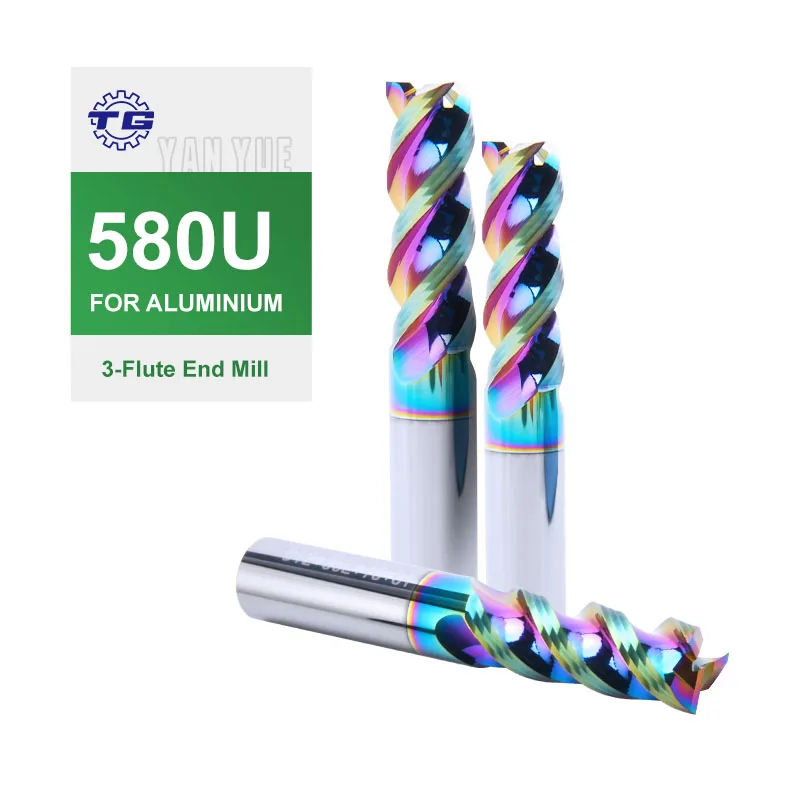
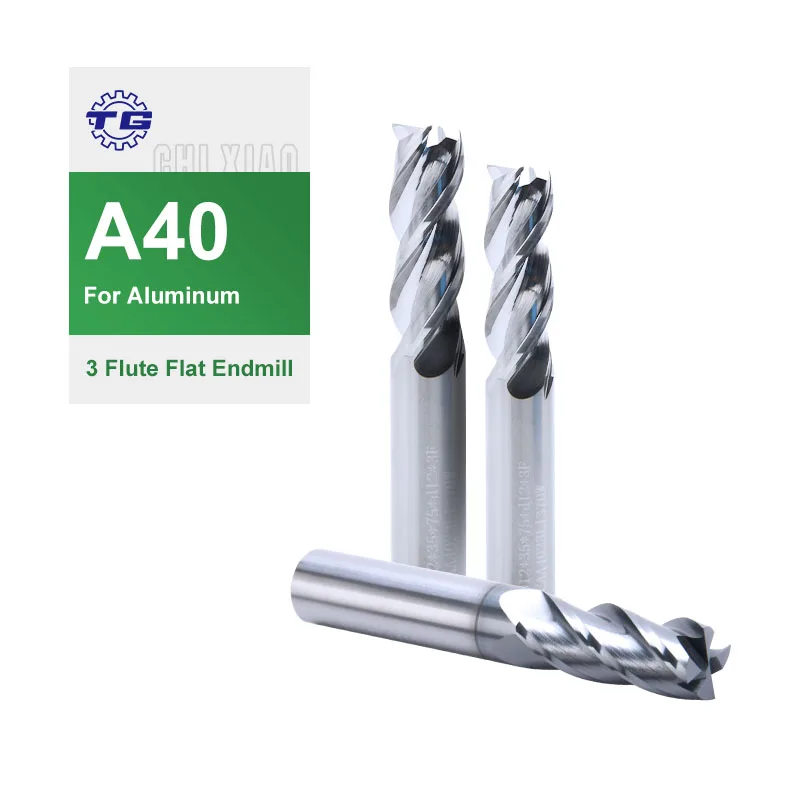
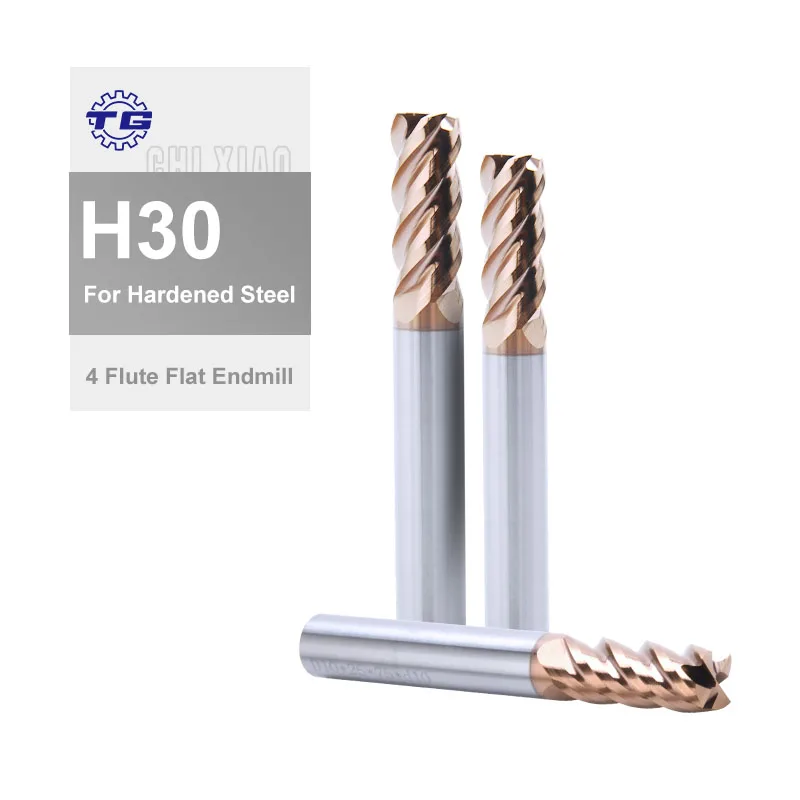
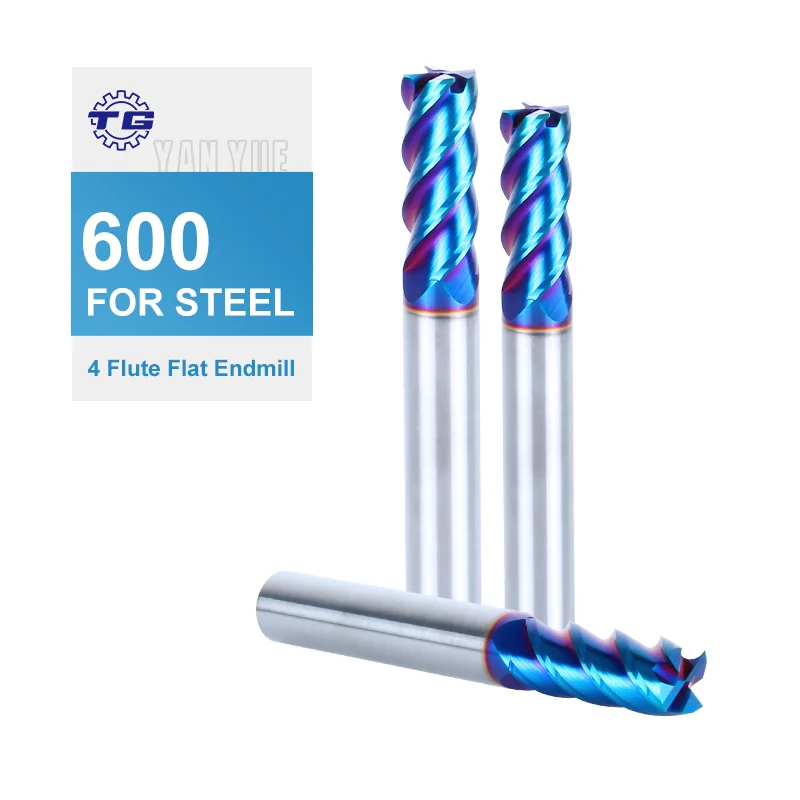
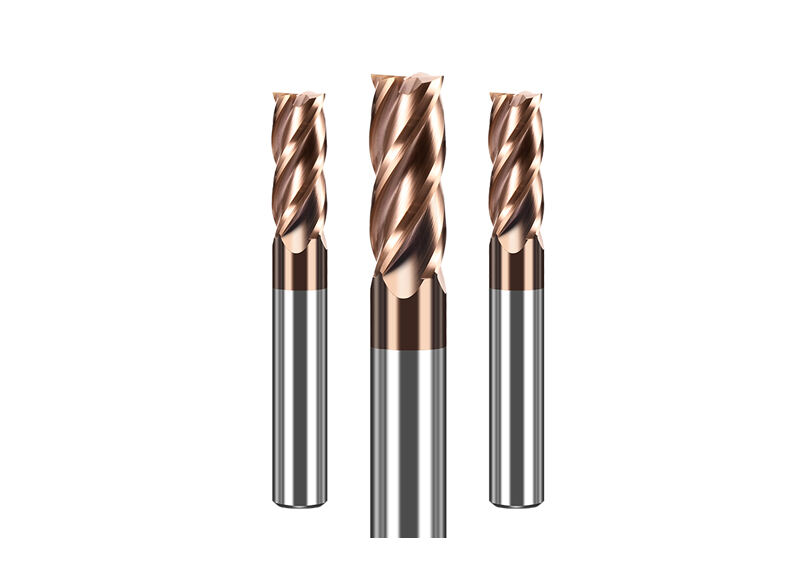
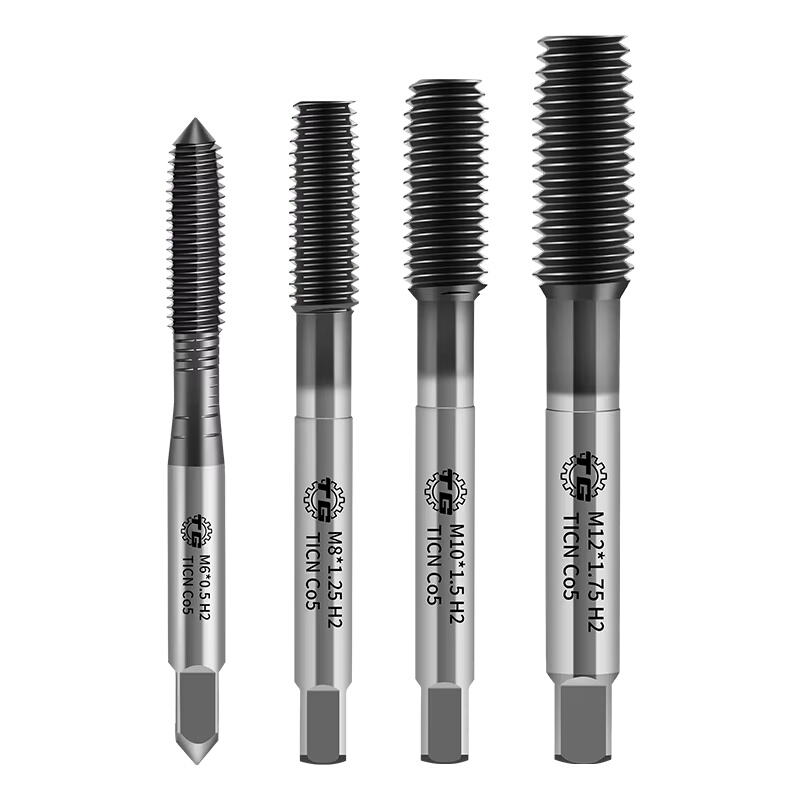
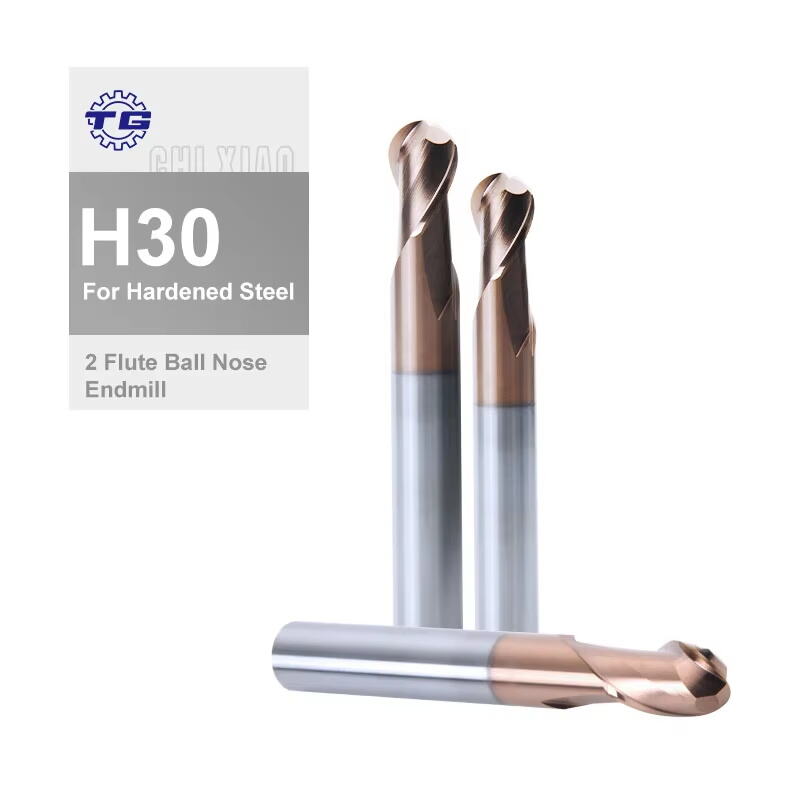
High speed steel tooling represents a cornerstone of modern manufacturing, offering exceptional performance in cutting, drilling, milling, and shaping operations across diverse industrial applications. This specialized tooling material combines iron with precise amounts of tungsten, molybdenum, chromium, vanadium, and cobalt to create cutting implements that maintain their hardness even at elevated temperatures. High speed steel tooling excels in environments where conventional carbon steel tools would quickly lose their cutting edge due to frictional heat generation. The metallurgical composition of high speed steel tooling enables it to withstand temperatures up to 600 degrees Celsius without losing temper, making it ideal for high-speed machining operations. Manufacturing facilities worldwide rely on high speed steel tooling for producing components with tight tolerances and superior surface finishes. The versatility of this tooling extends from automotive manufacturing to aerospace engineering, from metalworking shops to woodworking facilities. High speed steel tooling encompasses various forms including drill bits, end mills, reamers, taps, dies, saw blades, and lathe tools. Each configuration delivers specific functional advantages tailored to particular machining requirements. The heat treatment process for high speed steel tooling involves careful austenitizing, quenching, and tempering cycles that develop optimal microstructure for cutting performance. This results in tools that combine hardness, toughness, and wear resistance in proportions unmatched by many alternative materials. High speed steel tooling maintains sharp cutting edges longer than standard steel alternatives, reducing downtime for tool changes and maintaining consistent production quality. The material's ability to be reground and resharpened multiple times provides excellent long-term value for manufacturing operations. Modern high speed steel tooling incorporates advanced powder metallurgy techniques and coating technologies that further enhance performance characteristics, enabling faster cutting speeds, improved chip evacuation, and extended tool life across challenging machining applications.


New Product Recommendations

Choosing high speed steel tooling delivers tangible benefits that directly impact your production efficiency and bottom line. First and foremost, these tools maintain their cutting ability at speeds that would destroy ordinary steel implements, allowing you to complete machining operations faster without sacrificing quality. This speed advantage translates directly into increased throughput, enabling you to process more parts per shift and meet demanding production schedules. The exceptional heat resistance of high speed steel tooling means your cutting edges stay sharp longer during continuous operation, reducing the frequency of tool changes that interrupt workflow and decrease productivity. When you do need to service your high speed steel tooling, the material responds well to resharpening procedures, allowing multiple reconditioning cycles that extend useful tool life far beyond disposable alternatives. This resharpening capability significantly reduces your tooling costs over time, as a single high speed steel tooling piece can often replace dozens of cheaper alternatives throughout its service life. The toughness inherent in high speed steel tooling provides resistance to chipping and fracturing during interrupted cuts or when encountering hard spots in workpiece materials, preventing costly tool failures that can damage parts and machinery. Your operators will appreciate how high speed steel tooling performs predictably across various materials, from soft aluminum alloys to hardened steels, simplifying tool selection and reducing inventory complexity. The dimensional stability of properly heat-treated high speed steel tooling ensures consistent part dimensions throughout production runs, minimizing scrap rates and rework requirements. Manufacturing flexibility improves because high speed steel tooling handles diverse cutting operations effectively, reducing the need for specialized tools for different materials or processes. The widespread availability of high speed steel tooling in standard sizes and configurations means you can quickly obtain replacements from multiple suppliers, avoiding production delays from tooling shortages. Surface finish quality improves when using sharp high speed steel tooling, often eliminating secondary finishing operations that add time and expense to manufacturing processes. The proven track record of high speed steel tooling across decades of industrial use provides confidence in performance reliability, while continuous material improvements incorporate modern metallurgical advances that enhance traditional advantages with contemporary capabilities, giving your operation access to time-tested dependability enhanced by cutting-edge technology.

Practical Tips

What is high speed steel and how does it work?

30

Dec

What is high speed steel and how does it work?

High speed steel represents one of the most significant innovations in metallurgy and machining technology. This specialized alloy has revolutionized manufacturing processes across countless industries, enabling precision cutting operations at speeds...
View More
How to extend the lifespan of high-speed steel cutting tools?

20

Jan

How to extend the lifespan of high-speed steel cutting tools?

Modern manufacturing industries demand exceptional accuracy and efficiency in their machining operations, making steel precision cutting tools an indispensable component of successful production processes. These specialized instruments represent the ...
View More
Why Do Milling Cutters Break and How to Prevent It?

10

Feb

Why Do Milling Cutters Break and How to Prevent It?

Manufacturing precision relies heavily on the performance and reliability of cutting tools, with the milling cutter serving as one of the most critical components in modern machining operations. Despite their robust design and engineering excellence,...
View More
When should you use high speed steel cutting tools?

31

Mar

When should you use high speed steel cutting tools?

High speed steel cutting tools have revolutionized modern machining operations since their introduction in the early 1900s. These specialized alloys offer exceptional hardness, wear resistance, and heat tolerance that make them indispensable in vario...
View More

Get a Free Quote

Our representative will contact you soon.
Email
Mobile
Name
Company Name
Message
0/1000

high speed steel tooling

Superior Heat Resistance Enables Faster Production

Superior Heat Resistance Enables Faster Production

The defining characteristic that sets high speed steel tooling apart from conventional cutting tools is its remarkable ability to maintain hardness and cutting performance at elevated temperatures generated during high-speed machining operations. This heat resistance stems from the carefully balanced alloy composition featuring tungsten, molybdenum, chromium, vanadium, and cobalt elements that form stable carbides within the steel matrix. These carbide particles resist softening at temperatures where ordinary tool steels would lose their temper and cutting ability. When you operate high speed steel tooling at optimal cutting speeds, frictional heat at the tool-workpiece interface can reach 500 to 600 degrees Celsius, yet the cutting edge retains sufficient hardness to continue shearing material effectively. This capability allows manufacturing operations to run cutting speeds two to three times faster than possible with carbon steel tools, dramatically reducing cycle times for drilling, milling, turning, and threading operations. The productivity gains multiply across your entire production schedule, enabling completion of more parts within the same shift duration. High speed steel tooling transforms machining economics by allowing aggressive material removal rates without premature tool failure, making previously time-consuming operations economically viable. The heat treatment protocols developed for high speed steel tooling create a microstructure optimized for thermal stability, with fine carbide dispersion throughout a tough martensitic matrix that resists thermal softening. This metallurgical structure explains why high speed steel tooling continues performing reliably during extended cutting operations that generate sustained heat buildup, where inferior materials would quickly dull and require replacement. Your machining operations benefit from consistent cutting performance throughout the tool life span, maintaining part quality from first cut to final resharpening. The thermal capabilities of high speed steel tooling also enable dry machining in many applications, eliminating coolant costs and environmental concerns associated with cutting fluid disposal. Modern coating technologies applied to high speed steel tooling substrates further enhance thermal performance, with titanium nitride, titanium carbonitride, and aluminum titanium nitride layers providing additional heat barriers that extend tool life and permit even higher cutting speeds in demanding applications.
Exceptional Toughness Prevents Costly Tool Failures

Exceptional Toughness Prevents Costly Tool Failures

Beyond heat resistance, high speed steel tooling delivers outstanding toughness that protects against chipping, cracking, and catastrophic failure during demanding machining operations. This mechanical resilience proves essential when cutting conditions involve interruptions, vibration, hard material inclusions, or unexpected load variations that would fracture more brittle tool materials. The toughness of high speed steel tooling results from its balanced composition and proper heat treatment that develops a microstructure combining hard wear-resistant carbides with a resilient matrix capable of absorbing impact stresses. Manufacturing operations particularly value this toughness when machining castings that may contain sand inclusions, forgings with scale layers, or interrupted surfaces where cutting edges repeatedly enter and exit the workpiece material. High speed steel tooling withstands these challenging conditions without edge chipping that would require immediate tool replacement and potentially damage workpiece surfaces. The financial implications of tool toughness extend beyond replacement costs to include prevention of scrapped parts, avoidance of machine damage from tool fragments, and elimination of production delays from unexpected tool failures. Your quality control benefits when high speed steel tooling maintains edge integrity throughout cutting operations, producing consistent surface finishes and dimensional accuracy without sudden degradation from tool damage. The toughness advantage becomes especially apparent in heavy-duty applications like gear cutting, broaching, and form tool operations where cutting forces reach maximum levels and tool breakage could prove catastrophic. High speed steel tooling for these applications combines sufficient hardness to resist wear with adequate toughness to prevent fracture, a balance difficult to achieve with alternative materials. The ability to reshape and customize high speed steel tooling through grinding operations also relies on this toughness, as brittle materials would crack during tool manufacturing processes. Your maintenance teams appreciate how high speed steel tooling responds predictably to resharpening procedures, allowing restoration of cutting edges through multiple service cycles without risk of heat checking or grinding cracks that would compromise tool integrity. The proven toughness of high speed steel tooling provides peace of mind for production managers scheduling critical manufacturing operations where tool failure could halt production lines serving multiple downstream processes, making reliability a key factor in tooling selection beyond simple performance specifications.
Cost-Effective Longevity Through Multiple Resharpening Cycles

Cost-Effective Longevity Through Multiple Resharpening Cycles

Perhaps the most economically significant advantage of high speed steel tooling lies in its capacity for multiple resharpening cycles that extend useful tool life far beyond initial dulling, delivering exceptional value throughout the total ownership period. Unlike disposable carbide inserts or single-use cutting tools, high speed steel tooling maintains its metallurgical properties through repeated grinding and reconditioning operations, allowing your maintenance department to restore cutting performance numerous times before tool retirement becomes necessary. This resharpening capability transforms tooling economics from a recurring consumable expense into a capital investment that delivers returns through extended service. The microstructure of properly heat-treated high speed steel tooling remains stable during careful grinding operations, with carbide particles and matrix properties unchanged by removal of worn material from cutting edges and flank surfaces. Your tool room can restore high speed steel tooling to like-new cutting performance using conventional grinding equipment, requiring only basic skills and standard procedures rather than specialized machinery or complex processes. This accessibility to resharpening services, whether performed in-house or through external tool service providers, ensures continuous availability of sharp cutting tools without dependence on supply chains for replacement purchases. The cumulative cost savings from resharpening high speed steel tooling multiple times typically reduces effective tool cost per part to a fraction of disposable alternatives, improving manufacturing profitability especially for high-volume production operations. Environmental benefits also accrue from extended tool life through resharpening, as reduced material consumption and waste generation align with sustainability objectives increasingly important to modern manufacturing enterprises. The gradual wear pattern of high speed steel tooling provides clear indicators when resharpening becomes necessary, allowing planned tool changes during scheduled maintenance rather than emergency replacements during production runs. Your production planning benefits from predictable tool life that enables accurate scheduling of tool changes and resharpening cycles, minimizing unexpected downtime and maintaining consistent manufacturing flow. Quality considerations also favor resharpenable high speed steel tooling, as your team can maintain optimal cutting edge geometry throughout tool life, ensuring consistent part quality rather than accepting gradual performance degradation inherent with non-resharpenable alternatives. The accumulated experience base for resharpening high speed steel tooling spans decades of industrial practice, providing proven procedures and widely available expertise that reduces risk and uncertainty in tool management programs, making this traditional material a contemporary choice for forward-thinking manufacturers seeking reliable, economical, and sustainable cutting tool solutions.
high speed steel tooling-0
high speed steel tooling-1

Get a Free Quote

Our representative will contact you soon.
Email
Mobile
Name
Company Name
Message
0/1000