high speed steel cutting tools
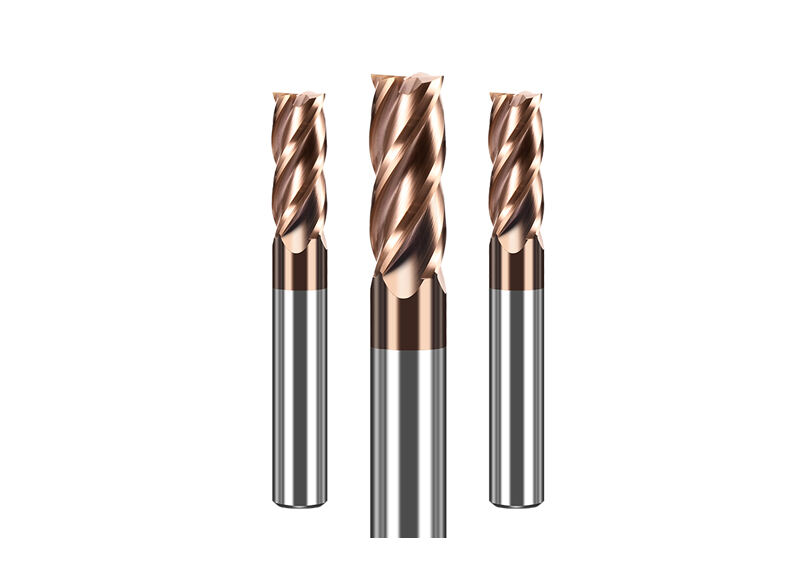
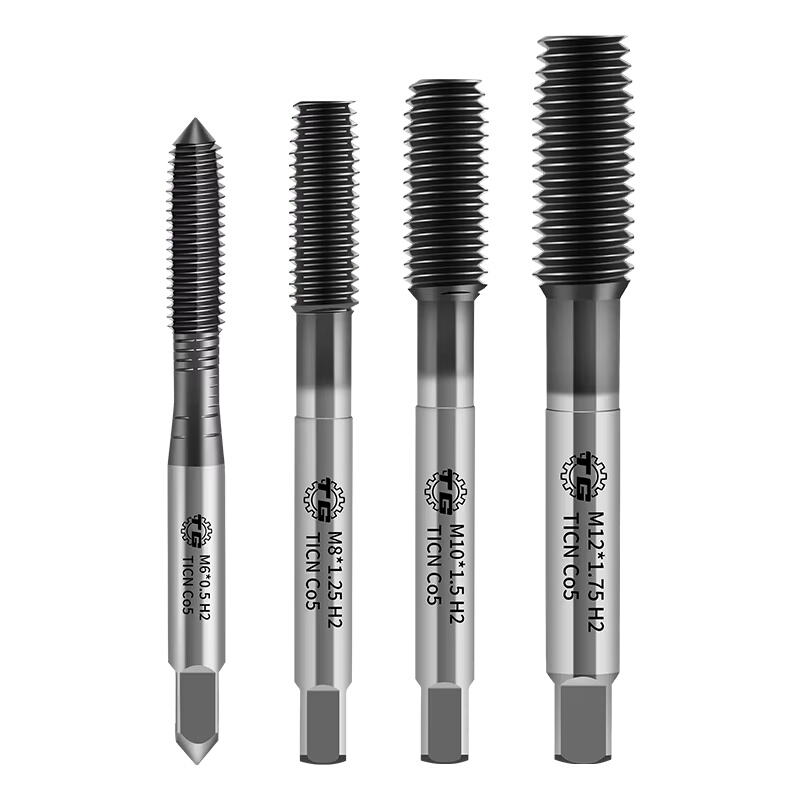
High speed steel cutting tools represent a cornerstone of modern manufacturing and metalworking operations, delivering exceptional performance across diverse industrial applications. These precision-engineered instruments are manufactured from high speed steel, a specialized alloy containing tungsten, molybdenum, chromium, vanadium, and cobalt in carefully balanced proportions. The primary function of high speed steel cutting tools is to remove material from workpieces through controlled cutting, drilling, milling, turning, and shaping operations. These tools maintain their hardness and cutting edge integrity even when exposed to elevated temperatures generated during high-velocity machining processes. The technological features that distinguish high speed steel cutting tools include superior heat resistance, allowing them to operate effectively at temperatures exceeding 600 degrees Celsius without losing their temper. The alloy composition creates a microstructure with fine carbide particles distributed throughout a tough matrix, providing both wear resistance and impact strength. High speed steel cutting tools undergo specialized heat treatment processes including hardening, tempering, and sometimes cryogenic treatment to optimize their mechanical properties. Applications for high speed steel cutting tools span virtually every manufacturing sector, from automotive component production to aerospace engineering, construction equipment fabrication to precision instrument manufacturing. These tools excel in producing threads, drilling holes in various materials including steel, aluminum, brass, and plastics, creating slots and keyways, and performing general machining operations. Manufacturing facilities rely on high speed steel cutting tools for production runs requiring consistent dimensional accuracy and surface finish quality. The versatility of high speed steel cutting tools makes them indispensable for both large-scale industrial operations and smaller workshops where tool changeovers must be minimized. Their ability to be reground and resharpened multiple times provides extended service life, making them economically attractive for cost-conscious operations while maintaining production standards.

 EN
EN