Contact me immediately if you encounter problems!

All Categories

cnc milling tools

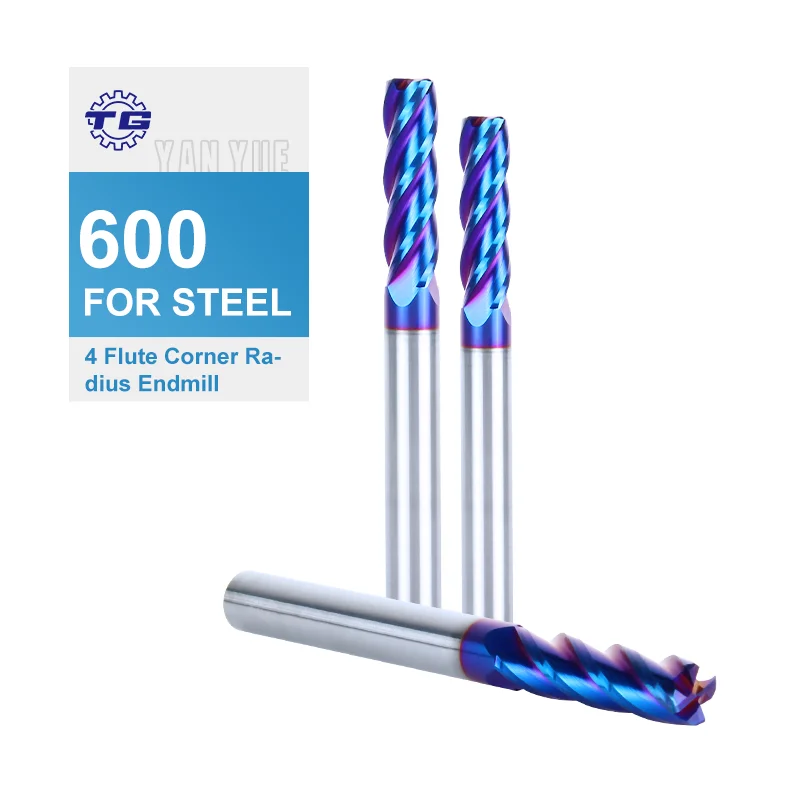
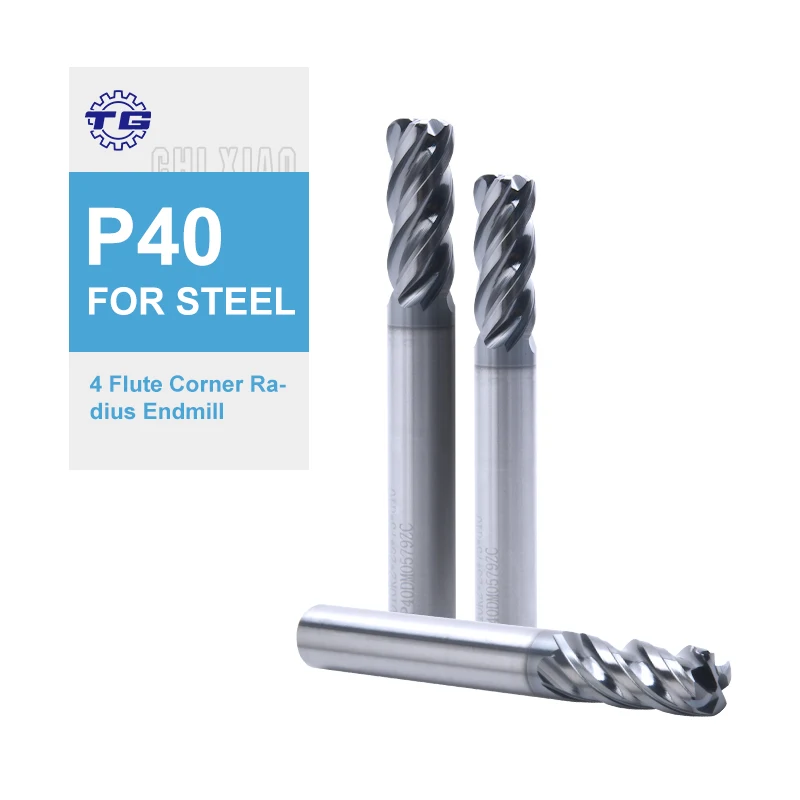
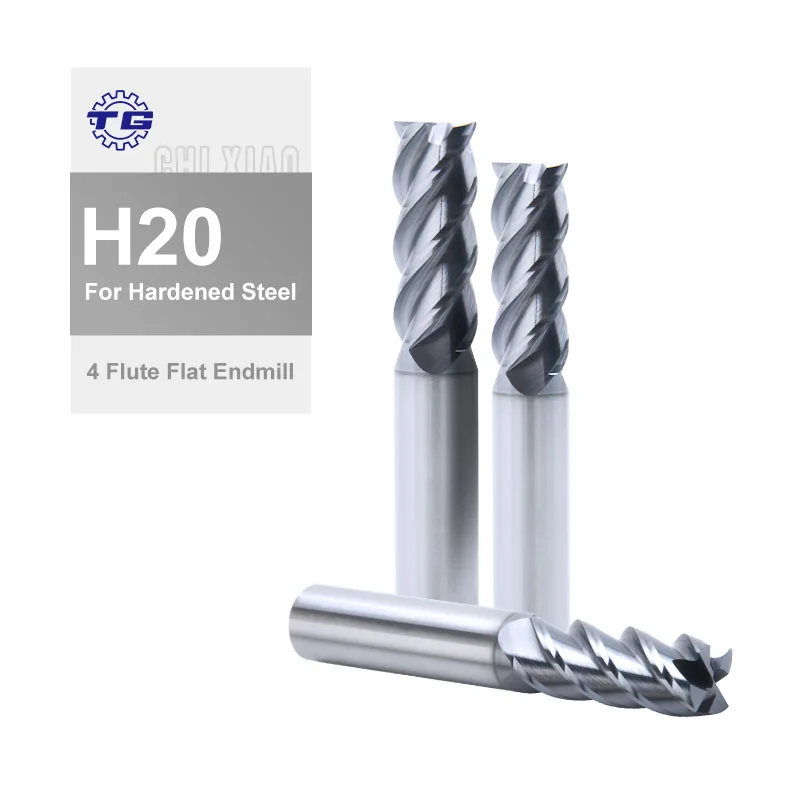
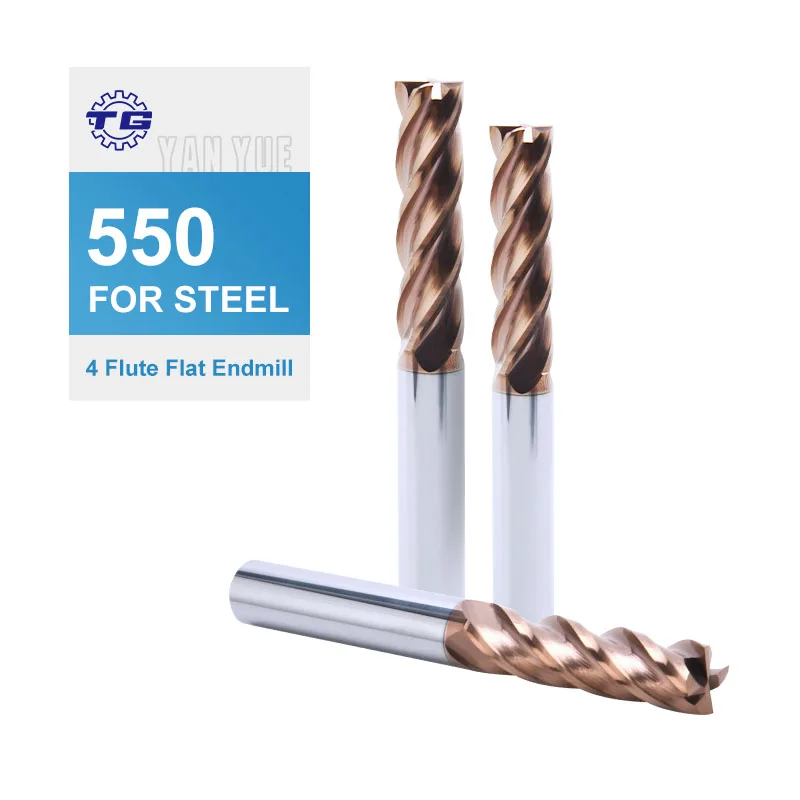
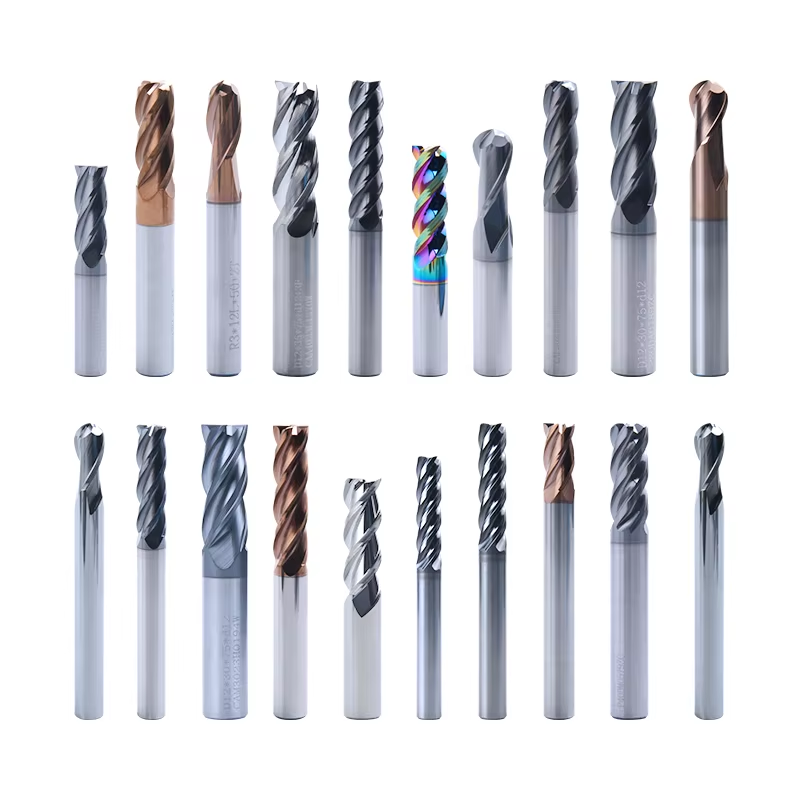
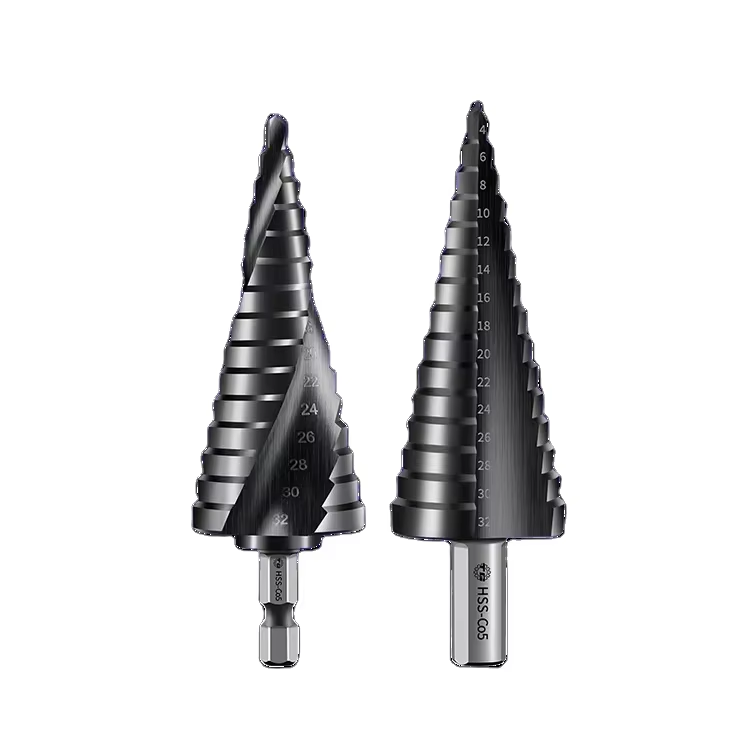
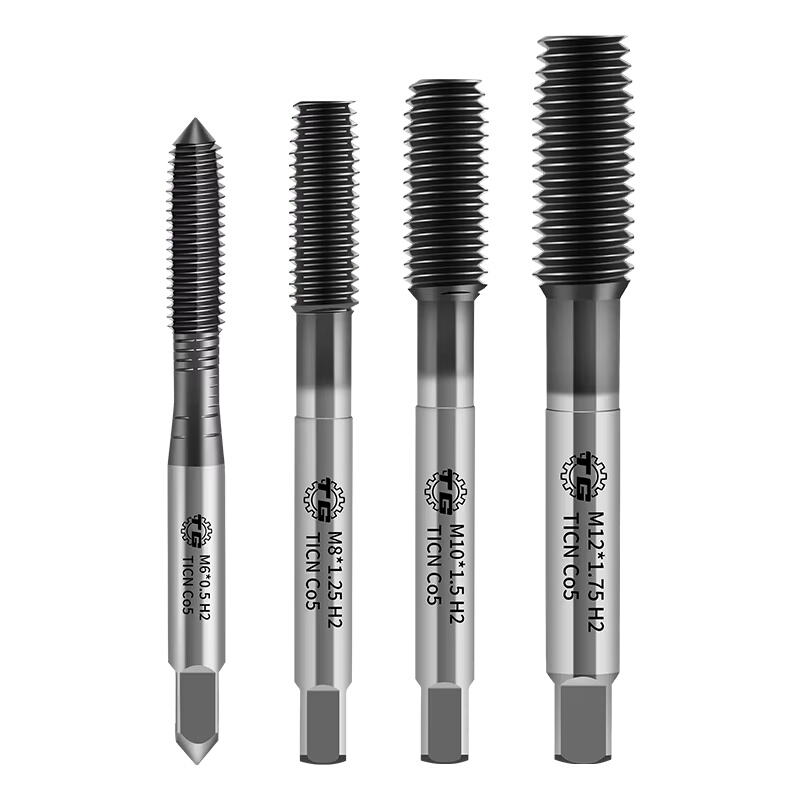
CNC milling tools represent a revolutionary advancement in modern manufacturing technology, providing precision machining capabilities that transform raw materials into finished components with exceptional accuracy. These sophisticated cutting instruments are specifically designed to work with computer numerical control milling machines, enabling manufacturers to produce complex parts with consistent quality and remarkable efficiency. CNC milling tools encompass a diverse range of cutting implements, including end mills, face mills, ball nose cutters, drill bits, and specialized form tools, each engineered to perform specific machining operations. The main functions of CNC milling tools include material removal through rotary cutting, creating precise geometries, generating smooth surface finishes, and producing intricate three-dimensional shapes that would be impossible to achieve with conventional manual machining methods. Technologically, these tools feature advanced coating materials such as titanium nitride, titanium aluminum nitride, and diamond-like carbon, which significantly enhance wear resistance and extend tool lifespan. The cutting edges are manufactured using precision grinding techniques that ensure optimal geometry for efficient chip evacuation and reduced cutting forces. Modern CNC milling tools incorporate innovative designs such as variable helix angles, unequal indexing, and optimized flute configurations that minimize vibration and chatter during high-speed machining operations. Applications for CNC milling tools span across numerous industries, including aerospace manufacturing where they produce critical engine components and structural parts, automotive production for creating engine blocks and transmission housings, medical device fabrication for surgical instruments and implants, electronics manufacturing for precision housings and heat sinks, and mold-making industries for creating injection molds and die-casting tools. The versatility of CNC milling tools allows manufacturers to work with various materials, from soft aluminum and plastics to hardened steels, titanium alloys, and exotic superalloys, making them indispensable in contemporary manufacturing environments where precision, repeatability, and efficiency are paramount requirements for competitive success.


New Product Releases

Investing in quality CNC milling tools delivers substantial practical benefits that directly impact your manufacturing operations and bottom line profitability. First and foremost, these precision instruments dramatically increase production speed compared to traditional machining methods, allowing you to complete projects faster and take on more orders without compromising quality standards. The exceptional accuracy of CNC milling tools ensures that every part meets exact specifications consistently, reducing the waste associated with defective products and minimizing costly material losses that can erode profit margins. Your operators will appreciate how these tools simplify complex machining tasks, reducing the skill level required for many operations and decreasing training time for new employees. The durability and longevity of modern CNC milling tools mean you will replace cutting instruments less frequently, lowering your ongoing operational expenses and reducing downtime associated with tool changes during production runs. These tools enable you to achieve superior surface finishes directly from the machining process, often eliminating secondary finishing operations that consume additional time and resources. The versatility of CNC milling tools allows your facility to handle diverse projects without maintaining extensive inventories of specialized equipment, optimizing your capital investment in tooling. Enhanced chip evacuation designs prevent material buildup that could damage workpieces or compromise dimensional accuracy, protecting your valuable production materials. The predictable performance characteristics of quality CNC milling tools enable better production planning and more accurate job quoting, improving your ability to meet delivery commitments and maintain customer satisfaction. Reduced vibration and chatter during cutting operations extend the life of both the tools and your milling machines themselves, protecting your capital equipment investments. Modern coating technologies on CNC milling tools permit higher cutting speeds and feeds, increasing material removal rates and boosting overall productivity without sacrificing part quality. The consistent performance of these tools reduces the need for frequent quality inspections, streamlining your production workflow and reducing labor costs associated with quality control processes. You gain the flexibility to switch between different materials and project types quickly, responding to market demands and customer requirements with agility that provides competitive advantages. The precision of CNC milling tools minimizes the need for secondary operations like grinding or hand finishing, reducing total production time per part and improving throughput. These tools help you maintain tighter tolerances than conventional methods, opening opportunities to serve industries with demanding specifications and premium pricing structures that enhance profitability.

Latest News

How do different drill bit materials affect performance?

30

Dec

How do different drill bit materials affect performance?

Understanding the relationship between drill bit materials and their performance characteristics is crucial for professionals working in manufacturing, construction, and metalworking industries. The material composition of a drill bit directly influe...
View More
Which drill bit type works best for concrete projects?

30

Dec

Which drill bit type works best for concrete projects?

Selecting the right drill bit for concrete projects can make the difference between a successful installation and a frustrating experience filled with broken tools and damaged materials. Concrete drilling requires specialized equipment designed to ha...
View More
Which Shapes of Carbide Inserts Are Best for Steel?

28

Feb

Which Shapes of Carbide Inserts Are Best for Steel?

When machining steel components, selecting the appropriate carbide inserts for steel becomes critical for achieving optimal performance, tool life, and surface finish quality. The geometry and shape of these cutting tools directly influence chip form...
View More
Why Endmills Are Crucial in CNC Milling Operations

28

Feb

Why Endmills Are Crucial in CNC Milling Operations

CNC milling operations form the backbone of modern manufacturing, transforming raw materials into precision components that power industries worldwide. At the heart of these sophisticated machining processes lie endmills, cutting tools that define th...
View More

Get a Free Quote

Our representative will contact you soon.
Email
Mobile
Name
Company Name
Message
0/1000

cnc milling tools

Precision Engineering for Unmatched Accuracy and Consistency

Precision Engineering for Unmatched Accuracy and Consistency

The precision engineering inherent in CNC milling tools represents one of their most valuable characteristics for manufacturers seeking to elevate their production capabilities and meet increasingly demanding quality standards. Every aspect of these cutting instruments is meticulously designed and manufactured to tolerances measured in micrometers, ensuring that each tool performs exactly as specified across thousands of cutting operations. This extraordinary precision begins with the base material selection, where manufacturers utilize premium carbide substrates with carefully controlled grain structures that provide optimal hardness, toughness, and thermal stability during demanding machining operations. The grinding processes used to create cutting edges employ advanced CNC grinding machines with multi-axis capabilities that generate complex geometries with flawless accuracy, ensuring that rake angles, relief angles, and cutting edge radii meet exact specifications that optimize cutting performance. This precision directly translates to superior part accuracy in your production environment, where CNC milling tools maintain dimensional tolerances that satisfy the most stringent engineering requirements across aerospace, medical, and precision instrument manufacturing sectors. The consistency of precision-engineered CNC milling tools means that you can confidently run production batches knowing that the first part and the thousandth part will meet identical specifications, eliminating the variation that plagues less sophisticated tooling systems. This reliability reduces your quality control burden significantly, as statistical process control becomes more straightforward when tool performance remains stable and predictable throughout extended production runs. The precision of these tools enables you to achieve positioning accuracy that creates perfectly concentric holes, perpendicular surfaces, and symmetrical features without manual adjustments or compensations that consume valuable production time. For manufacturers working with expensive materials like titanium alloys or precious metals, the precision of CNC milling tools minimizes material waste by ensuring that parts are machined correctly the first time, avoiding costly scrapped components that directly impact profitability. The geometric accuracy built into these tools also ensures optimal chip formation and evacuation, preventing the chip-related problems that can damage surface finishes or create dimensional errors in less precisely manufactured cutting implements. This level of precision extends to the coating application processes, where advanced physical vapor deposition techniques create uniform coating thicknesses that enhance performance predictability and extend tool life consistently across your entire tool inventory.
Advanced Coating Technologies for Extended Tool Life and Performance

Advanced Coating Technologies for Extended Tool Life and Performance

The sophisticated coating technologies applied to modern CNC milling tools deliver transformative benefits that substantially reduce your operating costs while simultaneously improving machining performance across diverse applications and materials. These advanced surface treatments represent the culmination of decades of materials science research, employing processes like physical vapor deposition and chemical vapor deposition to create ultra-thin layers of exotic compounds that fundamentally alter the surface properties of cutting tools. Titanium aluminum nitride coatings provide exceptional oxidation resistance that allows cutting edges to withstand the extreme temperatures generated during high-speed machining operations, preventing thermal degradation that would otherwise rapidly destroy uncoated tools. Diamond-like carbon coatings create exceptionally smooth, low-friction surfaces that reduce cutting forces and minimize adhesion of workpiece materials, particularly beneficial when machining aluminum alloys and other non-ferrous metals prone to built-up edge formation that compromises surface quality. Aluminum titanium nitride coatings excel in high-temperature applications, maintaining hardness and wear resistance at temperatures exceeding 800 degrees Celsius, enabling you to increase cutting speeds and feeds for improved productivity without sacrificing tool longevity. The multilayer coating architectures employed in premium CNC milling tools combine different coating materials in alternating thin layers that create interfaces which impede crack propagation, dramatically improving toughness and resistance to catastrophic failure during interrupted cuts and unstable machining conditions. These coating technologies extend tool life by factors of three to five compared to uncoated alternatives, meaning you purchase replacement tools far less frequently, reducing both direct tooling costs and the indirect expenses associated with production interruptions for tool changes. Extended tool life also contributes to improved part quality consistency, as tools maintain their original geometry and cutting edge sharpness longer, producing parts with uniform dimensions and surface finishes throughout extended production runs. The enhanced thermal resistance of coated CNC milling tools permits dry or minimum quantity lubrication machining strategies that eliminate or dramatically reduce cutting fluid usage, lowering costs while addressing environmental concerns and improving workplace conditions by reducing operator exposure to cutting fluid mists. For manufacturers producing components from difficult-to-machine materials like stainless steels, nickel-based superalloys, or hardened tool steels, advanced coatings make previously impractical operations economically viable by providing the wear resistance and chemical stability necessary to machine these challenging materials efficiently. The color-coding aspect of different coating types also provides practical shop-floor benefits, allowing operators to quickly identify appropriate tools for specific applications, reducing setup errors and improving overall operational efficiency in busy production environments.
Versatile Design Options for Comprehensive Manufacturing Solutions

Versatile Design Options for Comprehensive Manufacturing Solutions

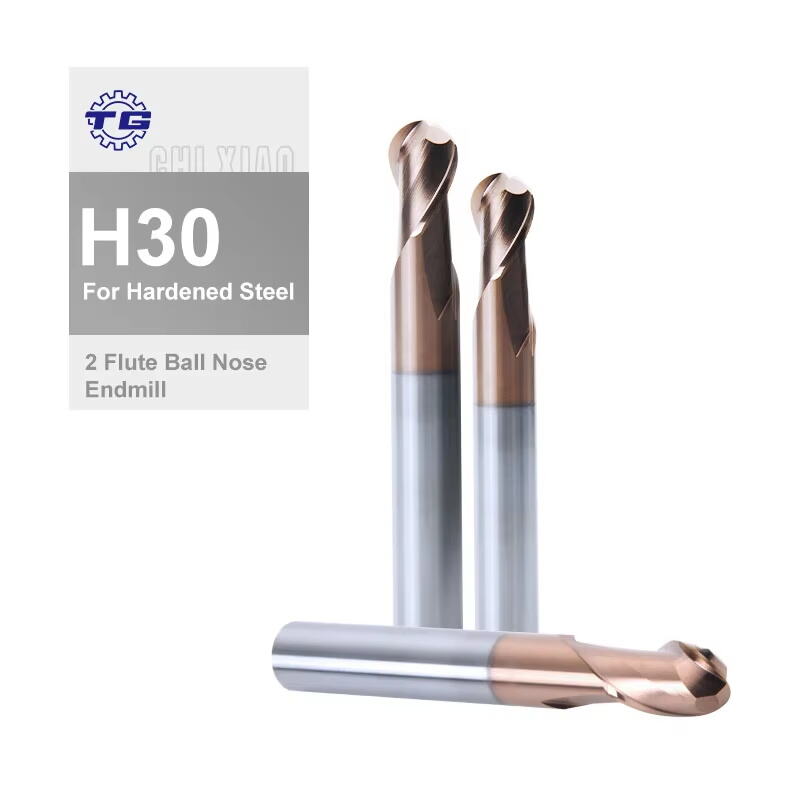
The remarkable versatility embedded in CNC milling tools design options empowers manufacturers to address virtually any machining challenge with optimized cutting solutions tailored to specific operational requirements and material characteristics. This versatility manifests across multiple dimensions, beginning with the extensive range of tool geometries available, from standard end mills with two or four flutes to specialized designs featuring six, eight, or more flutes for finishing operations requiring exceptional surface quality. Ball nose end mills provide the capability to machine complex three-dimensional contours and sculptured surfaces essential in mold manufacturing, die production, and aerospace component fabrication, while corner radius end mills combine the efficiency of square end mills with the strength advantages of radiused corners that resist chipping in demanding applications. Roughing end mills incorporate serrated cutting edges that break chips into manageable segments, enabling aggressive material removal rates during preliminary machining operations that prepare workpieces for subsequent finishing passes. The variety of shank configurations accommodates different machine tool interfaces and workholding requirements, with straight shanks, Weldon flats, and taper shanks providing secure mounting options that prevent slippage during heavy cutting operations. Variable helix and variable pitch designs available in premium CNC milling tools actively dampen vibrations that would otherwise compromise surface finish quality and dimensional accuracy, particularly valuable when machining thin-walled components or working with extended tool overhangs necessary for deep cavity machining. This design versatility extends to specialized tools engineered for specific materials, with dedicated geometries and coating combinations optimized for aluminum, providing sharp cutting edges and polished flutes that prevent material adhesion, while tools designed for hardened steels feature more robust edge preparations and wear-resistant coatings that withstand the abrasive nature of these demanding materials. Modular tooling systems within the CNC milling tools category offer additional versatility by allowing manufacturers to combine different cutting heads with various arbors and extensions, creating custom tool assemblies that address unique machining situations without requiring extensive inventories of solid tools for every conceivable application. Thread mills represent another versatile category of CNC milling tools that enable the production of threaded features in materials too hard or too brittle for conventional tapping operations, while providing the flexibility to create multiple thread sizes with a single tool, significantly reducing tooling inventory requirements. High-feed milling tools designed with shallow cutting angles enable extremely high table feed rates during facing operations, dramatically reducing cycle times for large surface area machining tasks common in mold making and aerospace structural component production. The versatility of CNC milling tools allows manufacturers to optimize their machining strategies by selecting tools that balance productivity, tool life, and part quality according to the specific priorities of each production scenario, whether emphasizing rapid prototyping, high-volume production, or precision finishing operations. This comprehensive range of design options ensures that regardless of your industry, material requirements, or geometric complexity challenges, appropriate CNC milling tools exist to deliver efficient, cost-effective solutions that meet your manufacturing objectives while maintaining the quality standards your customers demand.
cnc milling tools-0
cnc milling tools-1

Get a Free Quote

Our representative will contact you soon.
Email
Mobile
Name
Company Name
Message
0/1000