Contact me immediately if you encounter problems!

All Categories

cnc and laser cutting

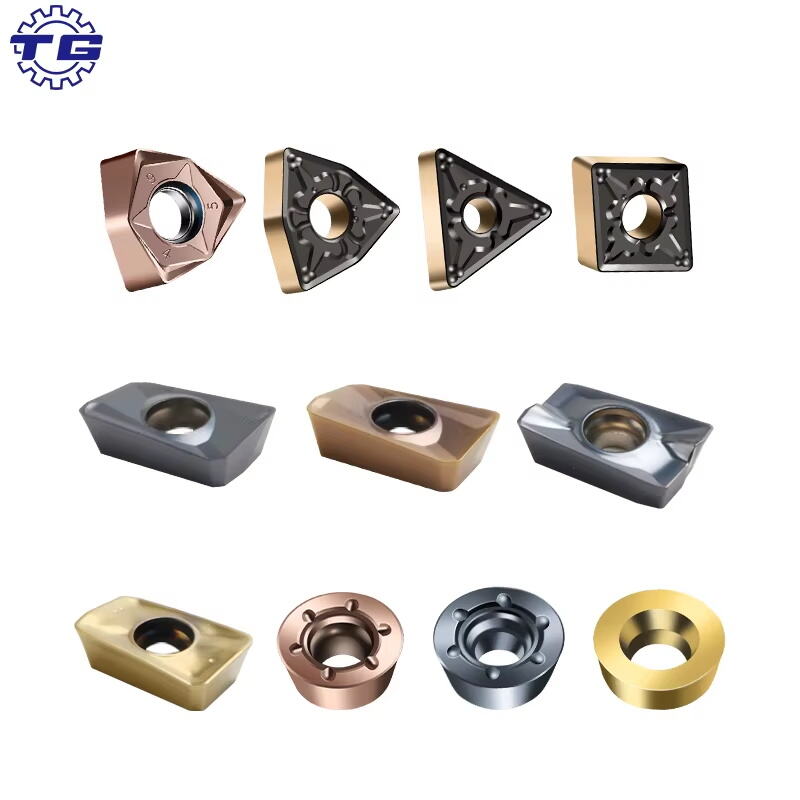
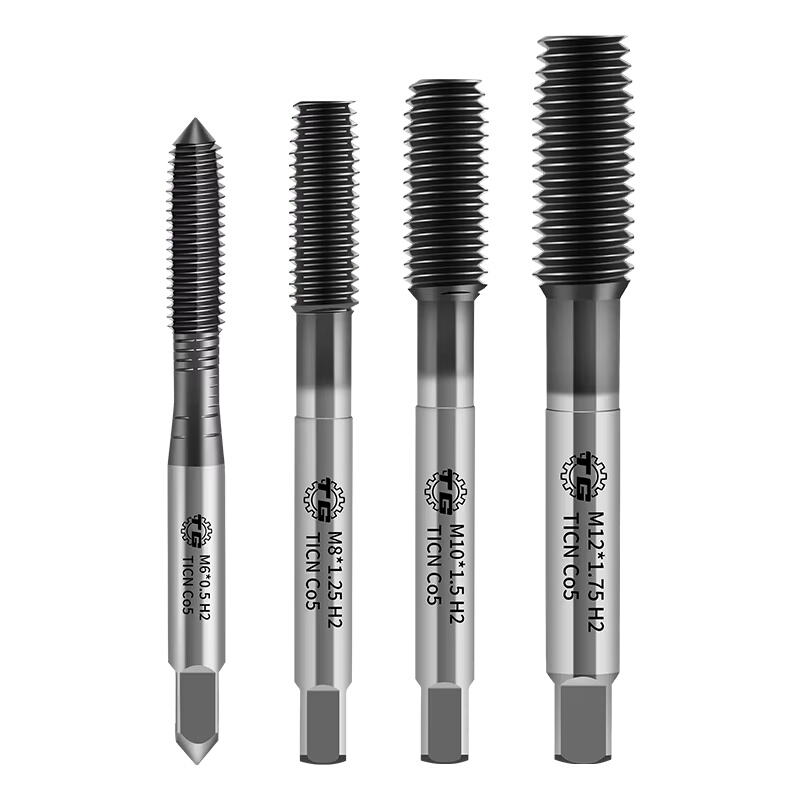
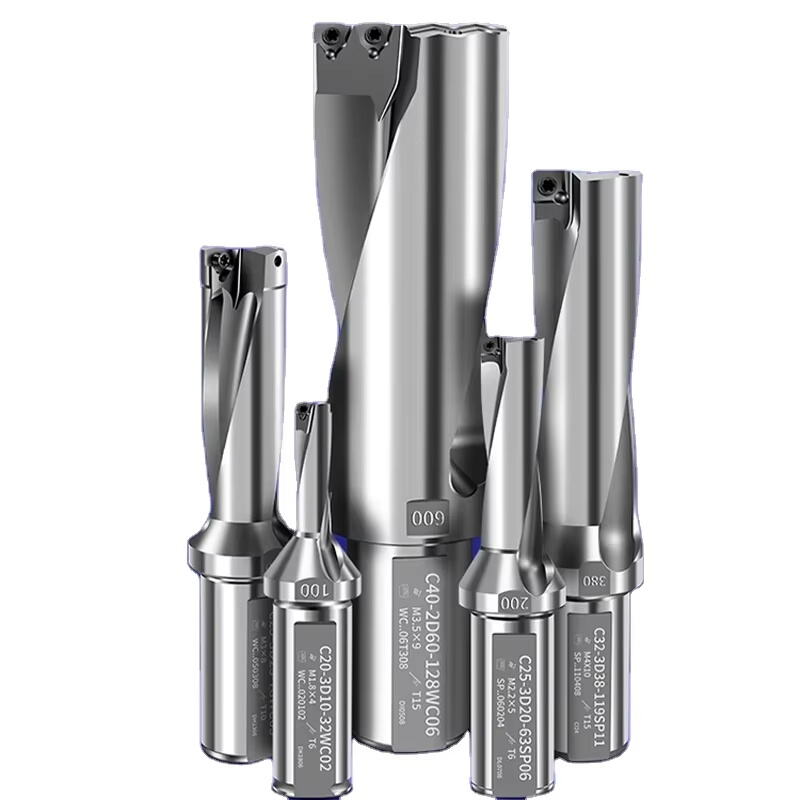
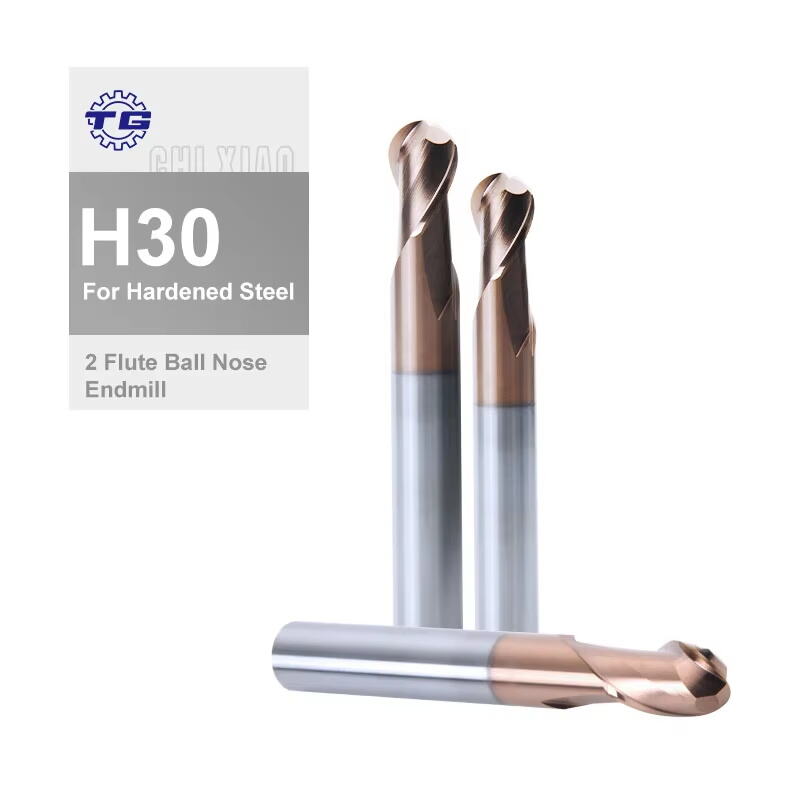
CNC and laser cutting represent two of the most transformative manufacturing technologies available today, revolutionizing how businesses create precise components and products across countless industries. CNC, which stands for Computer Numerical Control, involves the automated control of machining tools through programmed computer commands, while laser cutting uses a high-powered laser beam to slice through materials with exceptional accuracy. Together, these technologies offer manufacturers unprecedented control over the production process, enabling the creation of complex designs that would be impossible or prohibitively expensive using traditional methods. CNC and laser cutting systems excel at producing parts with tight tolerances, often achieving precision within thousandths of an inch. The main functions of CNC and laser cutting include cutting, engraving, drilling, and shaping various materials such as metals, plastics, wood, composites, and fabrics. CNC machines operate using multiple axes of movement, typically three to five axes, allowing tools to approach workpieces from different angles and create intricate three-dimensional shapes. Laser cutting technology focuses a concentrated beam of light onto a small area, generating intense heat that melts, burns, or vaporizes the material along a predetermined path. Technological features that distinguish CNC and laser cutting include their computer-aided design integration, which allows operators to convert digital blueprints directly into physical products with minimal manual intervention. Modern CNC and laser cutting equipment incorporates sophisticated software that optimizes cutting paths, reduces material waste, and predicts maintenance needs. These systems can store thousands of design files and switch between different projects quickly, making them ideal for both mass production and custom manufacturing. Applications for CNC and laser cutting span virtually every sector of modern manufacturing, from aerospace components requiring exacting specifications to personalized gifts and decorative items. Automotive manufacturers rely on CNC and laser cutting for engine parts, body panels, and interior components. The electronics industry uses these technologies to create circuit boards and device housings. Medical device manufacturers depend on the precision of CNC and laser cutting for surgical instruments and implants. Even the fashion industry has embraced laser cutting for creating intricate patterns in textiles. The versatility of CNC and laser cutting makes them indispensable tools for businesses seeking to maintain competitive advantages through quality, efficiency, and innovation.

Popular Products

The advantages of CNC and laser cutting extend far beyond simple precision, offering practical benefits that directly impact your bottom line and operational efficiency. First and foremost, these technologies deliver unmatched accuracy and consistency. When you invest in CNC and laser cutting, every part you produce matches your specifications exactly, eliminating the variations that plague manual manufacturing methods. This consistency means less waste, fewer rejected parts, and greater customer satisfaction. Your production becomes predictable and reliable, allowing you to confidently commit to delivery schedules and quality standards. Another significant advantage comes from the speed at which CNC and laser cutting systems operate. Once programmed, these machines work continuously without fatigue, producing parts at rates that manual operations simply cannot match. This increased throughput means you can fulfill larger orders, respond quickly to market demands, and reduce lead times for your customers. The automation inherent in CNC and laser cutting also frees your skilled workforce from repetitive tasks, allowing them to focus on design, quality control, and other value-added activities that require human judgment and creativity. Cost savings represent another compelling advantage of CNC and laser cutting technologies. While the initial investment may seem substantial, the long-term economics prove overwhelmingly favorable. These systems reduce labor costs by automating processes that would otherwise require multiple operators. They minimize material waste through optimized cutting paths and nesting algorithms that arrange parts efficiently on raw material sheets. Maintenance costs remain relatively low because modern CNC and laser cutting equipment features robust construction and predictive maintenance capabilities. Energy efficiency has improved dramatically in recent generations of these machines, further reducing operational expenses. The flexibility offered by CNC and laser cutting provides tremendous strategic advantages for your business. You can easily switch between different products by loading new programs, making small batch production economically viable. This capability allows you to offer customization options that differentiate your products in competitive markets. You can prototype new designs quickly and inexpensively, testing market response before committing to large production runs. The ability to work with diverse materials means you can expand your product offerings without purchasing entirely new equipment. Safety improvements constitute another practical benefit that should not be overlooked. CNC and laser cutting systems encapsulate dangerous operations within protective housings, reducing workplace injuries. Automated material handling minimizes the physical strain on workers, decreasing repetitive stress injuries and improving overall workplace health. The precision of these technologies also reduces the need for secondary operations like grinding or deburring, which often present safety hazards. Quality improvements achieved through CNC and laser cutting enhance your reputation and reduce costly warranty claims. The repeatability of these processes means that quality control becomes simpler and more effective, as you can identify and correct issues at the programming stage rather than discovering defects after production. This proactive approach to quality management protects your brand and builds customer loyalty.

Practical Tips

How to Choose the Right Milling Cutter for Your Project?

10

Feb

How to Choose the Right Milling Cutter for Your Project?

Selecting the appropriate milling cutter for your machining project is a critical decision that directly impacts production efficiency, surface finish quality, and overall manufacturing costs. Whether you're working with aluminum, steel, or exotic al...
View More
What are the main uses of tungsten carbide?

28

Feb

What are the main uses of tungsten carbide?

Tungsten carbide represents one of the most versatile and durable materials in modern industrial applications, combining exceptional hardness with remarkable wear resistance. This compound material, formed by combining tungsten and carbon atoms in eq...
View More
What are the differences between high-speed steel and carbide tools?

31

Mar

What are the differences between high-speed steel and carbide tools?

Manufacturing professionals constantly face critical decisions about cutting tool selection, with material choice being perhaps the most fundamental consideration. The choice between high-speed steel and carbide tools directly impacts machining perfo...
View More
Why Advanced Holemaking Methods Improve Product Quality

31

Mar

Why Advanced Holemaking Methods Improve Product Quality

Manufacturing precision directly correlates with product quality, and nowhere is this relationship more evident than in holemaking operations. Advanced holemaking methods represent a significant evolution from traditional drilling techniques, offerin...
View More

Get a Free Quote

Our representative will contact you soon.
Email
Mobile
Name
Company Name
Message
0/1000

cnc and laser cutting

Precision Engineering That Transforms Manufacturing Capabilities

Precision Engineering That Transforms Manufacturing Capabilities

The precision capabilities of CNC and laser cutting represent a quantum leap forward in manufacturing technology, offering tolerances and accuracy levels that redefine what is possible in production environments. When you implement CNC and laser cutting systems, you gain the ability to create parts with dimensional accuracy measured in micrometers, a level of precision that manual methods cannot approach consistently. This extraordinary accuracy stems from the fundamental nature of how CNC and laser cutting operate. Computer control eliminates human error from the equation, ensuring that every movement, every cut, and every operation follows the programmed specifications exactly. The laser beam itself measures only fractions of a millimeter in diameter, allowing it to create intricate details and fine features that would be impossible with traditional cutting tools. CNC machines use precision ball screws, linear guides, and servo motors that position cutting tools with incredible repeatability, meaning that the thousandth part you produce will be identical to the first. This precision delivers tangible benefits that extend throughout your entire operation. Complex geometries that once required multiple setups and operations can now be completed in a single programmed sequence, reducing handling time and eliminating the cumulative errors that occur when parts are repositioned. Tight-fitting assemblies become achievable without extensive hand-fitting, reducing assembly time and improving product quality. The precision of CNC and laser cutting also enables lightweighting strategies, where material can be removed in precisely calculated amounts to reduce weight without compromising strength, a critical capability in aerospace and automotive applications. Medical device manufacturers particularly value the precision of CNC and laser cutting because their products often require biocompatible materials to be shaped into complex forms with exacting dimensions, where even minor deviations could affect functionality or patient safety. Electronics manufacturers benefit from the ability to create precise holes, slots, and cutouts in circuit boards and housings, ensuring proper fit and electrical performance. Jewelers and artists use CNC and laser cutting to realize intricate designs that showcase their creativity while maintaining the dimensional accuracy necessary for functional items like clasps and settings. The precision advantage of CNC and laser cutting also manifests in reduced post-processing requirements, as parts emerge from these machines with smooth edges and accurate dimensions that often require no further refinement, saving time and money while accelerating your time to market.
Versatility Across Materials and Applications

Versatility Across Materials and Applications

The remarkable versatility of CNC and laser cutting systems enables manufacturers to work with an extraordinary range of materials and applications, making these technologies suitable for businesses across virtually every industry sector. This adaptability represents one of the most valuable characteristics of CNC and laser cutting, as it allows you to respond to changing market demands and explore new product opportunities without investing in completely different equipment. CNC and laser cutting excel at processing metals including steel, stainless steel, aluminum, brass, copper, and titanium, handling thicknesses from thin foils to substantial plates depending on the specific machine configuration and laser power. Beyond metals, these technologies cut plastics like acrylic, polycarbonate, ABS, and PET with clean edges that often require no further finishing. Wood and wood composites, including plywood, MDF, and hardwoods, can be precisely shaped for furniture components, architectural elements, and decorative items. Composite materials such as carbon fiber, fiberglass, and Kevlar, which present challenges for conventional cutting methods due to their layered structure and abrasive properties, yield readily to laser cutting. Even textiles, leather, and rubber can be processed, opening applications in fashion, upholstery, and gasket manufacturing. This material versatility means that CNC and laser cutting systems can serve multiple product lines within your facility, maximizing equipment utilization and return on investment. The same machine that cuts steel brackets in the morning can switch to acrylic signage in the afternoon and wooden decorative panels in the evening, simply by loading different programs and adjusting parameters. This flexibility proves particularly valuable for contract manufacturers and job shops that serve diverse clients with varying material requirements. Application versatility complements material versatility, as CNC and laser cutting technologies adapt to everything from high-volume production of identical parts to one-off custom creations. Manufacturers use CNC and laser cutting for functional components that become part of larger assemblies, such as brackets, gears, panels, and housings. Artists and designers employ these same technologies to create sculptures, jewelry, and decorative pieces that showcase intricate details and complex patterns. Sign makers rely on laser cutting to produce dimensional letters and graphics from various materials. Architectural firms specify laser-cut screens, railings, and facade elements that combine aesthetic appeal with structural functionality. Educational institutions use CNC and laser cutting equipment to teach students manufacturing principles and design thinking. Makers and entrepreneurs leverage these technologies to prototype ideas and launch small-scale production of innovative products without massive capital investment, democratizing manufacturing in unprecedented ways.
Automation That Drives Efficiency and Profitability

Automation That Drives Efficiency and Profitability

The automation capabilities inherent in CNC and laser cutting technology fundamentally transform manufacturing operations, delivering efficiency improvements and profitability enhancements that provide substantial competitive advantages in today's fast-paced markets. When you deploy CNC and laser cutting systems, you are not simply purchasing machines but rather implementing comprehensive automation solutions that optimize every aspect of the production process from initial design through final part delivery. The automation journey begins with computer-aided design software that allows engineers and designers to create detailed digital models of parts and products, which then transfer directly to CNC and laser cutting systems without manual interpretation or translation. This seamless digital workflow eliminates transcription errors and dramatically accelerates the progression from concept to physical product. Modern CNC and laser cutting equipment features sophisticated nesting software that automatically arranges multiple parts on raw material sheets to maximize material utilization, reducing waste and lowering material costs significantly. These optimization algorithms consider part geometry, material properties, cutting sequences, and machine capabilities to generate efficient cutting plans that human operators would struggle to match even with extensive experience. Once production begins, CNC and laser cutting systems operate with minimal human intervention, following programmed instructions to complete complex cutting sequences that might involve thousands of individual movements and operations. Automated tool changers on CNC machines select appropriate cutting tools for different operations without stopping production, while laser cutting systems automatically adjust power levels and cutting speeds for different materials and thicknesses. This autonomy allows your machines to run unattended during breaks, overnight, and even over weekends with appropriate safety measures and monitoring systems in place, effectively multiplying your production capacity without proportionally increasing labor costs. Quality control automation represents another dimension of CNC and laser cutting efficiency, as modern systems incorporate sensors and monitoring capabilities that detect potential issues before they result in defective parts. Real-time monitoring of cutting forces, laser power, material position, and other parameters allows the system to make automatic adjustments or alert operators to conditions requiring attention. Some advanced CNC and laser cutting installations include automated measurement systems that verify part dimensions immediately after cutting, ensuring that specifications are met and providing data for statistical process control initiatives. The automation advantages of CNC and laser cutting extend to documentation and traceability, as these systems automatically log production data including program versions, material lots, cycle times, and operator identifications, creating comprehensive records that support quality management systems and customer requirements. This detailed data collection enables continuous improvement efforts by identifying bottlenecks, revealing optimization opportunities, and quantifying the impact of process changes.
cnc and laser cutting-0
cnc and laser cutting-1

Get a Free Quote

Our representative will contact you soon.
Email
Mobile
Name
Company Name
Message
0/1000