Exceptional Versatility Across Materials and Applications
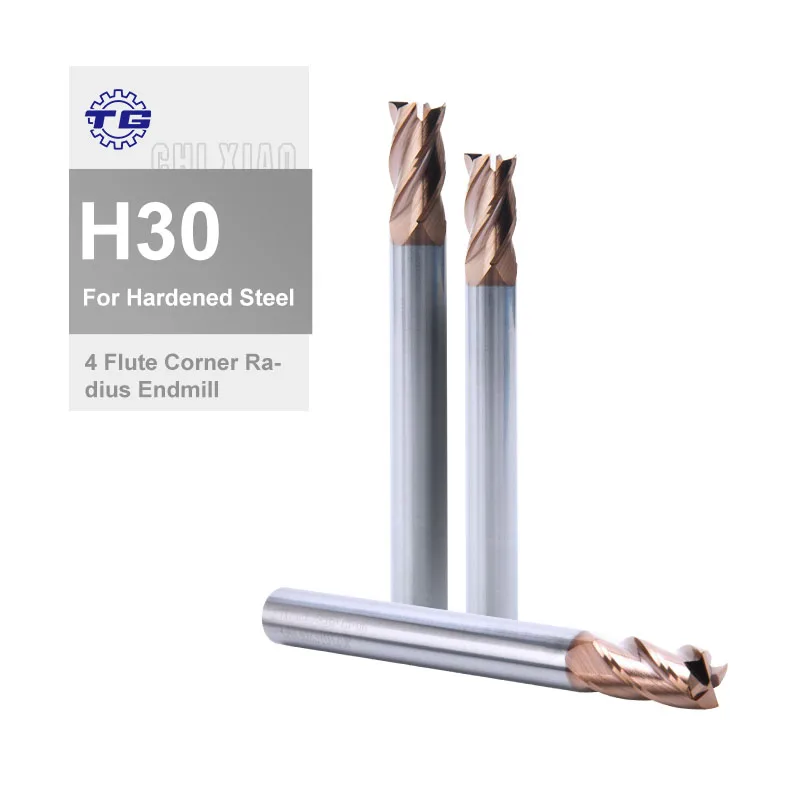
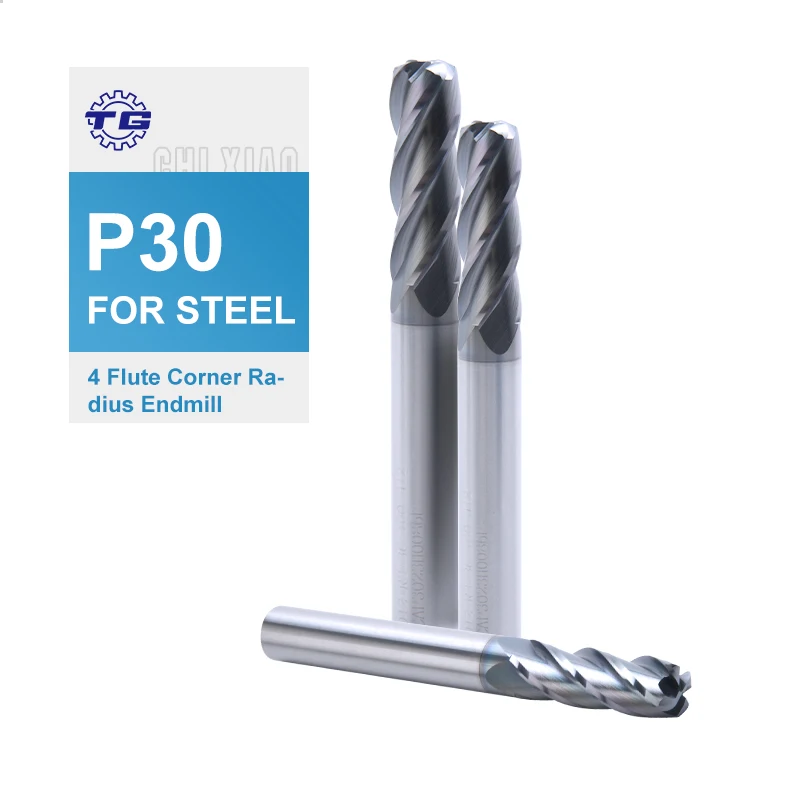
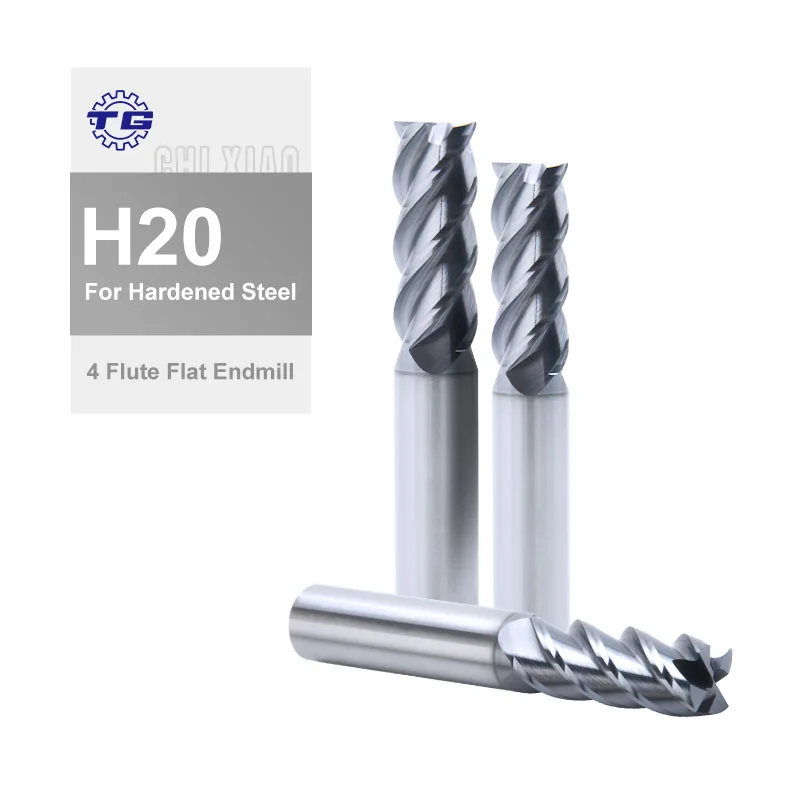
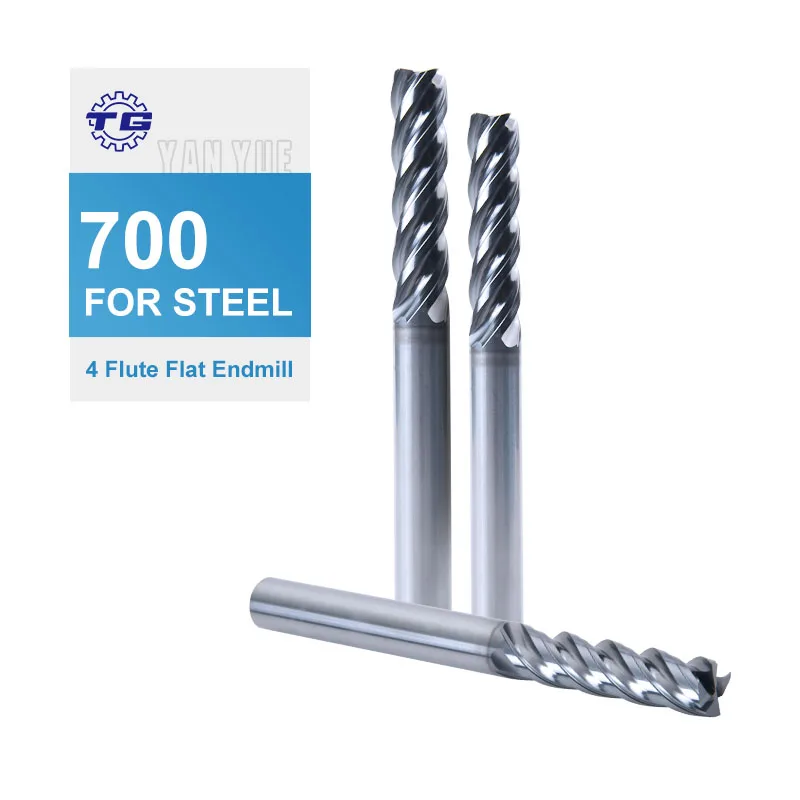
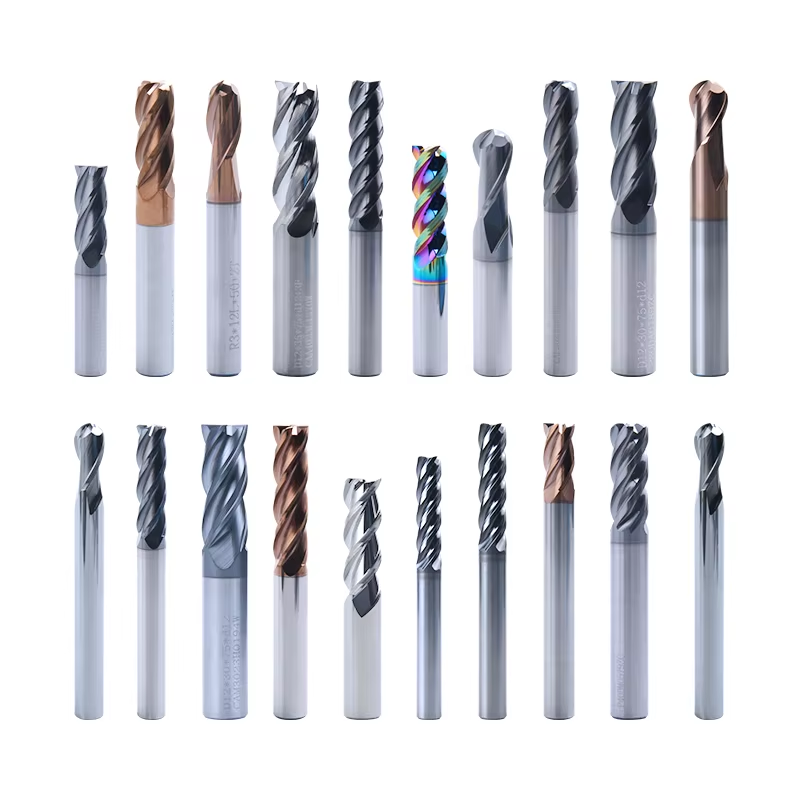
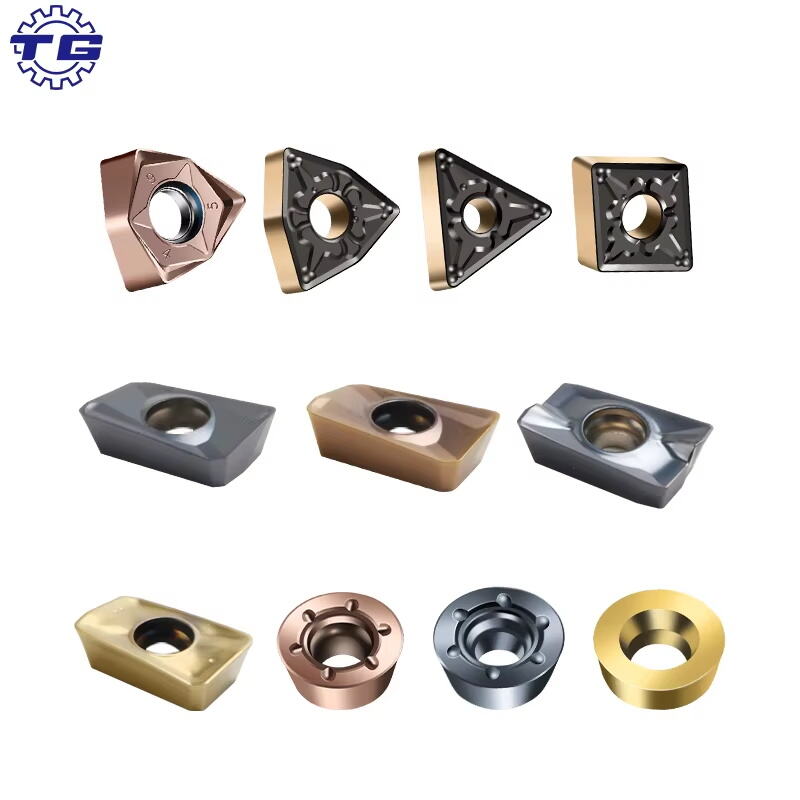
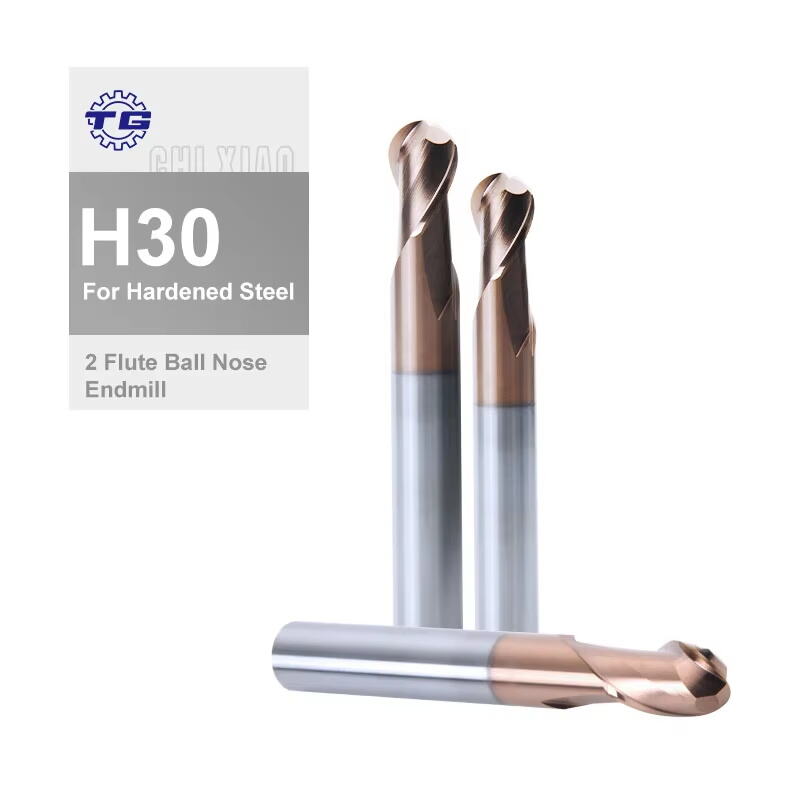
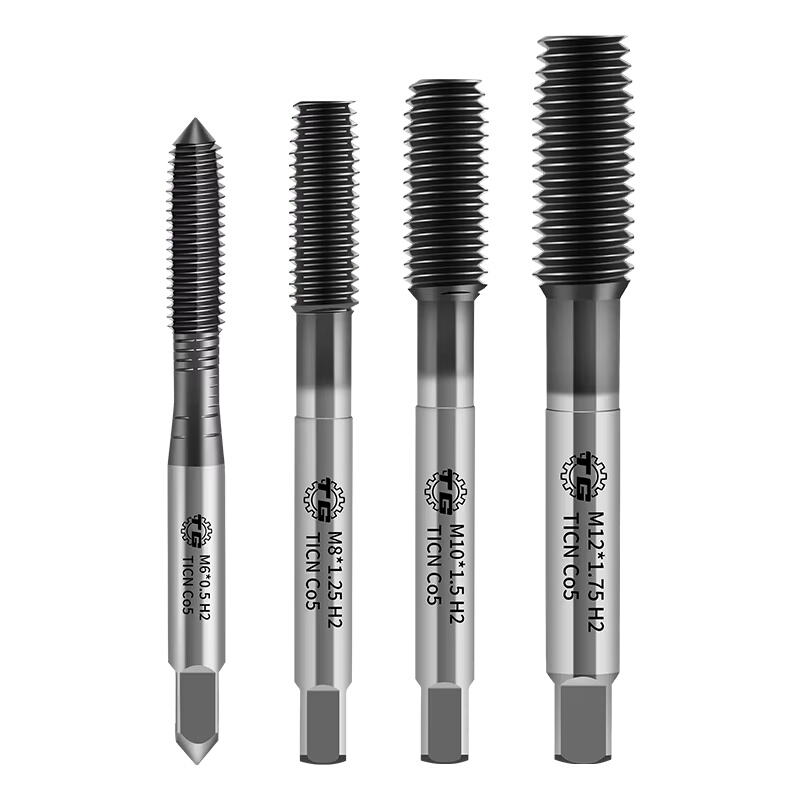
The remarkable versatility of carbide tools across diverse material types and machining applications provides manufacturers with unprecedented flexibility in production planning and operational efficiency. This adaptability stems from the availability of carbide grades formulated with varying cobalt binder content, grain sizes, and specialized coatings engineered to optimize performance characteristics for specific applications. Manufacturers can select from a comprehensive range of carbide tool options tailored for machining ferrous metals including carbon steels, alloy steels, and cast irons, non-ferrous materials such as aluminum alloys, copper, and brass, challenging stainless steel grades, exotic superalloys used in aerospace and power generation industries, and even non-metallic materials including plastics, composites, and graphite. This broad material compatibility eliminates the need to maintain extensive inventories of specialized tooling for different workpiece materials, simplifying procurement processes, reducing capital tied up in tool inventory, and minimizing storage space requirements. The consolidation of tooling varieties also reduces complexity in production planning since fewer tool type variations mean simplified setup procedures and reduced opportunities for selection errors that could result in tool failure or workpiece damage. Beyond material versatility, carbide tools accommodate diverse machining operations including turning operations on lathes, milling on vertical and horizontal machining centers, drilling for hole creation, boring for precision hole finishing, threading for fastener applications, and specialized operations such as grooving and parting. This operational flexibility means manufacturers can standardize on carbide tooling platforms across multiple machine types and production processes, leveraging volume purchasing advantages and developing concentrated expertise in carbide tool application rather than managing knowledge across numerous tooling technologies. The development of advanced coating technologies has further expanded carbide tool versatility by enhancing surface properties without compromising the underlying substrate benefits. Titanium nitride, titanium carbonitride, aluminum oxide, and diamond-like carbon coatings provide additional wear resistance, reduced friction, improved chip evacuation, and enhanced chemical stability when machining reactive materials, extending the already impressive performance envelope of carbide tools into even more demanding applications and enabling manufacturing operations to tackle previously problematic materials with confidence and predictable results.
 EN
EN