carbide mill bits
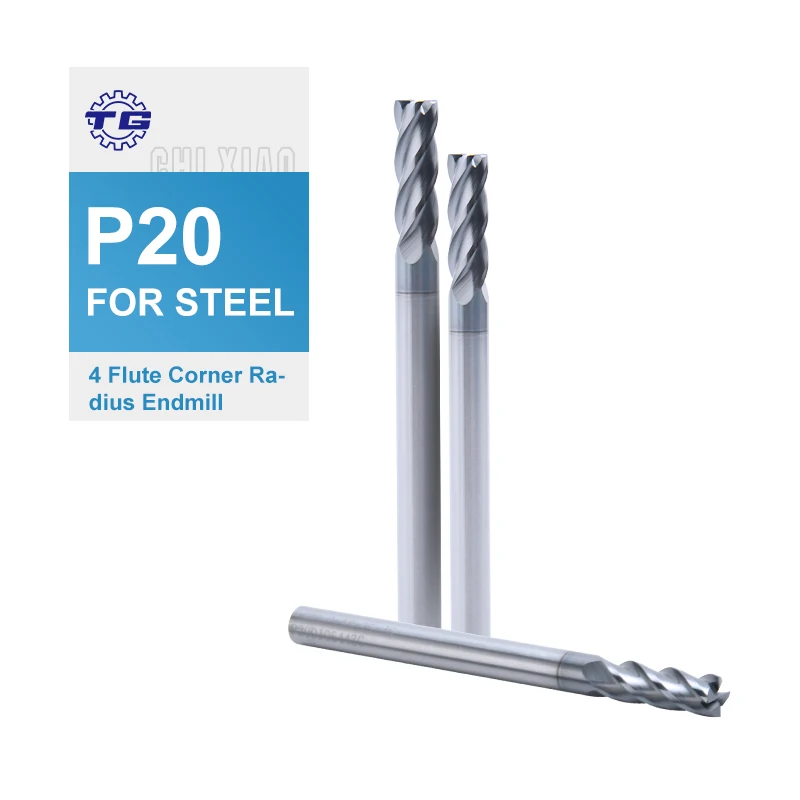
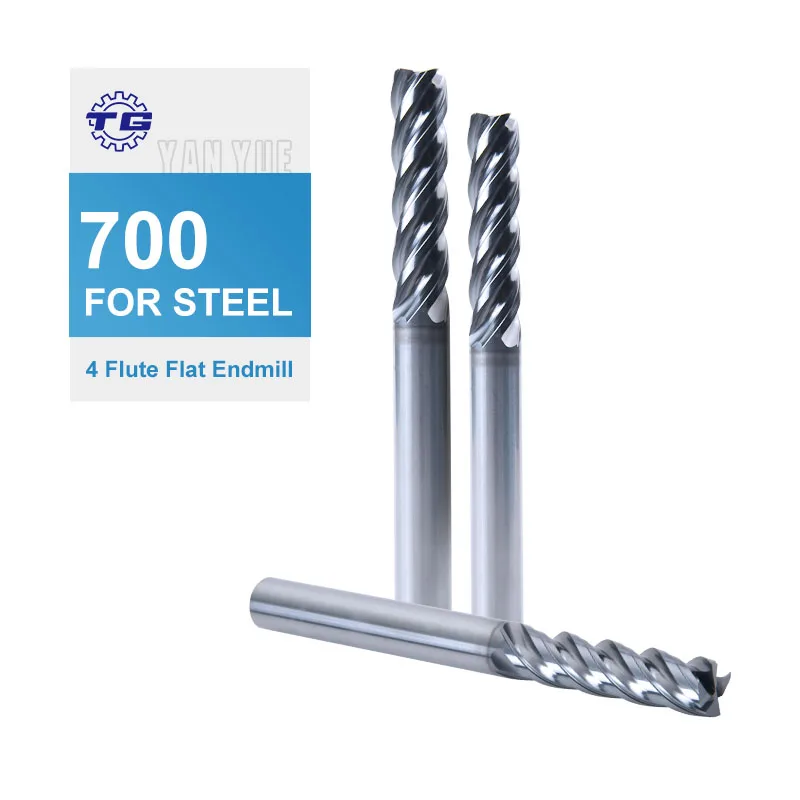
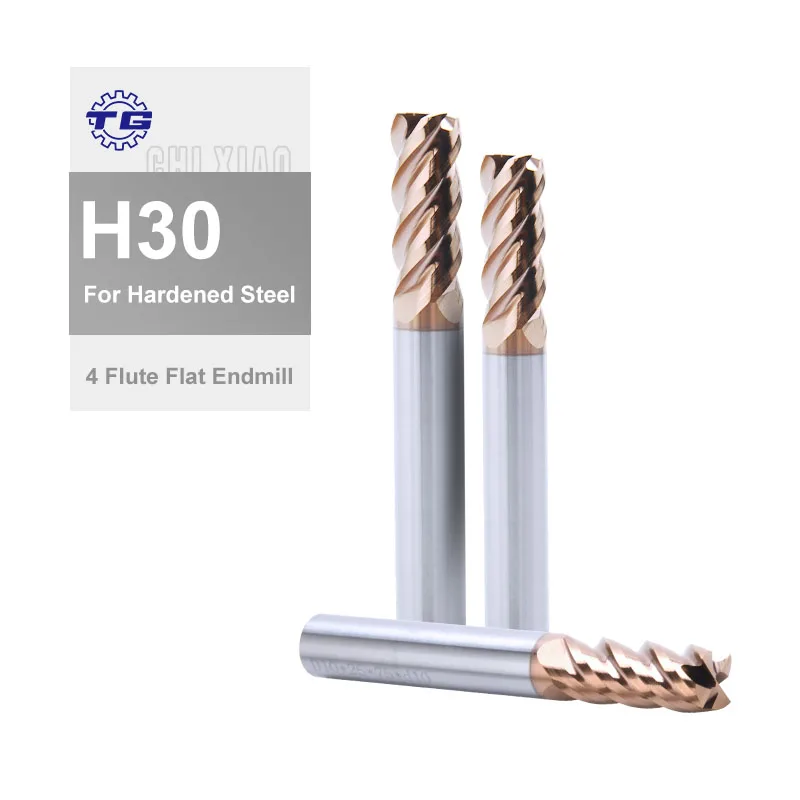
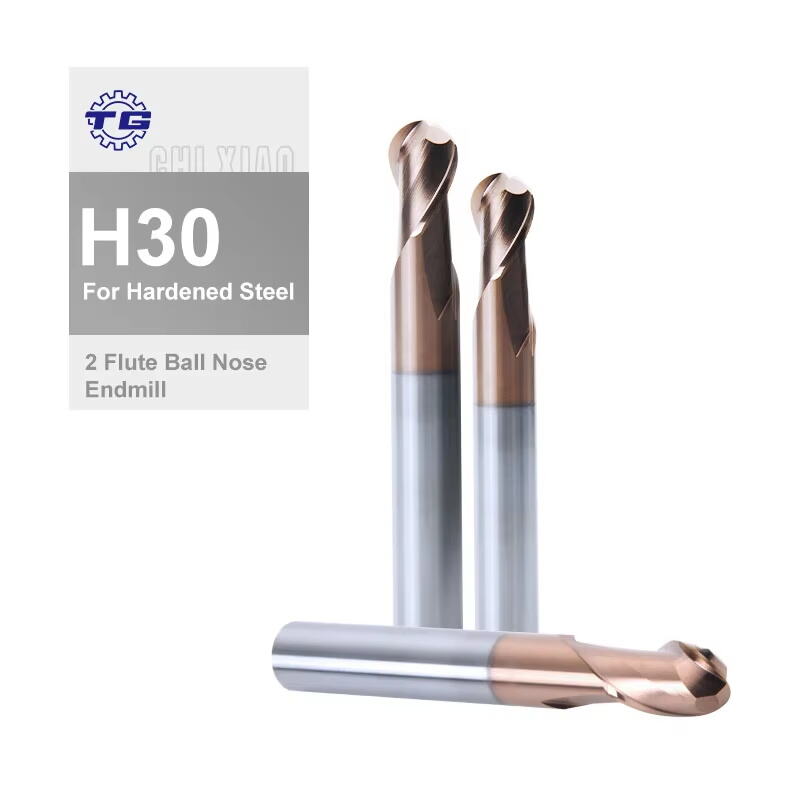
Carbide mill bits represent a revolutionary advancement in cutting tool technology, designed to deliver exceptional performance across diverse machining operations. These precision-engineered tools combine tungsten carbide substrate with advanced coating technologies to create cutting edges that withstand extreme temperatures and pressures during material removal processes. The primary function of carbide mill bits involves removing material from workpieces through rotary cutting motion, enabling manufacturers to achieve precise dimensions and superior surface finishes on various materials including steel, aluminum, titanium, plastics, and composite materials. The technological features of these tools include multiple flute designs that optimize chip evacuation, variable helix angles that reduce vibration and chatter, and specialized geometries tailored for specific operations such as slotting, profiling, contouring, and drilling. Modern carbide mill bits incorporate sophisticated coating systems like titanium aluminum nitride, diamond-like carbon, and aluminum titanium nitride that significantly extend tool life while maintaining cutting edge sharpness. These coatings create a protective barrier that reduces friction, prevents material adhesion, and dissipates heat effectively during high-speed machining. Applications for carbide mill bits span across aerospace manufacturing, automotive production, medical device fabrication, mold and die making, general engineering, and precision component manufacturing. Different end mill configurations serve specific purposes: square end mills for general milling and slotting, ball nose mills for three-dimensional contouring and sculpted surfaces, corner radius mills for strengthened edges and extended tool life, and roughing mills for rapid material removal during preliminary operations. The versatility of carbide mill bits makes them indispensable in both CNC machining centers and manual milling machines, accommodating production requirements from prototype development to high-volume manufacturing. Advanced manufacturing techniques ensure consistent quality, precise tolerances, and reliable performance characteristics across entire production batches, giving machinists confidence in predictable tool behavior and consistent results.

 EN
EN