
 EN
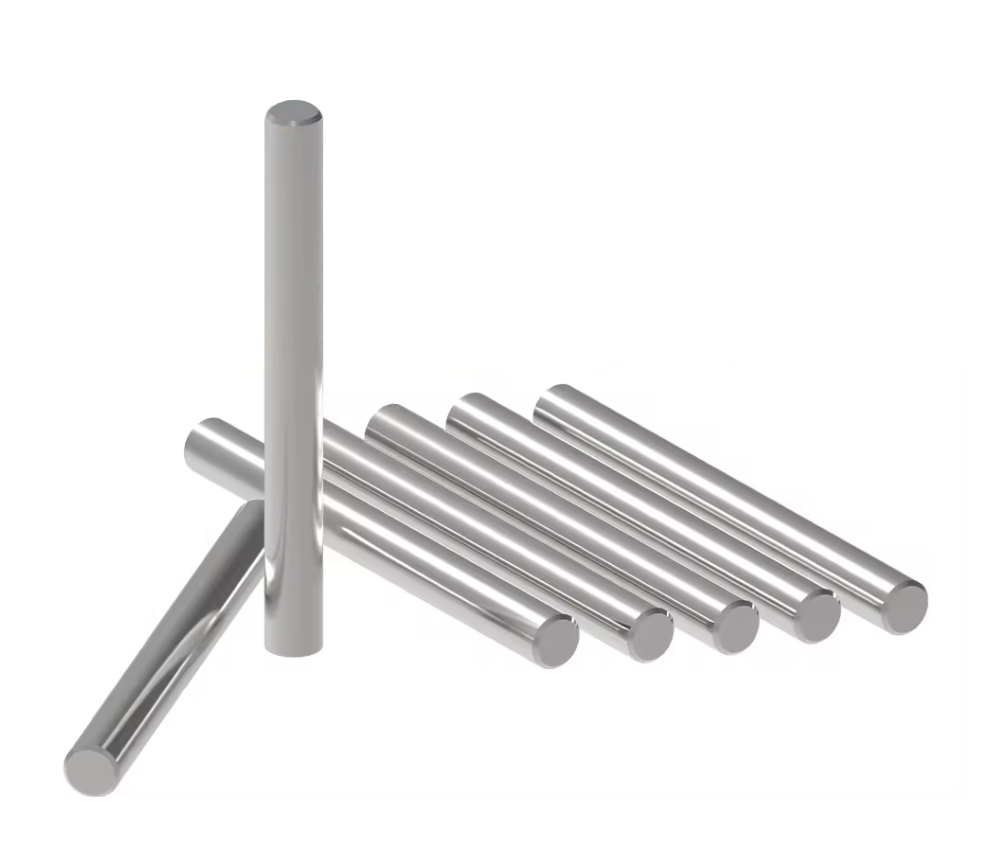
A high modulus of elasticity means a material resists elastic deformation under load. For premium carbide rods used in cutting-tool production, that stiffness can support dimensional control and reduce bending when a tool encounters machining forces. The advantage is practical rather than absolute: carbide rods help a tool hold its geometry, but results also depend on grade, diameter, overhang, and operating conditions.

Understanding the modulus matters when selecting carbide rods for end mills, drills, and other precision tools. A stiffer blank can limit deflection in slender designs, helping the finished tool maintain its intended cutting path. However, carbide rods do not eliminate vibration or tool failure by themselves. Buyers should connect modulus data to the application, the rod dimensions, and the complete tool design.
How Elastic Modulus Creates Practical Stiffness
Resistance to bending under cutting loads
Elastic modulus describes the relationship between applied stress and elastic strain, or how much a material changes shape before returning to its original form. In comparable geometries, carbide rods with a higher modulus deflect less under the same load. This can be valuable when a tool has a long reach or a narrow cross-section, because carbide rods must resist bending while the cutting edge engages the workpiece.
Reduced elastic deflection can help preserve tool geometry during steady cutting, particularly where a small dimensional shift affects the part. For a toolmaker, carbide rods with suitable stiffness provide a strong starting point for controlling runout and maintaining the designed profile. The blank is only one part of the system, though: spindle condition, toolholding, flute geometry, and machining parameters also influence how carbide rods behave in service.
Stiffness compared with hardness and strength
Modulus is not another name for hardness. Hardness relates to resistance to indentation and wear, while elastic modulus concerns reversible deformation; strength describes the stress a material can withstand before failure. Premium carbide rods can combine useful stiffness with hardness, but these properties are not interchangeable. When specifying carbide rods, engineers should review the property that addresses the actual failure mode rather than treating one high value as proof of universal performance.
The distinction is important because a very stiff component can still chip if impact loading or edge geometry is unsuitable. Carbide rods must balance rigidity with toughness for the intended cutting conditions. A material data sheet can guide comparison, but the grade, binder content, grain structure, and manufacturing quality matter too. Evaluating these characteristics together gives buyers a clearer view of what carbide rods can contribute to a finished tool.
Advantages for Tool Accuracy and Production
More consistent geometry in slender tools
A long, small-diameter cutter is more susceptible to bending than a short, thick one. In that setting, stiff carbide rods can help a toolmaker preserve the geometry planned for the finished cutting tool. Less deflection may support consistent slot width, hole position, or profile accuracy when other process variables are controlled. Carbide rods are therefore relevant to precision tooling where tool reach and dimensional tolerances are important design constraints.
This advantage does not mean that carbide rods guarantee a particular tolerance. Tool runout, clamping, machine rigidity, cutting direction, and workpiece behavior can offset the benefit of a stiff blank. A useful engineering review compares rod dimensions and modulus with the intended flute length and unsupported reach. If a design remains flexible, reducing overhang or adjusting the tool geometry may matter as much as selecting carbide rods with a higher modulus.
Stability across repeatable machining operations
In repeat production, small changes in tool deflection can contribute to variation between parts. Carbide rods with appropriate stiffness can support a more stable cutting edge position, which helps the process maintain its planned engagement with the material. This is especially useful when the tool works through repeated passes or follows a narrow contour. For a production engineer, carbide rods should be considered alongside tool life targets and in-process measurement plans.
Stiffness can also make a tool design less sensitive to moderate changes in load, but it cannot remove the need for process monitoring. Chatter, heat, wear, and chip evacuation still need attention. Selecting carbide rods with a suitable modulus gives the tool a material property that supports stability; correct speeds, feeds, and toolholding translate that potential into dependable operation. This system-level view avoids expecting carbide rods alone to solve machining variation.
Choosing Rods for the Intended Application
Match modulus to geometry and material
Selection should begin with the finished tool’s dimensions and the force it is expected to encounter. Carbide rods for a short, robust cutter may not need the same stiffness emphasis as rods for a long-reach end mill. Consider diameter, unsupported length, flute design, workpiece material, and cutting strategy together. Reviewing carbide rods against those conditions helps distinguish a meaningful modulus advantage from a property that has little effect on the application.
The intended grade should also reflect the balance between rigidity and resistance to fracture. More demanding interrupted cuts or impact exposure may place a premium on toughness, while stable finishing can make deflection control a stronger priority. Consult technical data for carbide rods and check that the values refer to a comparable grade and test basis. This avoids comparing nominal modulus figures without accounting for the material system behind them.
Verify blank quality and manufacturing fit
A high-modulus specification cannot compensate for inconsistent dimensions or unsuitable blank condition. Before machining, buyers and toolmakers should confirm the rod diameter, straightness, length, surface condition, and whether the supplied blank is ground or unground. Those details affect stock allowance and setup. For carbide rods, a clear specification helps the producer match the blank to the finishing route and reduces avoidable uncertainty during tool manufacture.
For a product review, the relevant data may include elastic modulus, hardness, transverse rupture strength, density, and grade identification. Check each value against the application rather than choosing carbide rods on a single headline property. A natural next step is to review carbide rods in the required size and blank condition, then verify suitability with the tool design and machining plan.
FAQ
Does a higher modulus always improve tool performance?
No. A higher modulus can reduce elastic deflection for a given geometry and load, but it does not automatically improve wear life, toughness, or surface finish. Carbide rods must suit the tool dimensions, cut, and workpiece. Review the full grade properties and test the finished tool under representative conditions before treating stiffness as the deciding factor.
Which tools benefit most from stiff carbide blanks?
Long-reach, slender, or tolerance-sensitive tools are more likely to benefit because bending can shift the cutting edge from its intended path. Carbide rods can support rigidity in drills and milling tools, but the practical benefit depends on diameter, unsupported length, holder, and machine setup. Compare the expected loads with the tool’s actual geometry.
What should buyers verify before ordering?
Confirm the grade, modulus data, dimensions, blank condition, straightness, and relevant strength or toughness information. Explain the intended tool geometry and operation when requesting technical review. These checks help determine whether carbide rods fit the application and whether the specified stiffness addresses a real production need rather than a general preference.