Contact me immediately if you encounter problems!

All Categories

solid carbide blanks

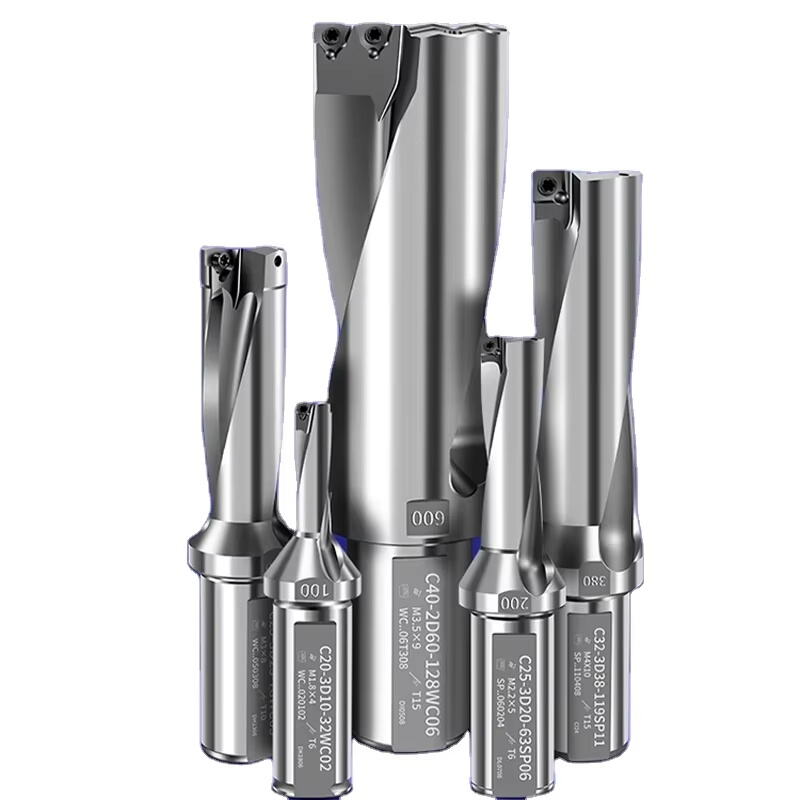
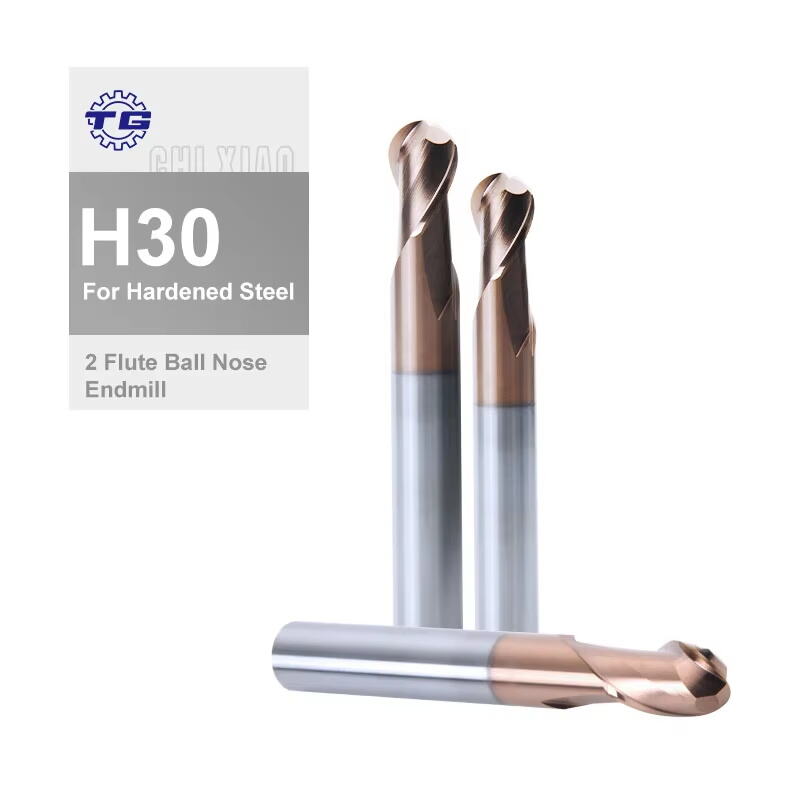
Solid carbide blanks represent precision-engineered cylindrical rods manufactured from tungsten carbide material, serving as essential starting materials for producing cutting tools, wear parts, and specialized industrial components. These blanks undergo sophisticated powder metallurgy processes where tungsten carbide particles combine with cobalt binder through high-temperature sintering, creating exceptionally dense and uniform structures. The main functions of solid carbide blanks include providing raw material for end mills, drills, reamers, and custom tooling solutions across metalworking industries. Manufacturers rely on these blanks because they deliver consistent material properties throughout their entire length and diameter, ensuring predictable performance during subsequent grinding and machining operations. Technological features distinguish quality solid carbide blanks from ordinary materials. Advanced production methods control grain size distribution, maintaining uniform hardness levels between 88 and 93 HRA depending on grade selection. The cobalt content typically ranges from six to twelve percent, influencing toughness and wear resistance characteristics. Modern manufacturing facilities employ isostatic pressing techniques that eliminate internal voids and density variations, producing blanks with superior straightness tolerances and concentricity. Surface finish quality on solid carbide blanks affects subsequent processing efficiency, with ground finishes reducing preparation time for tool manufacturers. Applications for solid carbide blanks span automotive machining, aerospace component production, medical device manufacturing, and general metalworking operations. Tool manufacturers purchase these blanks to create specialized geometries matching specific cutting requirements. The blanks accommodate various coating applications including TiN, TiAlN, and diamond coatings that further enhance performance. Industries processing hardened steels, stainless alloys, titanium, and composite materials particularly value solid carbide blanks for their ability to maintain sharp cutting edges under demanding conditions. The dimensional stability of these blanks ensures minimal distortion during heat treatment or coating processes, preserving geometric accuracy essential for precision tooling applications.

Popular Products

Selecting solid carbide blanks for tool production offers numerous practical benefits that directly impact manufacturing efficiency and cost management. First, these blanks provide exceptional hardness that translates into extended tool life when properly ground and applied. Your cutting tools will maintain their sharp edges significantly longer than those made from high-speed steel, reducing downtime for tool changes and lowering overall tooling expenses. This durability means fewer interruptions to production schedules and more consistent part quality throughout extended machining runs. The superior wear resistance of solid carbide blanks enables your tools to handle abrasive materials and high-temperature cutting conditions that would quickly degrade alternative materials. Second, solid carbide blanks deliver excellent dimensional stability that ensures your finished tools meet precise specifications. The uniform material composition eliminates concerns about inconsistent hardness zones or weak spots that could compromise tool performance. When you invest in quality blanks, you gain confidence that each tool produced will perform predictably, reducing scrap rates and improving process reliability. The thermal stability of these blanks allows cutting tools to operate at higher speeds, increasing your production throughput without sacrificing surface finish quality on machined parts. Third, solid carbide blanks offer remarkable versatility in application scope. You can grind these blanks into virtually any tool geometry required for specialized machining operations, from standard end mills to complex form tools with intricate profiles. This flexibility eliminates the need to stock numerous different tool types, simplifying inventory management while ensuring you have appropriate tooling available for diverse production requirements. The blanks accept various coating technologies that further customize performance characteristics for specific workpiece materials. Fourth, these blanks provide excellent value through their combination of initial cost and total lifecycle performance. While the upfront investment exceeds that of conventional tool materials, the extended service life and superior cutting performance generate substantial savings over time. Your operation benefits from reduced tool consumption, decreased machine downtime, and improved productivity that quickly offsets the initial expenditure. The consistency of solid carbide blanks also reduces variability in machining processes, leading to better quality control and fewer rejected parts. Finally, working with solid carbide blanks positions your operation to meet evolving manufacturing challenges, including the machining of advanced materials and achievement of tighter tolerances demanded by modern engineering applications.

Practical Tips

How does high speed steel differ from carbon steel?

30

Dec

How does high speed steel differ from carbon steel?

Manufacturing and machining industries rely heavily on selecting the right steel type for specific applications, with high speed steel and carbon steel representing two of the most significant categories in industrial tooling. Understanding the funda...
View More
Why Do Milling Cutters Break and How to Prevent It?

10

Feb

Why Do Milling Cutters Break and How to Prevent It?

Manufacturing precision relies heavily on the performance and reliability of cutting tools, with the milling cutter serving as one of the most critical components in modern machining operations. Despite their robust design and engineering excellence,...
View More
How CNC Tools Improve Accuracy in Precision Manufacturing

28

Feb

How CNC Tools Improve Accuracy in Precision Manufacturing

Precision manufacturing has revolutionized modern industry by delivering components with unprecedented accuracy and consistency. At the heart of this technological advancement lies the sophisticated world of CNC tools, which have transformed how manu...
View More
What Safety Measures Are Essential in Holemaking Operations?

31

Mar

What Safety Measures Are Essential in Holemaking Operations?

Holemaking operations represent one of the most fundamental yet potentially hazardous processes in manufacturing environments. These operations involve creating precise holes in various materials using drilling, reaming, boring, and related machining...
View More

Get a Free Quote

Our representative will contact you soon.
Email
Mobile
Name
Company Name
Message
0/1000

solid carbide blanks

Unmatched Material Hardness and Wear Resistance for Extended Performance

Unmatched Material Hardness and Wear Resistance for Extended Performance

Solid carbide blanks deliver exceptional hardness characteristics that fundamentally transform tool performance and operational economics in precision machining environments. The material achieves hardness levels between 88 and 93 on the Rockwell A scale, substantially exceeding conventional tool steel alternatives and providing the foundation for tools that resist wear even under severe cutting conditions. This remarkable hardness results from the unique microstructure created during manufacturing, where tungsten carbide particles form a continuous skeletal framework bound together by a cobalt metal matrix. The carbide phase provides primary wear resistance while the binder phase supplies necessary toughness to prevent brittle failure. When you select solid carbide blanks for tool production, you access material properties that enable cutting operations at speeds and feeds impossible with softer alternatives. The wear resistance translates directly into extended tool life, meaning your cutting edges maintain their geometry and sharpness through thousands of linear cutting feet. This longevity reduces the frequency of tool changes, minimizing non-productive time and allowing machines to maintain consistent output. The economic impact extends beyond simple tool replacement costs. Extended tool life means reduced labor expenses associated with tool changing operations, decreased inventory carrying costs for replacement tooling, and improved production planning reliability. Machine operators spend more time producing parts and less time managing tool changes, directly improving labor productivity. The hardness of solid carbide blanks also enables your tools to maintain dimensional accuracy throughout their service life. As cutting edges wear more slowly, dimensional variations between the first and last parts produced in a production run decrease significantly. This consistency improves quality control outcomes and reduces scrap rates attributable to tool wear. Furthermore, the wear resistance of solid carbide blanks proves particularly valuable when machining abrasive materials including composites, high-silicon aluminum alloys, and particle-reinforced metals that rapidly degrade softer tool materials. In these challenging applications, solid carbide tooling may last ten times longer than alternatives, fundamentally changing process economics and making previously impractical operations commercially viable.
Superior Dimensional Stability and Uniformity for Precision Tool Manufacturing

Superior Dimensional Stability and Uniformity for Precision Tool Manufacturing

Solid carbide blanks exhibit outstanding dimensional stability and material uniformity that prove essential for producing precision cutting tools meeting exacting geometric specifications. The advanced manufacturing processes used to create these blanks ensure consistent material properties throughout the entire volume, eliminating the internal variations that compromise tool performance and manufacturing predictability. Modern production facilities employ isostatic pressing techniques that apply uniform pressure from all directions during the compaction phase, creating green bodies with exceptional density uniformity before sintering. This manufacturing approach eliminates the density gradients common in uniaxial pressing methods, ensuring that the finished blank exhibits identical hardness, wear resistance, and mechanical properties regardless of where measurements are taken. For tool manufacturers, this uniformity means that grinding operations produce consistent results across different blanks and even across different production lots. You can establish grinding parameters with confidence that they will generate the desired tool geometry and surface finish repeatedly. The dimensional stability of solid carbide blanks remains constant through subsequent processing operations including grinding, electrical discharge machining, and coating application. Unlike materials that experience significant dimensional change during heat treatment or coating processes, solid carbide blanks maintain their geometry with minimal distortion. This stability proves particularly important for complex tool geometries where tight tolerances must be maintained across multiple features. When producing precision tooling for aerospace, medical, or automotive applications where dimensional accuracy directly affects part quality and process capability, the stability of solid carbide blanks provides essential process reliability. The uniform grain structure within quality blanks also contributes to superior surface finish achievement during grinding operations. Consistent material response to grinding forces enables the production of exceptionally smooth flute surfaces and sharp cutting edges without microchipping or edge irregularities. These surface quality characteristics translate directly into improved chip evacuation, reduced cutting forces, and better surface finish on machined workpieces. Additionally, the straightness and concentricity tolerances achievable with solid carbide blanks ensure that finished tools run true in machine spindles, minimizing vibration and enabling the precision required for modern high-speed machining operations. Tool manufacturers benefit from reduced setup time and fewer grinding passes required to achieve specified tolerances.
Versatile Application Range and Coating Compatibility for Customized Solutions

Versatile Application Range and Coating Compatibility for Customized Solutions

Solid carbide blanks offer remarkable versatility that enables tool manufacturers to create customized cutting solutions for diverse machining challenges across multiple industries and application requirements. The material characteristics of these blanks accommodate virtually any tool geometry that can be ground, from simple single-flute designs to complex multi-flute configurations with variable helix angles and specialized edge preparations. This geometric flexibility means you can develop optimized tooling for specific operations rather than compromising with general-purpose designs that sacrifice performance. Whether producing miniature medical device components requiring tools with diameters measured in tenths of millimeters or large aerospace structural parts demanding robust cutting tools, solid carbide blanks provide appropriate starting material. The blanks are available in extensive diameter and length ranges, ensuring you can source appropriate stock for any tool size requirement. Beyond geometric versatility, solid carbide blanks demonstrate excellent compatibility with advanced coating technologies that further enhance and customize tool performance. The substrate surface accepts physical vapor deposition coatings including titanium nitride, titanium carbonitride, titanium aluminum nitride, and aluminum titanium nitride, each offering distinct performance advantages for specific workpiece materials and cutting conditions. These coatings reduce friction, increase hardness, and provide thermal barriers that enable higher cutting speeds and extended tool life. The chemical and thermal stability of solid carbide blanks ensures strong coating adhesion and prevents substrate degradation during the coating process. Some applications benefit from diamond coatings applied through chemical vapor deposition, creating tools with exceptional wear resistance for machining highly abrasive materials like carbon fiber composites, green ceramics, and graphite. The versatility of solid carbide blanks extends to the range of materials they can effectively machine. Tools produced from these blanks successfully cut everything from soft aluminum alloys to hardened tool steels exceeding 60 HRC, from titanium alloys to nickel-based superalloys, and from plastics to advanced composites. This broad application scope means investing in grinding equipment and expertise for solid carbide tool production provides access to diverse market segments and application opportunities. The blanks also accommodate various tool designs including end mills, drills, reamers, burrs, and custom form tools, allowing manufacturers to develop comprehensive tool offerings from a single material platform. For operations requiring specialized solutions such as tools for deep hole machining, high-speed finishing, or aggressive roughing in difficult materials, solid carbide blanks provide the foundation for developing tooling that meets unique performance requirements conventional products cannot satisfy.

solid carbide blanks-0
solid carbide blanks-1

Get a Free Quote

Our representative will contact you soon.
Email
Mobile
Name
Company Name
Message
0/1000