Contact me immediately if you encounter problems!

All Categories

hss for metal

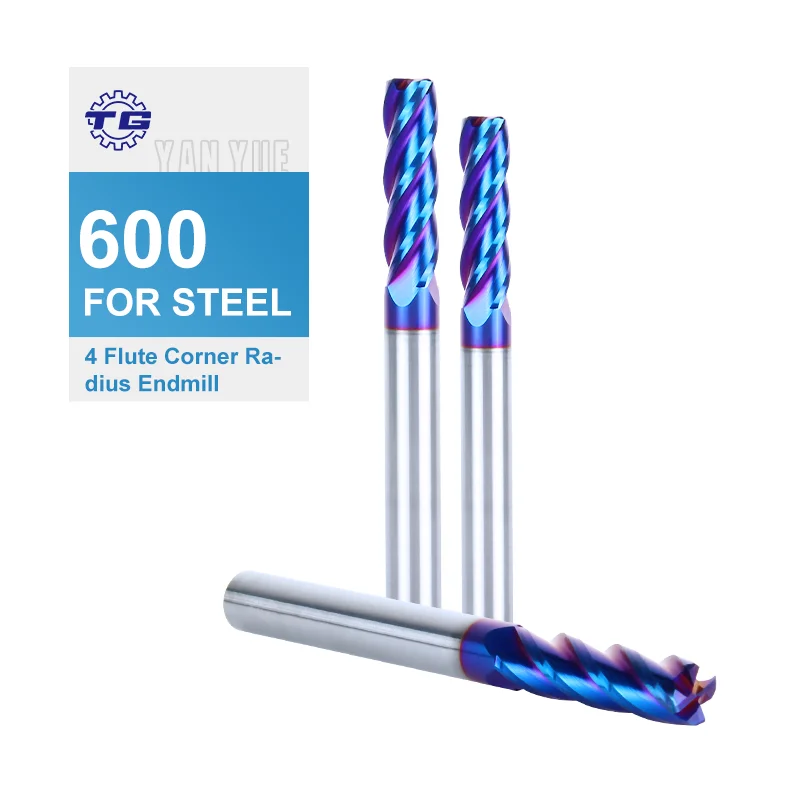
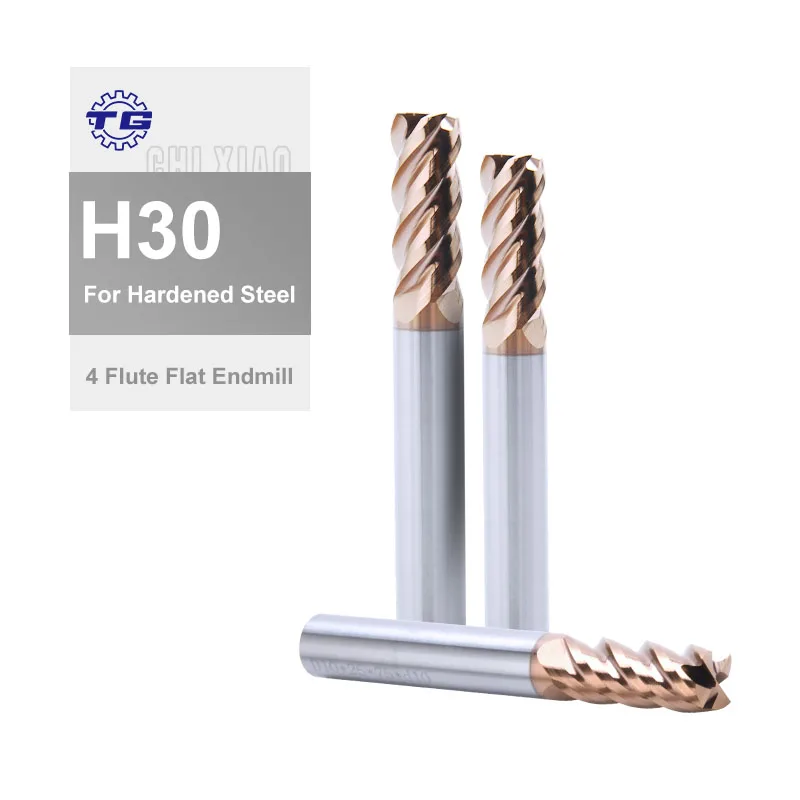
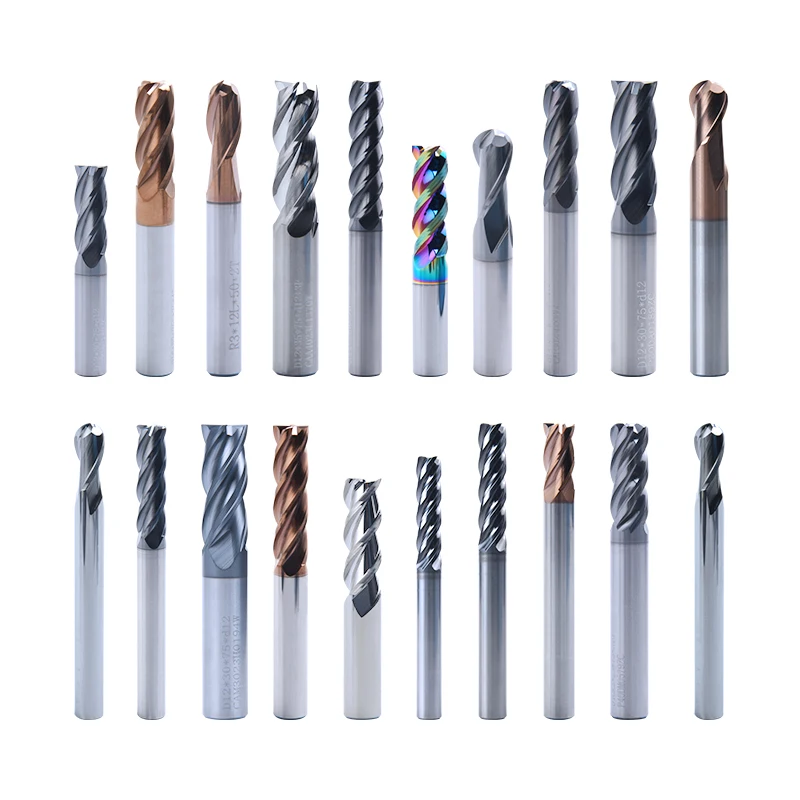
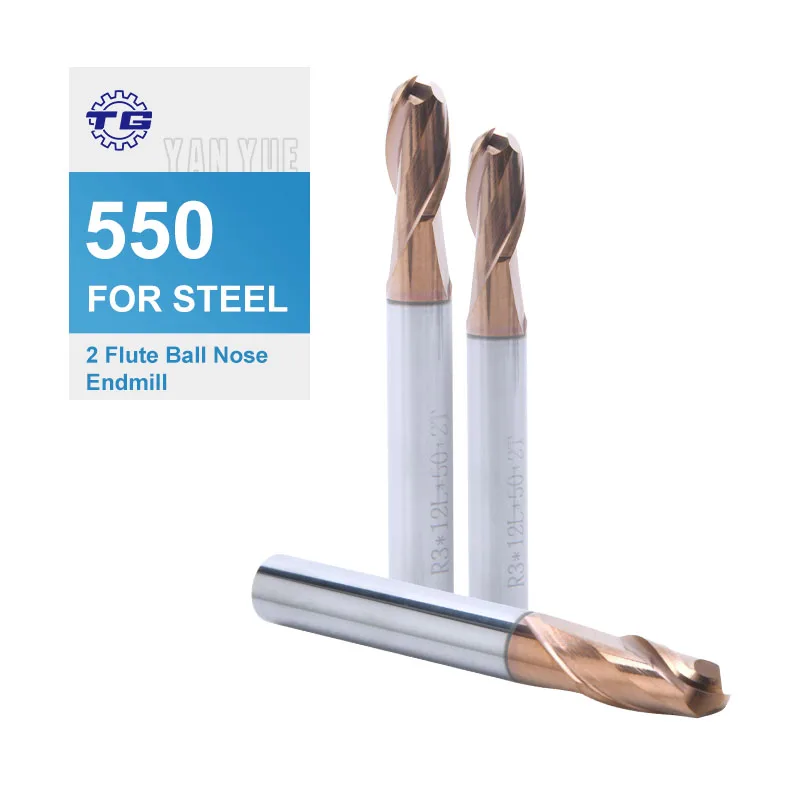
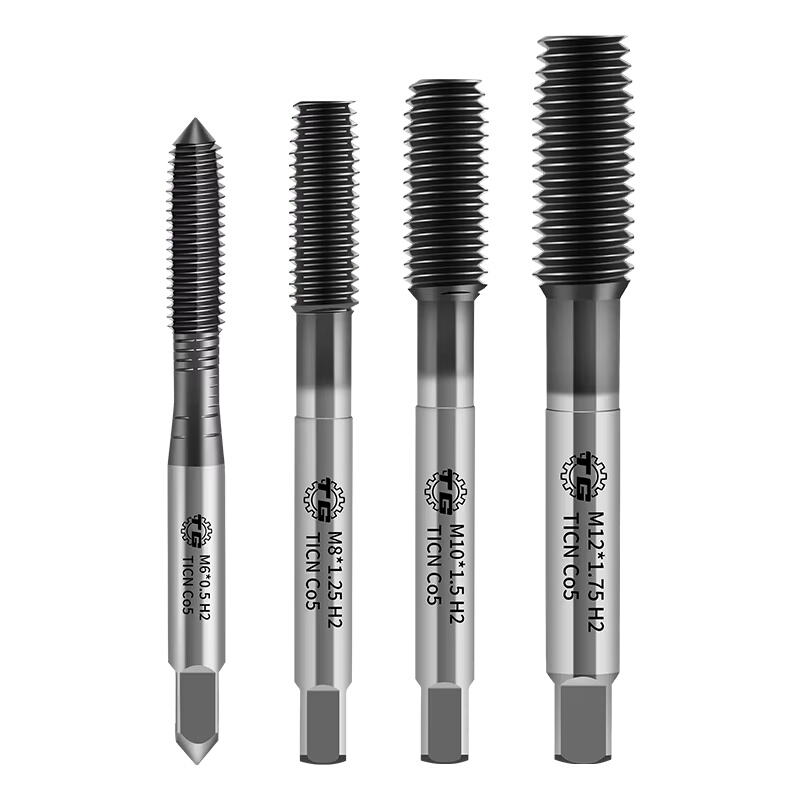
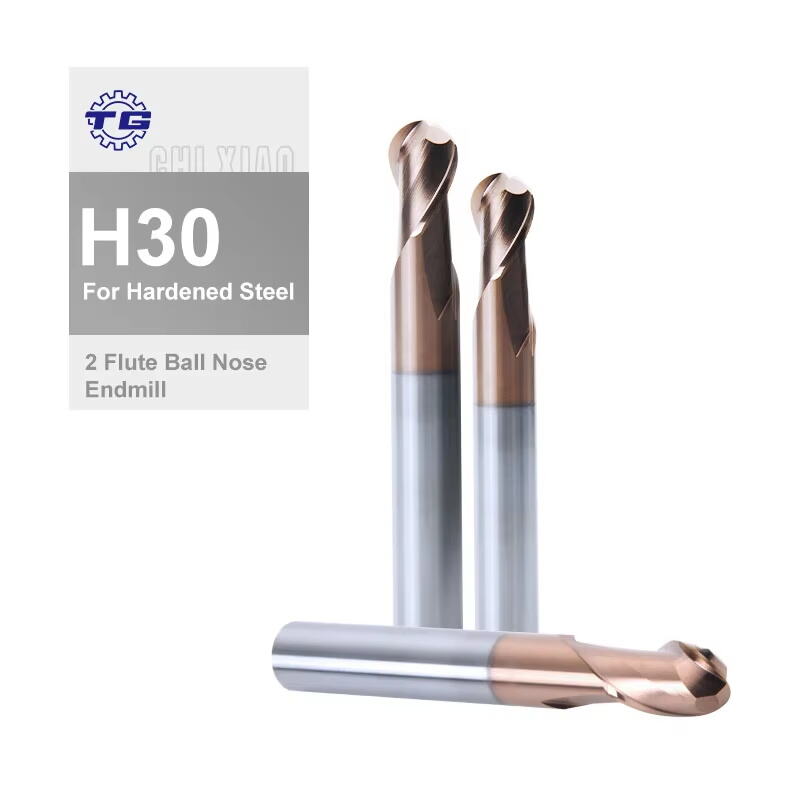
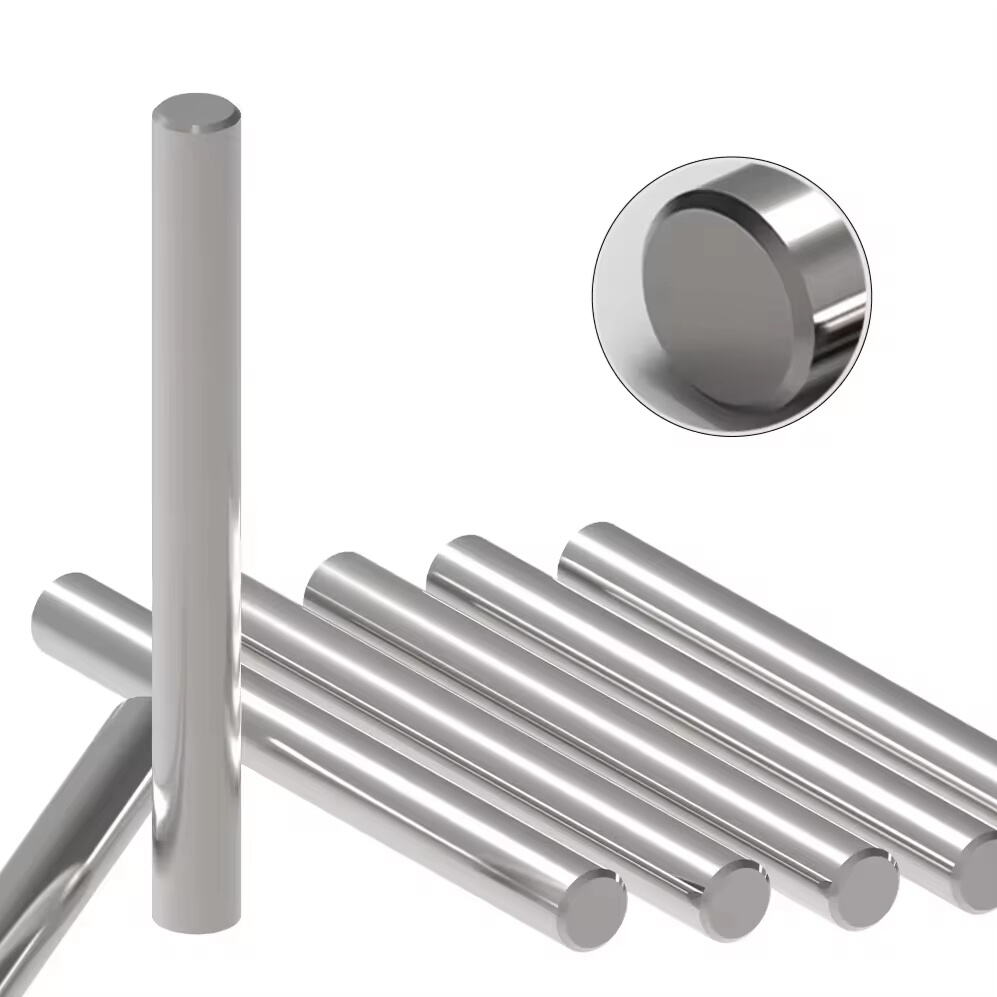
High-speed steel for metal, commonly known as HSS for metal, represents a crucial advancement in cutting tool technology that has revolutionized metalworking operations across manufacturing industries worldwide. This specialized steel alloy is engineered specifically to withstand the extreme temperatures and pressures generated during high-velocity metal cutting operations. HSS for metal delivers exceptional performance characteristics that make it indispensable for precision machining, drilling, milling, and turning applications. The material's composition typically includes tungsten, molybdenum, chromium, vanadium, and cobalt, combined with iron and carbon to create a cutting tool material that maintains its hardness even at elevated temperatures reaching 600 degrees Celsius. This remarkable heat resistance enables HSS for metal to operate at cutting speeds significantly higher than conventional carbon steel tools, resulting in improved productivity and reduced manufacturing cycle times. The technological features of HSS for metal include superior wear resistance, excellent toughness that prevents chipping and breaking, and the ability to retain sharp cutting edges throughout extended operational periods. Manufacturing facilities utilize HSS for metal in producing drill bits, end mills, reamers, taps, broaches, and various other cutting implements essential for metalworking operations. The versatility of HSS for metal extends across diverse industrial sectors including automotive manufacturing, aerospace component production, general engineering workshops, and precision tool-making facilities. Its applications span from creating intricate threading operations to performing heavy-duty material removal tasks on hardened steel workpieces. The balanced combination of hardness, toughness, and thermal stability makes HSS for metal an economical choice for operations requiring reliable cutting performance without the premium costs associated with carbide or ceramic cutting tools.


Popular Products

Understanding the practical benefits of HSS for metal helps businesses make informed decisions about their tooling investments and operational efficiency improvements. First and foremost, HSS for metal offers remarkable cost-effectiveness compared to premium cutting tool materials while delivering performance that satisfies most industrial metalworking requirements. This economic advantage translates directly into lower tooling budgets without compromising production quality or output rates. The material's inherent toughness provides superior resistance to shock loads and vibration, making HSS for metal particularly suitable for interrupted cutting operations and applications involving unstable workpiece setups. Unlike more brittle cutting materials, HSS for metal tolerates minor operational errors and unexpected impacts without catastrophic failure, reducing the risk of costly tool breakage and potential workpiece damage. Another significant advantage lies in the ease of resharpening HSS for metal cutting tools, which can be restored to optimal cutting condition using conventional grinding equipment available in most machine shops. This resharpening capability extends tool life substantially and reduces long-term tooling expenses, as worn tools need not be discarded but can be reconditioned multiple times before replacement becomes necessary. The thermal properties of HSS for metal enable it to maintain cutting edge integrity across a wide range of cutting speeds and feed rates, providing operational flexibility that accommodates varying production requirements without necessitating tool changes. Manufacturing operations benefit from the material's consistent performance characteristics, which facilitate predictable tool life calculations and simplified production planning. HSS for metal demonstrates excellent performance across diverse base materials, effectively machining carbon steels, alloy steels, cast iron, and non-ferrous metals with appropriate cutting parameters. This versatility eliminates the need for maintaining extensive inventories of specialized cutting tools designed for specific workpiece materials. The material's balanced properties make HSS for metal ideal for applications requiring complex cutting geometries, as it can be ground into intricate tool shapes while maintaining structural integrity. Production environments appreciate the reduced heat generation during cutting operations compared to inferior tool materials, which minimizes thermal distortion in precision workpieces and extends coolant system effectiveness. The widespread availability of HSS for metal cutting tools through standard industrial supply channels ensures rapid replacement procurement, minimizing production disruptions caused by tool inventory shortages.

Latest News

When should you use carbide vs HSS end mill cutters?

10

Feb

When should you use carbide vs HSS end mill cutters?

Selecting the right cutting tool for machining operations is crucial for achieving optimal performance, surface finish, and tool longevity. The choice between carbide and high-speed steel (HSS) end mill cutters significantly impacts manufacturing eff...
View More
How CNC Tools Improve Accuracy in Precision Manufacturing

28

Feb

How CNC Tools Improve Accuracy in Precision Manufacturing

Precision manufacturing has revolutionized modern industry by delivering components with unprecedented accuracy and consistency. At the heart of this technological advancement lies the sophisticated world of CNC tools, which have transformed how manu...
View More
What are the differences between high-speed steel and carbide tools?

31

Mar

What are the differences between high-speed steel and carbide tools?

Manufacturing professionals constantly face critical decisions about cutting tool selection, with material choice being perhaps the most fundamental consideration. The choice between high-speed steel and carbide tools directly impacts machining perfo...
View More
Why Are Carbide End Mills Better for Metal Cutting?

31

Mar

Why Are Carbide End Mills Better for Metal Cutting?

When it comes to precision metal cutting operations, the choice of cutting tool directly impacts productivity, surface finish quality, and overall manufacturing costs. Carbide end mills have emerged as the preferred solution for demanding metal cutti...
View More

Get a Free Quote

Our representative will contact you soon.
Email
Mobile
Name
Company Name
Message
0/1000

hss for metal

Exceptional Temperature Resistance and Cutting Speed Capabilities

Exceptional Temperature Resistance and Cutting Speed Capabilities

The outstanding heat resistance of HSS for metal stands as its most defining characteristic, fundamentally differentiating it from conventional cutting tool materials and enabling performance levels previously unattainable in metalworking operations. This exceptional thermal stability originates from the carefully engineered alloy composition, where elements like tungsten and molybdenum form stable carbides that maintain their hardness and structural integrity even when cutting edge temperatures soar during aggressive machining operations. When machining operations generate friction and heat at the tool-workpiece interface, ordinary steel tools quickly lose their hardness through a process called tempering, resulting in rapid edge degradation and premature tool failure. HSS for metal overcomes this limitation through its red-hardness property, maintaining cutting edge hardness at temperatures where conventional steels would soften completely. This thermal advantage translates directly into practical benefits for manufacturing operations, permitting substantially higher cutting speeds that accelerate production rates and improve manufacturing throughput. Facilities using HSS for metal cutting tools can operate machinery at optimal speeds without fear of rapid tool degradation, maximizing equipment utilization and reducing per-part production costs. The material's temperature resistance also provides a safety margin against operational variations, accommodating slight inconsistencies in cutting parameters without immediate tool failure. This forgiving nature proves particularly valuable in manual machining operations where maintaining perfectly consistent cutting conditions presents challenges. Furthermore, the heat resistance of HSS for metal reduces the thermal load transferred into workpieces during cutting, minimizing the risk of heat-induced dimensional changes in precision components where tight tolerances must be maintained. Manufacturing engineers can specify more aggressive cutting parameters, reducing cycle times while maintaining acceptable tool life expectations. The combination of speed capability and thermal stability makes HSS for metal the preferred choice for production environments where balancing productivity with tooling costs determines overall manufacturing profitability. This temperature resistance extends tool replacement intervals, reducing machine downtime associated with tool changes and maintaining consistent production flow throughout extended manufacturing runs.
Superior Toughness and Resistance to Mechanical Shock

Superior Toughness and Resistance to Mechanical Shock

The remarkable toughness inherent in HSS for metal provides critical advantages in demanding metalworking applications where cutting tools encounter variable loads, interrupted cuts, and challenging machining conditions that would quickly destroy more brittle tool materials. This mechanical resilience stems from the microstructural characteristics of HSS for metal, which combines hard carbide particles distributed throughout a tough, ductile steel matrix that absorbs impact energy without fracturing. Unlike ceramic or carbide cutting tools that excel in continuous cutting operations but prove vulnerable to shock loads, HSS for metal withstands the mechanical stresses associated with milling operations where teeth repeatedly enter and exit the workpiece, creating cyclical loading that tests material toughness. This characteristic makes HSS for metal indispensable for operations involving castings with hard surface scale, forgings with dimensional variations, or workpieces with interrupted surfaces where cutting tools experience repeated impacts. Manufacturing facilities working with such challenging materials rely on the fracture resistance of HSS for metal to maintain production continuity and avoid the costly disruptions caused by catastrophic tool failure. The toughness advantage extends to applications involving unstable workpiece setups or older machine tools with worn spindle bearings that introduce vibration into cutting operations. Where premium cutting materials would chip or shatter under these suboptimal conditions, HSS for metal continues performing reliably, making it the practical choice for general-purpose machine shops working with diverse equipment conditions. This durability characteristic proves especially valuable in training environments where less experienced operators may not maintain perfect cutting parameters, as HSS for metal tolerates operational mistakes that would quickly destroy more sensitive cutting materials. The material's resistance to edge chipping ensures that even when minor damage occurs, the cutting edge degrades gradually rather than failing catastrophically, providing operators warning signs and opportunities to adjust parameters or replace tools during scheduled intervals rather than experiencing unexpected production interruptions. Tool designers leverage the toughness of HSS for metal when creating cutting tools with complex geometries featuring sharp corners, thin cross-sections, or intricate flute configurations that would prove impossible to manufacture in more brittle materials. This design flexibility enables the production of specialized cutting tools optimized for specific applications while maintaining the structural integrity necessary for reliable operation.
Economic Value and Comprehensive Versatility Across Applications

Economic Value and Comprehensive Versatility Across Applications

The exceptional economic value proposition of HSS for metal extends far beyond simple acquisition costs, encompassing long-term ownership advantages that significantly impact overall manufacturing profitability and operational efficiency. While initial purchase prices for HSS for metal cutting tools remain moderate compared to premium alternatives, the true economic advantage emerges through the material's comprehensive versatility, extended service life through resharpening, and consistent performance across diverse applications. Manufacturing operations benefit substantially from inventory consolidation opportunities, as the broad capability range of HSS for metal reduces the variety of specialized cutting tools required to accomplish typical production tasks. A single set of HSS for metal cutting tools can effectively machine multiple material types and accommodate various cutting conditions, eliminating the need for extensive tool inventories tailored to specific applications. This versatility translates into reduced capital tied up in tooling inventories, simplified tool management systems, and decreased storage space requirements in production facilities. The resharpening capability of HSS for metal delivers particularly significant economic advantages, as worn cutting tools can be restored to near-original performance levels multiple times throughout their service life. Unlike disposable insert tooling systems where worn edges are simply discarded, HSS for metal tools represent durable assets that provide value through numerous reconditioning cycles. Most machine shops possess standard tool grinding equipment capable of resharpening HSS for metal cutting tools, eliminating dependence on specialized external services and enabling rapid tool restoration that minimizes production disruptions. This reconditioning capability proves especially valuable for custom or specialized cutting tools where replacement procurement involves long lead times or high costs. The economic advantages of HSS for metal extend to reduced machine power consumption compared to operating with dull or inappropriate cutting tools, as properly maintained HSS for metal edges cut efficiently with minimal force requirements. Manufacturing facilities also benefit from the material's forgiving nature, which reduces scrap rates by tolerating minor parameter variations without immediately damaging workpieces. Training costs decrease when operations utilize HSS for metal tooling, as new machinists can develop skills using economical tools that withstand learning-curve mistakes without excessive replacement expenses. The widespread global availability of HSS for metal cutting tools through standard industrial distribution channels ensures competitive pricing through market competition while guaranteeing rapid procurement when replacement needs arise, supporting lean inventory practices that minimize capital tied up in safety stock.
hss for metal-0
hss for metal-1

Get a Free Quote

Our representative will contact you soon.
Email
Mobile
Name
Company Name
Message
0/1000