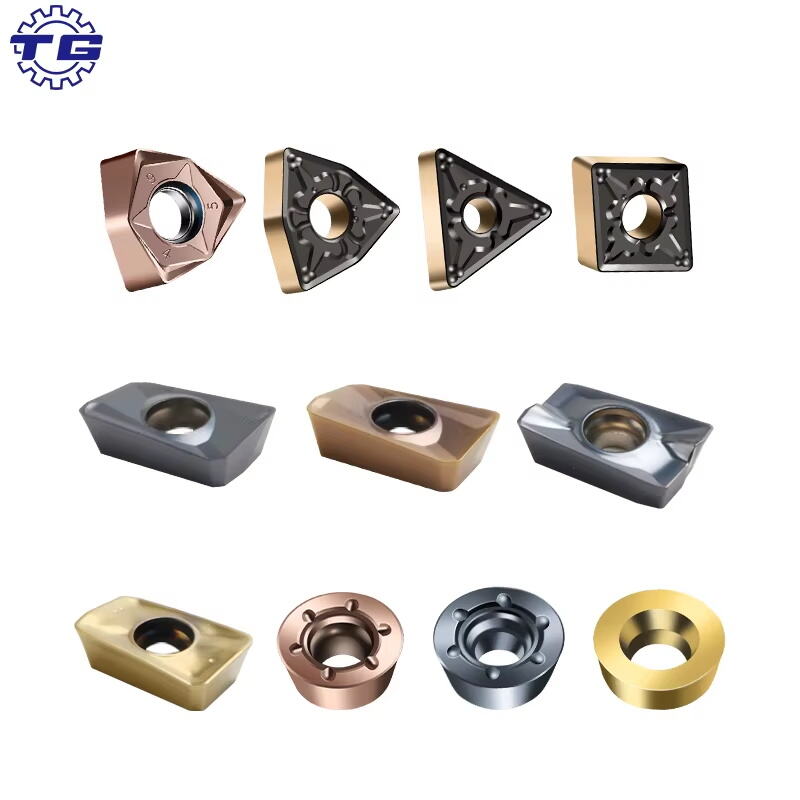
hss cobalt drill
The hss cobalt drill represents a significant advancement in drilling technology, combining high-speed steel with cobalt alloy to create a cutting tool that delivers exceptional performance across diverse applications. This specialized drill bit incorporates cobalt content typically ranging from 5 to 8 percent, which fundamentally enhances the tool's heat resistance and overall durability. The hss cobalt drill excels in penetrating hard materials that would quickly wear down conventional drill bits, making it an indispensable tool for professionals and serious hobbyists alike. The main functions of the hss cobalt drill include precision drilling through stainless steel, cast iron, titanium, and other challenging materials that generate substantial heat during machining operations. The technological features embedded within the hss cobalt drill design include a specialized heat treatment process that increases hardness while maintaining toughness, a carefully engineered point angle that facilitates faster penetration, and a robust construction that resists fracturing under high-stress conditions. The cobalt addition creates a metallurgical bond within the steel matrix rather than simply coating the surface, ensuring consistent performance throughout the tool's lifespan. Applications for the hss cobalt drill span multiple industries including aerospace manufacturing, automotive repair, metal fabrication, construction, and precision engineering. Professional machinists rely on the hss cobalt drill when working with abrasive materials or when drilling operations require sustained high temperatures. The drill's ability to maintain its cutting edge at elevated temperatures makes it particularly valuable in production environments where downtime for tool changes directly impacts productivity and profitability. Whether drilling pilot holes, enlarging existing openings, or creating precise diameter bores, the hss cobalt drill consistently delivers clean, accurate results with minimal tool deflection or wandering during initial contact with the workpiece surface.

 EN
EN