Contact me immediately if you encounter problems!

All Categories

carbide turning tools

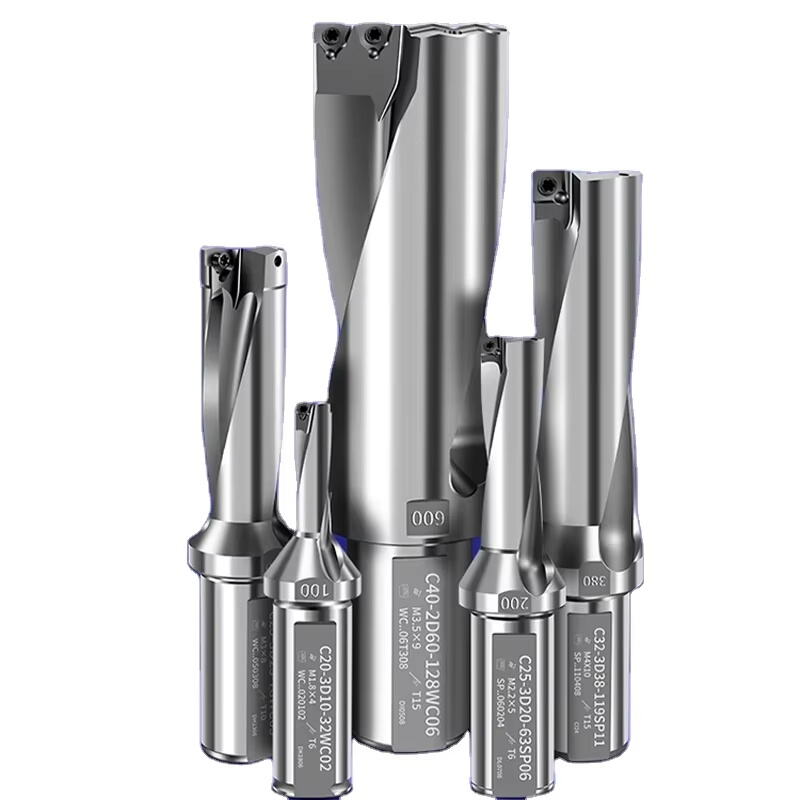
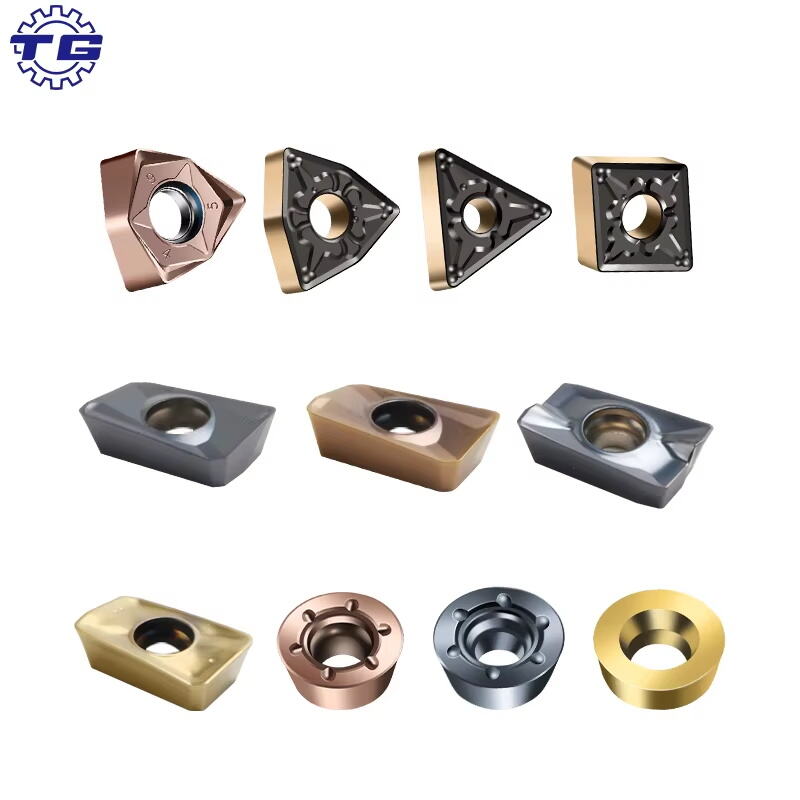
Carbide turning tools represent a significant advancement in modern machining technology, offering exceptional performance for metalworking operations across diverse industrial applications. These cutting instruments are manufactured using tungsten carbide, a compound known for its extraordinary hardness and heat resistance properties. The primary function of carbide turning tools involves removing material from rotating workpieces to create precise cylindrical shapes, tapers, contours, and threading operations. These tools excel in high-speed machining environments where conventional steel tools would quickly deteriorate. The technological features of carbide turning tools include superior wear resistance, outstanding thermal stability, and the ability to maintain sharp cutting edges even under extreme operational conditions. The carbide composition typically combines tungsten carbide particles with cobalt binder, creating a material that ranks among the hardest substances used in manufacturing. Modern carbide turning tools often incorporate advanced coating technologies such as titanium nitride, titanium carbonitride, or aluminum oxide layers, which further enhance their performance characteristics. These coatings reduce friction, prevent built-up edge formation, and extend tool life significantly. Applications for carbide turning tools span numerous industries including automotive manufacturing, aerospace engineering, oil and gas equipment production, medical device fabrication, and general metalworking shops. They effectively machine various materials ranging from soft aluminum alloys to hardened steels, stainless steels, cast iron, and exotic superalloys. The geometry of carbide turning tools can be customized for specific operations such as facing, profiling, grooving, threading, and boring. Their consistent performance enables manufacturers to achieve tight tolerances, superior surface finishes, and repeatable results across production runs. The implementation of carbide turning tools in manufacturing operations contributes to increased productivity, reduced downtime, and improved cost-effectiveness in machining processes.


New Product Recommendations

Carbide turning tools deliver substantial benefits that directly impact your production efficiency and bottom line. First and foremost, these tools operate at cutting speeds three to five times faster than traditional high-speed steel alternatives, allowing you to complete jobs quicker and increase your throughput significantly. This speed advantage translates directly into more parts produced per shift and better utilization of your machinery investment. The exceptional hardness of carbide turning tools means they maintain their cutting edge much longer than conventional options, reducing the frequency of tool changes during production runs. Fewer interruptions for tool replacement means your operators spend more time actually cutting metal and less time adjusting machines, resulting in improved labor productivity. The extended tool life also means you purchase replacement tools less frequently, lowering your overall tooling costs despite the higher initial investment per tool. These tools generate superior surface finishes on machined parts, often eliminating or reducing secondary finishing operations that would otherwise consume additional time and resources. The improved surface quality helps you meet stringent specifications without extra processing steps. Carbide turning tools demonstrate remarkable consistency throughout their service life, maintaining dimensional accuracy from the first cut to the last. This reliability enables you to produce parts that consistently meet tolerances without constant monitoring and adjustment, reducing scrap rates and rework expenses. The heat resistance of carbide turning tools allows them to perform effectively in demanding applications where high temperatures would destroy other tool materials. This capability opens opportunities to machine difficult materials that might otherwise require specialized equipment or slower processing methods. You gain greater flexibility in material selection without sacrificing efficiency. The strength of these tools enables aggressive cutting parameters with deeper cuts and faster feed rates, removing more material per pass and shortening cycle times. This aggressive capability is particularly valuable when working with large workpieces or removing substantial amounts of stock. Modern carbide turning tools require minimal maintenance beyond occasional edge inspection and proper handling. Their robust construction withstands the rigors of production environments, and they resist chipping better than brittle ceramic alternatives. The predictable wear patterns of carbide turning tools simplify production planning, allowing you to schedule tool changes proactively rather than responding to unexpected failures that disrupt workflows.

Practical Tips

How does high speed steel differ from carbon steel?

30

Dec

How does high speed steel differ from carbon steel?

Manufacturing and machining industries rely heavily on selecting the right steel type for specific applications, with high speed steel and carbon steel representing two of the most significant categories in industrial tooling. Understanding the funda...
View More
How to Choose the Right Milling Cutter for Your Project?

10

Feb

How to Choose the Right Milling Cutter for Your Project?

Selecting the appropriate milling cutter for your machining project is a critical decision that directly impacts production efficiency, surface finish quality, and overall manufacturing costs. Whether you're working with aluminum, steel, or exotic al...
View More
What Types of Milling Cutter Tools Are Best for Different Materials?

28

Feb

What Types of Milling Cutter Tools Are Best for Different Materials?

Modern manufacturing relies heavily on precision machining to create complex components across various industries. The selection of appropriate milling cutter tools forms the cornerstone of successful CNC operations, directly impacting surface finish...
View More
Why Endmills Are Crucial in CNC Milling Operations

28

Feb

Why Endmills Are Crucial in CNC Milling Operations

CNC milling operations form the backbone of modern manufacturing, transforming raw materials into precision components that power industries worldwide. At the heart of these sophisticated machining processes lie endmills, cutting tools that define th...
View More

Get a Free Quote

Our representative will contact you soon.
Email
Mobile
Name
Company Name
Message
0/1000

carbide turning tools

Unmatched Durability Reduces Operational Costs

Unmatched Durability Reduces Operational Costs

The exceptional durability of carbide turning tools fundamentally transforms the economics of machining operations by delivering tool life that far exceeds conventional alternatives. This durability stems from the unique material properties of tungsten carbide, which exhibits hardness values approaching diamond on the Mohs scale. When you implement carbide turning tools in your production environment, you immediately notice the reduction in tool change frequency, which represents one of the most significant sources of non-productive time in machining operations. Each tool change requires stopping the machine, removing the worn tool, installing a fresh one, adjusting offsets, and verifying the setup before resuming production. These interruptions accumulate throughout a shift, potentially consuming hours of productive capacity. With carbide turning tools lasting five to ten times longer than high-speed steel options, you dramatically reduce these interruptions and maximize actual cutting time. The economic impact extends beyond just labor savings. Purchasing fewer replacement tools throughout the year directly reduces your consumable tooling expenses, and the longer intervals between changes mean your tool crib inventory can be smaller, freeing up working capital for other investments. The consistency of carbide turning tools throughout their extended service life ensures that the first part machined with a fresh tool edge possesses the same quality characteristics as parts produced hours later, eliminating the variation that can occur with rapidly degrading tool materials. This consistency reduces quality control burden and minimizes the risk of producing out-of-specification parts that must be scrapped or reworked. The wear resistance of carbide turning tools becomes particularly valuable when machining abrasive materials or performing operations that generate significant heat. Where conventional tools would quickly dull and begin producing poor surface finishes or dimensional inaccuracies, carbide maintains its performance, allowing continuous production without compromise. The durability advantage also provides strategic flexibility in production scheduling, as you can confidently plan longer unattended machining runs overnight or during weekends, knowing the tools will maintain their effectiveness throughout extended operations. This capability is increasingly important in competitive manufacturing environments where maximizing equipment utilization directly impacts profitability and delivery performance.
High-Speed Machining Capabilities Boost Productivity

High-Speed Machining Capabilities Boost Productivity

Carbide turning tools unlock substantial productivity gains through their ability to operate at significantly higher cutting speeds compared to traditional tool materials, fundamentally changing what is achievable in metalworking operations. The thermal stability of tungsten carbide allows these tools to withstand the intense heat generated at the cutting zone when operating at elevated speeds, maintaining their hardness and structural integrity where other materials would soften and fail. This heat resistance means you can program your CNC machines to run at optimal parameters that would be impossible with conventional tooling, directly translating into shorter cycle times for each part produced. When cycle times decrease by thirty to fifty percent through the implementation of carbide turning tools, the impact on your overall production capacity becomes transformative. A machine that previously produced one hundred parts per shift might now generate one hundred fifty or more parts in the same timeframe, effectively increasing your manufacturing capacity without capital investment in additional equipment. This productivity enhancement becomes particularly valuable when facing tight delivery schedules or unexpected demand surges, as your existing equipment can accomplish more with the same labor input. The speed capabilities of carbide turning tools also enable more competitive quoting on new projects, as you can commit to shorter lead times that differentiate your services in the marketplace. Beyond pure speed, these tools maintain accuracy and surface finish quality even at elevated cutting parameters, ensuring that faster production does not come at the expense of part quality. The ability to take deeper cuts at higher feed rates means you remove more material per pass, reducing the number of passes required to achieve final dimensions and further shortening overall machining time. For operations involving difficult-to-machine materials like stainless steels or heat-resistant alloys, the speed advantage of carbide turning tools becomes even more pronounced, as these materials often require multiple passes with conventional tooling but can be machined more aggressively with carbide. The productivity gains extend to reduced energy consumption per part, as shorter machining times mean less electricity used for each component produced, contributing to both cost savings and environmental sustainability objectives. The rapid material removal capability also reduces machine wear per part, as equipment spends less time under load for each workpiece, potentially extending maintenance intervals and equipment service life.
Versatile Material Compatibility Expands Application Range

Versatile Material Compatibility Expands Application Range

The remarkable versatility of carbide turning tools in handling diverse material types provides manufacturers with unprecedented flexibility in accepting varied projects and responding to changing market demands. Unlike specialized tool materials that excel with specific workpiece materials but struggle with others, carbide turning tools demonstrate competent performance across an exceptionally broad spectrum of metals and alloys. This versatility eliminates the need to maintain extensive inventories of different tool types for different materials, simplifying tool management and reducing the capital tied up in tooling inventory. When your shop can confidently machine everything from soft aluminum alloys to hardened tool steels using the same basic carbide turning tool platform, you gain operational agility that translates directly into competitive advantage. The ability to quickly switch between projects involving different materials without extensive tooling changeovers reduces setup time and enables more responsive service to customers with diverse needs. Carbide turning tools effectively machine common materials like mild steel and aluminum while also handling more challenging substances including stainless steel grades that work-harden during cutting, abrasive cast irons that quickly dull conventional tools, and exotic nickel-based superalloys used in aerospace applications. This capability means you can pursue opportunities in high-value markets like aerospace, medical devices, and energy equipment where material requirements are demanding and profit margins reward technical capability. The consistent performance of carbide turning tools across material types also simplifies operator training and programming, as machinists develop familiarity with how these tools behave rather than learning the quirks of multiple specialized tool materials. The chemical stability of tungsten carbide prevents unwanted reactions with workpiece materials that might cause tool degradation or contamination of machined surfaces, ensuring clean cutting action regardless of material composition. Modern carbide grades and coating technologies have further expanded the material compatibility range, with specific formulations optimized for particular applications while maintaining general-purpose versatility. When new materials emerge in response to engineering innovations, carbide turning tools typically adapt more readily than alternative tool materials, protecting your tooling investment against obsolescence. The versatility advantage becomes particularly valuable for job shops and contract manufacturers who cannot predict exactly what materials incoming projects will require, as carbide turning tools provide confidence that you possess the capability to handle whatever arrives.
carbide turning tools-0
carbide turning tools-1

Get a Free Quote

Our representative will contact you soon.
Email
Mobile
Name
Company Name
Message
0/1000