Contact me immediately if you encounter problems!

All Categories

carbide tool tips

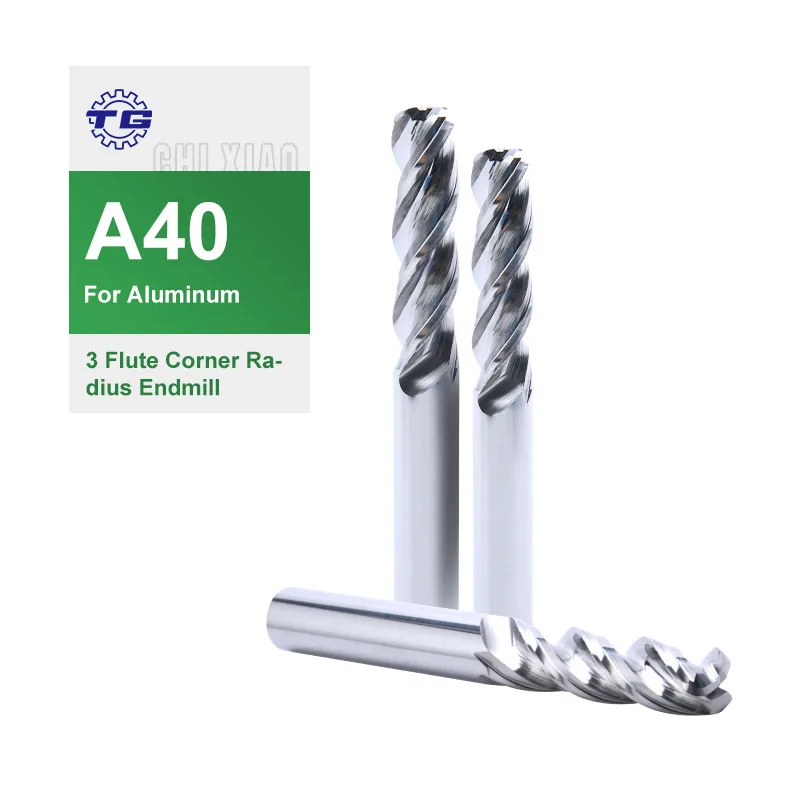
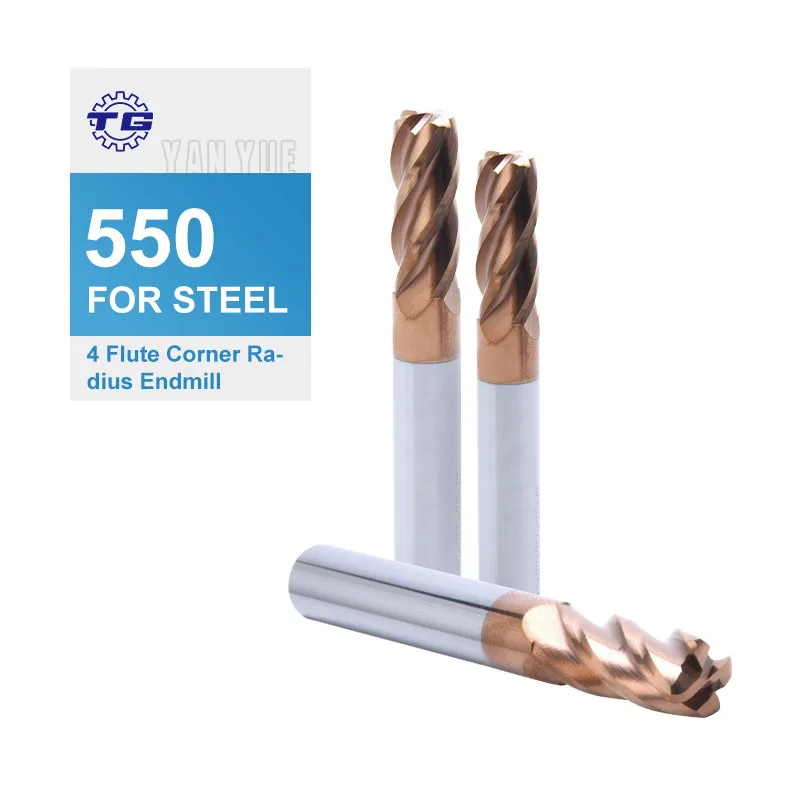
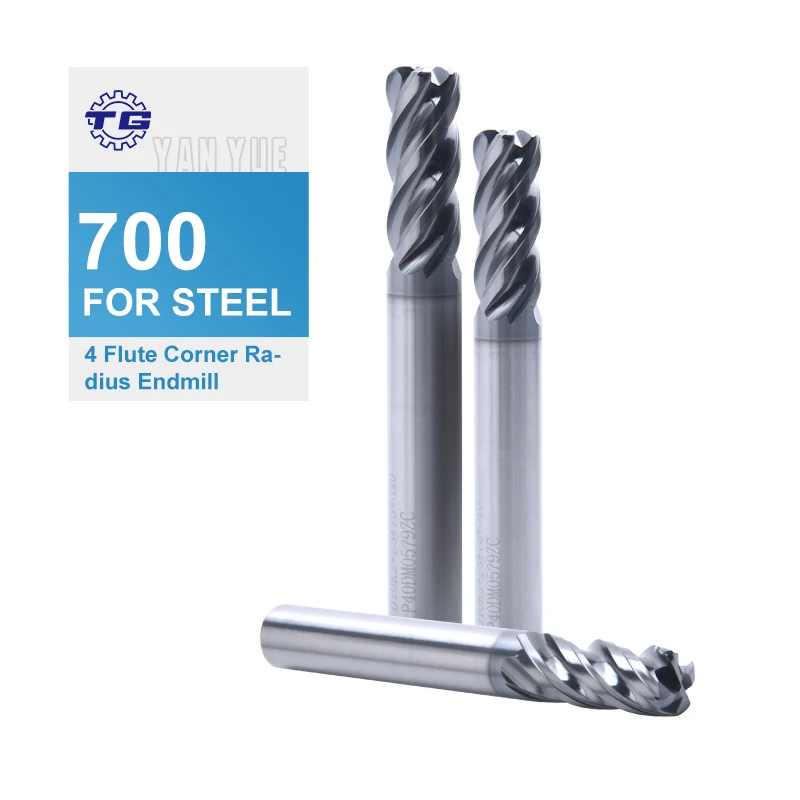
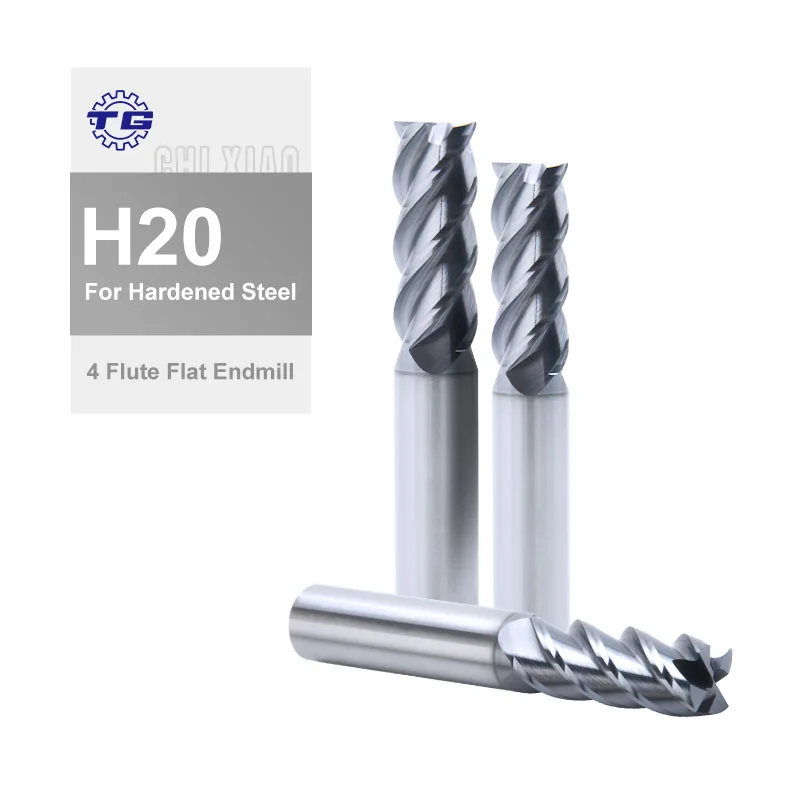
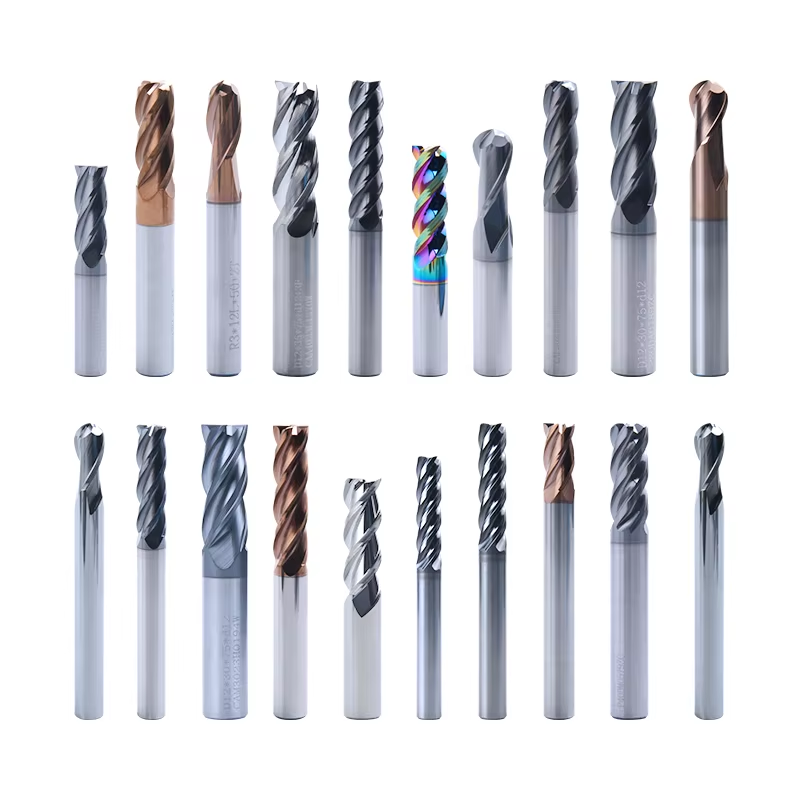
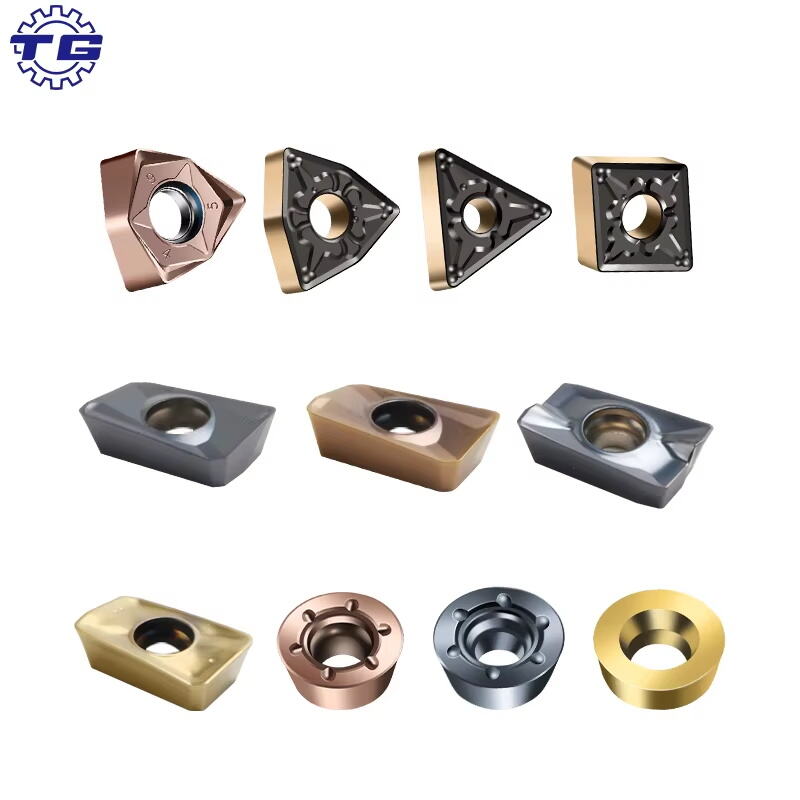
Carbide tool tips represent a revolutionary advancement in cutting technology, designed to deliver exceptional performance across diverse machining operations. These precision-engineered components are manufactured from tungsten carbide, a material renowned for its extraordinary hardness and thermal stability. Carbide tool tips serve as the primary cutting edge in various machining applications, from turning and milling to drilling and boring operations. The main function of these specialized tips is to remove material efficiently while maintaining dimensional accuracy and surface finish quality. By combining tungsten carbide particles with metallic binders through sophisticated powder metallurgy processes, manufacturers create cutting edges that significantly outperform traditional high-speed steel alternatives. The technological features of carbide tool tips include superior wear resistance, excellent heat dissipation properties, and the ability to maintain sharp cutting edges even under extreme operating conditions. These components are engineered with precise geometries that optimize chip formation and evacuation, reducing cutting forces and minimizing power consumption during machining operations. Modern carbide tool tips incorporate advanced coatings such as titanium nitride, titanium carbonitride, and aluminum oxide, which further enhance their performance characteristics. These surface treatments provide additional hardness, reduce friction, and extend tool life significantly. The applications of carbide tool tips span numerous industries, including automotive manufacturing, aerospace component production, general metalworking, woodworking, and construction. They are particularly valuable in high-volume production environments where consistency, reliability, and cost-effectiveness are paramount. Whether machining ferrous metals, non-ferrous alloys, composites, or hardened materials, carbide tool tips deliver the cutting performance that modern manufacturing demands. Their versatility extends to both conventional machine tools and advanced CNC equipment, making them indispensable components in contemporary production facilities worldwide.


Popular Products

Choosing carbide tool tips for your machining operations brings numerous practical benefits that directly impact your bottom line and production efficiency. First and foremost, these cutting tools last significantly longer than conventional alternatives, which means you spend less time changing tools and more time producing parts. This extended lifespan translates to reduced downtime, lower labor costs, and improved overall equipment effectiveness. Workers can focus on productive tasks rather than constantly interrupting operations for tool changes, leading to smoother workflow and better use of skilled labor resources. The exceptional hardness of carbide tool tips allows them to maintain their cutting edge much longer, even when working with tough materials that would quickly dull standard tools. This durability means you can plan production schedules with greater confidence, knowing your tools will perform consistently throughout longer runs. Another significant advantage is the superior cutting speed capability these tools provide. Carbide tool tips can operate at speeds three to five times faster than traditional cutting tools, dramatically reducing cycle times and increasing throughput. This speed advantage means you can produce more parts in less time, improving capacity utilization without investing in additional machinery. The ability to run at higher speeds also contributes to better surface finishes, reducing or eliminating secondary finishing operations that add cost and time to your production process. Carbide tool tips also generate less heat during cutting operations due to their efficient material removal characteristics and superior thermal conductivity. This heat management capability protects both the workpiece and the machine tool from thermal damage, extending equipment life and maintaining part accuracy. The reduced heat generation also means less thermal expansion and distortion, resulting in tighter tolerances and higher quality finished products. From a cost perspective, while carbide tool tips require a higher initial investment compared to standard tools, their extended life and superior performance deliver excellent return on investment. When you calculate cost per part rather than cost per tool, carbide tool tips consistently prove more economical, especially in medium to high-volume production scenarios. Additionally, these tools require less frequent sharpening or replacement, reducing inventory carrying costs and simplifying tool management. The versatility of carbide tool tips represents another practical advantage, as they perform well across a wide range of materials and cutting conditions. This flexibility allows you to standardize on fewer tool types, simplifying purchasing, inventory management, and operator training while still achieving excellent results across diverse applications.

Latest News

How do different drill bit materials affect performance?

30

Dec

How do different drill bit materials affect performance?

Understanding the relationship between drill bit materials and their performance characteristics is crucial for professionals working in manufacturing, construction, and metalworking industries. The material composition of a drill bit directly influe...
View More
How to extend the lifespan of high-speed steel cutting tools?

20

Jan

How to extend the lifespan of high-speed steel cutting tools?

Modern manufacturing industries demand exceptional accuracy and efficiency in their machining operations, making steel precision cutting tools an indispensable component of successful production processes. These specialized instruments represent the ...
View More
Why Endmills Are Crucial in CNC Milling Operations

28

Feb

Why Endmills Are Crucial in CNC Milling Operations

CNC milling operations form the backbone of modern manufacturing, transforming raw materials into precision components that power industries worldwide. At the heart of these sophisticated machining processes lie endmills, cutting tools that define th...
View More
What Safety Measures Are Essential in Holemaking Operations?

31

Mar

What Safety Measures Are Essential in Holemaking Operations?

Holemaking operations represent one of the most fundamental yet potentially hazardous processes in manufacturing environments. These operations involve creating precise holes in various materials using drilling, reaming, boring, and related machining...
View More

Get a Free Quote

Our representative will contact you soon.
Email
Mobile
Name
Company Name
Message
0/1000

carbide tool tips

Unmatched Wear Resistance for Extended Production Runs

Unmatched Wear Resistance for Extended Production Runs

The exceptional wear resistance of carbide tool tips stands as their most compelling feature, fundamentally transforming how manufacturing operations approach tool management and production planning. This remarkable characteristic stems from the unique material composition and advanced manufacturing processes used to create these cutting edges. Tungsten carbide possesses a hardness rating approaching that of diamond, making it extraordinarily resistant to the abrasive forces encountered during metal cutting operations. When machining operations subject cutting edges to extreme pressures and temperatures, ordinary tool materials quickly break down, losing their sharp geometry and cutting effectiveness. Carbide tool tips, however, maintain their structural integrity and cutting edge sharpness far longer, allowing for extended production runs without performance degradation. This wear resistance directly translates to substantial cost savings for manufacturing operations of all sizes. Consider a typical production scenario where conventional tools might require replacement after machining fifty parts. Quality carbide tool tips can often produce five hundred or more parts before requiring replacement or reconditioning, representing a tenfold improvement in tool life. This dramatic extension of usable tool life reduces the frequency of tool changes, minimizing machine downtime and maximizing productive cutting time. The economic implications extend beyond simple tool replacement costs. Each tool change interrupts production flow, requiring operators to stop the machine, remove the worn tool, install a new one, and verify proper setup before resuming operations. These interruptions accumulate throughout a production shift, significantly impacting overall productivity. By dramatically reducing tool change frequency, carbide tool tips allow operations to maintain consistent production flow, meeting delivery schedules more reliably and improving customer satisfaction. Furthermore, the predictable wear patterns of quality carbide tool tips enable more effective production planning. Manufacturers can accurately estimate tool life based on material type, cutting parameters, and historical data, scheduling tool changes during planned maintenance windows rather than responding to unexpected tool failures. This predictability reduces emergency tool purchases, minimizes rush shipping costs, and allows for more efficient inventory management. The wear resistance of carbide tool tips also contributes to more consistent part quality throughout extended production runs, as these tools maintain their dimensional accuracy and surface finish capabilities far longer than alternatives.
Superior Heat Resistance for High-Speed Machining Operations

Superior Heat Resistance for High-Speed Machining Operations

The outstanding heat resistance characteristics of carbide tool tips enable manufacturing operations to achieve cutting speeds previously impossible with conventional tool materials, revolutionizing productivity and efficiency in modern machining environments. During metal cutting operations, friction between the tool and workpiece generates substantial heat, with temperatures at the cutting edge often exceeding one thousand degrees Celsius. Traditional high-speed steel tools soften and lose their hardness at temperatures above six hundred degrees, severely limiting cutting speeds and feed rates. Carbide tool tips, by contrast, maintain their hardness and structural integrity at temperatures exceeding one thousand degrees Celsius, allowing them to operate effectively under conditions that would destroy conventional tools within seconds. This exceptional thermal stability opens up new possibilities for optimizing machining parameters to maximize productivity. Manufacturers can increase cutting speeds dramatically, sometimes doubling or tripling production rates compared to operations using standard tooling. These higher speeds reduce cycle times proportionally, allowing the same machine tools to produce significantly more parts per shift without sacrificing quality or accuracy. The economic impact of this productivity improvement can be transformative, particularly for high-volume production operations where even small cycle time reductions multiply into substantial capacity gains. The heat resistance of carbide tool tips also contributes to better workpiece quality by minimizing heat transfer into the part being machined. Excessive heat can cause metallurgical changes in workpiece materials, alter dimensional accuracy through thermal expansion, and degrade surface finish quality. By maintaining their cutting effectiveness at higher speeds, carbide tool tips actually generate more efficient cutting action that produces chips which carry heat away from the cutting zone more effectively. This efficient heat management protects workpiece integrity while simultaneously enabling faster production rates. Additionally, the thermal properties of carbide tool tips reduce thermal stress on machine tools themselves. Lower heat transfer to machine components minimizes thermal expansion of spindles, slides, and other precision elements that affect machining accuracy. This thermal stability helps maintain tight tolerances throughout extended production runs, reducing scrap rates and rework requirements. The combination of speed capability and thermal management makes carbide tool tips particularly valuable for machining difficult materials such as stainless steels, titanium alloys, and hardened steels that generate substantial heat during cutting operations. These challenging materials require tools that can withstand both mechanical stress and extreme temperatures, conditions where carbide tool tips truly excel and deliver their greatest competitive advantage.
Exceptional Versatility Across Diverse Materials and Applications

Exceptional Versatility Across Diverse Materials and Applications

The remarkable versatility of carbide tool tips represents a strategic advantage for manufacturing operations seeking to optimize their tooling inventories while maintaining flexibility to handle diverse production requirements. Unlike specialized cutting tools designed for narrow application ranges, quality carbide tool tips perform effectively across an extraordinarily wide spectrum of materials, from soft aluminum alloys to hardened tool steels, and from cast iron to exotic superalloys used in aerospace applications. This broad application capability stems from the fundamental material properties of tungsten carbide and the ability to tailor carbide grades and geometries to specific cutting requirements. Manufacturers produce carbide tool tips in numerous grades, each optimized for particular material families and cutting conditions. Fine-grain carbide grades with higher binder content offer excellent toughness for interrupted cuts and rough machining operations, while ultra-fine grain grades provide maximum hardness for finishing operations and abrasive materials. This range of available grades means that operations can select carbide tool tips precisely matched to their specific applications while still benefiting from standardized tooling systems and simplified inventory management. The versatility extends beyond material compatibility to encompass various machining operations including turning, facing, boring, threading, grooving, and parting-off operations. A single carbide tool tip design can often handle multiple operations, reducing the number of tool changes required during complex part production and simplifying setup procedures. This operational flexibility proves particularly valuable in job shop environments and low-volume production scenarios where frequent changeovers between different part types would otherwise require extensive tool inventory and setup time. Modern carbide tool tips also accommodate a wide range of cutting conditions, from light finishing cuts requiring fine surface finish to heavy roughing operations demanding maximum material removal rates. This adaptability allows manufacturers to optimize cutting parameters for each specific operation without changing tool types, streamlining production processes and reducing complexity. The availability of various coating options further enhances this versatility, as different coating materials provide specific advantages for particular workpiece materials and cutting conditions. Titanium aluminum nitride coatings excel in high-temperature applications, while diamond-like carbon coatings reduce friction when machining non-ferrous materials, and multi-layer coatings combine multiple benefits for general-purpose applications. This versatility also translates to compatibility with both conventional machine tools and modern CNC equipment, allowing manufacturers to standardize on carbide tool tips across their entire facility regardless of machine tool vintage or sophistication. The resulting simplification of tool management, operator training, and inventory control delivers organizational benefits that complement the direct performance advantages of these exceptional cutting tools.
carbide tool tips-0
carbide tool tips-1

Get a Free Quote

Our representative will contact you soon.
Email
Mobile
Name
Company Name
Message
0/1000