Contact me immediately if you encounter problems!

All Categories

carbide insert threading tool

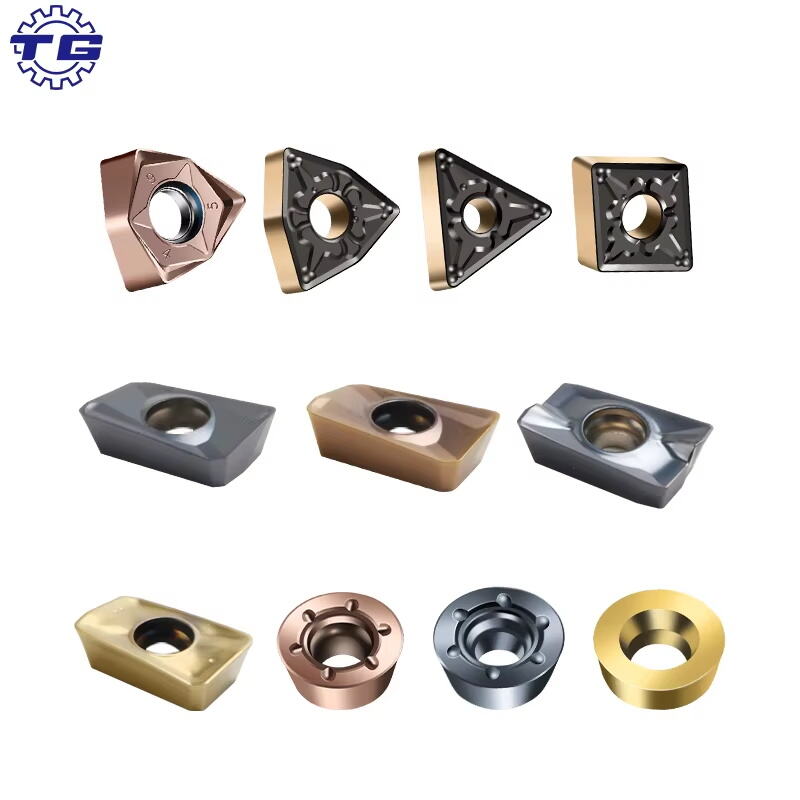
The carbide insert threading tool represents a cutting-edge solution in modern machining operations, designed specifically for creating precise internal and external threads on various workpieces. This advanced threading system utilizes replaceable carbide inserts that are engineered to deliver exceptional performance in thread cutting applications across multiple industries. The carbide insert threading tool consists of a robust tool holder and indexable carbide inserts featuring precisely ground cutting edges that form thread profiles according to international standards. The primary function of the carbide insert threading tool is to produce accurate, clean threads on materials ranging from soft aluminum to hardened steel, making it an indispensable asset in manufacturing environments. These tools excel at creating threads with various profiles including metric, unified, ACME, trapezoidal, and buttress configurations. The technological features of the carbide insert threading tool include advanced carbide grades that offer superior wear resistance, positive rake angles for reduced cutting forces, and chip-breaking geometries that ensure efficient chip evacuation during the threading process. The inserts are manufactured using sophisticated grinding techniques that guarantee dimensional accuracy and surface finish quality. Modern carbide insert threading tools incorporate multiple cutting edges on each insert, providing excellent economic value through extended tool life and reduced downtime for tool changes. The application scope of the carbide insert threading tool spans automotive manufacturing, aerospace component production, oil and gas equipment fabrication, hydraulic cylinder manufacturing, and general engineering workshops. These tools are particularly effective in CNC turning centers and conventional lathes where thread cutting operations are frequently performed. The carbide insert threading tool can handle both roughing and finishing operations, enabling manufacturers to complete threading tasks efficiently in single or multiple passes depending on thread depth and material properties.

Popular Products

The carbide insert threading tool delivers remarkable cost savings for manufacturing operations through its replaceable insert design that eliminates the need to replace entire tool assemblies when cutting edges become worn. Instead of discarding an expensive complete tool, operators simply index or replace the small carbide insert, reducing tooling expenses dramatically over time. This economical approach allows shops to maintain multiple insert grades and geometries in inventory without significant capital investment. The tool provides exceptional versatility because a single tool holder can accommodate various insert types for different thread forms and pitches, eliminating the need for multiple dedicated threading tools and freeing up valuable tool magazine positions in CNC machines. Users experience dramatically improved productivity since carbide insert threading tools cut threads faster than traditional methods like taps or dies, and the ability to use multiple inserts on one holder means less machine downtime for tool changes. The precision engineered inserts create threads with consistent accuracy and excellent surface finish, reducing or eliminating secondary finishing operations that waste time and resources. Operators appreciate the simplicity of setup and operation because carbide insert threading tools are straightforward to install and adjust, requiring minimal training compared to complex threading systems. The rigid construction of quality tool holders minimizes vibration and chatter during cutting, resulting in better thread quality and longer tool life while protecting expensive workpieces from damage. Manufacturers benefit from predictable tool performance because carbide inserts wear gradually and consistently, allowing scheduling of insert changes during planned maintenance rather than dealing with unexpected tool failures that disrupt production. The tools work effectively across a wide range of materials including difficult-to-machine alloys, stainless steels, and high-temperature materials that would quickly destroy conventional threading tools. Enhanced chip control features built into modern carbide insert threading tools ensure chips are broken into manageable sizes and directed away from the cutting zone, preventing chip-related defects and protecting both the workpiece and machine tool. The availability of specialized coatings on carbide inserts extends tool life even further in demanding applications, while providing thermal protection that enables higher cutting speeds for increased throughput without sacrificing thread quality or dimensional accuracy.

Latest News

How do different drill bit materials affect performance?

30

Dec

How do different drill bit materials affect performance?

Understanding the relationship between drill bit materials and their performance characteristics is crucial for professionals working in manufacturing, construction, and metalworking industries. The material composition of a drill bit directly influe...
View More
What Types of Milling Cutter Tools Are Best for Different Materials?

28

Feb

What Types of Milling Cutter Tools Are Best for Different Materials?

Modern manufacturing relies heavily on precision machining to create complex components across various industries. The selection of appropriate milling cutter tools forms the cornerstone of successful CNC operations, directly impacting surface finish...
View More
How CNC Tools Improve Accuracy in Precision Manufacturing

28

Feb

How CNC Tools Improve Accuracy in Precision Manufacturing

Precision manufacturing has revolutionized modern industry by delivering components with unprecedented accuracy and consistency. At the heart of this technological advancement lies the sophisticated world of CNC tools, which have transformed how manu...
View More
Why Are Carbide End Mills Better for Metal Cutting?

31

Mar

Why Are Carbide End Mills Better for Metal Cutting?

When it comes to precision metal cutting operations, the choice of cutting tool directly impacts productivity, surface finish quality, and overall manufacturing costs. Carbide end mills have emerged as the preferred solution for demanding metal cutti...
View More

Get a Free Quote

Our representative will contact you soon.
Email
Mobile
Name
Company Name
Message
0/1000

carbide insert threading tool

Superior Tool Life and Economic Efficiency

Superior Tool Life and Economic Efficiency

The carbide insert threading tool fundamentally transforms the economics of threading operations through its exceptional tool life characteristics and cost-effective design philosophy. Unlike solid threading tools that must be completely replaced when worn, the carbide insert threading tool utilizes small, replaceable inserts that contain multiple usable cutting edges. When one edge becomes dull, operators simply rotate the insert to present a fresh cutting edge, multiplying the useful life of each insert by the number of available edges. This indexable design means that a single carbide insert can often complete the same amount of work as multiple solid tools, delivering substantial cost reductions in tooling budgets. The carbide material itself contributes significantly to extended tool life because it maintains hardness and cutting edge integrity at elevated temperatures generated during high-speed threading operations. Premium carbide grades resist abrasive wear, crater wear, and edge chipping that rapidly degrade inferior cutting tools. Manufacturers can select from various carbide grades optimized for specific material families, ensuring the carbide insert threading tool performs optimally whether cutting soft aluminum, abrasive cast iron, tough stainless steel, or exotic super alloys. Advanced coating technologies further enhance tool life by reducing friction, lowering cutting temperatures, and preventing chemical reactions between the workpiece material and cutting edge. Common coatings include titanium nitride, titanium carbonitride, and aluminum oxide layers that act as thermal barriers while providing slippery surfaces that facilitate chip flow. The economic benefits extend beyond raw tool costs to include reduced machine downtime since insert changes take mere seconds compared to the extended periods required to remove and replace complete tooling assemblies. This quick-change capability keeps production lines running efficiently and maximizes the return on expensive CNC machine investments. Additionally, the compact size of replacement inserts means shops can maintain comprehensive inventory without dedicating substantial storage space or tying up working capital in bulky tool stocks. The predictable wear patterns of quality carbide insert threading tools enable proactive maintenance scheduling, preventing unexpected tool failures that cause scrapped parts and missed delivery deadlines.
Exceptional Versatility Across Threading Applications

Exceptional Versatility Across Threading Applications

The carbide insert threading tool stands out in modern manufacturing environments due to its remarkable versatility in handling diverse threading requirements with a single tool system. This adaptability stems from the modular design philosophy where standardized tool holders accept a wide variety of insert configurations, each designed for specific thread forms, pitches, and material applications. Manufacturers can quickly switch between metric and unified thread standards, adjust for different thread pitches ranging from coarse to fine, and accommodate various thread depths without investing in completely different tooling systems. This flexibility proves invaluable in job shops and manufacturing facilities that produce diverse product lines requiring multiple thread specifications. The carbide insert threading tool easily handles both external threading on shafts and internal threading in bores, with specialized inserts available for each application geometry. Some advanced tool systems even offer adjustable holders that allow fine-tuning of thread dimensions, enabling operators to compensate for insert wear or adjust thread fit classes without changing tools. The versatility extends to the range of compatible machine tools, as carbide insert threading tools work effectively in CNC turning centers, Swiss-type automatic lathes, conventional engine lathes, and even some milling machines equipped with appropriate spindle orientations. Material versatility represents another significant advantage, with insert manufacturers offering specialized grades for aluminum, steel, stainless steel, cast iron, titanium, and high-temperature alloys. Each grade features optimized substrate composition, grain structure, and coating selection that maximizes performance in its intended material family. Threading operations benefit from this material-specific optimization through increased cutting speeds, improved surface finishes, and reduced occurrence of work-hardening or built-up edge formation. The carbide insert threading tool also accommodates various threading strategies including single-point threading, multi-pass threading for deep threads, and modified approaches for interrupted cuts or thin-walled components. Programmers appreciate the flexibility to adjust cutting parameters including depth of cut per pass, spindle speed, and feed rate to optimize cycle time and tool life for each specific application. This comprehensive versatility means manufacturing operations can consolidate their threading tool inventory, simplify operator training, reduce setup complexity, and respond quickly to changing production requirements.

Precision Thread Quality and Process Reliability

Precision Thread Quality and Process Reliability

The carbide insert threading tool delivers unmatched precision and reliability in thread production, characteristics that directly impact product quality, assembly efficiency, and customer satisfaction. Thread accuracy begins with the manufacturing process of the carbide inserts themselves, where advanced grinding techniques create thread profiles that conform to international standards with micrometer-level precision. These precisely formed cutting edges transfer their geometry directly to the workpiece, producing threads with accurate pitch, correct flank angles, and proper thread depth that ensure reliable mechanical performance in threaded assemblies. The rigid construction of quality tool holders prevents deflection during cutting, maintaining positional accuracy even under the substantial cutting forces generated during threading operations. This rigidity becomes especially critical when threading deep holes or creating long thread lengths where tool deflection would accumulate and compromise thread quality. Modern carbide insert threading tools incorporate precision clamping mechanisms that securely lock inserts in exact positions, eliminating movement or shifting that would introduce dimensional errors. The consistent geometry of manufactured inserts ensures repeatability across production runs, so threads cut with a fresh insert match those produced just before an insert change, maintaining uniform quality throughout production batches. Process reliability extends to chip management, a critical factor in threading operations where long, stringy chips can entangle around the workpiece, damage freshly cut threads, or interfere with cutting tool engagement. Carbide insert threading tools feature engineered chip-breaking geometries that fracture chips into short segments that evacuate cleanly from the cutting zone. This controlled chip formation prevents the threading disruptions and surface defects that plague operations using poorly designed threading tools. The thermal stability of carbide materials ensures cutting edges maintain their sharpness and geometry even during extended production runs or when machining materials that generate high cutting temperatures. This thermal performance translates to consistent thread dimensions from the first part to the last in a production batch. Manufacturers gain confidence in their threading processes knowing that carbide insert threading tools deliver predictable results that meet specifications without requiring constant monitoring or adjustment. The reliability factor reduces scrap rates, eliminates costly rework operations, and builds the process consistency that enables efficient lean manufacturing practices. Quality control becomes simplified when threading tools produce repeatable results, reducing inspection requirements and accelerating production flow.
carbide insert threading tool-0
carbide insert threading tool-1

Get a Free Quote

Our representative will contact you soon.
Email
Mobile
Name
Company Name
Message
0/1000