Contact me immediately if you encounter problems!

All Categories

cnc endmills

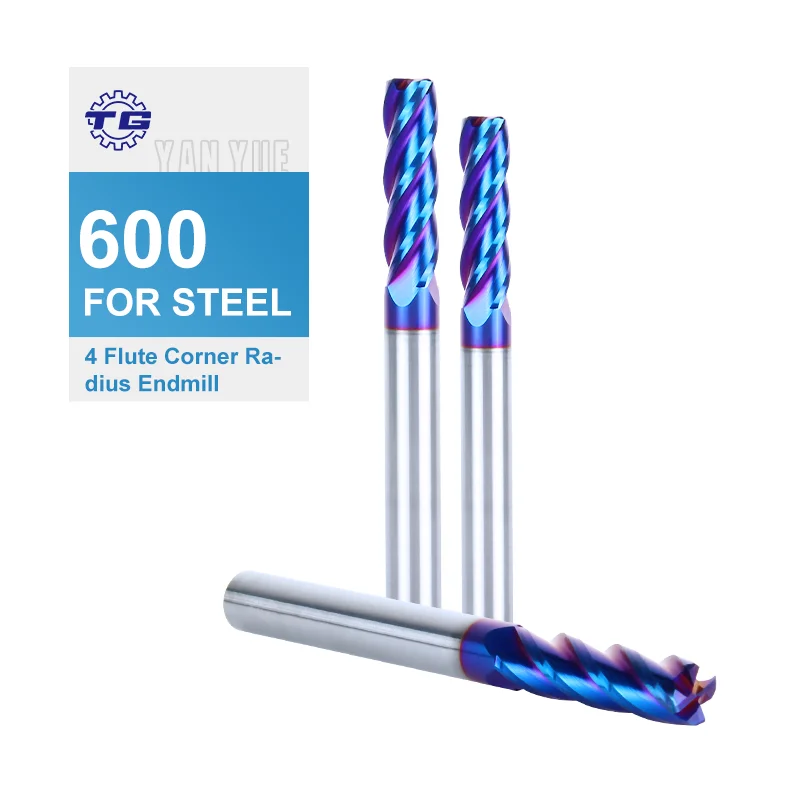
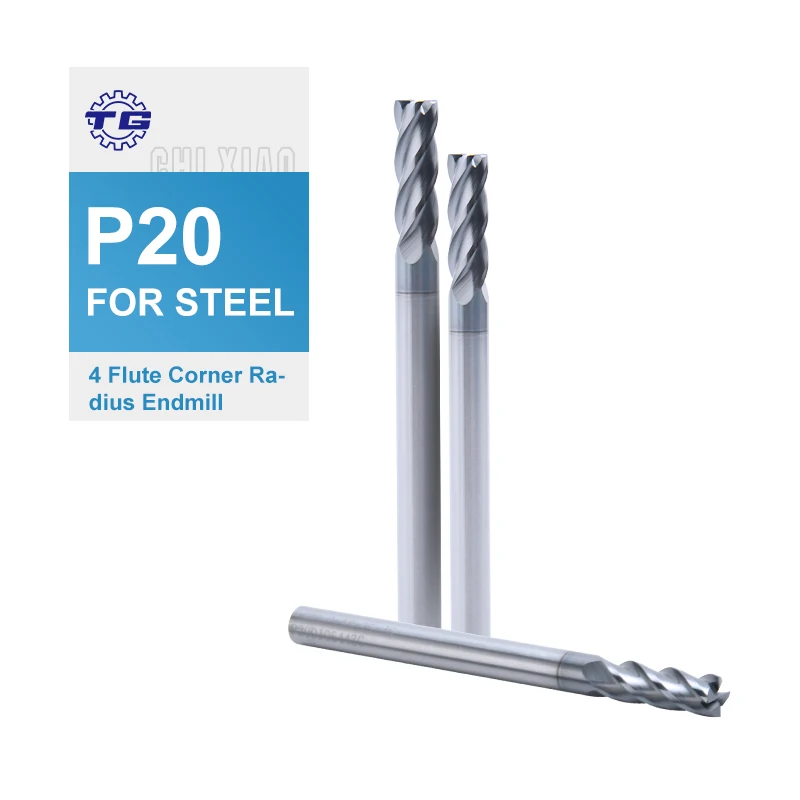
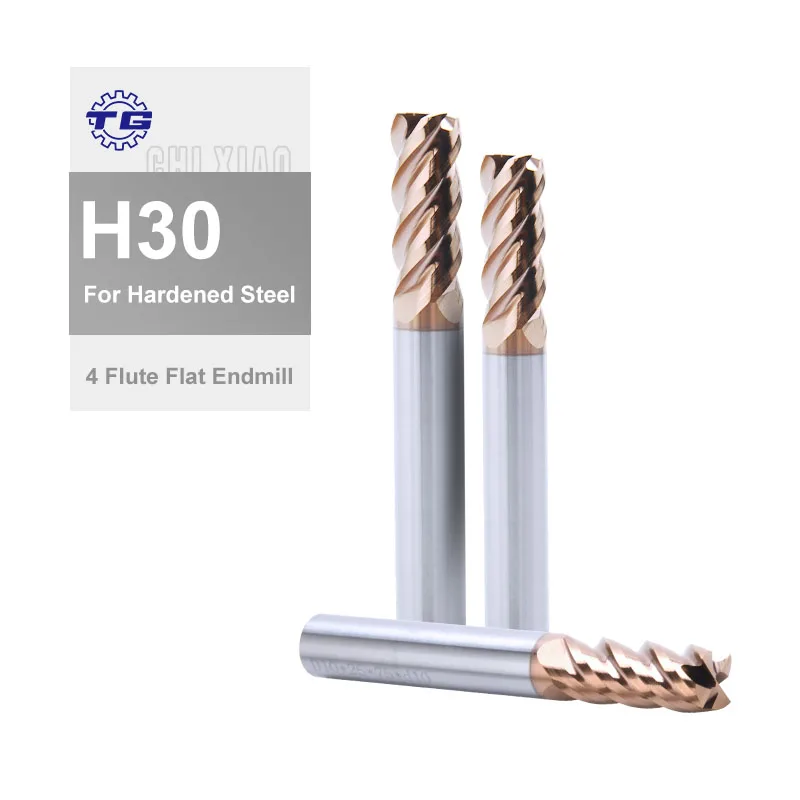
CNC endmills represent essential cutting tools specifically designed for computer numerical control machining operations across diverse manufacturing environments. These precision-engineered tools feature sharp cutting edges positioned at their tip and along peripheral surfaces, enabling them to perform complex material removal tasks with exceptional accuracy. Modern CNC endmills are manufactured from premium materials including high-speed steel, carbide, and specialized coatings that enhance performance characteristics. The fundamental purpose of CNC endmills involves removing material from workpieces through rotational cutting motions, creating intricate shapes, slots, pockets, and contours with remarkable precision. Technological features of CNC endmills include multiple flute designs ranging from two to six or more cutting edges, which determine chip evacuation efficiency and surface finish quality. The geometry of these tools incorporates carefully calculated helix angles, rake angles, and relief angles that optimize cutting performance for specific materials. Advanced coating technologies such as titanium nitride, titanium aluminum nitride, and diamond-like carbon significantly extend tool life while reducing friction and heat generation during machining operations. CNC endmills are available in various configurations including square end, ball nose, corner radius, and roughing styles, each serving distinct manufacturing requirements. Applications span numerous industries including aerospace, automotive, medical device production, mold making, and general fabrication. These versatile tools excel at creating complex three-dimensional surfaces, precision holes, keyways, and detailed finishing operations. The integration of CNC endmills with computer-controlled machinery ensures repeatable accuracy and consistent results across production runs. Material compatibility extends from soft aluminum and plastics to hardened steels and exotic alloys, making CNC endmills indispensable for modern manufacturing facilities seeking to maintain competitive advantages through precision machining capabilities.


Popular Products

The primary advantage of using CNC endmills lies in their ability to deliver consistent, high-precision results that manual machining methods simply cannot match. When you employ these advanced cutting tools in your manufacturing operations, you gain access to accuracy levels measured in thousandths of an inch, ensuring every component meets exact specifications. This precision translates directly into reduced rejection rates, lower material waste, and significant cost savings over time. The versatility of CNC endmills allows you to work with an extensive range of materials without changing your fundamental machining setup. Whether you process aluminum, stainless steel, titanium, or engineering plastics, the appropriate endmill selection enables efficient material removal while maintaining surface finish standards. This flexibility means you can take on diverse projects without investing in completely different equipment configurations. Time efficiency represents another crucial benefit that directly impacts your bottom line. CNC endmills operating under computer control complete complex cutting operations in fractions of the time required by traditional methods. Automated tool paths eliminate human error while maximizing spindle utilization, allowing you to complete more jobs within the same timeframe. This productivity increase enables you to accept additional orders and grow your business capacity without proportional increases in labor costs. The extended tool life of modern CNC endmills reduces your operational expenses significantly. Advanced coatings and superior materials mean these tools maintain sharp cutting edges through thousands of cutting cycles before requiring replacement. This durability minimizes downtime associated with tool changes and reduces your consumable tooling budget. The surface finish quality achieved by CNC endmills often eliminates or reduces secondary finishing operations. Clean cuts with minimal burring mean components may proceed directly to assembly or require only light deburring, saving processing time and labor costs. Safety improvements accompany CNC endmill usage since operators work at safe distances from cutting operations. The enclosed machining environment of CNC equipment protects workers from flying chips and cutting fluids while reducing noise exposure. Repeatability ensures that once you develop an effective cutting program, you can reproduce identical parts indefinitely without variation. This consistency proves invaluable for production runs where every component must match exact specifications. The ability to create complex geometries that would be impossible or extremely difficult with manual methods opens new design possibilities for your products, giving you competitive advantages in innovation and capability.

Practical Tips

Which Shapes of Carbide Inserts Are Best for Steel?

28

Feb

Which Shapes of Carbide Inserts Are Best for Steel?

When machining steel components, selecting the appropriate carbide inserts for steel becomes critical for achieving optimal performance, tool life, and surface finish quality. The geometry and shape of these cutting tools directly influence chip form...
View More
What are the main uses of tungsten carbide?

28

Feb

What are the main uses of tungsten carbide?

Tungsten carbide represents one of the most versatile and durable materials in modern industrial applications, combining exceptional hardness with remarkable wear resistance. This compound material, formed by combining tungsten and carbon atoms in eq...
View More
When should you use high speed steel cutting tools?

31

Mar

When should you use high speed steel cutting tools?

High speed steel cutting tools have revolutionized modern machining operations since their introduction in the early 1900s. These specialized alloys offer exceptional hardness, wear resistance, and heat tolerance that make them indispensable in vario...
View More
What are the differences between high-speed steel and carbide tools?

31

Mar

What are the differences between high-speed steel and carbide tools?

Manufacturing professionals constantly face critical decisions about cutting tool selection, with material choice being perhaps the most fundamental consideration. The choice between high-speed steel and carbide tools directly impacts machining perfo...
View More

Get a Free Quote

Our representative will contact you soon.
Email
Mobile
Name
Company Name
Message
0/1000

cnc endmills

Superior Material Removal Efficiency Through Advanced Flute Design

Superior Material Removal Efficiency Through Advanced Flute Design

The flute configuration of CNC endmills represents one of their most critical design elements, directly influencing material removal rates, chip evacuation effectiveness, and overall machining performance. Modern CNC endmills incorporate scientifically optimized flute geometries that balance cutting efficiency with tool strength, delivering superior results across varied machining applications. The number of flutes on an endmill determines how many cutting edges engage the workpiece during each revolution, directly affecting feed rates and surface finish quality. Two-flute designs excel in aluminum and softer materials, providing large chip evacuation channels that prevent chip packing and material buildup. These configurations allow aggressive feed rates and deep cuts while maintaining clean cutting action. Four-flute CNC endmills offer the ideal compromise for general-purpose machining, providing excellent surface finishes on steel and harder materials while maintaining adequate chip clearance. The increased number of cutting edges distributes cutting forces more evenly, reducing vibration and extending tool life. High-performance applications may utilize six or more flutes for finishing operations where surface quality takes precedence over material removal rates. The helix angle of flute design significantly impacts cutting forces and chip formation. Higher helix angles, typically ranging from thirty-five to forty-five degrees, produce shearing cuts that reduce cutting pressure and improve surface finish. This geometry proves particularly effective for machining difficult materials that tend to work-harden during cutting. Variable helix designs incorporate flutes with different helix angles around the tool circumference, disrupting harmonic vibrations that can cause chatter and poor surface finish. This innovation allows you to achieve stable cutting in challenging conditions such as long overhangs or interrupted cuts. The flute length relative to overall tool length determines cutting depth capability while maintaining rigidity. Longer flutes enable deeper pocket milling but require careful parameter selection to avoid deflection. Chip evacuation efficiency depends heavily on flute volume and geometry. CNC endmills designed with enlarged flute gullets handle higher chip loads without packing, essential for high-speed roughing operations. The polished or specially coated flute surfaces reduce friction, allowing chips to flow smoothly out of the cutting zone. This efficiency prevents heat buildup that accelerates tool wear and maintains cutting performance throughout extended machining cycles. Understanding these flute design principles helps you select the optimal CNC endmill configuration for your specific applications, maximizing productivity while achieving desired quality standards.
Extended Tool Life Through Premium Materials and Coating Technologies

Extended Tool Life Through Premium Materials and Coating Technologies

The longevity and performance consistency of CNC endmills depend fundamentally on the substrate materials and surface coating technologies employed in their manufacture. These elements determine how effectively tools withstand the extreme temperatures, pressures, and abrasive forces encountered during high-speed machining operations. Carbide substrates form the foundation of most premium CNC endmills used in production environments. These materials combine tungsten carbide particles with cobalt binders, creating exceptionally hard and wear-resistant cutting tools. The specific carbide grade selection influences tool characteristics, with finer grain structures providing sharper cutting edges and improved wear resistance for finishing operations, while coarser grains offer greater toughness for roughing applications involving interrupted cuts or challenging conditions. Micro-grain carbide formulations represent the latest advancement, delivering cutting edges that remain sharp significantly longer than conventional grades while maintaining necessary toughness. Coating technologies multiply the performance capabilities of carbide CNC endmills by providing additional protective layers that reduce friction, resist chemical interaction with workpiece materials, and withstand elevated temperatures. Titanium nitride coatings, recognizable by their distinctive gold color, increase surface hardness and reduce friction, extending tool life by two to three times compared to uncoated tools. These coatings prove effective across general machining applications with various materials. Titanium aluminum nitride coatings offer superior high-temperature stability, maintaining hardness at temperatures exceeding eight hundred degrees Celsius. This characteristic makes them ideal for machining hardened steels and high-temperature alloys where cutting zone temperatures reach extreme levels. The distinctive purple-gray appearance indicates this advanced coating technology. Aluminum titanium nitride variants provide even greater oxidation resistance and thermal stability, performing exceptionally well in dry machining applications and high-speed cutting operations. Diamond-like carbon coatings deliver the lowest friction coefficients available, preventing material adhesion when machining aluminum, copper, and non-ferrous metals prone to built-up edge formation. Multi-layer coating architectures combine different materials in alternating thin layers, creating composite structures that leverage the beneficial properties of each component. These sophisticated coatings offer balanced performance across diverse applications. The application process for these coatings utilizes physical vapor deposition technology conducted in vacuum chambers, ensuring uniform coverage and strong adhesion to substrate materials. Proper coating selection matched to your specific workpiece materials and cutting conditions maximizes CNC endmill longevity, reducing tooling costs while maintaining consistent performance throughout extended production runs.
Precision Geometry Optimization for Diverse Machining Applications

Precision Geometry Optimization for Diverse Machining Applications

The geometric design parameters of CNC endmills determine their suitability for specific machining tasks and material types, making geometry selection crucial for achieving optimal results. Understanding these design elements empowers you to choose tools that deliver superior performance for your particular manufacturing requirements. End geometry configurations include square end, ball nose, corner radius, and specialty profiles, each serving distinct purposes. Square end CNC endmills feature cutting edges extending perpendicular to the tool axis, ideal for creating flat-bottomed pockets, slots, and achieving sharp internal corners. These versatile tools handle general milling operations across most manufacturing scenarios. Ball nose endmills incorporate hemispherical tips that enable three-dimensional contouring and complex surface generation. The radius geometry allows smooth transitions across curved surfaces without leaving step marks, essential for mold making, die production, and artistic or aesthetic component manufacturing. Corner radius designs combine attributes of both square and ball configurations, featuring small radii at corners that strengthen the cutting edge while distributing cutting forces more favorably. This geometry significantly extends tool life compared to sharp square corners, particularly when machining harder materials or taking deeper cuts. The radius also improves surface finish in corner regions and reduces stress concentrations that can lead to premature tool failure. Roughing endmills incorporate serrated or scalloped cutting edges that break chips into smaller segments, reducing cutting forces and enabling higher material removal rates. These specialized CNC endmills excel at rapid stock removal during preliminary machining stages, preparing workpieces for finishing operations. Finishing endmills feature higher flute counts and finer edge preparation, delivering superior surface quality for final passes. The cutting edge angle and rake angle significantly influence cutting forces and chip formation characteristics. Positive rake angles create acute cutting edges that slice through material with reduced force, generating less heat and producing better surface finishes. These geometries prove advantageous for machining softer materials and situations where minimizing cutting pressure is essential. Neutral or slightly negative rake angles provide stronger cutting edges capable of withstanding the impact forces encountered in interrupted cutting or when machining abrasive materials. Relief angles ground behind cutting edges prevent rubbing between the tool and workpiece, reducing friction and heat generation. Proper relief angle selection ensures clean cutting action without excessive edge weakness. Neck and shank designs affect tool rigidity and accessibility in confined spaces. Straight shank CNC endmills provide maximum rigidity for general applications, while necked designs allow machining deep pockets or features with restricted access. Understanding how these geometric parameters interact with your specific machining conditions enables informed tool selection that optimizes performance, quality, and cost-effectiveness.
cnc endmills-0
cnc endmills-1

Get a Free Quote

Our representative will contact you soon.
Email
Mobile
Name
Company Name
Message
0/1000