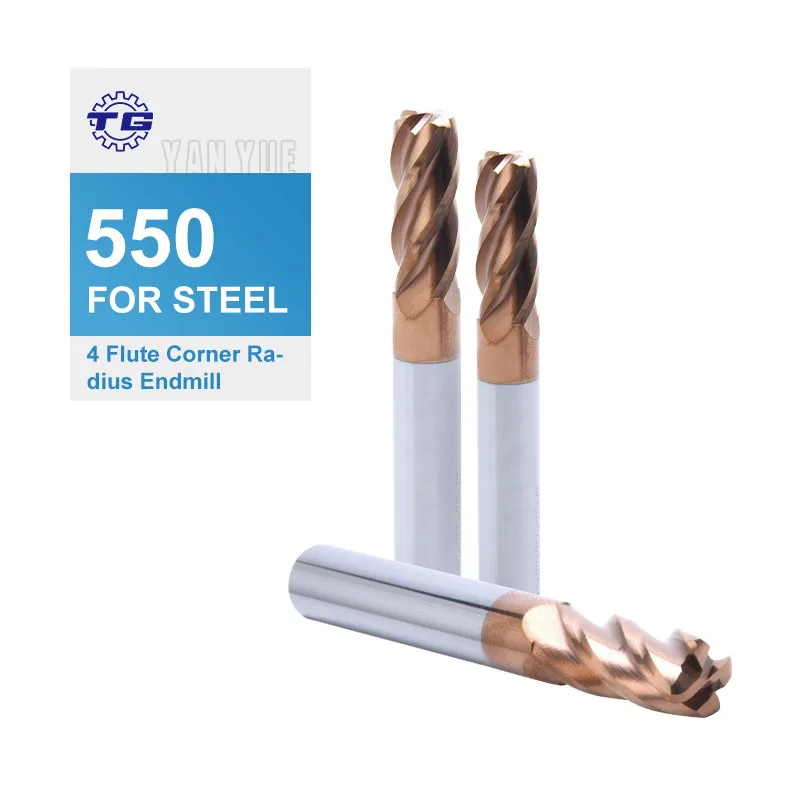
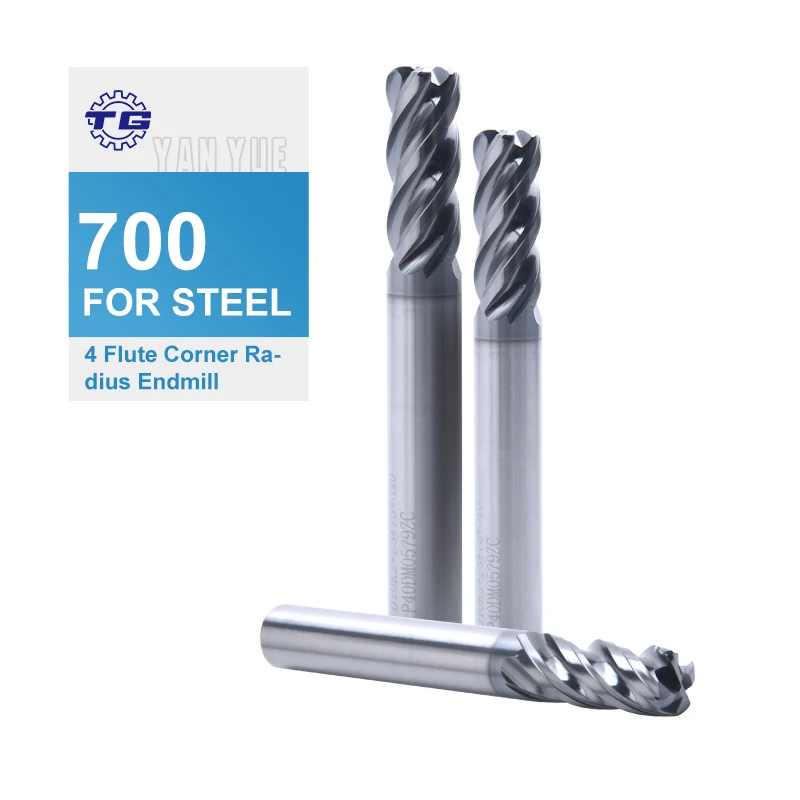
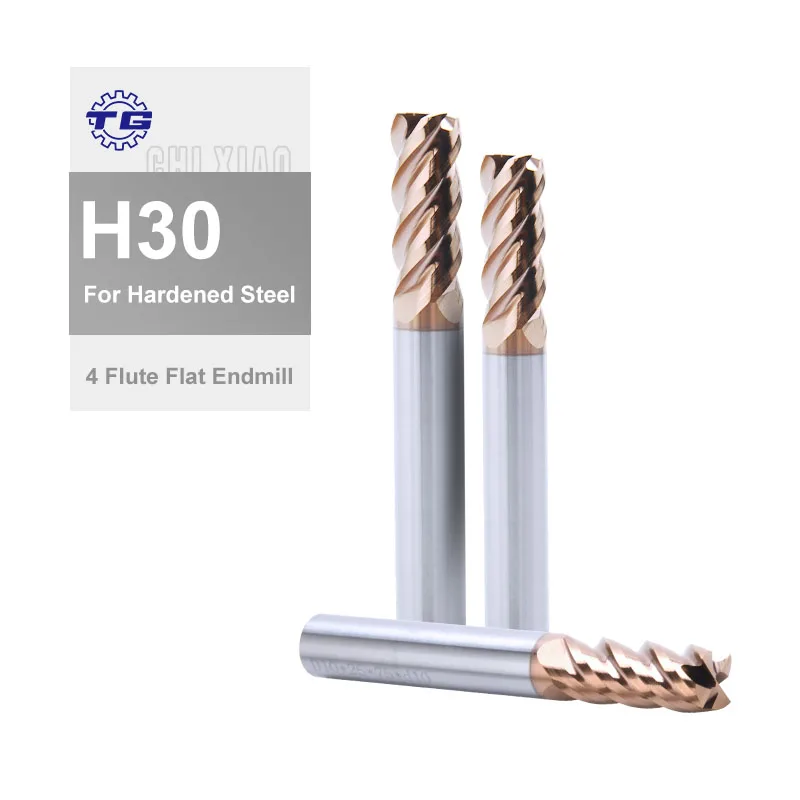
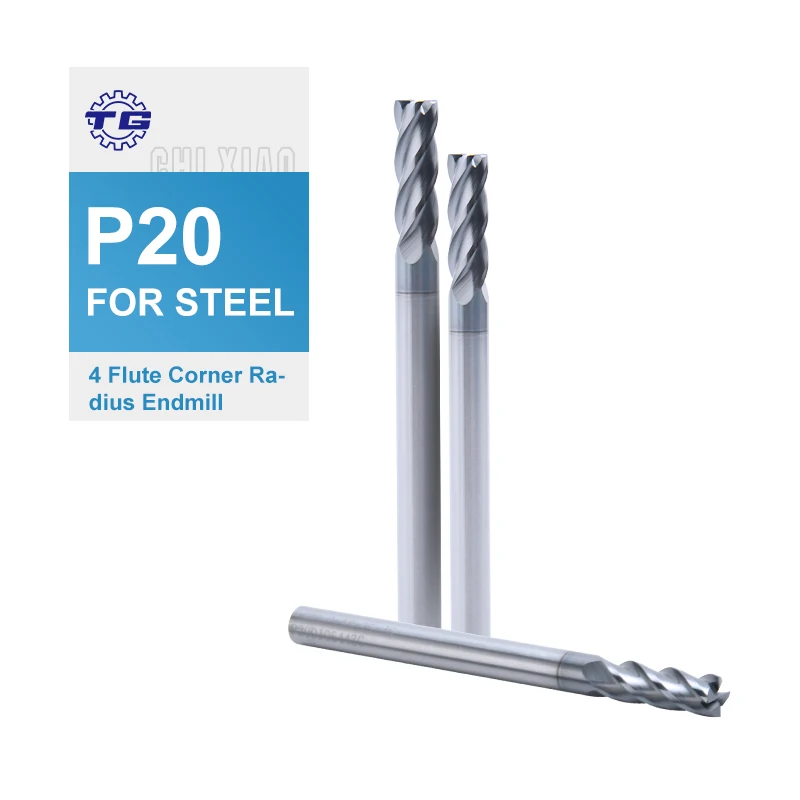
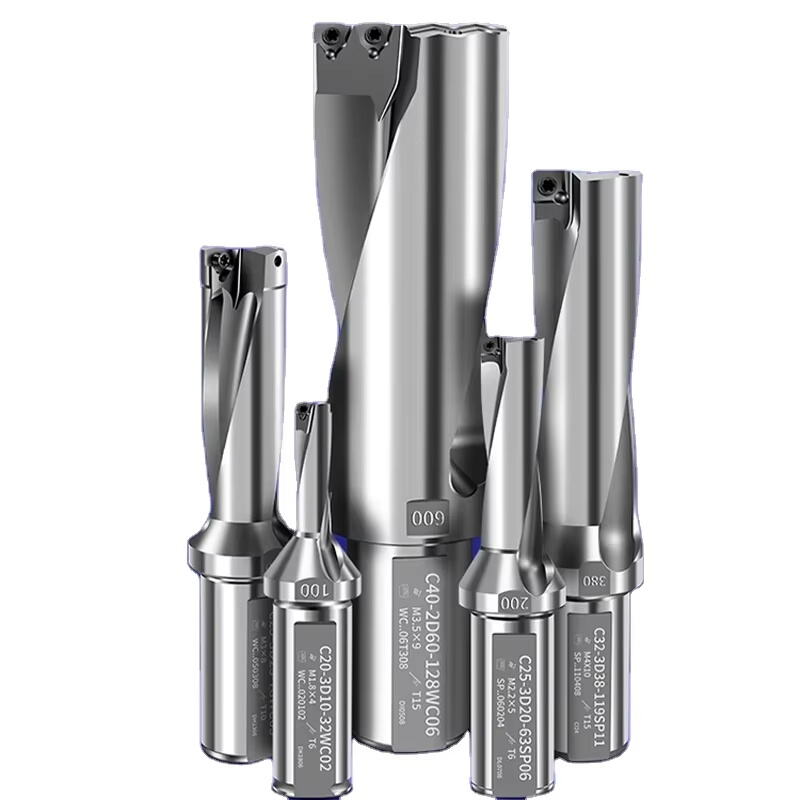
cnc end mill bits
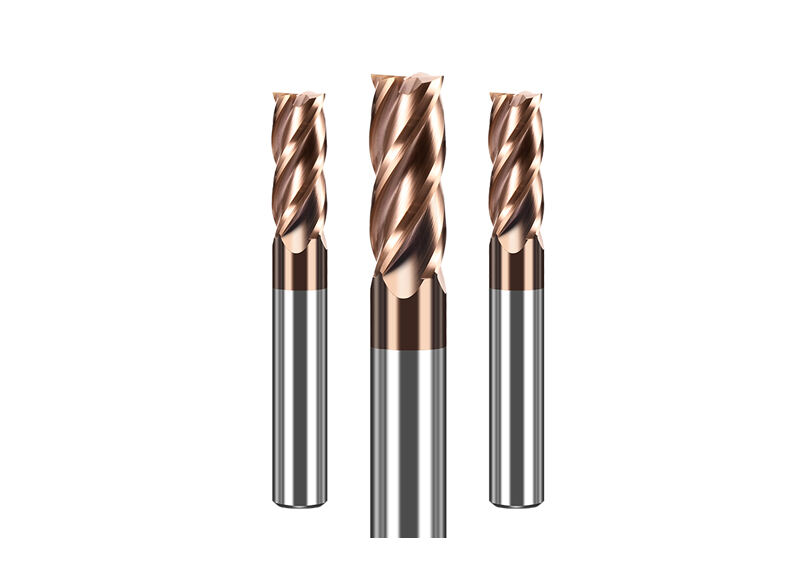
CNC end mill bits represent essential cutting tools designed specifically for precision machining operations in modern manufacturing environments. These specialized cutting instruments feature sharp flutes and cutting edges that rotate at high speeds to remove material from workpieces with exceptional accuracy. CNC end mill bits serve as the primary interface between computerized numerical control machines and raw materials, transforming solid stock into finished components through subtractive manufacturing processes. The main functions of these cutting tools include side milling, face milling, slotting, profiling, contouring, and plunging operations across various materials. Modern cnc end mill bits incorporate advanced geometries and coatings that enhance their performance characteristics significantly. The technological features of these tools include multiple flute designs ranging from two to six or more cutting edges, each engineered to optimize chip evacuation and cutting efficiency for specific applications. Variable helix angles help reduce vibration and chatter during machining operations, while specialized rake angles improve shearing action and reduce cutting forces. Many cnc end mill bits feature advanced substrate materials such as solid carbide, high-speed steel, or cobalt alloys, each offering distinct benefits for particular machining scenarios. Surface treatments like titanium nitride, titanium aluminum nitride, or diamond-like carbon coatings extend tool life and improve heat resistance during aggressive cutting operations. Applications for cnc end mill bits span numerous industries including aerospace, automotive, medical device manufacturing, mold making, and general fabrication. These versatile tools machine materials ranging from soft aluminum and plastics to hardened steels and exotic alloys. Whether creating intricate three-dimensional surfaces, cutting precise pockets, or generating complex contours, cnc end mill bits deliver the accuracy and repeatability that modern manufacturing demands. Their compatibility with computer-controlled machining centers enables automated production runs that maintain consistent quality across thousands of parts while minimizing human error and maximizing productivity.
 EN
EN