Customization Capabilities and Application Engineering Support
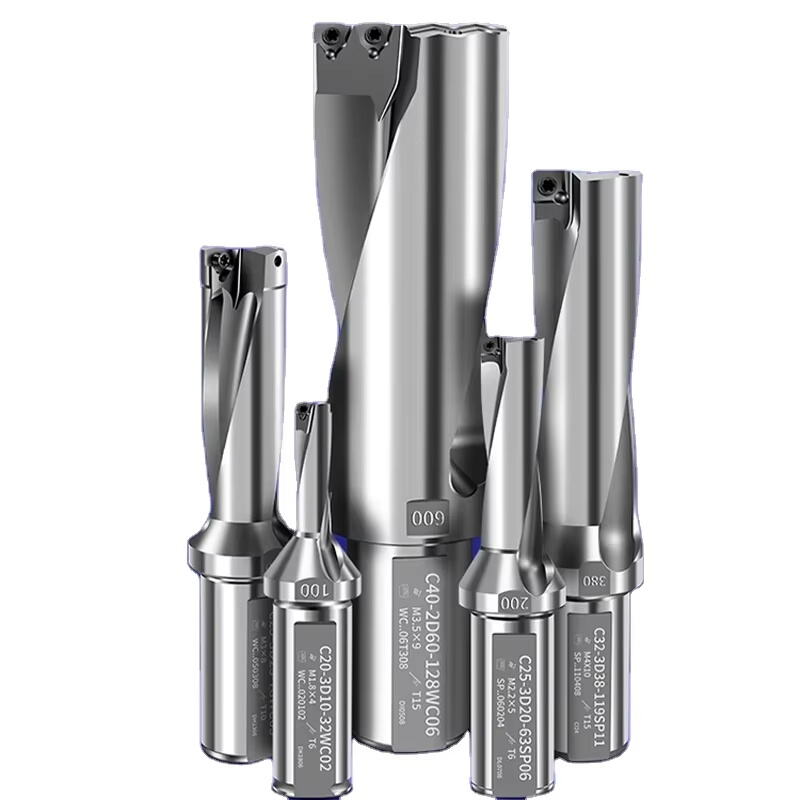
An experienced carbide drill bits manufacturer offers extensive customization capabilities that address specific challenges customers face in unique drilling applications. Standard catalog products serve many general purposes effectively, but specialized operations often require modifications to diameter, length, flute design, point configuration, or shank style to achieve optimal results. Manufacturers with in-house engineering teams can collaborate with customers to understand their exact requirements, analyzing factors such as workpiece material properties, machine capabilities, required hole depths, and production volume targets. This consultative approach leads to custom drill bit designs that maximize performance in specific contexts rather than forcing customers to compromise with off-the-shelf solutions. The ability to produce small-batch custom orders provides flexibility for prototyping and low-volume specialty applications, while scalable manufacturing systems support transition to high-volume production when projects expand. Customization extends beyond basic dimensions to include specialized features like coolant delivery systems, where internal passages direct cutting fluid precisely to the cutting edges for enhanced cooling and chip evacuation. Parabolic flute designs can be engineered for deep-hole drilling applications where chip removal becomes critical, while split-point geometries reduce walking tendencies when starting holes on curved or angled surfaces. A carbide drill bits manufacturer with comprehensive capabilities can also modify point angles to suit specific materials, using sharper angles for softer materials to reduce cutting forces and more obtuse angles for harder materials to strengthen the cutting edge. Application engineering support represents an invaluable service dimension that separates exceptional manufacturers from commodity suppliers. Technical specialists help customers troubleshoot drilling problems, analyzing factors like hole quality issues, premature tool wear, or inadequate production rates to identify root causes and recommend solutions. This expertise proves particularly valuable when transitioning to carbide tooling from other materials, as optimal cutting parameters for carbide differ significantly from those for high-speed steel. Engineers can specify appropriate surface speeds, feed rates, and pecking cycles that balance productivity with tool life, helping customers avoid the common mistake of running carbide bits at speeds suited for inferior materials. They also provide guidance on coolant selection and application methods, recognizing that proper lubrication significantly impacts performance and longevity. Documentation support, including detailed technical specifications, material compatibility charts, and application guidelines, empowers customers to make informed decisions and train their operators effectively. Some manufacturers offer on-site consultation services, visiting customer facilities to observe actual operating conditions and provide tailored recommendations. This hands-on approach identifies factors that might not be apparent in remote discussions, such as machine rigidity issues, workholding inadequacies, or operator technique variations. The relationship between a carbide drill bits manufacturer and customer evolves into a genuine partnership when supported by responsive technical service, with ongoing communication ensuring that tooling strategies adapt as production requirements change or new challenges emerge.
 EN
EN