Contact me immediately if you encounter problems!

All Categories

twist drills for metal

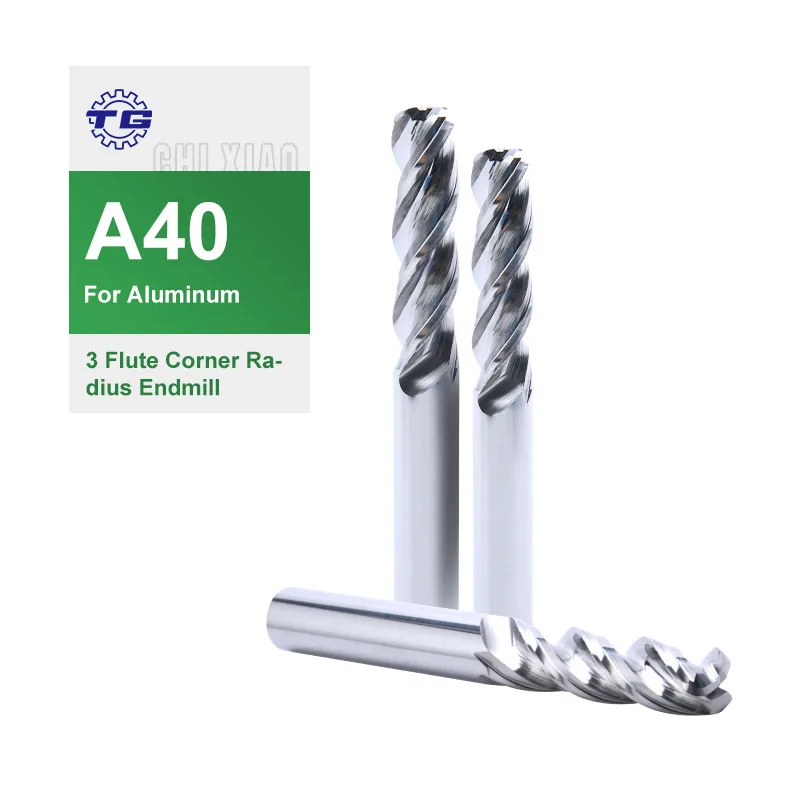
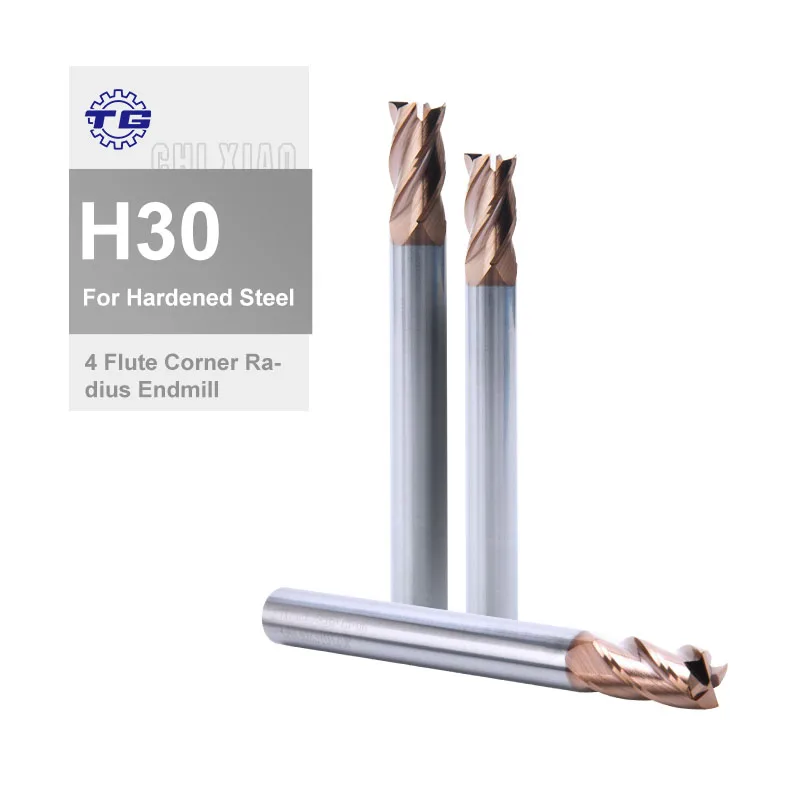
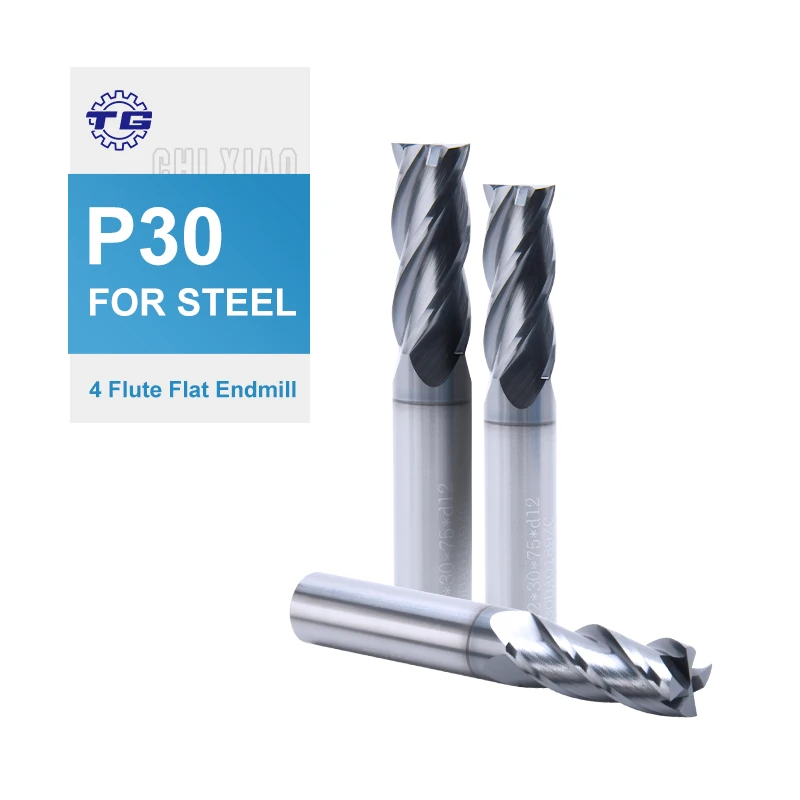
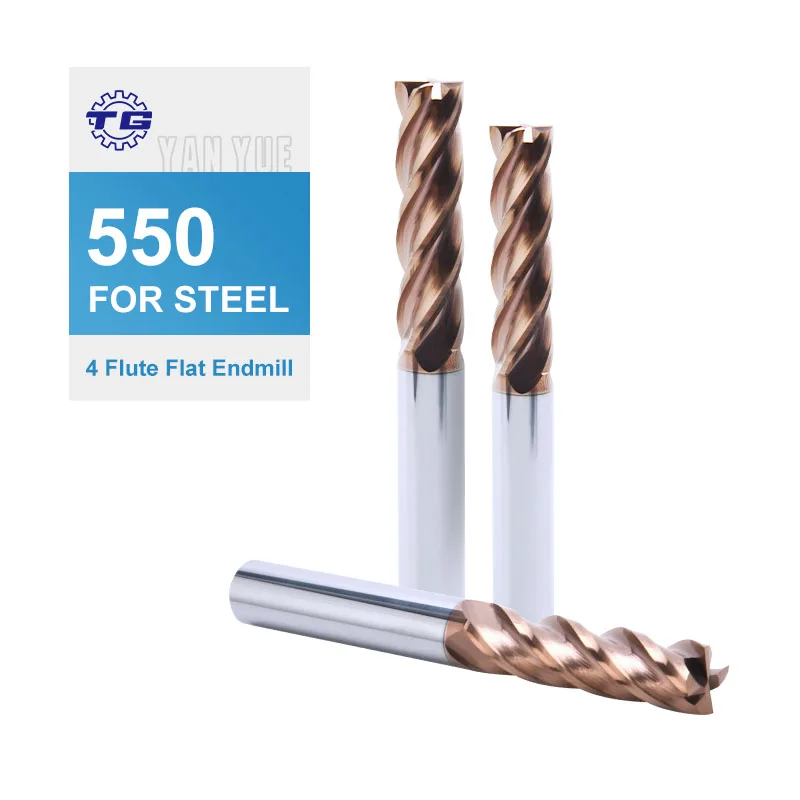
Twist drills for metal represent essential cutting tools designed specifically for creating precise cylindrical holes in various metallic materials. These specialized drilling instruments feature a characteristic helical design with two spiral flutes that efficiently remove chips while maintaining structural integrity during operation. The primary function of twist drills for metal involves penetrating hard surfaces such as steel, aluminum, copper, brass, and iron alloys with remarkable accuracy and consistency. Manufacturing these tools requires premium-grade materials, typically high-speed steel or carbide compositions, which withstand extreme temperatures and pressures generated during metal drilling operations. The technological features incorporated into twist drills for metal include precisely ground cutting edges, optimized point angles ranging from 118 to 135 degrees, and carefully engineered flute geometries that facilitate smooth chip evacuation. The split-point design commonly found in professional-grade twist drills for metal reduces walking tendencies and eliminates the need for center punching before drilling. Surface treatments such as titanium nitride coating, black oxide finishing, or cobalt alloying enhance wear resistance and extend operational lifespan significantly. Applications for twist drills for metal span numerous industries including automotive manufacturing, aerospace engineering, construction, metalworking shops, and general fabrication facilities. These versatile tools prove indispensable for tasks ranging from simple pilot hole creation to complex precision drilling operations requiring tight tolerances. Professional machinists, fabricators, maintenance technicians, and DIY enthusiasts rely on twist drills for metal to accomplish diverse drilling requirements efficiently. The versatility of these cutting instruments allows users to work with sheet metal, structural components, engine blocks, and intricate mechanical assemblies. Modern twist drills for metal incorporate advanced geometries that optimize cutting performance while minimizing heat generation and extending tool longevity, making them cost-effective solutions for both high-volume production environments and occasional repair tasks.


New Product Releases

The advantages of twist drills for metal make them indispensable tools for anyone working with metallic materials regularly. First and foremost, these specialized drilling tools deliver exceptional durability that translates directly into cost savings for users. Unlike standard drill bits designed for wood or masonry, twist drills for metal feature hardened compositions that resist dulling even after hundreds of drilling operations. This longevity means you replace tools less frequently, reducing downtime and equipment expenses significantly. The precision engineering behind twist drills for metal ensures clean, accurate holes every single time you drill. The sharp cutting edges slice through metal cleanly rather than tearing or deforming the material, which proves especially valuable when working on projects requiring exact specifications. You will notice immediately how these tools create smooth holes without burrs or rough edges, eliminating time-consuming finishing work and improving overall project quality. Another significant benefit involves the versatility these drilling instruments provide across different metal types. Whether you work with soft aluminum, tough stainless steel, or anything in between, twist drills for metal adapt to various hardness levels and deliver consistent results. This flexibility eliminates the need to maintain separate drill bit collections for different materials, simplifying your toolkit and reducing inventory costs. The efficient chip removal design incorporated into twist drills for metal prevents clogging issues that plague inferior drilling tools. The spiral flutes channel metal shavings away from the cutting zone continuously, maintaining optimal cutting conditions and preventing heat buildup that could damage both the workpiece and the tool itself. You will experience faster drilling speeds and smoother operations because the bit never binds or stalls due to accumulated chips. Temperature resistance represents another practical advantage that extends tool life considerably. Twist drills for metal withstand the intense heat generated during drilling without losing their hardness or edge sharpness. This thermal stability means consistent performance throughout extended use periods, making these tools reliable for both light-duty applications and demanding production environments. The ergonomic compatibility of twist drills for metal with standard chuck systems ensures easy installation in handheld drills, drill presses, and CNC machinery. This universal fit provides convenience and flexibility, allowing you to switch between different drilling platforms without special adapters or modifications. Finally, the cost-effectiveness of quality twist drills for metal becomes apparent over time as their superior performance and longevity offset the initial investment, delivering exceptional value that budget alternatives simply cannot match.

Tips And Tricks

How do different drill bit materials affect performance?

30

Dec

How do different drill bit materials affect performance?

Understanding the relationship between drill bit materials and their performance characteristics is crucial for professionals working in manufacturing, construction, and metalworking industries. The material composition of a drill bit directly influe...
View More
When should you use carbide vs HSS end mill cutters?

10

Feb

When should you use carbide vs HSS end mill cutters?

Selecting the right cutting tool for machining operations is crucial for achieving optimal performance, surface finish, and tool longevity. The choice between carbide and high-speed steel (HSS) end mill cutters significantly impacts manufacturing eff...
View More
Which Shapes of Carbide Inserts Are Best for Steel?

28

Feb

Which Shapes of Carbide Inserts Are Best for Steel?

When machining steel components, selecting the appropriate carbide inserts for steel becomes critical for achieving optimal performance, tool life, and surface finish quality. The geometry and shape of these cutting tools directly influence chip form...
View More
What Safety Measures Are Essential in Holemaking Operations?

31

Mar

What Safety Measures Are Essential in Holemaking Operations?

Holemaking operations represent one of the most fundamental yet potentially hazardous processes in manufacturing environments. These operations involve creating precise holes in various materials using drilling, reaming, boring, and related machining...
View More

Get a Free Quote

Our representative will contact you soon.
Email
Mobile
Name
Company Name
Message
0/1000

twist drills for metal

Advanced Material Composition Ensures Maximum Durability

Advanced Material Composition Ensures Maximum Durability

The material composition of twist drills for metal represents a critical factor that directly determines performance, longevity, and overall value for users. Premium twist drills for metal utilize high-speed steel formulations that contain carefully balanced alloys of tungsten, molybium, chromium, and vanadium. These alloying elements transform ordinary steel into a cutting tool capable of maintaining sharp edges even when subjected to temperatures exceeding 600 degrees Celsius. The metallurgical science behind twist drills for metal focuses on achieving optimal hardness ratings, typically ranging between 62 and 66 on the Rockwell C scale, which provides the perfect balance between edge retention and resistance to brittle fracture. Some manufacturers enhance their twist drills for metal further by incorporating cobalt content, usually between 5 and 8 percent, which dramatically improves heat resistance and allows these tools to tackle harder materials like stainless steel and titanium alloys without premature wear. Surface treatments applied to twist drills for metal add another layer of performance enhancement that users immediately appreciate during actual drilling operations. Titanium nitride coatings create a golden-colored surface layer that reduces friction by up to 40 percent, resulting in cooler operation and extended tool life. This coating technology prevents metal adhesion to the drill surface, a common problem that causes binding and poor hole quality when using uncoated bits. Black oxide treatments offer corrosion resistance and improved lubricity at a lower cost point, making them ideal for general-purpose applications. The manufacturing precision applied during production of quality twist drills for metal ensures consistent flute geometry, uniform hardness distribution, and perfectly centered points that track accurately without wandering. Computer-controlled grinding processes create cutting edges with microscopic consistency, eliminating the performance variations common in cheaper alternatives. The investment in superior materials and manufacturing techniques pays dividends throughout the operational life of twist drills for metal, as users experience fewer tool changes, reduced downtime, and consistently excellent hole quality. Professional fabricators and machinists understand that material composition directly affects productivity and project success, which explains why experienced craftspeople consistently choose premium twist drills for metal despite higher upfront costs. The engineering excellence embodied in modern twist drills for metal demonstrates how advanced materials science transforms simple cutting tools into precision instruments that deliver reliable performance across thousands of drilling operations.
Optimized Flute Design Maximizes Chip Evacuation Efficiency

Optimized Flute Design Maximizes Chip Evacuation Efficiency

The flute design incorporated into twist drills for metal represents sophisticated engineering that dramatically impacts drilling performance and user experience. These helical grooves spiraling along the drill body serve multiple critical functions that distinguish professional-grade twist drills for metal from inferior alternatives. The primary purpose involves evacuating metal chips generated during cutting operations, preventing accumulation that would otherwise cause binding, excessive heat, and premature tool failure. Engineers designing twist drills for metal carefully calculate flute geometry parameters including helix angle, depth, and width to optimize chip flow characteristics for specific applications. Standard twist drills for metal feature helix angles between 20 and 35 degrees, striking an ideal balance between aggressive cutting action and adequate chip removal capacity. Slow helix designs work best for harder materials where controlled cutting prevents excessive tool stress, while fast helix configurations excel in softer metals where rapid chip evacuation becomes paramount. The flute depth in quality twist drills for metal reaches approximately 35 to 40 percent of the drill diameter, providing generous channels that accommodate chips without restricting flow even during deep hole drilling. This dimensional relationship ensures consistent performance whether you drill shallow pilot holes or penetrate thick metal plates requiring multiple drill diameters of depth. The polished finish applied to flute surfaces in premium twist drills for metal reduces friction dramatically, allowing chips to slide smoothly upward and out of the hole rather than welding to the drill body. This surface treatment proves especially valuable when drilling sticky materials like aluminum or copper that tend to generate long, stringy chips prone to tangling. The web thickness at the core of twist drills for metal increases gradually from tip to shank, providing necessary strength while maintaining adequate flute capacity throughout the drill length. This taper ensures structural integrity during heavy-duty applications while preserving efficient chip evacuation even as cutting depth increases. Users working with twist drills for metal quickly recognize how superior flute design translates into practical benefits including faster drilling speeds, reduced motor strain, cleaner holes, and extended tool life. The continuous spiral geometry creates a pumping action that actively pulls chips away from the cutting zone rather than relying solely on manual withdrawal techniques. This self-clearing characteristic allows for smoother operation and reduces the frequency of drill bit withdrawal needed to clear accumulated material. Professional machinists appreciate how well-designed flutes in twist drills for metal maintain consistent cutting performance throughout extended production runs, eliminating frustrating interruptions caused by chip packing. The engineering sophistication embodied in modern flute designs demonstrates how seemingly simple geometric features profoundly influence overall tool effectiveness and user satisfaction when working with twist drills for metal.
Precision Point Geometry Delivers Superior Hole Accuracy

Precision Point Geometry Delivers Superior Hole Accuracy

The point geometry engineered into twist drills for metal determines initial cutting performance, hole accuracy, and ease of use across diverse applications. This critical design element encompasses the drill tip configuration including point angle, chisel edge characteristics, and lip relief angles that collectively govern how efficiently the tool penetrates metal surfaces. Standard twist drills for metal feature 118-degree point angles that provide excellent versatility across most common metals and general drilling applications. This conventional geometry balances cutting speed with edge strength, making it suitable for materials ranging from mild steel to brass. For harder materials like stainless steel or tool steel, twist drills for metal with 135-degree point angles deliver superior performance by distributing cutting forces over broader surfaces, reducing point loading that could cause premature failure. The split-point modification incorporated into premium twist drills for metal represents a significant advancement that addresses common drilling challenges. This design feature divides the chisel edge into two smaller cutting surfaces, reducing the thrust force required for initial penetration by approximately 50 percent compared to conventional points. Users immediately notice how split-point twist drills for metal begin cutting instantly without walking across the workpiece surface, eliminating frustrating positioning problems and ensuring accurate hole placement. This self-centering characteristic proves invaluable when drilling curved surfaces, angled entries, or locations where pilot holes cannot be center-punched. The web thinning process applied during manufacturing of quality twist drills for metal further enhances penetration efficiency by reducing the non-cutting chisel edge width. This refinement decreases the thrust force required while improving chip formation at the drill center, resulting in cleaner holes and reduced motor strain. Lip relief angles ground into twist drills for metal create necessary clearance behind the cutting edges, preventing rubbing that would generate excessive heat and rapid dulling. Precision grinding ensures both lips remain perfectly symmetrical with identical lengths and angles, which proves essential for producing round, straight holes rather than oversized or tapered openings. The point durability engineered into twist drills for metal through proper heat treatment and geometry optimization ensures consistent performance throughout the tool life. Unlike cheaper alternatives that dull quickly or chip at the corners, professionally manufactured twist drills for metal maintain sharp, effective points through hundreds of holes. The cutting edge geometry incorporates subtle radius transitions that strengthen vulnerable areas while maintaining aggressive cutting action, representing the culmination of decades of metallurgical research and practical field testing. Users working with precision twist drills for metal appreciate how accurate point geometry translates directly into professional-quality results including properly sized holes, smooth walls, and perpendicular entries that require minimal secondary operations. The engineering excellence invested in point design demonstrates manufacturer commitment to delivering tools that perform reliably across demanding metalworking applications.
twist drills for metal-0
twist drills for metal-1

Get a Free Quote

Our representative will contact you soon.
Email
Mobile
Name
Company Name
Message
0/1000