precision twist drills
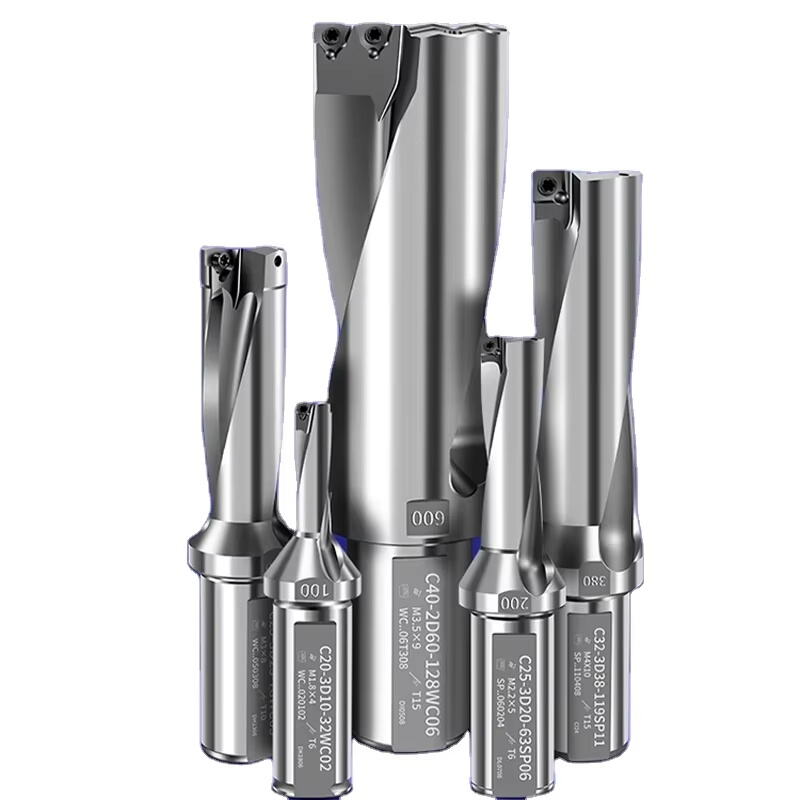
Precision twist drills represent a fundamental advancement in metalworking and manufacturing technology, designed to deliver exceptional accuracy and performance across diverse drilling applications. These specialized cutting tools feature carefully engineered flute geometry and precise point angles that enable users to create clean, accurate holes in various materials ranging from soft metals to hardened steel alloys. The main function of precision twist drills centers on their ability to remove material efficiently while maintaining tight tolerances, making them indispensable for industries requiring exact specifications. Technological features distinguish these drills from standard alternatives through advanced manufacturing processes including precision grinding, specialized heat treatment, and computerized quality control systems that ensure consistency across every unit produced. The flute design incorporates optimized helix angles that facilitate efficient chip evacuation, preventing material buildup that could compromise hole quality or tool life. Point geometry receives particular attention during manufacturing, with split point configurations reducing walking tendencies and enabling immediate cutting action upon contact with the workpiece. Surface treatments such as titanium nitride coating or black oxide finishing enhance performance characteristics by reducing friction, increasing hardness, and improving heat dissipation during operation. Applications for precision twist drills span numerous sectors including aerospace manufacturing, automotive production, electronics assembly, medical device fabrication, and general machine shop operations. These tools prove invaluable when creating pilot holes, through-holes, or precision-depth blind holes in materials like aluminum, stainless steel, brass, copper, plastics, and composite materials. The construction industry relies on precision twist drills for structural steel fabrication, while maintenance professionals depend on them for equipment repair and modification tasks. Manufacturing facilities utilize these drills in computer numerical control machines, drill presses, and handheld power tools, benefiting from their consistent performance and extended operational life that reduces downtime and replacement costs.

 EN
EN