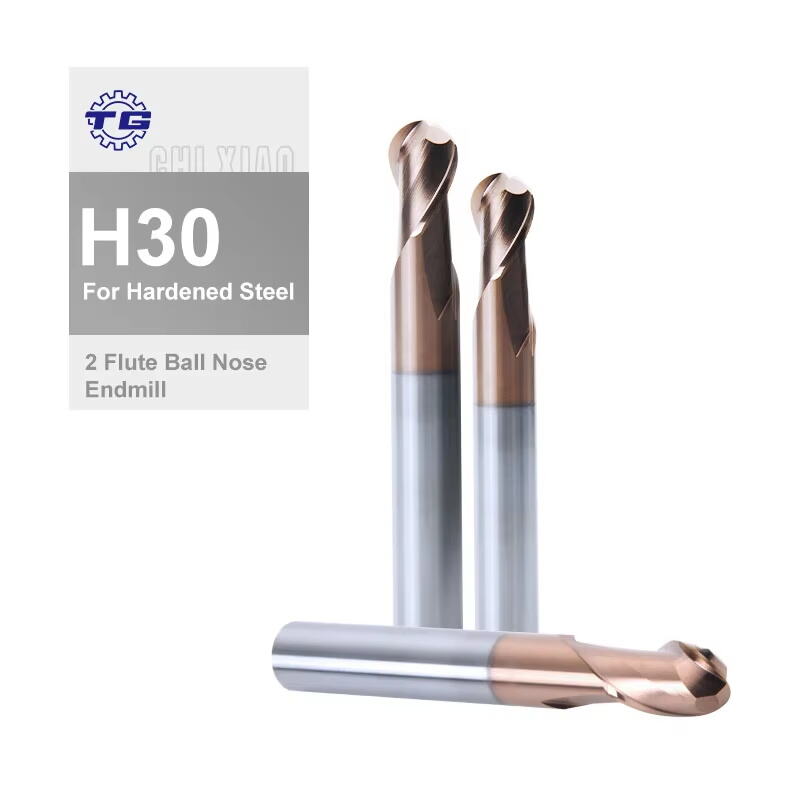
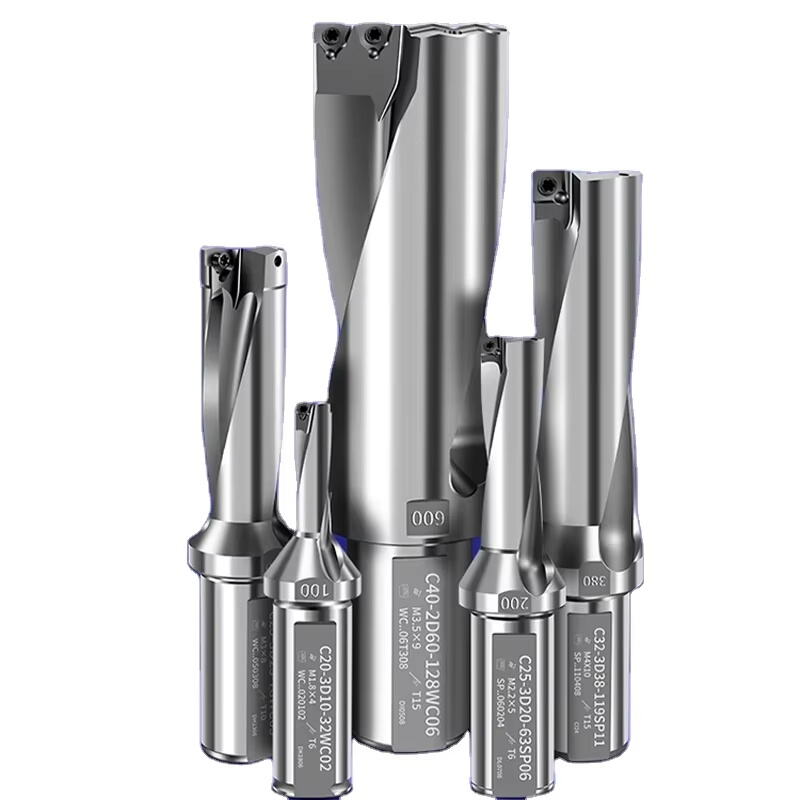
a twist drill
A twist drill represents one of the most fundamental and widely utilized cutting tools in metalworking, woodworking, and construction industries. This cylindrical cutting instrument features helical flutes that spiral around its body, creating a distinctive twisted appearance that gives the tool its name. The primary function of a twist drill is to create precise cylindrical holes in various materials, including metals, plastics, composites, and wood. The helical design serves multiple critical purposes: it efficiently removes chips and debris from the cutting zone, reduces friction during operation, and provides structural strength to the drill body. Modern twist drills incorporate advanced metallurgy and precision manufacturing techniques to deliver consistent performance across diverse applications. The cutting edge, located at the drill point, typically features a carefully ground geometry that determines cutting efficiency and hole quality. Most twist drills include a shank portion that fits into chuck mechanisms of drilling machines, power tools, or hand-held devices. The technological features of a twist drill extend beyond its basic spiral configuration. Manufacturers engineer these tools with specific point angles, helix angles, and web thicknesses to optimize performance for particular materials and drilling conditions. The standard point angle of 118 degrees suits general-purpose drilling, while specialized angles accommodate harder materials or specific penetration requirements. Surface treatments and coatings, such as titanium nitride or black oxide finishes, enhance tool life by reducing friction and increasing heat resistance. The flute design directly impacts chip evacuation efficiency, with deeper flutes providing better clearance for softer materials and shallower configurations offering greater strength for demanding applications. Applications for twist drills span virtually every manufacturing and construction sector. Machine shops rely on these tools for creating mounting holes, clearance passages, and precision bores in metal components. Woodworkers use twist drills for furniture assembly, cabinet installation, and decorative projects. Construction professionals depend on these cutting instruments for structural fastening, electrical installations, and plumbing work. The versatility of a twist drill makes it an indispensable component in professional workshops, industrial facilities, and home tool collections alike.

 EN
EN