
 EN
EN
Choosing the right nose radius for turning inserts is one of the most critical decisions a machinist or process engineer must make when setting up a CNC turning operation. The nose radius for turning inserts directly influences surface finish quality, cutting forces, tool life, and the stability of the entire cutting process. Despite its small physical size, the nose radius plays an outsized role in determining whether a turning operation delivers precision results or causes costly rework and premature tool failure.
Understanding how the nose radius for turning inserts interacts with feed rate, depth of cut, workpiece material, and machine rigidity is essential for making the correct selection. This guide walks through the key factors that govern nose radius selection, helping you match the right insert geometry to your specific turning application and avoid the common errors that lead to poor performance on the shop floor.
What the Nose Radius for Turning Inserts Actually Does
The Geometry Behind the Radius
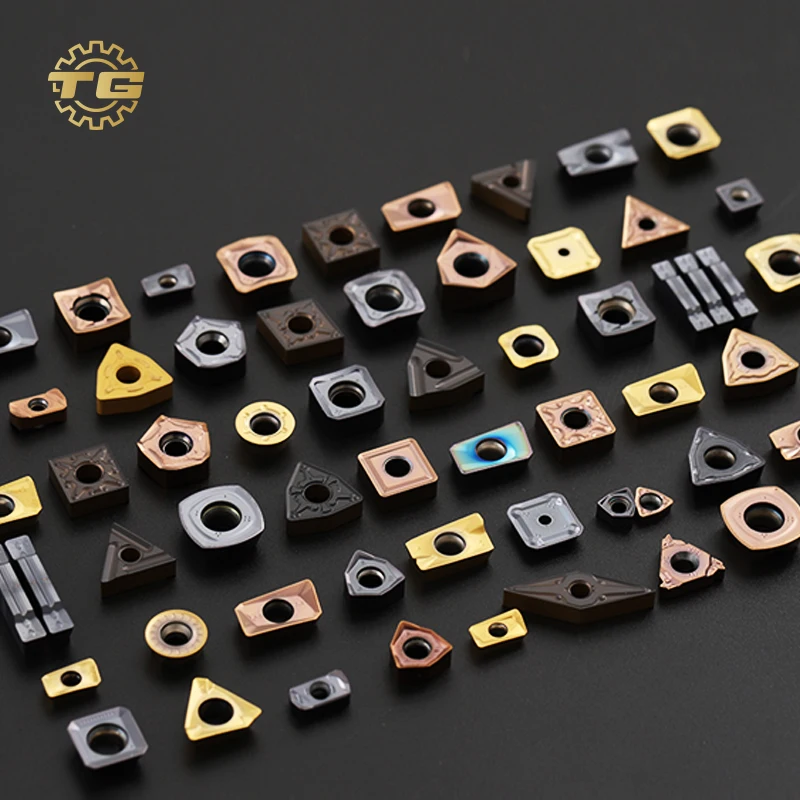
The nose radius for turning inserts refers to the curved tip formed at the junction of the two cutting edges on a turning insert. This radius is typically measured in millimeters and is standardized across common insert geometries such as DNMG, SNMG, and CNMG. A larger nose radius for turning inserts creates a broader cutting arc, while a smaller nose radius produces a sharper, more pointed tip. Each configuration has distinct advantages depending on the machining context.
When the nose radius for turning inserts contacts the workpiece, it generates a specific surface texture based on how the radius geometry intersects with the programmed feed rate. The theoretical surface roughness of a turned component is mathematically linked to both the feed rate squared and the nose radius value. This relationship makes the nose radius for turning inserts a primary lever for controlling final part finish without changing feed rates drastically.
How Nose Radius Affects Cutting Forces
A larger nose radius for turning inserts distributes cutting forces over a wider contact zone, which generally reduces the stress concentration at the cutting edge. This distribution improves edge strength and is especially beneficial when machining hard or abrasive materials. However, a larger nose radius for turning inserts also increases radial cutting forces, which can cause vibration and chatter on slender workpieces or machines with limited rigidity. Selecting the nose radius for turning inserts without accounting for machine stability is a common source of problems in production environments.
Matching Nose Radius to Your Application Requirements
Surface Finish and Feed Rate Relationship
One of the most practical reasons to choose a larger nose radius for turning inserts is to achieve finer surface finishes at higher feed rates. Because the nose radius for turning inserts controls the height of the theoretical feed marks left on the workpiece surface, a larger radius smooths out those marks more effectively. In finishing operations where surface quality is a priority, selecting a nose radius for turning inserts in the range of 0.8 mm to 1.2 mm is a common and well-proven strategy.
For roughing operations where material removal rate matters more than surface finish, the nose radius for turning inserts can be selected based on edge strength and heat resistance rather than finish quality alone. In these cases, a nose radius for turning inserts of 0.8 mm or larger helps the edge withstand the mechanical and thermal loads of aggressive cutting conditions. Engineers should always consider the trade-off between the nose radius for turning inserts and the achievable feed rate before locking in a process parameter.
Workpiece Geometry and Stability Considerations
Workpiece shape plays a significant role in guiding the correct nose radius for turning inserts selection. On thin-walled components or long, slender shafts prone to deflection, a smaller nose radius for turning inserts is generally preferred because it reduces radial cutting forces and minimizes the risk of vibration. A nose radius for turning inserts of 0.4 mm is often used in these scenarios to keep the cutting process stable and prevent part deformation.
Conversely, when turning large-diameter, rigid components with heavy stock allowances, a larger nose radius for turning inserts provides better edge support and longer tool life. The nose radius for turning inserts must always be evaluated relative to the workpiece dimensions and fixturing rigidity. Ignoring this relationship often leads to chatter marks, poor dimensional accuracy, and unexpected insert breakage, all of which increase per-part cost significantly.
Common Mistakes When Selecting the Nose Radius for Turning Inserts
Using a Fixed Radius Across All Operations
A frequent mistake in production machining is applying the same nose radius for turning inserts across roughing, semi-finishing, and finishing operations without adjustment. Each stage of the turning process has different priorities, and the nose radius for turning inserts should reflect those priorities. Using a large nose radius for turning inserts in a finishing pass on a flexible workpiece, for example, can amplify vibration and actually degrade the surface finish it was meant to improve.
A well-structured process plan specifies the nose radius for turning inserts at each stage. Roughing passes may use a nose radius for turning inserts of 1.2 mm for strength, semi-finishing passes may use 0.8 mm for balance, and finishing passes may use 0.4 mm for precision, depending on the part geometry and material. Reviewing the nose radius for turning inserts selection at each stage prevents many avoidable quality problems.
Neglecting the Relationship Between Nose Radius and Minimum Depth of Cut
Another overlooked issue is the interaction between the nose radius for turning inserts and the minimum required depth of cut. As a rule, the depth of cut should exceed the nose radius for turning inserts by at least the radius value itself to ensure the full cutting edge is engaged. When the depth of cut is smaller than the nose radius for turning inserts, the effective cutting geometry changes unpredictably, leading to rubbing rather than cutting. This accelerates insert wear and compromises dimensional accuracy.
Machinists who understand this relationship between the nose radius for turning inserts and depth of cut make more consistent choices and experience fewer tool-life surprises. The nose radius for turning inserts must always be evaluated alongside the full set of cutting parameters rather than in isolation.
FAQ
What nose radius for turning inserts should I use for finishing stainless steel?
For finishing stainless steel, a nose radius for turning inserts of 0.4 mm to 0.8 mm is typically recommended. A smaller nose radius for turning inserts reduces cutting forces and minimizes work hardening on the surface, which is a common issue with stainless steel. Pairing the correct nose radius for turning inserts with a sharp cutting edge geometry and appropriate feed rate will give you the best surface finish results on stainless steel components.
Can I use a large nose radius for turning inserts on slender workpieces?
Using a large nose radius for turning inserts on slender workpieces is generally not recommended because it increases radial cutting forces, which can cause deflection and vibration. For slender or thin-walled parts, a smaller nose radius for turning inserts in the range of 0.2 mm to 0.4 mm helps keep cutting forces low and maintains dimensional accuracy. Always match the nose radius for turning inserts to the rigidity of both the workpiece and the machine setup.
How does the nose radius for turning inserts affect tool life?
A larger nose radius for turning inserts generally improves tool life in roughing applications because the wider edge distributes heat and mechanical stress over a greater area, reducing localized wear. However, in finishing or interrupted cutting, an overly large nose radius for turning inserts can increase vibration and accelerate chipping. Selecting the optimal nose radius for turning inserts for each specific operation balances edge strength with cutting stability, which ultimately extends tool life and reduces cost per part.