
 EN
EN
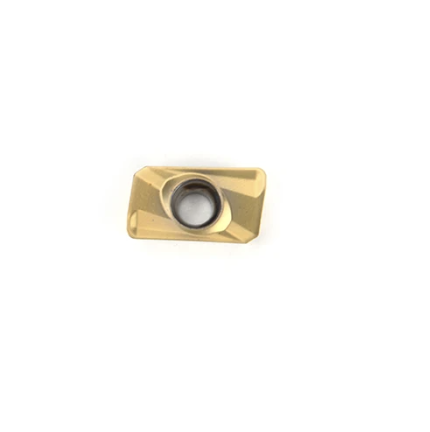
When machining demands push temperatures to extreme levels, the choice of cutting tool becomes a critical engineering decision. A carbide milling cutter stands apart from conventional high-speed steel tools precisely because of its superior ability to manage, resist, and dissipate heat during the cutting process. Understanding these thermal advantages helps machinists, engineers, and procurement teams make smarter tooling decisions for high-performance manufacturing environments.
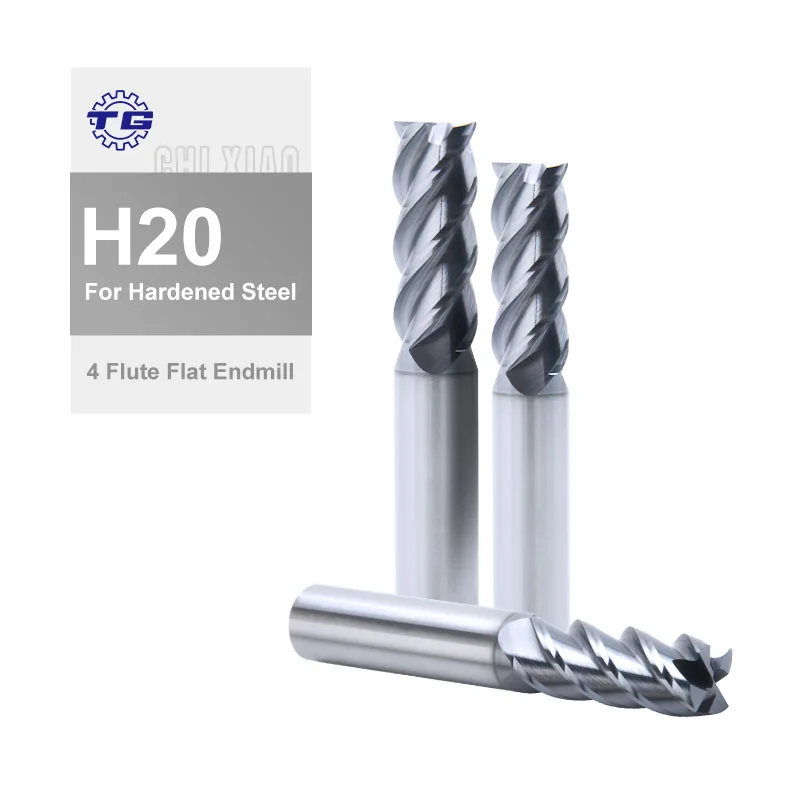
Heat generation is one of the most persistent challenges in milling operations. Excessive heat degrades tool life, compromises dimensional accuracy, and causes workpiece surface damage. The carbide milling cutter addresses these challenges through a combination of material science, geometry, and advanced coating technologies. Each of these factors contributes directly to how efficiently a carbide milling cutter handles thermal stress during aggressive cutting cycles.
The Material Science Behind Heat Resistance
Tungsten Carbide Composition and Thermal Stability
The foundation of every carbide milling cutter is tungsten carbide, a material with a melting point that far exceeds that of high-speed steel. This carbide milling cutter material retains its hardness at elevated temperatures, typically maintaining structural integrity at temperatures above 800 degrees Celsius. When a carbide milling cutter engages a hardened workpiece at high feed rates, the tool resists thermal softening that would otherwise cause edge deformation or premature failure.
Tungsten carbide also demonstrates low thermal expansion, meaning the carbide milling cutter maintains its dimensional geometry even as cutting zone temperatures rise sharply. This stability is essential in precision milling applications where tolerances are tight and consistent tool geometry directly affects part quality. The inherent thermal resistance of the carbide milling cutter makes it far more predictable and reliable than alternatives under sustained heat exposure.
Thermal Conductivity as a Performance Factor
A well-engineered carbide milling cutter benefits from the thermal conductivity properties of its carbide substrate. While the carbide milling cutter resists heat at the cutting edge, its substrate conducts heat away from the contact zone at a controlled rate. This conductivity balance prevents localized hot spots that cause micro-fracturing or chipping. The carbide milling cutter therefore distributes thermal energy more evenly across the tool body, extending usable life across demanding production runs.
Coating Technologies That Enhance Heat Dissipation
AlCrSiN Coating and Its Thermal Barrier Function
Modern carbide milling cutter designs incorporate advanced surface coatings that significantly amplify heat dissipation performance. AlCrSiN coatings, for example, form a thermally stable aluminum oxide layer at the cutting interface during high-temperature machining. This oxide layer acts as a thermal barrier on the carbide milling cutter surface, insulating the carbide substrate from peak heat generated at the tool-workpiece contact zone. As a result, the carbide milling cutter experiences less thermal fatigue and maintains sharper cutting edges through longer production cycles.
The carbide milling cutter with AlCrSiN coating is particularly effective when machining stainless steel, titanium alloys, and hardened tool steels, where heat generation is intense and tool life is a constant concern. The coating on the carbide milling cutter also reduces friction between the cutting edge and the chip, lowering the energy converted to heat at the contact point. This friction reduction means the carbide milling cutter generates less heat intrinsically, rather than simply managing heat after it is already produced.
Coating Hardness and Its Role in Reducing Heat Generation
Coating hardness directly influences how much frictional heat a carbide milling cutter produces during cutting. Harder coatings on the carbide milling cutter surface reduce adhesion between the tool and the workpiece material. When chips slide cleanly away from the carbide milling cutter edge without sticking or welding, the heat generated at that interface drops substantially. This self-cooling effect makes the carbide milling cutter more efficient in dry machining scenarios where coolant cannot be applied continuously.
Geometry and Design Factors That Support Heat Dissipation
Flute Design and Chip Evacuation Efficiency
The geometry of a carbide milling cutter plays a significant role in thermal management. Flute design determines how quickly chips are evacuated from the cutting zone. When a carbide milling cutter removes chips efficiently, heat that would otherwise accumulate in the contact zone is carried away with the chip material. A carbide milling cutter designed with optimized helix angles and flute profiles ensures continuous, unobstructed chip flow, which is one of the most effective passive heat dissipation mechanisms available in milling tool design.
Multi-flute carbide milling cutter configurations distribute the cutting load across more edges simultaneously, which lowers the thermal burden on any individual cutting edge. Each edge of the carbide milling cutter spends less time in contact with the workpiece per revolution, allowing brief thermal recovery intervals. This load distribution makes the carbide milling cutter a superior choice for high-speed, high-feed milling strategies that would overwhelm tools with fewer cutting edges.
Edge Preparation and Thermal Stress Reduction
Precision edge preparation on a carbide milling cutter reduces micro-chipping and the thermal stress spikes associated with irregular cutting action. A properly honed carbide milling cutter edge enters and exits the cut more smoothly, generating less impulsive heat than a rough or inconsistent edge. Manufacturers who invest in tight tolerances and precision grinding for the carbide milling cutter produce tools that sustain lower average cutting temperatures throughout the machining cycle, directly translating to longer tool life and better surface finishes.
FAQ
Why does a carbide milling cutter handle heat better than high-speed steel?
A carbide milling cutter is made from tungsten carbide, which retains its hardness at temperatures far above what high-speed steel can withstand. The carbide milling cutter also benefits from advanced coatings and superior thermal conductivity that together reduce and manage heat more effectively during demanding milling operations.
Does coating type affect how well a carbide milling cutter dissipates heat?
Yes, coating type significantly influences the heat dissipation capability of a carbide milling cutter. Coatings such as AlCrSiN create a thermal barrier on the carbide milling cutter surface, reduce friction, and lower heat generation at the cutting interface, making the carbide milling cutter more effective in high-temperature machining environments.
Can a carbide milling cutter be used for dry machining where heat is a major concern?
A carbide milling cutter is well-suited for dry machining precisely because of its heat dissipation advantages. The combination of carbide substrate thermal stability, low-friction coatings, and optimized flute geometry allows the carbide milling cutter to perform reliably in dry cutting conditions where other tools would quickly overheat and fail.