
 EN
A premium hss drill bit can resist overheating on tough steels because its cobalt-alloyed high-speed steel retains hardness at elevated temperatures. That material advantage matters when drilling stainless and other demanding alloys, where friction and cutting pressure quickly heat the edge. Still, an hss drill bit does not prevent heat by itself: its alloy, geometry, operating conditions, and chip control work together.
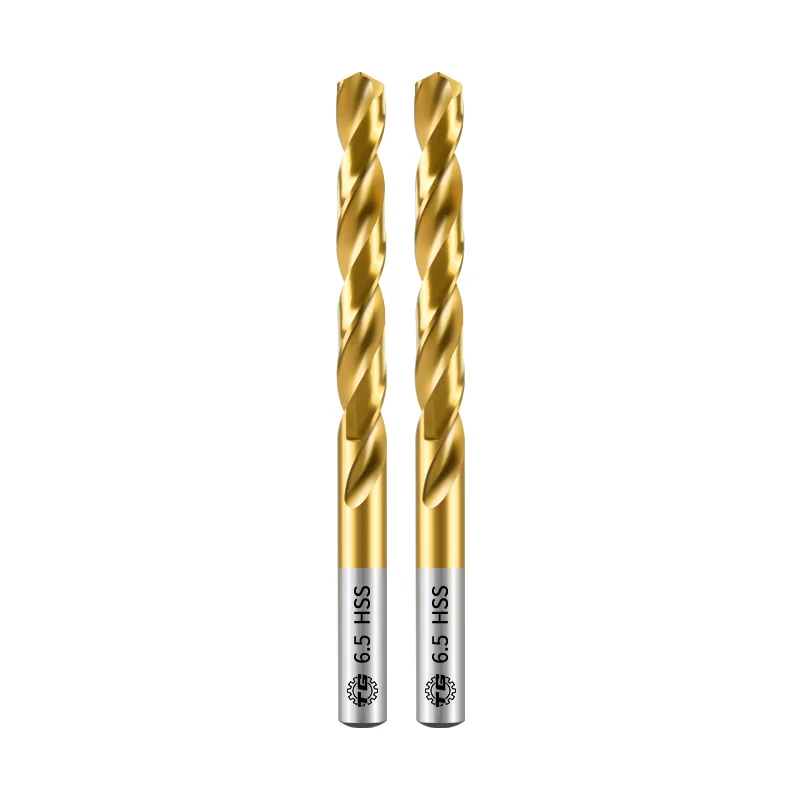
The useful distinction is between generating heat and tolerating it. A cobalt hss drill bit cannot eliminate friction, but it is less likely to soften when the cutting zone gets hot. Understanding that difference helps operators choose an hss drill bit appropriately, set a workable process, and avoid treating cobalt as a substitute for correct technique.
How cobalt helps the cutting edge handle heat
Hot hardness supports a stable edge
During drilling, the lips shear material while rubbing against the workpiece, and much of that energy becomes heat near the cutting edge. A conventional hss drill bit may lose useful hardness as temperature rises, allowing the edge to wear or deform sooner. Cobalt alloying helps an hss drill bit retain hardness in hotter cutting conditions, so its edge can keep cutting rather than quickly dulling.
This property is often described as hot hardness, not immunity to heat. A cobalt hss drill bit still experiences thermal stress, and excessive temperature can shorten tool life or damage the workpiece surface. The benefit is a greater ability to maintain cutting performance under heat than an otherwise comparable standard hss drill bit, when the tool is used within suitable limits.
Alloy content and tool construction matter
Cobalt is incorporated into the steel alloy; it is not simply a coating that wears away after a few holes. In an M35-type hss drill bit, cobalt contributes to the material's ability to retain hardness, while careful grinding forms the cutting lips and point. That combination makes a cobalt hss drill bit suitable for challenging materials, but quality and consistent geometry remain important.
Material choice should match the job rather than serve as a shortcut. A cobalt hss drill bit is often considered for stainless steel, heat-resistant alloys, and harder steels that can rapidly wear an ordinary tool. For softer materials or light, occasional work, a standard hss drill bit may be adequate. The correct choice depends on workpiece hardness, hole size, production volume, and available machine control.
Operating conditions that determine actual temperature
Speed and feed must suit the material
Even a heat-tolerant hss drill bit can overheat if rotational speed is too high. Speed raises friction and heat at the cutting lips, especially in stainless steel, which conducts heat away from the cutting zone less readily than some other metals. Reduce speed as material hardness and drill diameter increase, and consult suitable cutting data before setting a cobalt hss drill bit in motion.
Feed also matters. Too little pressure can make the cutting edge rub instead of form a proper chip, generating heat without removing material efficiently. Too much feed can overload the point, cause chatter, or break the tool. A well-adjusted hss drill bit should produce consistent chips under controlled pressure. Operators should listen for changes in sound and watch chip shape as feedback.
Lubrication, chip removal, and setup
Cutting fluid or an appropriate lubricant can reduce friction, carry heat away, and help chips move out of the hole. The right approach varies with the alloy, machine, and operation, so follow the process guidance for the workpiece. A cobalt hss drill bit benefits from reliable fluid delivery when required; simply applying lubricant intermittently may not control heat at the cutting zone.
Chip packing creates another source of heat. In a deep or blind hole, chips can remain trapped, rub against the wall, and obstruct the cutting lips. Peck drilling or another suitable chip-clearing method may help, provided it fits the machine and material. Secure clamping and a rigid setup also reduce vibration, which can make an hss drill bit cut unevenly and wear prematurely.
Practical use and limits on tough steels
Match the tool to the application
Before choosing a cobalt hss drill bit, consider the steel grade, hardness, hole depth, diameter, and whether the work is manual or production-based. A short, accessible hole in stainless steel has different demands from repeated deep holes in hardened stock. The hss drill bit should suit both the workpiece and the machine, including its ability to hold alignment and maintain steady feed.
For a machining team, repeatability is as important as the alloy designation. Keep the point sharp, use a consistent setup, and record operating conditions that produce stable chips and acceptable tool life. If an hss drill bit begins squealing, discoloring the work, or producing fine dust instead of chips, pause to inspect speed, feed, lubrication, and edge condition before continuing.
Recognize warning signs and protect tool life
A cobalt hss drill bit is not intended to solve every drilling problem. Very hard materials, poor machine rigidity, incorrect geometry, or excessive speed can still cause rapid wear or failure. In some applications, another tool material or machining process may be more appropriate. Confirm the material's hardness and review process requirements instead of assuming cobalt makes any hss drill bit suitable.
Inspect the cutting lips for chipped edges, uneven wear, and heat-related discoloration, while also checking the hole for burrs or a rough finish. These signs can point to excessive temperature, poor chip evacuation, or misalignment. Sharpening may restore a reusable hss drill bit if it is permitted and performed correctly, but damaged geometry should not be ignored simply because the tool contains cobalt.
In practical terms, cobalt offers a margin of hot-hardness performance, while process control determines whether that advantage is realized. Choose the hss drill bit for the steel and hole conditions, then balance speed, feed, lubrication, and chip removal. For product specifications and a format intended for hard metals and stainless steel, review this hss drill bit option against the requirements of your operation.
FAQ
Does cobalt stop a drill bit from overheating?
No. Cobalt helps an hss drill bit retain hardness at higher temperatures, but it does not prevent heat from forming. Excessive speed, rubbing from insufficient feed, poor chip removal, or inadequate lubrication can still overheat the tool. Match operating conditions to the material and inspect the cutting edge during use.
Why is a cobalt hss drill bit used on stainless steel?
Stainless steel can create substantial heat at the cutting zone and may work-harden if the tool rubs rather than cuts. A cobalt hss drill bit offers useful hot-hardness resistance for these conditions. Correct speed, steady feed, and suitable chip control remain essential to avoid premature wear.
Can I use a cobalt hss drill bit on ordinary steel?
Yes, provided the drill geometry and operating conditions suit the job. However, a cobalt hss drill bit may not be necessary for every softer steel or occasional hole. Base the choice on material hardness, hole dimensions, production needs, and tool cost rather than assuming cobalt is always the best fit.