
 EN
EN
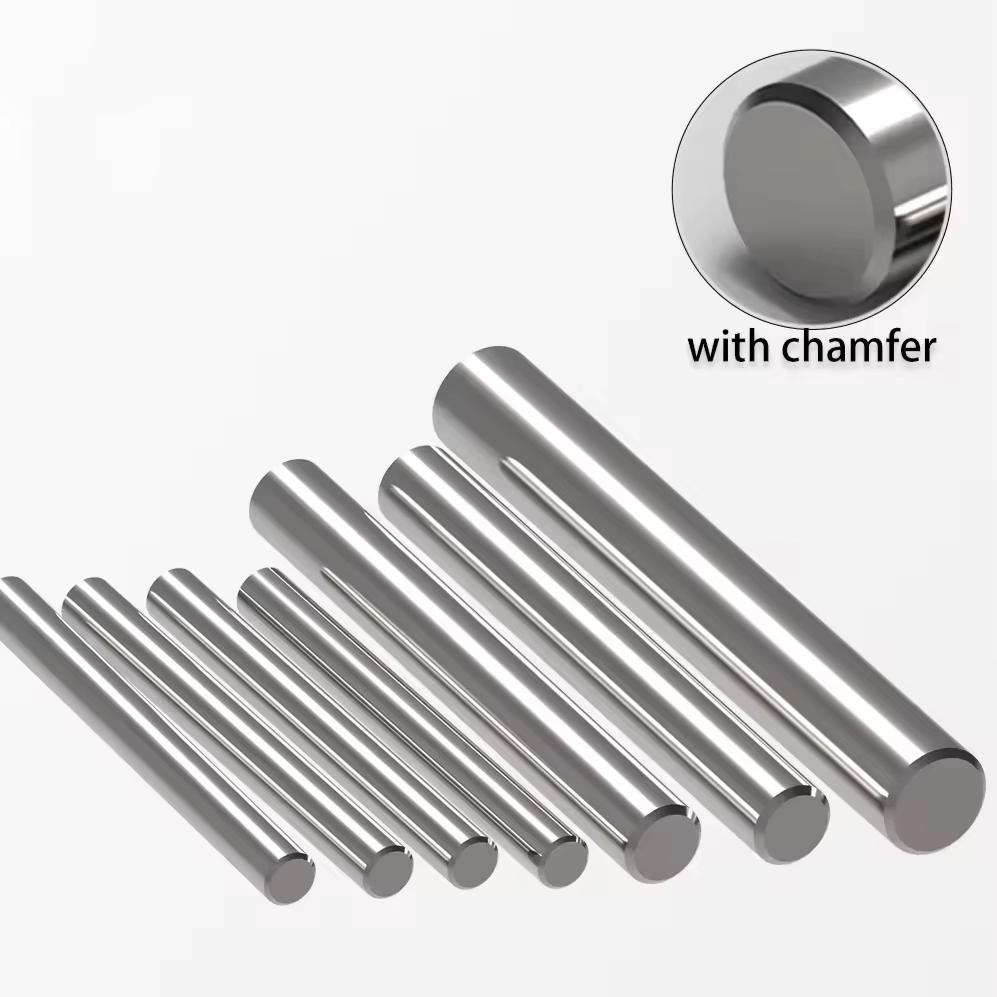
When engineers and machinists evaluate tooling materials, the modulus of elasticity is one of the most decisive mechanical properties on the table. carbide rods deliver a modulus of elasticity roughly three times higher than that of high-speed steel, meaning they resist deformation under load far more effectively. This fundamental property shapes every performance advantage that carbide rods bring to precision machining environments.
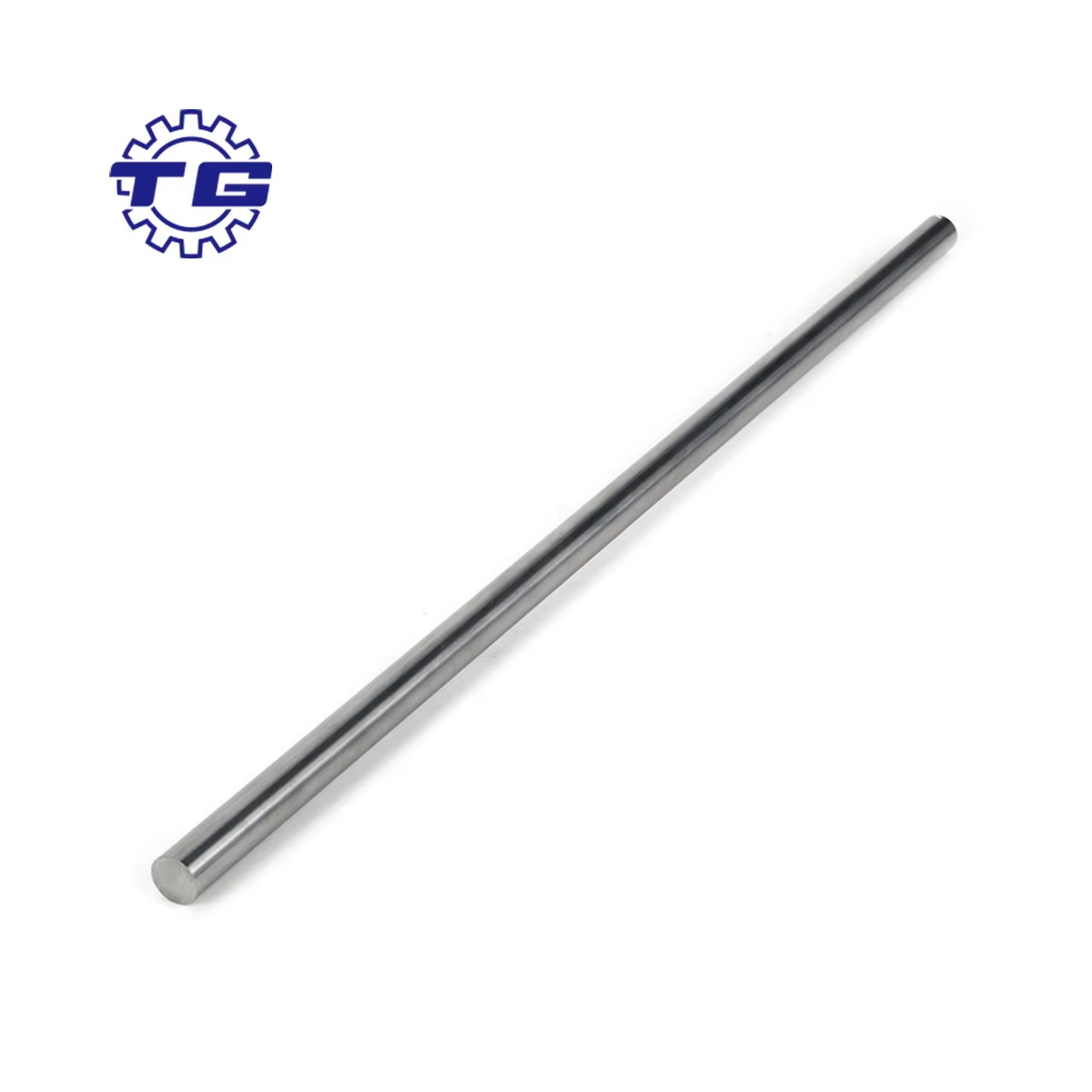
Understanding why carbide rods outperform alternative tooling blanks starts with understanding stiffness at a material level. The high modulus of elasticity found in carbide rods means that under cutting forces, bending deflection is minimal. Manufacturers who demand tight dimensional tolerances rely on carbide rods precisely because this stiffness translates directly into measurable, repeatable accuracy at the workpiece.
The Mechanical Basis of High Modulus in Carbide Rods
What Modulus of Elasticity Means for Carbide Rods
Modulus of elasticity, also called Young's modulus, measures how much a material resists elastic deformation when a stress is applied. For carbide rods, this value typically ranges between 530 and 620 GPa depending on cobalt binder content and grain size. The lower the cobalt percentage, the higher the modulus, which is why ultrafine-grain carbide rods with controlled cobalt ratios are preferred for applications requiring maximum stiffness. This physical characteristic is what sets carbide rods apart from softer, more elastic tool materials in demanding cutting operations.
Carbide rods achieve this exceptional stiffness because tungsten carbide particles within the cemented matrix are inherently rigid at a crystallographic level. The dense bonding structure within carbide rods gives them a stiffness advantage that no heat treatment of steel can replicate. Machinists working with carbide rods can therefore maintain tighter runout tolerances and reduce vibration-induced surface irregularities during high-speed operations.
Grain Size and Cobalt Content in Carbide Rods
The modulus of elasticity in carbide rods is directly influenced by grain size and binder composition. Ultrafine-grain carbide rods exhibit a denser, more uniform carbide structure, which pushes the modulus toward its upper range. Carbide rods with lower cobalt content also exhibit higher modulus values, though this comes with a trade-off in toughness. Premium carbide rods are engineered to balance these factors, offering a high modulus while retaining enough fracture resistance for interrupted cuts and varied machining conditions.
Practical Machining Advantages Delivered by Carbide Rods
Dimensional Stability Under Cutting Forces
One of the most valued practical benefits of carbide rods is their ability to maintain dimensional stability during cutting. Because carbide rods have a high modulus of elasticity, the tool deflects minimally even when side forces from the workpiece are significant. This directly benefits the accuracy of drills, end mills, and reamers manufactured from carbide rods, as tool deflection is a primary cause of dimensional error in tight-tolerance bores and profiles. In aerospace and medical device manufacturing, where tolerances measured in microns are standard, carbide rods provide the stiffness foundation that makes those tolerances achievable.
Carbide rods used as blanks for solid carbide drills consistently outperform HSS tools in long-reach or deep-hole drilling scenarios. The reduced deflection from carbide rods means hole straightness is preserved over greater depth-to-diameter ratios. Carbide rods therefore enable manufacturers to consolidate operations, reducing secondary finishing steps that would otherwise compensate for tool wander.
Vibration Resistance and Surface Finish Quality
Vibration during machining degrades surface finish, accelerates tool wear, and introduces chatter marks that require additional processing. Carbide rods, by virtue of their high modulus, are inherently more resistant to resonant vibration than steel tools of equivalent geometry. The stiffness of carbide rods dampens the dynamic response of the cutting tool, keeping the tool-workpiece interface stable across a wider range of cutting speeds and feed rates. Shops using carbide rods consistently report improved Ra values on finished surfaces compared to equivalent HSS tools under the same conditions.
Carbide rods also support higher spindle speeds without sacrificing surface finish quality. The combination of high modulus and thermal stability in carbide rods means that as cutting speeds increase, the tool geometry remains intact and the cutting edge maintains its precision. This allows carbide rods to serve effectively in high-speed machining strategies that compress cycle times without compromising part quality.
Long-Term Performance Benefits of Premium Carbide Rods
Tool Life Extension Through Elastic Stability
Tool life is a critical cost factor in any production environment, and carbide rods directly contribute to extended service intervals. The high modulus of elasticity in carbide rods means the tool body undergoes less cyclic elastic strain with each cutting pass. Reduced strain cycling minimizes fatigue accumulation in the tool structure, which extends the useful life of tools made from carbide rods. Over a production run of thousands of parts, carbide rods translate into fewer tool changes, lower downtime, and reduced per-part tooling cost.
Premium carbide rods, particularly those manufactured to tight diameter tolerances such as h6 grade, also reduce regrinding frequency. When carbide rods maintain their dimensional integrity over time, the regrind allowance is consumed more slowly. This gives users of carbide rods more regrinding cycles per blank, improving the total economic return on each rod.
Consistent Performance Across Repeated Use
Repeatability is as important as peak performance in production machining. Carbide rods provide consistent stiffness from the first cut to the last, since their modulus of elasticity does not degrade under normal operating temperatures encountered in metal cutting. Unlike tool materials susceptible to thermal softening, carbide rods maintain their mechanical properties throughout standard cutting temperature ranges. This consistency ensures that parts produced at the beginning of a tool's life match those produced near the end of its useful service period.
FAQ
Why is the modulus of elasticity important when selecting carbide rods?
The modulus of elasticity determines how much carbide rods deflect under cutting forces. Higher modulus values in carbide rods mean less bending, better dimensional accuracy, reduced vibration, and longer tool life, all of which are critical in precision manufacturing applications.
How does cobalt content affect the modulus of elasticity in carbide rods?
Lower cobalt content increases the modulus of elasticity in carbide rods by raising the proportion of rigid tungsten carbide in the matrix. However, carbide rods with very low cobalt are also more brittle, so the optimal grade depends on balancing stiffness with the toughness required for the specific cutting application.
What machining operations benefit most from the high modulus of carbide rods?
Deep-hole drilling, long-reach milling, precision reaming, and micro-tool fabrication benefit most from carbide rods with high modulus values. In these operations, tool deflection and vibration have the greatest negative impact, and carbide rods provide the stiffness needed to maintain accuracy and surface quality throughout the cut.