
 EN
EN
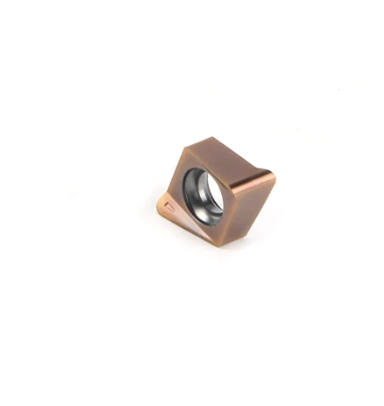
Modern automotive manufacturing demands precision, speed, and cost efficiency across every production stage. Cermet turning inserts have become essential tools in automotive plants worldwide, enabling manufacturers to achieve tight tolerances while reducing cycle times and tool wear. These advanced cutting tools combine the toughness of ceramic materials with the hardness of carbide, creating a hybrid solution specifically engineered for high-speed finishing operations on complex automotive components.
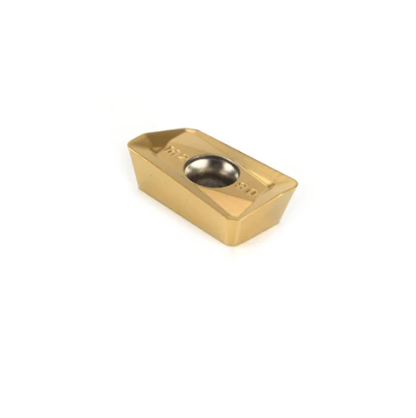
Automotive plants face constant pressure to maximize throughput without compromising surface finish quality. Cermet turning inserts address this challenge by delivering superior performance in finishing operations where precision and reliability directly impact final product quality and customer satisfaction. Understanding how and why modern facilities apply cermet turning inserts reveals the strategic importance of material selection in contemporary automotive manufacturing.
The Material Composition and Performance Advantages of Cermet Turning Inserts
Understanding Cermet Structure and Properties
Cermet turning inserts represent a distinct category within cutting tool materials, positioned between traditional ceramic and carbide tools. The term 'cermet' derives from the combination of ceramic and metallic phases that create a microstructure optimized for specific finishing applications. Unlike pure ceramic inserts that offer extreme hardness but limited toughness, cermet turning inserts provide enhanced fracture resistance while maintaining excellent hardness and wear resistance. This balanced material composition makes cermet turning inserts particularly suitable for automotive finishing operations where both precision and tool reliability are non-negotiable.
The enhanced toughness of cermet turning inserts stems from carefully engineered grain boundaries and binder phases that absorb cutting stresses without chipping or catastrophic failure. Automotive manufacturers recognize that cermet turning inserts withstand the interrupted cutting conditions common in production environments, where tool encounters sudden load changes, coolant application variations, and vibration-induced stress fluctuations. This robustness directly translates to extended tool life, reduced replacement frequency, and lower per-part tooling costs across high-volume production runs.
Thermal and Chemical Stability in High-Speed Operations
Cermet turning inserts demonstrate superior thermal stability compared to alternative cutting materials, enabling higher cutting speeds while maintaining dimensional accuracy and surface finish quality. The ceramic matrix within cermet turning inserts resists thermal cycling and oxidation at elevated temperatures, which naturally occur during high-speed cutting operations. Automotive finishing operations typically demand speeds ranging from 200 to 600 surface feet per minute, conditions where cermet turning inserts excel by maintaining their hardness and edge geometry without deforming or cratering.
The chemical inertness of cermet turning inserts further enhances their applicability in automotive machining environments where materials include stainless steel, ductile iron, and aluminum alloys. Unlike carbide inserts that sometimes experience built-up edge formation or adhesive wear with certain stainless steel grades, cermet turning inserts maintain cleaner chip evacuation and more consistent wear patterns. This predictable wear behavior allows automotive manufacturers to establish reliable tool life estimates and standardize replacement intervals across their production facilities.
Application Strategies for Cermet Turning Inserts in Automotive Manufacturing
Finishing Operations on Engine and Transmission Components
Automotive plants employ cermet turning inserts primarily for finishing operations on critical engine components including crankshafts, camshafts, connecting rods, and valve bodies. These components demand exceptionally smooth surface finishes, typically ranging from 0.4 to 1.6 microinches Ra, specifications that cermet turning inserts achieve reliably without secondary finishing processes. The superior edge retention of cermet turning inserts ensures that final dimensional passes produce consistent surface topology across entire production batches, eliminating the variable results sometimes associated with worn carbide tooling.
Transmission components such as clutch drums, valve spools, and bearing races benefit from the precision capabilities of cermet turning inserts, which maintain tight dimensional control throughout extended production runs. Modern automotive plants recognize that cermet turning inserts reduce the frequency of dimensional drift that requires tool offset adjustments, thereby minimizing machine downtime and production interruptions. By delivering stable finish quality over extended tool life periods, cermet turning inserts lower the total cost of ownership for automotive finishing operations compared to conventional carbide insert strategies.
High-Speed Roughing and Semi-Finishing Applications
Beyond finishing, cermet turning inserts are increasingly applied to high-speed roughing and semi-finishing operations where their toughness and thermal stability provide distinct advantages. Automotive manufacturers use cermet turning inserts in these intermediate machining stages to reduce the number of tool changes and accelerate material removal rates while maintaining acceptable surface integrity. The versatility of cermet turning inserts across multiple machining stages simplifies tool inventory management and reduces setup complexity for automotive production facilities.
When automotive plants apply cermet turning inserts to semi-finishing operations on components like cylinder bores and gear blanks, they benefit from reduced vibration and more predictable chip formation compared to aggressive carbide geometries. This controlled cutting action results in less thermal stress on workpieces and reduced distortion on components requiring tight geometric tolerances. The application of cermet turning inserts in these intermediate stages often eliminates the need for additional finishing passes, thereby reducing total cycle time and improving manufacturing efficiency.
Optimization Techniques and Production Integration of Cermet Turning Inserts
Machine Setup and Coolant Strategy for Cermet Turning Inserts
Successful application of cermet turning inserts in automotive plants requires careful attention to machine rigidity, spindle stability, and coolant delivery systems. Modern automotive manufacturers optimize machine tool characteristics to minimize vibration and runout that could adversely affect cermet turning inserts' edge stability during precision finishing passes. The investment in CNC machine calibration and vibration damping technologies pays dividends when applied alongside properly selected cermet turning inserts, as precision machine tools maximize the inherent capabilities of these advanced cutting materials.
Coolant selection and delivery methodology significantly influence cermet turning inserts' performance and longevity in automotive production environments. Through-spindle coolant delivery systems, now standard on advanced automotive machining centers, ensure optimal thermal management around cermet turning inserts' cutting edges. Automotive facilities that implement flooding coolant systems with cermet turning inserts achieve superior chip evacuation, extended tool life, and more consistent surface finish quality across all production shifts, regardless of operator experience level or machine utilization patterns.
Tool Geometry and Insert Selection for Specific Automotive Applications
Automotive manufacturers must match cermet turning inserts' geometries to specific component features and material combinations to optimize production outcomes. Tool geometry selection for cermet turning inserts considers edge radius, rake angle, and clearance specifications that directly influence cutting forces, heat generation, and surface finish quality during machining operations. Experienced automotive tooling engineers recognize that cermet turning inserts with appropriate geometries for specific stainless steel or cast iron components deliver superior results compared to generic multipurpose inserts.
The coating technologies applied to cermet turning inserts further enhance their suitability for particular automotive applications and material combinations. Physical vapor deposition and chemical vapor deposition coatings on cermet turning inserts provide additional wear resistance and thermal barriers that extend tool life in demanding production environments. Cermet turning inserts with PVD or CVD coatings represent premium tooling solutions that automotive plants implement for high-volume production runs where tool performance directly impacts profitability and market competitiveness.
FAQ
What makes cermet turning inserts superior to carbide inserts for automotive finishing?
Cermet turning inserts combine ceramic hardness with metallic toughness, providing better resistance to thermal cycling and chemical attack than pure carbide. In automotive finishing operations where precision and tool reliability are critical, cermet turning inserts maintain edge geometry longer and produce more consistent surface finishes across extended production runs. The superior thermal stability of cermet turning inserts also enables higher cutting speeds without sacrificing dimensional accuracy or surface quality.
How do automotive plants determine the appropriate cermet turning insert geometry for specific components?
Automotive manufacturers select cermet turning insert geometries based on workpiece material composition, desired surface finish specifications, machine tool capabilities, and production cycle time requirements. Consultation with tooling specialists helps automotive facilities evaluate edge radius, rake angle, and clearance specifications that optimize cermet turning inserts' performance for particular applications. Testing and validation processes confirm that selected cermet turning inserts meet dimensional tolerance and surface finish requirements before full production implementation.
What coolant strategies maximize cermet turning inserts' performance in automotive production?
Through-spindle coolant delivery systems with flooding application provide optimal thermal management for cermet turning inserts during high-speed automotive finishing operations. Automotive plants using cermet turning inserts benefit from coolant formulations specifically engineered for ceramic-based cutting materials, which enhance chip evacuation and reduce built-up edge formation. Proper coolant concentration, temperature control, and filtration maintain cermet turning inserts' cutting edges in peak condition throughout extended production shifts.