
 EN
EN
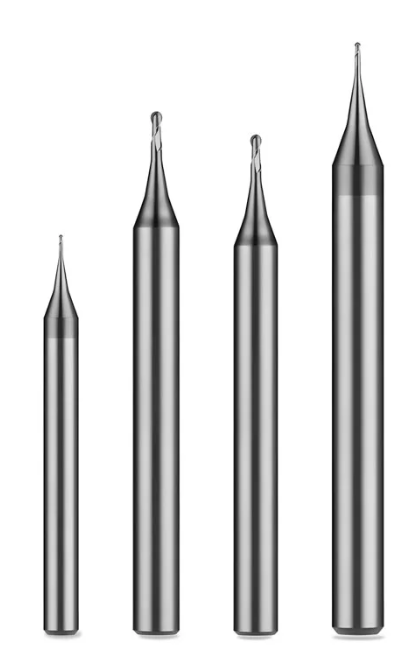
A carbide milling cutter stands as one of the most thermally efficient cutting tools available in modern machining operations. The superior heat dissipation characteristics of a carbide milling cutter directly translate into extended tool life, improved surface finish, and higher operational speeds compared to traditional high-speed steel alternatives. Understanding these thermal advantages helps manufacturers optimize their machining processes and reduce production costs while maintaining precision and consistency across diverse applications.
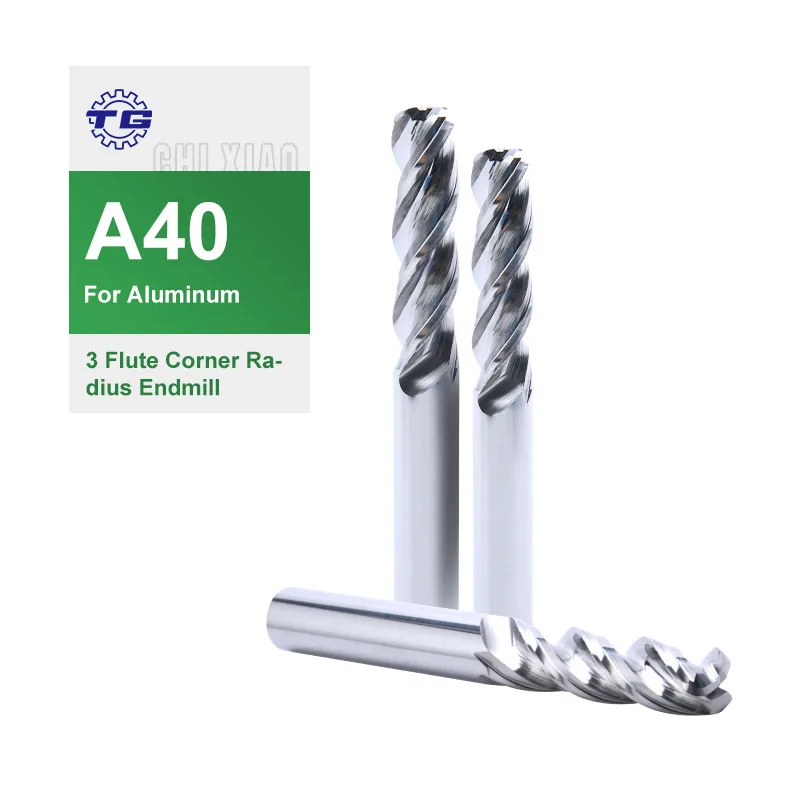
The thermal performance of a carbide milling cutter is fundamentally rooted in the material composition and structural design of the tool itself. Carbide, as a composite material made from tungsten carbide particles bonded with cobalt, possesses inherent properties that facilitate rapid heat transfer away from the cutting edge. When manufacturers select a carbide milling cutter for demanding applications, they gain access to a cutting tool that operates at significantly higher temperatures without sacrificing edge integrity or dimensional accuracy.
Thermal Conductivity and Material Composition Benefits
Superior Thermal Properties of Carbide
A carbide milling cutter delivers exceptional thermal conductivity that sets it apart from conventional tool materials. The carbide structure allows heat generated during cutting to dissipate rapidly from the cutting edge into the tool body and surrounding environment. This efficient heat transfer mechanism prevents thermal buildup that would otherwise cause tool degradation, edge chipping, or loss of cutting precision. The thermal conductivity of carbide is approximately three to five times higher than high-speed steel, enabling a carbide milling cutter to maintain stable cutting conditions even during extended machining cycles.
Impact on Cutting Temperature Control
When operating a carbide milling cutter at high speeds, the cutting temperature naturally increases due to friction and shear forces in the material removal process. However, superior heat dissipation inherent to a carbide milling cutter design ensures that localized temperatures at the cutting edge remain within acceptable ranges. This thermal management capability allows operators to push cutting speeds beyond what would be possible with other tool materials while maintaining tool reliability and edge sharpness throughout the production run.
Extended Tool Life and Operational Efficiency
Reduced Thermal Stress and Wear Mechanisms
The heat dissipation advantages of a carbide milling cutter directly reduce the thermal stress cycles that shorten tool life. Traditional cutting tools experience accelerated wear when exposed to rapid temperature fluctuations during interrupted cuts or varying material hardness. A carbide milling cutter maintains more stable thermal conditions, minimizing the thermal fatigue that causes micro-cracking and accelerated edge breakdown. This translates into a carbide milling cutter lasting significantly longer in production environments, reducing tool replacement frequency and associated downtime.
Cost Efficiency Through Extended Service Life
Despite the higher initial investment compared to high-speed steel tools, a carbide milling cutter delivers superior return on investment through extended service life. The thermal stability of a carbide milling cutter means fewer tool changes during production shifts, reduced scrap from dimensional drift, and decreased machine idle time for tool replacement. Manufacturers operating precision CNC machines find that a single carbide milling cutter can complete workloads that would require multiple conventional tools, directly reducing per-part tooling costs and improving overall production efficiency.
Surface Finish Quality and Machining Precision
Maintaining Edge Sharpness Under Thermal Load
Superior heat dissipation from a carbide milling cutter helps maintain cutting edge geometry and sharpness throughout extended machining operations. When cutting edges remain thermally stable, they resist the micro-deformation and plastic flow that degrades surface finish quality. A carbide milling cutter operating within optimal thermal conditions produces consistent chip formation, predictable surface roughness, and minimal tool marking on finished surfaces. This thermal consistency means that parts machined with a carbide milling cutter maintain tighter tolerances and superior surface finishes compared to work performed with less thermally efficient cutting tools.
Precision in Demanding Applications
High-precision aerospace, automotive, and medical component manufacturing demands cutting tools that maintain dimensional accuracy across extended production runs. A carbide milling cutter excels in these applications because its superior heat dissipation prevents the thermal growth that causes dimensional drift. The stable thermal environment created by a carbide milling cutter allows for tighter feeds and speeds without sacrificing surface quality, enabling manufacturers to achieve complex geometries with exceptional accuracy. This thermal stability becomes particularly critical when machining hardened materials or conducting interrupted cuts where thermal cycling would compromise edge integrity.
FAQ
How does the thermal conductivity of a carbide milling cutter compare to high-speed steel tools?
A carbide milling cutter exhibits thermal conductivity approximately three to five times higher than high-speed steel, enabling significantly faster heat dissipation from the cutting edge. This superior thermal performance allows a carbide milling cutter to maintain stable operating temperatures even at cutting speeds two to three times faster than conventional steel tools. The improved heat transfer capability of a carbide milling cutter directly contributes to longer tool life and more consistent machining results across production environments.
What specific manufacturing situations benefit most from a carbide milling cutter's heat dissipation advantages?
High-speed production runs, hardened material machining, and interrupted cutting operations gain substantial benefits from a carbide milling cutter's superior heat management. A carbide milling cutter proves particularly valuable in aerospace and medical device manufacturing where precision and consistency are non-negotiable requirements. Additionally, a carbide milling cutter excels when machining exotic alloys, composites, or materials with challenging thermal properties that generate excessive heat during conventional cutting processes.
Does a carbide milling cutter require different cooling strategies than traditional cutting tools?
While a carbide milling cutter performs better than traditional tools with or without coolant, proper cooling strategies still enhance thermal management and extend tool life further. A carbide milling cutter can operate dry in many applications due to inherent heat dissipation, but flood cooling or through-spindle coolant delivery optimizes a carbide milling cutter's performance in demanding high-speed operations. The superior thermal properties of a carbide milling cutter allow manufacturers to reduce coolant usage while maintaining or improving machining results compared to conventional tools requiring more aggressive cooling support.
Table of Contents
- Thermal Conductivity and Material Composition Benefits
- Extended Tool Life and Operational Efficiency
- Surface Finish Quality and Machining Precision
-
FAQ
- How does the thermal conductivity of a carbide milling cutter compare to high-speed steel tools?
- What specific manufacturing situations benefit most from a carbide milling cutter's heat dissipation advantages?
- Does a carbide milling cutter require different cooling strategies than traditional cutting tools?