
 EN
EN
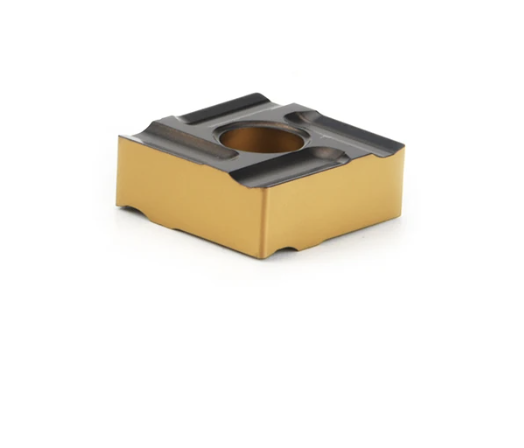
Large machine shops depend on precision tooling to maintain competitive advantages in high-volume production environments. Among the most critical components in modern CNC machining operations are milling inserts, which directly influence surface finish quality, tool life, and production efficiency. Octagonal milling inserts have become the preferred choice for face milling applications across manufacturing sectors, from aerospace to automotive and heavy equipment production. Understanding how to select, apply, and optimize octagonal milling inserts separates leading shops from average operations.
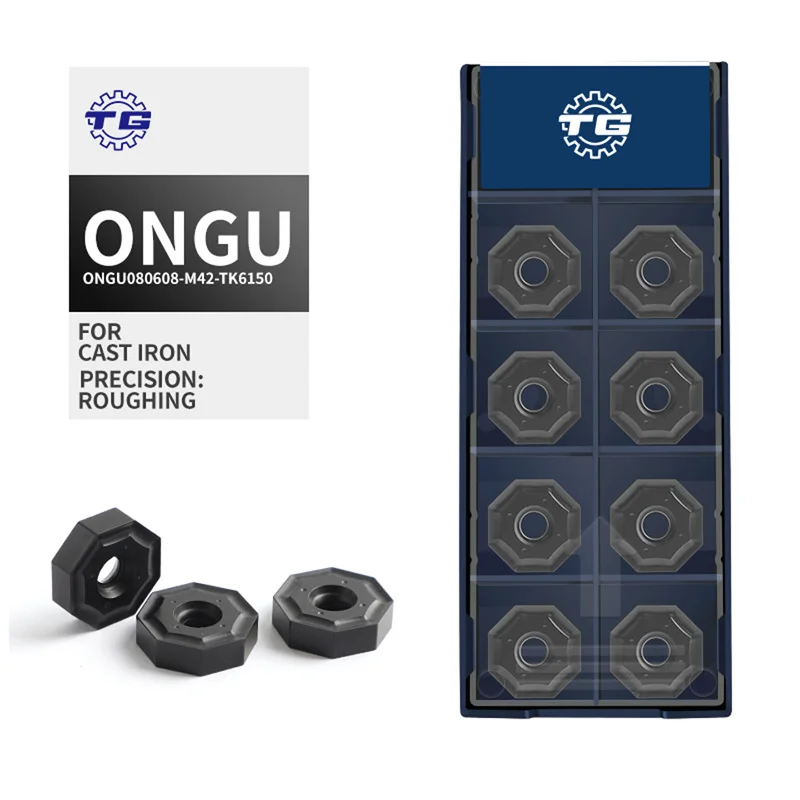
Face milling represents one of the most demanding machining operations in production environments. The geometry of octagonal milling inserts provides eight usable cutting edges, delivering superior productivity compared to traditional square or round geometries. When large machine shops implement octagonal milling inserts correctly, they achieve faster cycle times, reduced tool changeovers, and improved dimensional consistency. The application of these specialized milling inserts requires careful consideration of material composition, cutting parameters, and machine tool capabilities.
Understanding Octagonal Milling Insert Geometry and Design
The Eight-Edge Configuration and Advantages
Octagonal milling inserts feature eight symmetrical cutting edges arranged around a single body. This geometry maximizes edge utilization and extends tool life compared to four-edge square geometries. Each edge of octagonal milling inserts can be indexed independently, allowing shops to rotate the tool and deploy a fresh cutting edge without removing the insert from the tool holder. The efficiency gain from octagonal milling inserts directly reduces non-productive time spent changing tools during extended production runs.
Material Composition and Cutting Performance
High-performance octagonal milling inserts are manufactured from carbide or ceramic materials, each selected for specific workpiece compositions. Carbide octagonal milling inserts deliver excellent toughness and wear resistance when machining cast iron, aluminum, and steel alloys. The thermal stability of premium octagonal milling inserts enables faster spindle speeds and deeper feeds, directly improving shop productivity. Coating technologies applied to modern octagonal milling inserts, such as TiN, CrN, and multi-layer CVD formulations, provide additional protection against thermal shock and adhesive wear.
Selection Criteria for Octagonal Milling Inserts in Face Milling Operations
Workpiece Material and Cutting Condition Matching
Large machine shops must match octagonal milling inserts composition and coating to the specific workpiece material being machined. Cast iron applications typically require tougher octagonal milling inserts with robust edge geometry, while aluminum demands sharper octagonal milling inserts with polished flank surfaces to minimize built-up edge formation. Stainless steel and titanium require specialized octagonal milling inserts with heat-resistant coatings to withstand thermal cycling and work-hardening tendencies. The relationship between workpiece hardness, machinability rating, and octagonal milling inserts selection directly determines tool life and surface finish quality.
Machine Tool Rigidity and Holder Compatibility
Successful deployment of octagonal milling inserts depends on machine tool rigidity and spindle runout control. Face milling holders designed specifically for octagonal milling inserts ensure proper insert seating, precise indexing, and consistent cutting edge height across all eight edges. Large machine shops investing in indexable face milling tools for octagonal milling inserts gain the flexibility to switch between workpiece materials by simply rotating the insert. The insert pocket design of octagonal milling inserts holders must provide adequate clamping force without distortion, as any deflection during cutting creates chatter and dimensional variation.
Practical Application Techniques and Process Optimization
Feed Rate and Spindle Speed Selection for Maximum Efficiency
Optimizing cutting parameters represents the most direct path to maximizing octagonal milling inserts performance in production environments. Feed rates for face milling with octagonal milling inserts range from 0.15 to 0.40 millimeters per tooth, depending on workpiece material and insert geometry. Spindle speeds for octagonal milling inserts in steel applications typically range from 100 to 300 meters per minute, while aluminum permits significantly higher speeds. Large machine shops using advanced tool monitoring systems can track cutting forces and acoustic emission signals to automatically adjust feeds and speeds, extending octagonal milling inserts life and preventing premature failure.
Insert Rotation Patterns and Preventive Maintenance
Implementing disciplined rotation schedules for octagonal milling inserts maximizes return on tooling investment. Machine operators should systematically rotate octagonal milling inserts through all eight available edges before tool disposal, documenting wear patterns to inform purchasing decisions. Regular inspection protocols ensure that octagonal milling inserts showing crater wear, edge breakage, or thermal damage are removed before failures cascade into scrapped workpieces. Shops maintaining detailed milling inserts inventory systems track insertion batches and coating formulations, enabling rapid identification of performance trends across different insert sources.
FAQ
What is the primary advantage of octagonal milling inserts over square inserts?
Octagonal milling inserts provide eight usable cutting edges compared to the four edges available on square milling inserts. This eight-edge geometry reduces tool changeover frequency by half, directly improving shop productivity and reducing non-productive machining time. The symmetrical edge arrangement ensures consistent cutting performance across all eight positions, allowing shops to maximize tool utilization before replacement becomes necessary.
How do machine shops determine the correct spindle speed for octagonal milling inserts?
Spindle speed selection for octagonal milling inserts depends on workpiece material, insert coating composition, and machine tool capabilities. Cast iron typically requires 100 to 200 meters per minute for carbide octagonal milling inserts, while aluminum permits 250 to 400 meters per minute. Starting with conservative speeds and gradually increasing while monitoring cutting forces and surface finish ensures optimal performance without premature tool failure or chatter.
When should a machine shop replace octagonal milling inserts during production?
Octagonal milling inserts should be rotated to a fresh edge when visible flank wear reaches 0.3 to 0.5 millimeters or when crater wear exceeds acceptable limits. Some shops implement time-based replacement intervals after confirming tool life through initial test runs. Preventive replacement before catastrophic failure prevents scrap parts and maintains consistent surface finish throughout production runs.