
 EN
EN
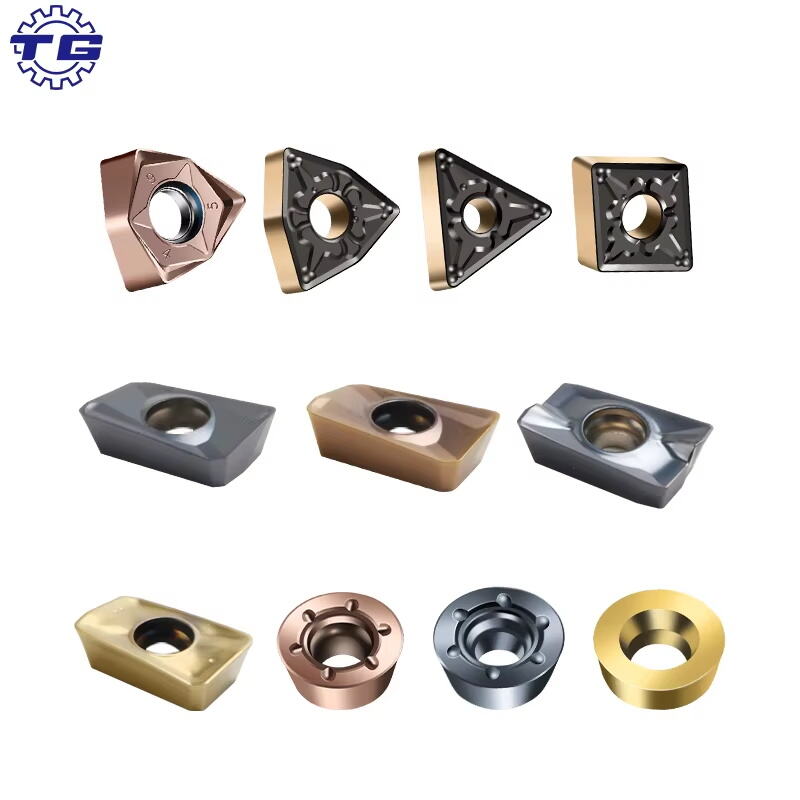
Tungsten carbide stands as one of the most remarkable materials in modern manufacturing, combining exceptional hardness with impressive versatility across numerous industrial applications. This synthetic compound has revolutionized tool manufacturing, mining operations, and precision machining processes since its development in the early 20th century. Understanding the properties and production methods of tungsten carbide provides crucial insights for engineers, manufacturers, and industry professionals seeking optimal material solutions for demanding applications.
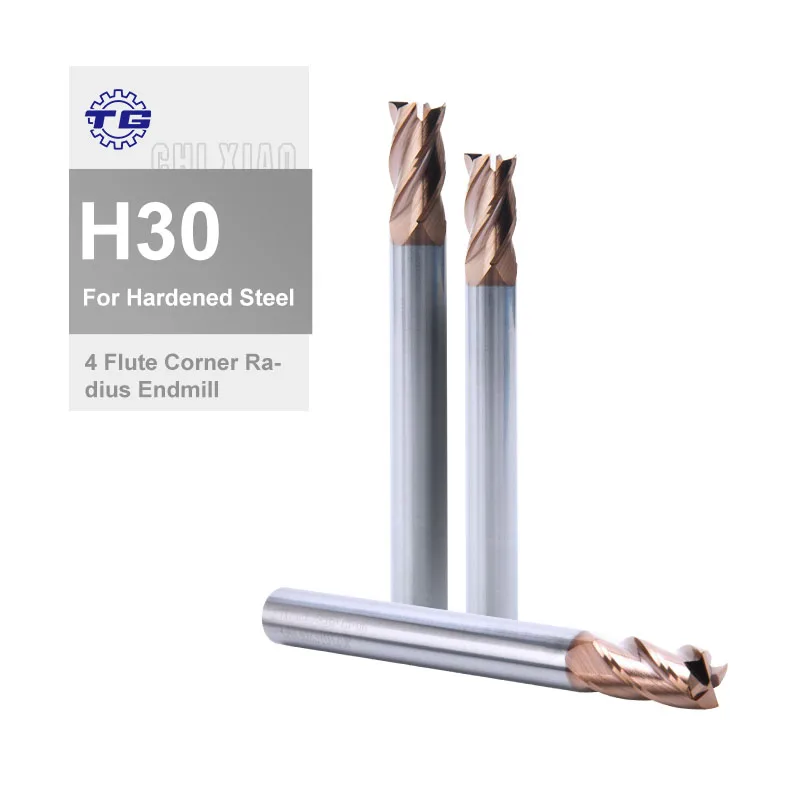
The unique characteristics of tungsten carbide stem from its molecular structure, which combines tungsten and carbon atoms in precise ratios to create a material nearly as hard as diamond. This extraordinary hardness, measured at approximately 9 on the Mohs scale, makes tungsten carbide invaluable for applications requiring superior wear resistance and cutting performance. Manufacturing industries worldwide rely on this material to produce cutting tools, wear-resistant components, and specialized equipment that must withstand extreme conditions and maintain precision over extended operational periods.
Fundamental Properties of Tungsten Carbide
Physical and Mechanical Characteristics
Tungsten carbide exhibits an impressive combination of physical properties that distinguish it from conventional materials. The material demonstrates exceptional hardness ratings between 1400-2600 HV (Vickers hardness), depending on its specific composition and manufacturing process. This hardness translates directly into superior wear resistance, making tungsten carbide components last significantly longer than traditional steel alternatives in demanding applications.
Beyond hardness, tungsten carbide maintains excellent compressive strength, typically exceeding 6000 MPa, while offering reasonable fracture toughness when properly formulated. The material's density ranges from 14.5 to 15.5 g/cm³, providing substantial mass in compact applications. These properties combine to create a material capable of maintaining sharp cutting edges, resisting deformation under high loads, and withstanding extreme temperatures without significant degradation.
Chemical Composition and Structure
The chemical composition of tungsten carbide follows a precise stoichiometric ratio, typically expressed as WC, where tungsten atoms bond with carbon atoms in a hexagonal crystal structure. This arrangement creates strong covalent bonds that contribute to the material's exceptional hardness and stability. Commercial tungsten carbide products often incorporate cobalt as a binder material, creating cemented carbide compositions with enhanced toughness and workability.
Different tungsten carbide grades utilize varying cobalt content, typically ranging from 3% to 25% by weight, depending on the intended application requirements. Lower cobalt content produces harder, more wear-resistant grades suitable for cutting applications, while higher cobalt content creates tougher grades appropriate for impact-resistant applications. Understanding these compositional variations enables proper material selection for specific industrial requirements.
Manufacturing Process and Production Methods
Powder Production and Preparation
The manufacturing process begins with the production of tungsten carbide powder through carefully controlled chemical reactions. Raw tungsten metal, typically in powder form, undergoes carburization at temperatures between 1400°C and 2000°C in the presence of carbon sources such as carbon black or graphite. This high-temperature process creates the characteristic WC crystal structure while eliminating impurities and achieving desired particle size distributions.
Modern production facilities employ sophisticated atmosphere control systems to maintain precise carbon-to-tungsten ratios during the carburization process. The resulting tungsten carbide powder exhibits specific surface area measurements and particle size characteristics that directly influence the final product's properties. Quality control measures throughout powder production ensure consistent chemical composition and physical characteristics essential for reliable end-product performance.
Consolidation and Sintering Techniques
Following powder preparation, tungsten carbide products undergo consolidation through various forming methods including pressing, injection molding, or extrusion, depending on the desired final geometry. These processes compact the powder mixture into near-net shapes while maintaining dimensional accuracy and eliminating internal voids that could compromise mechanical properties.
The sintering process represents the critical manufacturing stage where compacted powder transforms into fully dense tungsten carbide components. Sintering occurs in controlled atmosphere furnaces at temperatures between 1350°C and 1600°C, allowing cobalt binder to melt and facilitate particle bonding while maintaining the tungsten carbide grain structure. Advanced sintering techniques, including hot isostatic pressing and vacuum sintering, enable production of components with enhanced properties and complex geometries.
Industrial Applications and Performance Benefits
Cutting Tool Manufacturing
Tungsten carbide dominates the cutting tool industry due to its ability to maintain sharp edges while withstanding high-speed machining conditions. End mills, drill bits, turning inserts, and specialized cutting tools manufactured from tungsten carbide deliver superior performance in machining hardened steels, non-ferrous metals, and composite materials. The material's high thermal conductivity helps dissipate heat generated during cutting operations, preventing tool failure and maintaining dimensional accuracy.
Modern coating technologies further enhance tungsten carbide cutting tool performance through the application of titanium nitride, aluminum oxide, or diamond-like carbon coatings. These surface treatments reduce friction, increase hardness, and provide chemical barrier properties that extend tool life in demanding machining applications. The combination of tungsten carbide substrates with advanced coatings represents the current state-of-the-art in cutting tool technology.
Wear-Resistant Components and Mining Applications
Mining and construction industries extensively utilize tungsten carbide for components subjected to severe abrasive wear conditions. Drill bits for oil and gas exploration incorporate tungsten carbide inserts to penetrate hard rock formations while maintaining cutting efficiency. Similarly, mining equipment utilizes tungsten carbide wear plates, cutting teeth, and protective components to extend operational life and reduce maintenance requirements.
The material's performance in abrasive environments stems from its ability to resist particle erosion while maintaining structural integrity under high-stress conditions. Tungsten carbide components demonstrate wear rates significantly lower than conventional materials, resulting in reduced downtime, lower replacement costs, and improved operational efficiency in mining and construction applications.
Quality Control and Material Selection
Testing and Characterization Methods
Comprehensive quality control programs ensure tungsten carbide products meet specified performance requirements through standardized testing procedures. Hardness testing using Vickers or Rockwell methods provides fundamental property verification, while fracture toughness measurements evaluate the material's resistance to crack propagation under stress conditions.
Advanced characterization techniques including X-ray diffraction analysis verify crystal structure integrity, while scanning electron microscopy examines microstructural features that influence performance characteristics. Density measurements confirm proper sintering completion, and magnetic coercivity testing evaluates cobalt binder distribution uniformity throughout the tungsten carbide matrix.
Grade Selection Criteria
Selecting appropriate tungsten carbide grades requires careful consideration of application-specific requirements including operating temperatures, stress levels, wear mechanisms, and dimensional tolerances. Fine-grain grades with low cobalt content provide maximum hardness for precision cutting applications, while coarse-grain grades with higher cobalt content offer enhanced toughness for impact-resistant components.
Material suppliers typically provide comprehensive grade selection guides that correlate tungsten carbide properties with specific application requirements. Understanding these relationships enables engineers to optimize material selection decisions, ensuring optimal performance while minimizing costs in manufacturing and operational environments.
FAQ
What makes tungsten carbide harder than steel
Tungsten carbide achieves superior hardness compared to steel through its unique crystal structure and strong covalent bonding between tungsten and carbon atoms. While steel derives its properties from metallic bonding and various heat treatments, tungsten carbide's hexagonal crystal lattice creates exceptional resistance to deformation and wear, resulting in hardness levels approaching those of natural diamonds.
How long do tungsten carbide cutting tools typically last
The service life of tungsten carbide cutting tools varies significantly based on application parameters, but they generally last 10-50 times longer than high-speed steel alternatives. Factors influencing tool life include cutting speeds, feed rates, workpiece materials, and cooling methods. Proper tool selection and optimized cutting parameters can achieve thousands of parts per tool in production machining environments.
Can tungsten carbide be recycled or reclaimed
Yes, tungsten carbide can be effectively recycled through specialized reclamation processes that separate tungsten from cobalt binder materials. Recycling methods include zinc reclamation, where worn tools are processed to recover tungsten powder for reuse in new product manufacturing. This recycling capability makes tungsten carbide an environmentally sustainable material choice while reducing raw material costs for manufacturers.
What safety precautions are necessary when working with tungsten carbide
Working with tungsten carbide requires standard industrial safety practices including proper ventilation when grinding or machining, eye protection from sharp fragments, and appropriate handling procedures for powder forms. While tungsten carbide itself is relatively inert, cobalt binder materials may require additional precautions in powder handling applications. Following established safety guidelines ensures safe handling and processing of tungsten carbide materials in manufacturing environments.