
 EN
EN
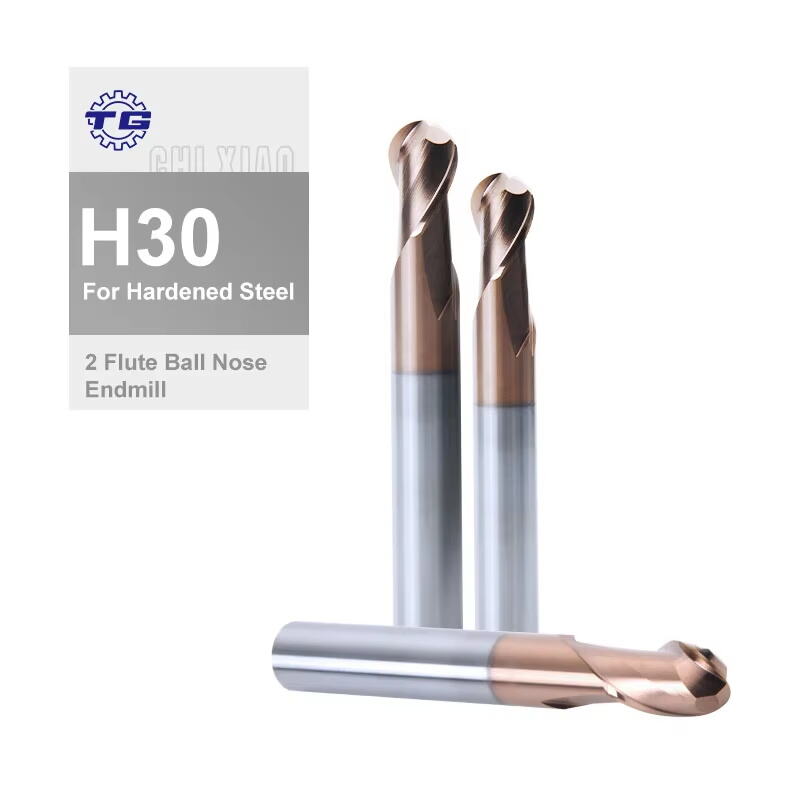
Carbide insert performance stands as a cornerstone in modern machining operations, directly influencing productivity, cost-effectiveness, and quality outcomes. Understanding the multifaceted elements that determine how well these cutting tools perform requires examining material properties, geometric configurations, coating technologies, and operational parameters. Manufacturing professionals who optimize these variables can achieve superior surface finishes, extended tool life, and enhanced production efficiency across diverse applications.
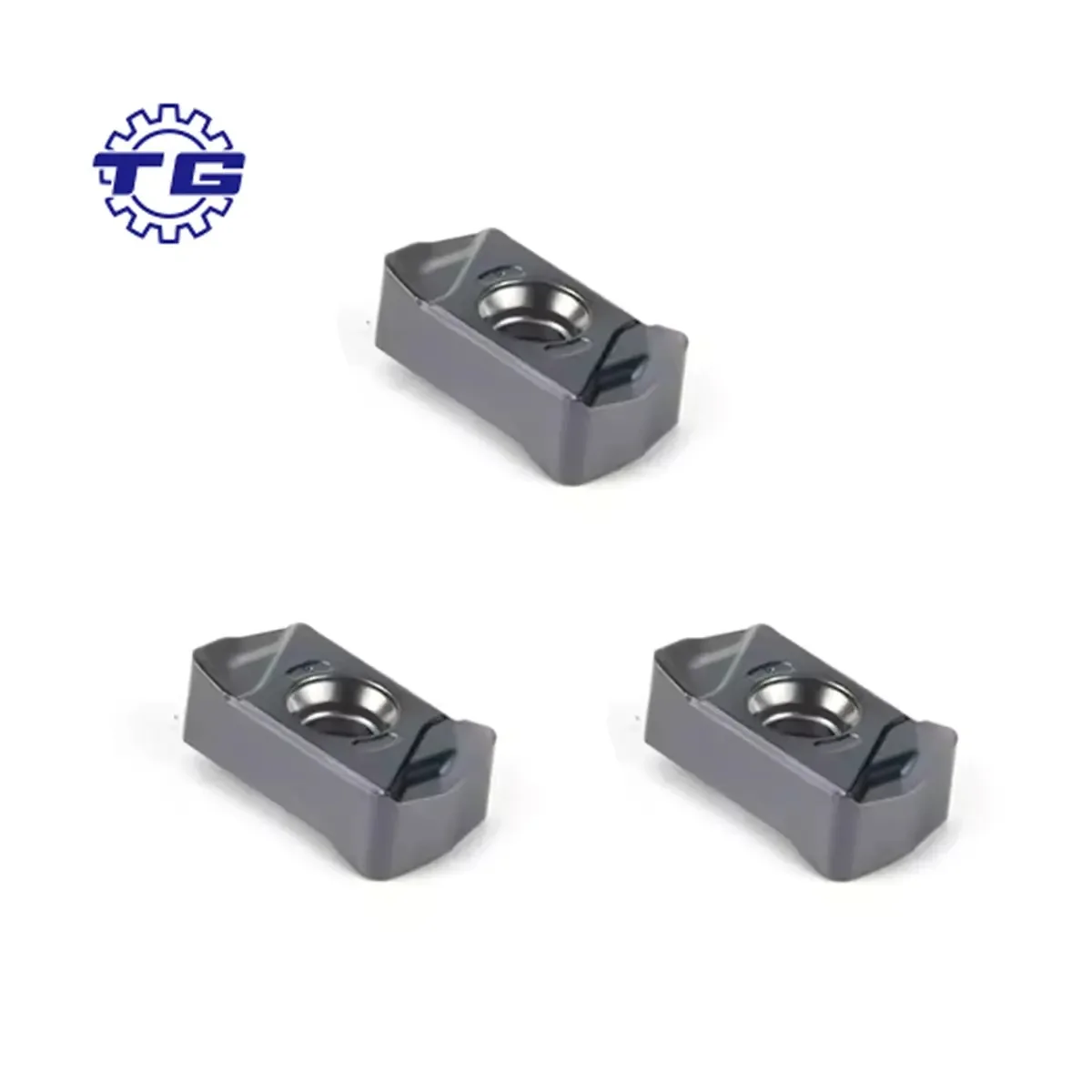
Material Composition and Substrate Quality
Tungsten Carbide Grade Selection
The foundation of exceptional carbide insert performance begins with selecting the appropriate tungsten carbide grade for specific machining applications. Different grades contain varying percentages of tungsten carbide particles and cobalt binder, creating distinct hardness and toughness profiles. Higher cobalt content generally increases toughness while reducing hardness, making these grades suitable for interrupted cuts and challenging workpiece materials. Conversely, grades with lower cobalt percentages offer superior wear resistance but may be more susceptible to chipping under severe cutting conditions.
Grain size distribution within the carbide substrate significantly impacts cutting edge integrity and tool longevity. Fine-grain carbides typically provide sharper cutting edges and better surface finishes, while coarse-grain varieties offer enhanced thermal shock resistance. The manufacturing process must carefully control particle size uniformity to prevent weak points that could lead to premature failure. Advanced powder metallurgy techniques ensure consistent grain structure throughout the insert body, contributing to predictable performance characteristics.
Binder Phase Optimization
Cobalt serves as the primary binder phase in most carbide inserts, creating a matrix that holds tungsten carbide particles together while maintaining cutting edge strength. The distribution and quality of this binder phase directly influence impact resistance and thermal conductivity properties. Modern manufacturing processes utilize advanced sintering techniques to achieve optimal binder distribution, preventing pooling or depletion zones that could compromise structural integrity. Alternative binder systems, including nickel and iron-based compositions, offer specialized properties for specific applications requiring enhanced corrosion resistance or magnetic neutrality.
Binder enrichment zones near the cutting edge can significantly improve toughness without sacrificing overall hardness throughout the insert body. This gradient structure allows manufacturers to tailor properties precisely where they are needed most. Quality control measures ensure consistent binder distribution, preventing variations that could lead to unpredictable performance during critical machining operations.
Geometric Design and Edge Preparation
Cutting Edge Geometry
Precise geometric design parameters fundamentally determine how effectively carbide inserts engage with workpiece materials during cutting operations. Rake angle configuration influences chip formation characteristics, cutting forces, and heat generation patterns. Positive rake angles reduce cutting forces and power requirements but may weaken the cutting edge, while negative rake angles provide enhanced edge strength at the expense of increased cutting forces. The optimal balance depends on workpiece material properties, machine tool rigidity, and specific application requirements.
Relief angle design prevents interference between the insert and freshly machined surfaces while maintaining adequate edge support. Insufficient relief angles cause rubbing and rapid wear, while excessive angles weaken the cutting edge structure. Modern insert designs incorporate variable relief angles that optimize performance across different cutting depths and feed rates. Advanced computational modeling helps engineers predict optimal geometric configurations before physical testing and production.
Edge Preparation Techniques
Edge preparation methods significantly influence initial cutting performance and long-term tool life characteristics. Sharp edges provide excellent surface finishes and low cutting forces but may be prone to chipping in demanding applications. Rounded or chamfered edges offer improved strength and reduced sensitivity to impact loads while potentially increasing cutting forces. The selection of appropriate edge preparation depends on workpiece material hardness, cutting parameters, and desired surface quality outcomes.
Advanced edge preparation techniques, including controlled micro-geometry modification, allow manufacturers to fine-tune cutting edge properties for specific applications. Precision grinding and polishing operations create consistent edge radii that promote predictable wear patterns and extended tool life. Quality control systems ensure that edge preparation specifications remain within tight tolerances throughout production batches.
Coating Technologies and Surface Treatments
Physical Vapor Deposition Coatings
Physical vapor deposition (PVD) coating technologies represent a critical advancement in enhancing carbide insert performance across diverse machining applications. These thin-film coatings provide superior wear resistance, reduced friction coefficients, and enhanced chemical stability at elevated temperatures. Common PVD coating materials include titanium nitride, titanium aluminum nitride, and chromium nitride, each offering specific advantages for particular workpiece materials and cutting conditions. The low deposition temperatures associated with PVD processes preserve the sharp cutting edges essential for precision machining operations.
Multi-layer PVD coating systems combine different materials to achieve optimized performance characteristics that single-layer coatings cannot provide. These sophisticated structures may include adhesion layers, wear-resistant intermediate layers, and low-friction top layers that work synergistically to extend tool life. Advanced coating architectures incorporate gradient compositions that provide smooth transitions between layers, eliminating stress concentrations that could lead to coating delamination during service.
Chemical Vapor Deposition Applications
Chemical vapor deposition (CVD) coating processes enable the application of extremely hard and chemically inert materials that significantly enhance insert durability in challenging machining environments. Titanium carbide, aluminum oxide, and diamond-like carbon coatings deposited through CVD processes offer exceptional wear resistance and thermal stability. The higher deposition temperatures associated with CVD allow for superior coating adhesion and density compared to alternative methods, though careful process control is required to prevent edge degradation.
Advanced CVD coating systems incorporate texture control and surface modification techniques that optimize chip evacuation and reduce built-up edge formation. These surface engineering approaches can dramatically improve performance in materials prone to adhesive wear mechanisms. The selection between PVD and CVD coating technologies depends on specific application requirements, cutting parameters, and desired performance outcomes.
Operational Parameters and Cutting Conditions
Speed and Feed Rate Optimization
Cutting speed selection represents one of the most influential factors affecting carbide insert performance and overall machining economics. Higher cutting speeds generally improve productivity but increase thermal loading on the cutting edge, potentially accelerating wear mechanisms. The optimal speed range depends on workpiece material thermal conductivity, insert coating properties, and available cooling strategies. Modern carbide grades and coating systems enable significantly higher cutting speeds than historical limitations, provided that other parameters remain properly balanced.
Feed rate optimization requires balancing productivity goals with surface finish requirements and tool life expectations. Excessive feed rates increase cutting forces and may cause chipping or catastrophic failure, while insufficient feed rates can lead to work hardening and accelerated wear. The relationship between feed rate and chip thickness directly influences heat generation patterns and chip evacuation characteristics. Advanced process monitoring systems help operators maintain optimal feed rates throughout extended machining operations.
Depth of Cut Considerations
Depth of cut selection affects cutting forces, heat generation, and chip formation patterns in ways that significantly impact carbide insert performance. Light cuts may cause rubbing and accelerated wear due to insufficient chip thickness, while heavy cuts increase mechanical loading and thermal stress. The optimal depth of cut range varies with workpiece material properties, insert geometry, and machine tool capabilities. Consistent depth of cut maintenance throughout machining operations helps ensure predictable tool performance and surface quality outcomes.
Variable depth of cut strategies can optimize material removal rates while managing thermal and mechanical loads on the cutting edge. These approaches may involve gradually increasing cut depths during roughing operations or alternating between heavy and light cuts to manage heat buildup. Process planning software helps engineers determine optimal depth of cut sequences for specific components and production requirements.
Cooling and Lubrication Strategies
Flood Coolant Applications
Effective cooling and lubrication strategies play essential roles in maximizing carbide insert performance by managing thermal loads and reducing friction at the cutting interface. Flood coolant systems provide continuous cooling and chip evacuation, helping maintain stable cutting temperatures even during high-speed operations. The selection of appropriate coolant formulations depends on workpiece material compatibility, environmental considerations, and specific machining requirements. Water-based coolants offer excellent heat transfer properties, while oil-based formulations provide superior lubrication characteristics.
Coolant delivery methods significantly influence effectiveness in reaching critical cutting zones where heat generation is most intense. High-pressure coolant systems can penetrate the cutting zone more effectively than conventional flood cooling, providing enhanced thermal management and improved chip evacuation. Proper coolant maintenance, including filtration and concentration monitoring, ensures consistent performance throughout extended production runs.
Minimum Quantity Lubrication
Minimum quantity lubrication (MQL) systems represent an environmentally conscious approach to enhancing carbide insert performance while reducing coolant consumption and disposal requirements. These systems deliver precisely controlled amounts of lubricant directly to the cutting zone, providing effective lubrication without the thermal management challenges associated with flood cooling. MQL applications are particularly effective in materials prone to work hardening or adhesive wear mechanisms where lubrication properties are more critical than thermal management.
Advanced MQL systems incorporate air assistance and precise delivery control that optimize lubricant placement and minimize waste. The selection of appropriate lubricant formulations for MQL applications requires consideration of viscosity, thermal stability, and environmental impact factors. Proper system setup and maintenance ensure consistent lubricant delivery throughout production operations.
Workpiece Material Properties
Hardness and Strength Characteristics
Workpiece material hardness directly influences carbide insert performance through its effects on cutting forces, heat generation, and wear mechanisms. Harder materials typically require more robust insert grades with enhanced wear resistance, while softer materials may benefit from sharper cutting edges and optimized chip evacuation features. The relationship between workpiece hardness and optimal cutting parameters requires careful consideration to prevent premature tool failure or poor surface quality outcomes.
Material strength characteristics, including tensile strength and work hardening tendencies, significantly impact tool selection and operational parameter optimization. High-strength materials generate increased cutting forces that may require inserts with enhanced toughness and edge strength. Work hardening alloys demand consistent feed rates and sharp cutting edges to prevent surface hardening that could accelerate tool wear or cause cutting difficulties.
Thermal Conductivity Effects
Workpiece thermal conductivity properties fundamentally influence heat distribution patterns during cutting operations, directly affecting carbide insert performance and tool life expectations. Materials with high thermal conductivity, such as aluminum alloys, conduct heat away from the cutting zone more effectively, reducing thermal loading on the insert. Conversely, materials with poor thermal conductivity, including titanium alloys and stainless steels, concentrate heat in the cutting zone, requiring specialized cooling strategies and heat-resistant tool materials.
Understanding thermal conductivity effects enables proper selection of cutting parameters and cooling strategies that optimize performance for specific material combinations. High thermal conductivity materials may allow higher cutting speeds, while low conductivity materials require more conservative parameters and enhanced cooling systems. Advanced thermal modeling helps predict optimal cutting conditions for challenging material combinations.
Machine Tool Considerations
Rigidity and Vibration Control
Machine tool rigidity represents a fundamental factor influencing carbide insert performance through its effects on cutting stability and dynamic loading patterns. Insufficient machine rigidity allows vibrations and chatter that can cause premature insert failure, poor surface finishes, and accelerated wear. Rigid machine tool structures enable the use of optimized cutting parameters that maximize productivity while maintaining tool life expectations. Regular machine maintenance and proper foundation installation help ensure adequate rigidity throughout the machine's service life.
Vibration control systems, including active damping and isolation technologies, can significantly improve machining stability in applications where structural limitations cannot be easily addressed. These systems help maintain consistent cutting conditions that optimize carbide insert performance across diverse applications. Proper tool holder selection and setup procedures also contribute to overall system rigidity and cutting stability.
Spindle Speed Capabilities
Machine tool spindle speed capabilities directly determine the range of cutting speeds available for optimizing carbide insert performance. High-speed spindles enable the use of smaller diameter tools at optimal cutting speeds, improving productivity and surface finish quality. However, spindle speed limitations may require adjustments to cutting parameters that could impact overall performance. Proper spindle maintenance and bearing systems ensure consistent speed accuracy and minimize vibrations that could affect cutting quality.
Variable speed control systems allow operators to fine-tune cutting speeds for specific applications and materials, optimizing performance throughout diverse production requirements. Advanced spindle monitoring systems help detect developing problems before they impact cutting performance or cause tool damage. Regular calibration and maintenance procedures ensure that spindle speed capabilities remain within specifications throughout extended service periods.
FAQ
How does carbide grade selection impact insert performance in different materials?
Carbide grade selection significantly impacts performance through the balance of hardness and toughness properties. Harder grades with lower cobalt content provide excellent wear resistance for abrasive materials like cast iron, while tougher grades with higher cobalt content handle interrupted cuts and shock loading better in materials like stainless steel. The grain size also matters, with fine-grain carbides offering sharper edges for precision finishing and coarse-grain varieties providing better thermal shock resistance for rough machining operations.
What role do coatings play in extending carbide insert life?
Coatings extend carbide insert life by providing additional wear resistance, reducing friction, and improving chemical stability at elevated temperatures. PVD coatings like TiAlN offer excellent performance at high speeds with sharp edge retention, while CVD coatings provide superior wear resistance for demanding applications. Multi-layer coating systems combine different materials to optimize multiple performance characteristics simultaneously, often resulting in 2-3 times longer tool life compared to uncoated inserts when properly matched to applications.
How do cutting parameters affect carbide insert wear patterns?
Cutting parameters directly influence wear mechanisms and patterns through their effects on temperature, mechanical loading, and chip formation. Excessive cutting speeds increase thermal wear, while insufficient speeds may cause built-up edge formation and adhesive wear. Feed rate optimization prevents both rubbing wear from light cuts and mechanical overload from heavy cuts. Proper parameter selection creates predictable wear patterns that allow for optimal tool life utilization and consistent surface quality throughout the insert's service life.
What machine tool factors most significantly impact carbide insert performance?
Machine tool rigidity and vibration control represent the most critical factors affecting carbide insert performance. Insufficient rigidity allows chatter and vibrations that cause premature failure and poor surface finishes, while rigid machines enable optimized cutting parameters for maximum productivity. Spindle accuracy, tool holding systems, and proper maintenance also significantly impact performance. Additionally, adequate coolant delivery systems and precise positioning accuracy help ensure consistent cutting conditions that optimize tool life and part quality outcomes.