
 EN
EN
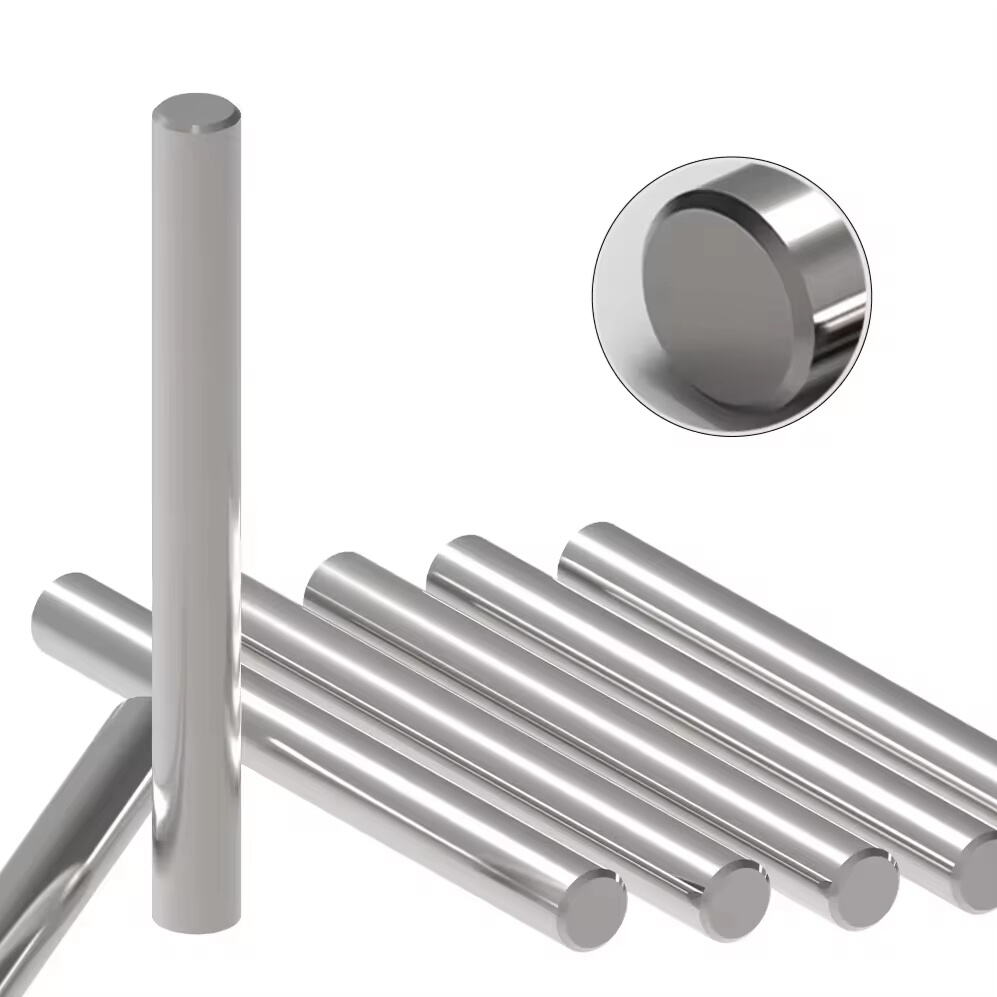
Modern manufacturing demands precision, efficiency, and cost-effectiveness in every machining operation. As industries push for higher productivity and tighter tolerances, the selection of cutting tools becomes increasingly critical. Carbide inserts have emerged as a revolutionary solution that addresses these challenges while delivering exceptional performance across diverse applications. These advanced cutting tools represent a significant leap forward from traditional high-speed steel tools, offering superior hardness, wear resistance, and thermal stability that directly translates to enhanced productivity and reduced operational costs.
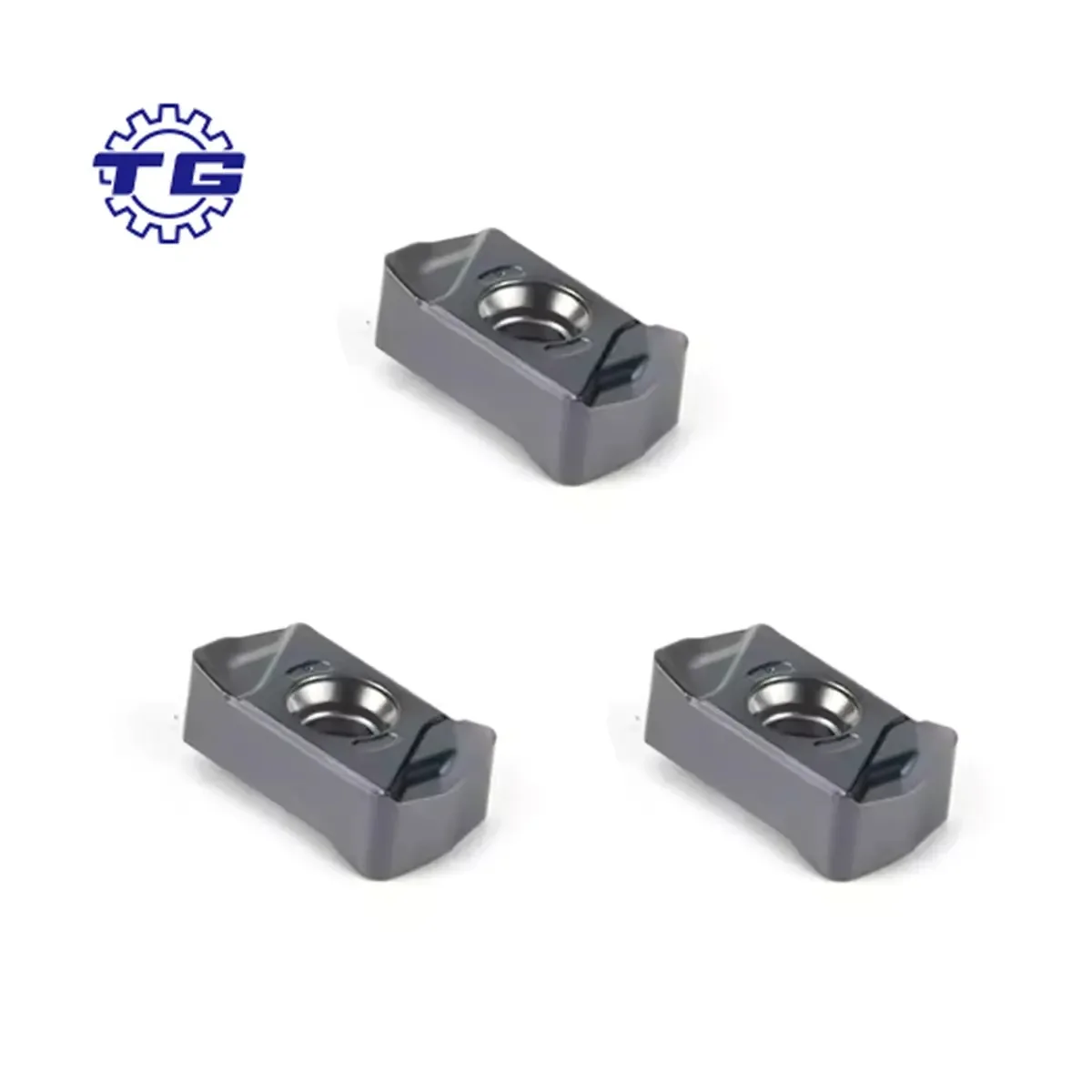
The machining industry has witnessed a paradigm shift with the widespread adoption of indexable cutting tools. Manufacturers are increasingly recognizing that tool life and operational efficiency are not just desirable outcomes but essential factors for maintaining competitive advantage in today's market. The relationship between cutting tool performance and overall manufacturing productivity has become more apparent as companies seek to optimize their operations while maintaining high-quality standards.
Understanding Carbide Insert Technology
Composition and Manufacturing Process
Carbide inserts are manufactured through a sophisticated powder metallurgy process that combines tungsten carbide particles with cobalt binder. This unique composition creates an exceptionally hard and durable cutting tool material that maintains its edge geometry under extreme machining conditions. The tungsten carbide provides the hardness necessary to cut through various materials, while the cobalt binder ensures toughness and prevents brittle fracture during operation.
The manufacturing process begins with carefully controlled mixing of tungsten carbide powder and cobalt in precise ratios. This mixture is then pressed into the desired insert shape and sintered at temperatures exceeding 1400 degrees Celsius. During sintering, the cobalt melts and forms a matrix that binds the tungsten carbide particles together, creating a homogeneous structure with exceptional mechanical properties.
Advanced coating technologies further enhance the performance characteristics of modern carbide inserts. Physical Vapor Deposition (PVD) and Chemical Vapor Deposition (CVD) processes apply thin layers of materials such as titanium nitride, titanium aluminum nitride, or diamond-like carbon to the insert surface. These coatings provide additional wear resistance, reduce friction, and improve heat dissipation during machining operations.
Geometric Design Considerations
The geometric design of carbide inserts plays a crucial role in their cutting performance and tool life. Engineers carefully optimize parameters such as rake angle, clearance angle, and edge preparation to achieve specific cutting characteristics. Positive rake angles reduce cutting forces and power consumption, while negative rake angles provide stronger cutting edges for heavy-duty applications.
Insert geometry also influences chip formation and evacuation, which directly affects surface finish and tool wear patterns. Modern insert designs incorporate chip breaker features that control chip flow and prevent chip welding to the cutting edge. These geometric optimizations ensure consistent performance across various cutting conditions and workpiece materials.
The indexability feature of carbide inserts provides significant economic advantages by allowing operators to rotate the insert to utilize fresh cutting edges as wear occurs. This design eliminates the need for tool regrinding and ensures consistent cutting performance throughout the insert's service life.
Tool Life Extension Benefits
Wear Resistance Characteristics
One of the most significant advantages of carbide inserts is their exceptional wear resistance compared to conventional cutting tools. The hardness of tungsten carbide, typically ranging from 88 to 95 HRA, provides superior abrasion resistance when cutting various materials. This hardness advantage translates directly to extended tool life, often achieving 5 to 10 times longer service life than high-speed steel tools in comparable applications.
The wear resistance of carbide inserts manifests in multiple forms, including reduced flank wear, crater wear, and edge chipping. Flank wear, which occurs on the tool's clearance face, is significantly minimized due to the carbide's ability to maintain sharp cutting edges under continuous operation. This characteristic is particularly important in high-volume production environments where tool changes represent significant downtime and cost.
Crater wear, which develops on the tool's rake face due to high temperatures and chemical reactions with workpiece material, is also substantially reduced in carbide inserts compared to traditional tools. Advanced coating technologies further enhance crater wear resistance by providing chemical barriers that prevent diffusion and adhesion between the tool and workpiece material.
Thermal Stability Advantages
Thermal stability represents another critical factor in tool life extension. Carbide inserts maintain their hardness and cutting edge integrity at elevated temperatures that would cause significant deterioration in high-speed steel tools. This thermal stability allows for higher cutting speeds and feeds, directly contributing to improved productivity without compromising tool life.
The thermal conductivity of tungsten carbide helps dissipate heat generated during cutting operations, preventing localized overheating that could lead to thermal damage or premature tool failure. This characteristic is particularly beneficial in continuous machining operations where heat buildup can significantly impact tool performance and workpiece quality.
Modern carbide grades are specifically formulated for different thermal environments, with some grades optimized for high-temperature applications and others designed for improved toughness in interrupted cuts. This material flexibility allows manufacturers to select the most appropriate carbide grade for their specific machining requirements, maximizing tool life and performance.
Efficiency Improvements in Manufacturing Operations
Increased Cutting Speeds and Feeds
The superior properties of carbide inserts enable significant increases in cutting speeds and feed rates compared to conventional tooling. These improvements directly translate to reduced cycle times and increased production throughput. In many applications, carbide inserts allow cutting speeds 2 to 5 times higher than high-speed steel tools while maintaining acceptable tool life and surface finish quality.
Higher cutting speeds not only improve productivity but also contribute to better surface finishes due to the shearing action of the cutting edge. The ability to operate at elevated speeds while maintaining dimensional accuracy makes carbide inserts particularly valuable in precision machining applications where both productivity and quality are critical requirements.
Feed rate optimization with carbide inserts allows for more aggressive material removal while maintaining tool integrity. The robust construction and superior wear resistance of these tools enable manufacturers to push machining parameters beyond traditional limits, achieving significant reductions in machining time without compromising part quality or tool reliability.
Reduced Downtime and Setup Requirements
The indexable nature of carbide inserts significantly reduces machine downtime associated with tool changes and maintenance. When a cutting edge becomes worn, operators can quickly rotate the insert to present a fresh cutting edge without removing the tool holder from the machine. This capability minimizes setup time and maintains consistent workpiece positioning, which is crucial for maintaining tight tolerances in precision machining operations.
The predictable wear patterns of carbide inserts allow for more accurate tool life monitoring and replacement scheduling. This predictability enables manufacturers to implement preventive maintenance strategies that minimize unexpected tool failures and associated production disruptions. Advanced tool monitoring systems can track insert performance and provide early warning indicators for optimal replacement timing.
Setup consistency is another significant advantage of carbide insert systems. The standardized geometries and precise manufacturing tolerances ensure repeatable performance from insert to insert, eliminating the variability often associated with resharpened tools. This consistency is particularly valuable in automated manufacturing environments where minimal human intervention is desired.
Economic Impact and Cost Analysis
Total Cost of Ownership Considerations
While carbide inserts typically have higher initial purchase costs compared to high-speed steel tools, their superior performance characteristics result in lower total cost of ownership in most applications. The extended tool life, reduced downtime, and improved productivity achieved with carbide inserts often justify the higher initial investment through reduced per-part tooling costs.
Labor costs associated with tool changes and setup operations are significantly reduced when using carbide inserts. The indexable design eliminates the need for tool removal, resharpening, and complex setup procedures, allowing operators to focus on productive machining rather than tool maintenance activities. This efficiency improvement is particularly valuable in high-labor-cost manufacturing environments.
Machine utilization rates improve substantially with carbide insert tooling due to extended tool life and reduced setup times. Higher machine utilization translates directly to increased production capacity and improved return on capital equipment investments. Manufacturers can achieve higher throughput with existing equipment or reduce the number of machines required for specific production volumes.
Quality and Consistency Benefits
The consistent performance characteristics of carbide inserts contribute to improved part quality and reduced scrap rates. The stable cutting edge geometry and predictable wear patterns ensure consistent dimensional accuracy throughout the tool's service life. This reliability is crucial in high-precision applications where dimensional variations can result in costly part rejection or rework.
Surface finish quality improvements achieved with carbide inserts often eliminate secondary finishing operations, further reducing manufacturing costs and cycle times. The superior cutting action and thermal stability of these tools produce smoother surface finishes that may meet final specifications without additional processing steps.
Process stability is enhanced through the use of carbide inserts, as their consistent performance characteristics reduce process variation and improve statistical process control. This stability enables manufacturers to operate closer to specification limits while maintaining acceptable quality levels, potentially reducing material usage and improving yield rates.
Application-Specific Performance Advantages
Stainless Steel Machining Applications
Stainless steel machining presents unique challenges due to the material's work-hardening characteristics and tendency to generate built-up edge formation on cutting tools. Carbide inserts excel in these applications due to their chemical stability and resistance to adhesion wear. Specialized carbide grades and coatings have been developed specifically for stainless steel machining, providing superior performance compared to conventional tooling options.
The thermal stability of carbide inserts is particularly beneficial when machining austenitic stainless steels, which generate significant heat due to their low thermal conductivity. The ability to maintain cutting edge integrity at elevated temperatures allows for more aggressive cutting parameters and improved productivity in stainless steel applications.
Chip control is critical in stainless steel machining, and modern carbide insert designs incorporate advanced chip breaker geometries specifically optimized for these materials. Proper chip formation and evacuation prevent work hardening and ensure consistent cutting performance throughout the machining cycle.
High-Temperature Alloy Processing
High-temperature alloys used in aerospace and energy applications present extreme machining challenges due to their exceptional strength and thermal properties. Carbide inserts with advanced coating systems provide the necessary wear resistance and thermal stability required for these demanding applications. Specialized carbide grades incorporate additional alloying elements to enhance performance in high-temperature environments.
The ability of carbide inserts to maintain hardness at elevated temperatures makes them ideal for machining superalloys that operate at temperatures where conventional tools would quickly fail. This capability enables manufacturers to process these critical materials with acceptable tool life and productivity levels.
Interrupted cutting conditions common in high-temperature alloy machining require tools with exceptional toughness and thermal shock resistance. Modern carbide insert designs balance hardness and toughness to provide optimal performance in these challenging applications while maintaining the extended tool life advantages that make carbide technology economically viable.
Future Developments and Innovations
Advanced Coating Technologies
Ongoing research and development in coating technologies continue to push the boundaries of carbide insert performance. Multilayer coating systems combine different materials to optimize specific performance characteristics, such as wear resistance, thermal stability, and chemical compatibility. These advanced coatings enable carbide inserts to tackle increasingly challenging applications while maintaining their fundamental advantages.
Nanostructured coatings represent the cutting edge of coating technology, providing enhanced properties through precise control of coating microstructure. These advanced coatings offer improved adhesion, increased hardness, and better thermal stability compared to conventional coating systems. The development of smart coatings that can adapt to changing cutting conditions represents an exciting frontier in cutting tool technology.
Environmental considerations are driving the development of more sustainable coating processes and materials. New coating technologies focus on reducing environmental impact while maintaining or improving performance characteristics. These developments align with industry trends toward more sustainable manufacturing practices.
Integration with Smart Manufacturing Systems
The integration of carbide inserts with smart manufacturing systems and Industry 4.0 technologies represents a significant opportunity for further efficiency improvements. Sensor-embedded inserts can provide real-time data on cutting conditions, tool wear, and performance parameters, enabling predictive maintenance strategies and process optimization.
Machine learning algorithms can analyze tool performance data to optimize cutting parameters and predict optimal replacement timing. This integration enables manufacturers to maximize tool life while maintaining quality standards and minimizing unexpected failures. The combination of advanced carbide insert technology with intelligent monitoring systems promises to deliver unprecedented levels of manufacturing efficiency.
Digital twin technology allows manufacturers to simulate and optimize machining processes before implementation, enabling better tool selection and parameter optimization. This capability reduces development time and improves process reliability when implementing carbide insert tooling in new applications.
FAQ
What factors determine the optimal carbide grade selection for specific applications?
Carbide grade selection depends on several critical factors including workpiece material properties, cutting conditions, machine capabilities, and specific application requirements. Harder grades with higher tungsten carbide content provide superior wear resistance for abrasive materials and high-speed applications, while tougher grades with higher cobalt content are preferred for interrupted cuts and challenging machining conditions. Coating selection also plays a crucial role, with different coating systems optimized for specific material groups and cutting environments.
How do carbide inserts compare to ceramic and CBN cutting tools in terms of performance and cost?
Carbide inserts offer an excellent balance of performance, versatility, and cost-effectiveness compared to ceramic and CBN tools. While ceramic tools excel in high-speed machining of cast iron and some steels, they lack the toughness required for interrupted cuts and general-purpose applications. CBN tools provide exceptional performance in hardened steel applications but have significantly higher costs that limit their use to specific high-value applications. Carbide inserts provide the broadest application range and best cost-performance ratio for most manufacturing operations.
What maintenance practices maximize carbide insert performance and tool life?
Maximizing carbide insert performance requires proper handling, storage, and application practices. Inserts should be stored in protective packaging to prevent edge damage and contamination. Proper insert seating and clamping torque are critical for optimal performance and preventing premature failure. Regular monitoring of cutting conditions, including speeds, feeds, and coolant application, ensures operation within recommended parameters. Systematic rotation of indexable edges and timely replacement before excessive wear occurs prevents damage to workpieces and tool holders.
How do cutting parameters need to be adjusted when transitioning from HSS to carbide insert tooling?
Transitioning from high-speed steel to carbide insert tooling typically allows for significant increases in cutting speeds and feed rates while maintaining or improving tool life. Cutting speeds can often be increased by 200-500% depending on the application and material being machined. Feed rates can also be increased substantially due to the superior strength and wear resistance of carbide materials. However, proper parameter optimization requires consideration of machine capabilities, workpiece clamping, and specific carbide grade characteristics to achieve optimal results while preventing premature tool failure or workpiece quality issues.
Table of Contents
- Understanding Carbide Insert Technology
- Tool Life Extension Benefits
- Efficiency Improvements in Manufacturing Operations
- Economic Impact and Cost Analysis
- Application-Specific Performance Advantages
- Future Developments and Innovations
-
FAQ
- What factors determine the optimal carbide grade selection for specific applications?
- How do carbide inserts compare to ceramic and CBN cutting tools in terms of performance and cost?
- What maintenance practices maximize carbide insert performance and tool life?
- How do cutting parameters need to be adjusted when transitioning from HSS to carbide insert tooling?