
 EN
EN
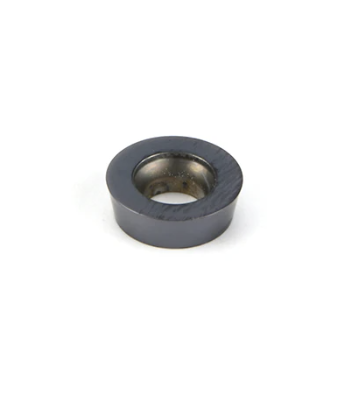
Modern machining demands cutting tools that withstand extreme thermal conditions without degradation. High-temperature oxidation resistance has become a critical performance metric for milling inserts used in demanding industrial applications. When milling inserts encounter temperatures exceeding 800°C during high-speed machining operations, the material composition and coating system determine whether the tool maintains edge sharpness or succumbs to thermal wear. Understanding these advantages helps manufacturers select the right milling inserts for their specific production requirements.
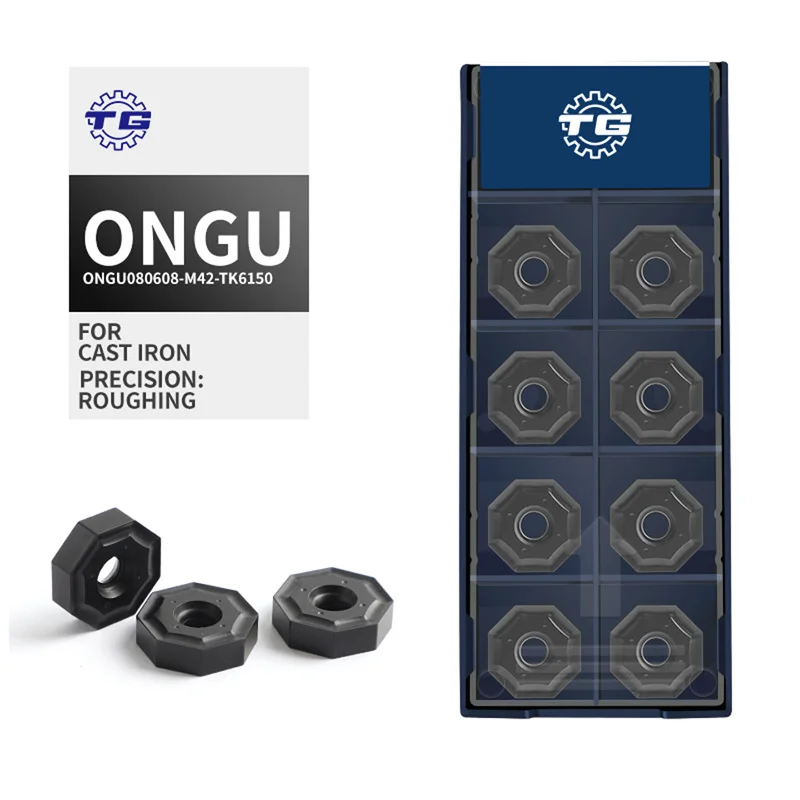
The engineering behind high-performance milling inserts has evolved significantly over the past two decades. Today's advanced milling inserts incorporate multilayer coating systems and specialized carbide grades that provide exceptional resistance to oxidation and thermal shock. This technological advancement directly translates to longer tool life, reduced downtime, and improved cost efficiency in high-volume manufacturing environments. Industrial applications ranging from aerospace machining to automotive production rely on milling inserts with proven oxidation resistance capabilities to maintain consistent part quality and production schedules.
Superior Material Composition and Thermal Stability
Advanced Carbide Substrates in Milling Inserts
The foundation of oxidation-resistant milling inserts begins with the carbide substrate itself. High-grade carbide formulations used in premium milling inserts contain carefully balanced tungsten carbide and cobalt compositions that resist oxidative degradation at elevated temperatures. When milling inserts operate in high-speed cutting conditions, the substrate must maintain mechanical strength while resisting chemical attack from atmospheric oxygen. The grain size and purity of the carbide material directly influence how milling inserts perform under thermal stress, with finer grain structures providing superior toughness and oxidation resistance.
Multilayer Coating Systems for Enhanced Protection
Modern milling inserts employ multilayer coating technologies that create a barrier against oxidation and thermal diffusion. These coating systems typically include titanium nitride, aluminum oxide, and chromium nitride layers, each contributing specific protective properties. When milling inserts are coated with these advanced systems, they achieve temperature resistance capabilities that single-layer coated milling inserts cannot match. The coating thickness and layer composition of milling inserts are precisely engineered to balance hardness, adhesion, and thermal protection, ensuring consistent performance across diverse cutting applications.
Advantages in Extreme Operating Conditions
Extended Tool Life at High Cutting Speeds
One of the most significant advantages of oxidation-resistant milling inserts is their ability to maintain sharp cutting edges during prolonged high-speed operations. Traditional milling inserts experience rapid edge degradation when exposed to sustained temperatures above 600°C, requiring frequent tool changes that disrupt production. In contrast, advanced milling inserts with superior oxidation resistance maintain their edge geometry and cutting performance over extended periods, reducing the frequency of tool replacement. This capability becomes particularly valuable in aerospace machining, automotive cylinder head production, and other applications where high cutting speeds are essential for productivity.
Reduced Thermal Shock and Tool Failure
Thermal shock represents a critical failure mode for cutting tools operating in interrupted cut conditions or variable speed environments. When milling inserts experience rapid temperature fluctuations between high-temperature cutting zones and coolant spray, the material undergoes stress that can cause chipping or fracture. Premium milling inserts engineered for oxidation resistance demonstrate superior thermal shock resistance because their coatings and substrate compositions accommodate rapid temperature changes without microcracking. This advantage translates to improved reliability in real-world machining scenarios where perfect cutting conditions are rarely maintained, allowing manufacturers to rely on milling inserts with greater confidence.
Industrial Application Benefits and Productivity Gains
Cost Efficiency Through Reduced Tool Consumption
The economic advantages of high-performance milling inserts extend far beyond the initial tool cost comparison. When milling inserts demonstrate superior oxidation resistance, the cost per part produced declines substantially because fewer tool changes occur during a production run. For manufacturers processing thousands of parts daily, the reduction in tool-related downtime directly impacts profitability. Premium milling inserts that maintain reliable performance under extreme conditions represent a strategic investment in operational efficiency, transforming tool expenses from a liability into a productivity multiplier across the entire manufacturing facility.
Consistent Part Quality and Process Reliability
Oxidation-resistant milling inserts deliver another critical advantage: process stability and predictable tool life. When manufacturing operations use milling inserts with proven high-temperature oxidation resistance, production managers can confidently predict tool life and schedule maintenance accordingly. This predictability eliminates the uncertainty associated with premature tool failures, allowing manufacturers to optimize their machining strategies and maintain tighter control over dimensional accuracy. Industries requiring aerospace-grade precision or automotive zero-defect manufacturing particularly benefit from milling inserts that consistently perform within expected parameters.
FAQ
What specific temperature ranges do high-performance milling inserts handle?
Advanced milling inserts with superior oxidation resistance typically maintain performance at cutting-edge temperatures between 800°C and 1000°C, depending on the specific coating system and carbide grade. Premium formulations can tolerate brief exposures to temperatures exceeding 1100°C without significant oxidation or edge degradation. The exact temperature capability of milling inserts varies based on material type, feed rate, cutting speed, and coolant application method, making it essential to reference manufacturer specifications for your particular milling inserts and application.
How do multilayer coatings on milling inserts prevent oxidation?
Multilayer coatings on milling inserts work through a combination of physical barriers and chemical protection mechanisms. The coating layers create a dense barrier that isolates the carbide substrate from atmospheric oxygen, preventing direct oxidation. Additionally, milling inserts with advanced coatings form protective oxide layers that are thermodynamically stable at operating temperatures, actually hindering further oxidative attack. This combination of barrier protection and thermodynamic stability enables milling inserts to resist oxidation far more effectively than uncoated or single-layer coated alternatives.
How do I select the right milling inserts for my high-temperature application?
Selecting appropriate milling inserts requires careful consideration of your specific operating conditions, including cutting speed, feed rate, material being machined, and coolant system. Evaluate milling inserts based on their maximum temperature ratings, coating composition, and proven performance records in similar applications. Consulting with tool manufacturers and requesting application-specific recommendations ensures you choose milling inserts optimized for your exact requirements. Testing milling inserts in controlled trial runs before committing to full production provides valuable data for making informed purchasing decisions.