
 EN
EN
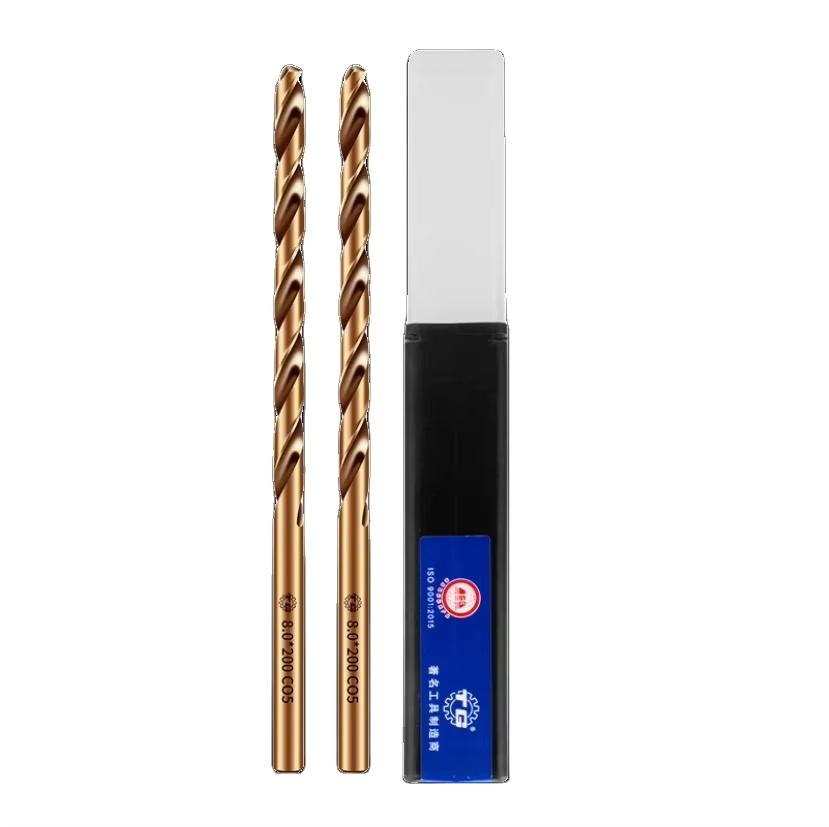
A high-performance twist drill bit is no longer just a basic hole-making tool. In today's demanding manufacturing environments, a twist drill bit must deliver consistent surface finish quality and tight dimensional accuracy to meet the requirements of precision components. When a solid carbide twist drill bit is engineered with advanced geometry, premium substrate materials, and refined coatings, it produces results that standard tools simply cannot match.
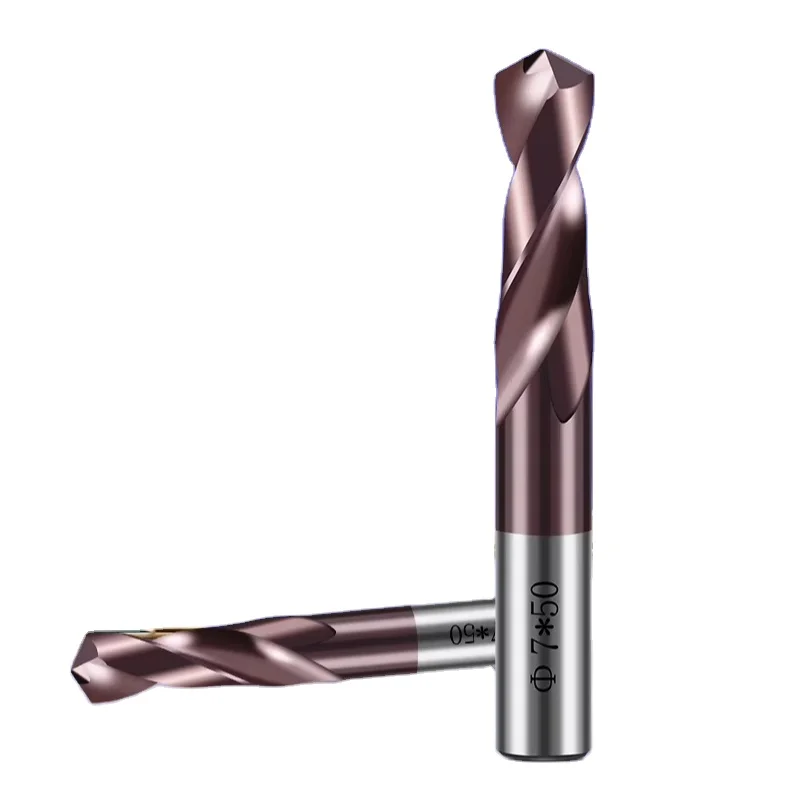
Understanding exactly what advantages a precision twist drill bit offers in terms of surface finish and dimensional accuracy helps engineers and procurement specialists make informed tooling decisions. Every twist drill bit selected for a production line directly affects hole quality, cycle times, and downstream assembly fit. This article examines the specific technical advantages that a well-engineered solid carbide twist drill bit brings to high-precision machining operations.
Surface Finish Advantages of a Solid Carbide Twist Drill Bit
Refined Cutting Edge Geometry and Its Role in Smooth Hole Walls
The surface finish achieved by a twist drill bit depends heavily on cutting edge geometry. A premium solid carbide twist drill bit is ground to a point angle of 65 degrees or higher, which reduces the radial cutting force per unit of edge length. This controlled geometry allows the twist drill bit to enter the workpiece smoothly, minimizing lateral deflection and producing hole walls with a refined surface texture. When the cutting edges of a twist drill bit are precision-ground to tight tolerances, the resulting hole surface requires significantly less secondary finishing.
The spiral flute design of a solid carbide twist drill bit also plays a critical role in surface quality. A well-proportioned helix angle on the twist drill bit promotes efficient chip evacuation, preventing re-cutting of chips that would otherwise scratch and damage the hole wall. When chips exit cleanly through the flute channels, the twist drill bit leaves behind a consistently smooth bore surface. This matters greatly in applications where the drilled hole serves as a precision fit surface for shafts, pins, or fasteners.
Substrate Hardness and Its Contribution to Surface Quality
Solid carbide as a substrate gives a twist drill bit exceptional hardness compared to high-speed steel alternatives. A carbide twist drill bit maintains its cutting edge sharpness over a far greater number of cycles. As the twist drill bit stays sharper for longer, it continues to shear material cleanly rather than tearing or displacing it. The result is a consistently superior surface finish across the entire production run, with minimal variation from the first hole drilled to the last. Any machinist evaluating twist drill bit performance for finish-critical applications will find that carbide substrate rigidity directly translates to more predictable surface outcomes.
Dimensional Accuracy Advantages of a Precision Twist Drill Bit
Tight Manufacturing Tolerances and Hole Diameter Consistency
Dimensional accuracy begins with the twist drill bit itself being manufactured to extremely tight tolerances. A high-precision twist drill bit produced with controlled outer diameter grinding ensures that the drill enters the workpiece at the correct nominal diameter and exits with a hole that matches the intended specification. When a twist drill bit is ground with diameter tolerances in the micrometer range, engineers can rely on repeatable hole sizing across large production batches. This level of consistency is essential for components where mating parts must achieve specified clearance or interference fits.
A solid carbide twist drill bit offers a significant stiffness advantage over less rigid materials. Because carbide resists deflection under cutting loads, the twist drill bit maintains its centerline trajectory throughout the full depth of cut. This minimizes the risk of hole wandering or taper formation, two common accuracy problems associated with less rigid twist drill bit types. For deep-hole applications, the stiffness of a solid carbide twist drill bit is especially valuable in keeping hole position and diameter within tolerance.
Runout Control and Its Effect on Bore Positional Accuracy
Runout in a twist drill bit setup directly degrades hole position and diameter accuracy. A precision-ground straight shank on a solid carbide twist drill bit reduces the contribution of the tool itself to total runout in the spindle assembly. When the shank of the twist drill bit is manufactured to close roundness and straightness tolerances, it seats more accurately in the tool holder, minimizing dynamic imbalance during rotation. Reduced runout from the twist drill bit means the cutting edges track a more consistent circular path, producing holes that are rounder and closer to their true position. For precision assemblies, this improvement in positional accuracy from a well-made twist drill bit can eliminate the need for reaming or boring as secondary operations.
Material Compatibility and Long-Term Performance of a Carbide Twist Drill Bit
Suitability Across Demanding Workpiece Materials
A tungsten steel alloy solid carbide twist drill bit is engineered to maintain its surface finish and dimensional accuracy advantages across a wide range of workpiece materials. Whether drilling hardened steels, stainless alloys, cast iron, or non-ferrous materials, this type of twist drill bit retains its edge integrity far longer than conventional alternatives. The consistent cutting performance of a carbide twist drill bit means that surface finish and hole diameter remain within specification even as cutting conditions vary. Engineers specifying a twist drill bit for multi-material production lines benefit from this broad compatibility.
Coating Technology and Extended Dimensional Reliability
Many high-precision solid carbide twist drill bit products incorporate advanced surface coatings that further protect cutting edge geometry. These coatings reduce friction at the twist drill bit and workpiece interface, lowering cutting temperatures that would otherwise cause edge micro-chipping. A coated twist drill bit maintains its original ground geometry longer, which directly sustains the dimensional accuracy and surface finish advantages throughout an extended tool life. For high-volume production, investing in a coated solid carbide twist drill bit reduces tooling change frequency and keeps quality metrics stable across longer runs.
FAQ
Why does a solid carbide twist drill bit produce better surface finish than HSS?
A solid carbide twist drill bit is harder and more rigid than high-speed steel, allowing it to maintain sharper cutting edges for longer. This sustained sharpness means the twist drill bit shears material cleanly on each pass, leaving smoother hole walls with less surface damage compared to a softer HSS twist drill bit that dulls more quickly.
How does a precision twist drill bit improve dimensional accuracy in production?
A precision twist drill bit manufactured to tight diameter and runout tolerances ensures that each hole drilled matches the nominal size specification. The stiffness of a solid carbide twist drill bit also prevents centerline deflection during cutting, so hole position and diameter remain consistent across large batch quantities without requiring additional finishing operations.
Is a coated solid carbide twist drill bit worth the investment for high-volume work?
Yes, a coated solid carbide twist drill bit offers measurable advantages in high-volume production. The coating extends the working life of the twist drill bit by reducing thermal wear on the cutting edge, which means fewer tool changes, more consistent hole quality, and lower per-part tooling costs over a long production run.