
 EN
EN
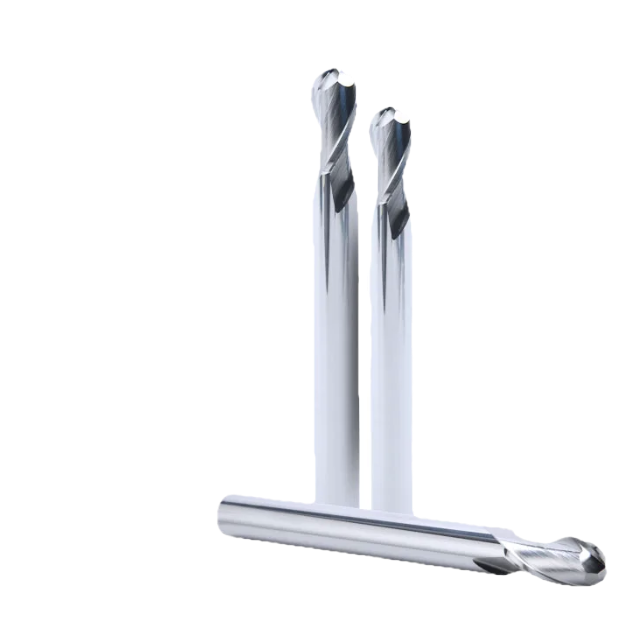
Chip pocket cleanliness around milling inserts is one of the most overlooked yet critical factors in precision machining operations. When chip accumulation builds up inside the pocket surrounding your milling inserts, it directly compromises cutting efficiency, tool life, and surface finish quality. Understanding how to monitor and maintain chip pocket cleanliness ensures that your cutting tools perform at peak capacity while minimizing costly downtime and premature tool failure.
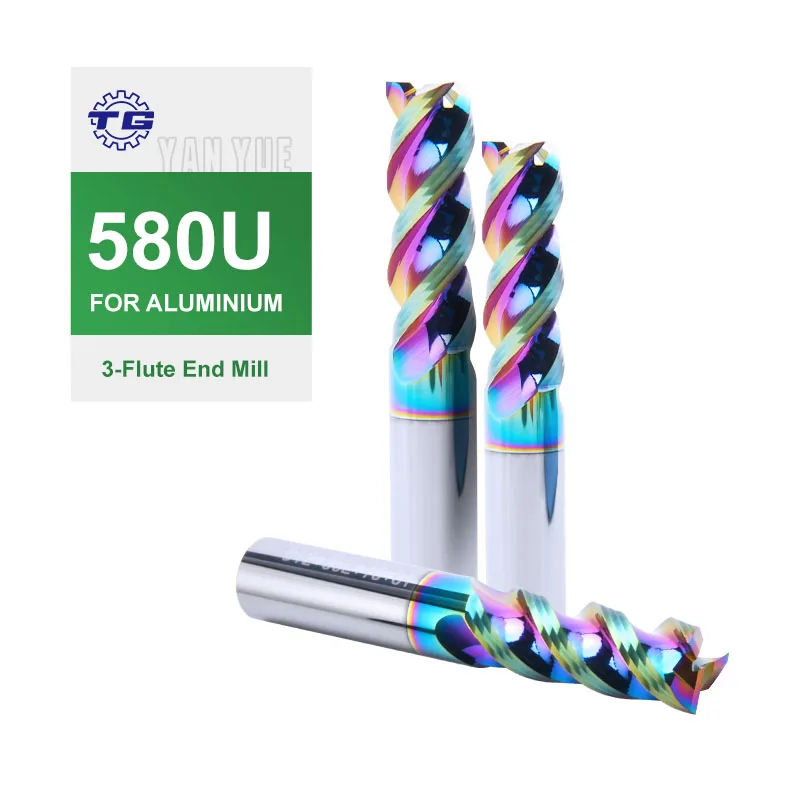
Maintaining chip pocket cleanliness requires a systematic approach combining regular inspection, proper coolant selection, and preventive maintenance protocols. Operators who prioritize chip pocket cleanliness see measurable improvements in tool performance, reduced tool change frequency, and better dimensional consistency throughout production runs. This guide walks you through the essential practices for monitoring and maintaining chip pocket cleanliness in your milling operations.
Understanding Chip Pocket Cleanliness and Its Impact
Why Chip Pocket Cleanliness Matters in Milling Operations
Chip pocket cleanliness directly affects how your milling inserts interact with the workpiece and cutting fluid. When chips accumulate inside the pocket space surrounding your milling inserts, they create barriers that prevent coolant from reaching critical cutting edges. This thermal insulation effect causes localized heat buildup, accelerating wear patterns and reducing the effective life of your milling inserts. Poor chip pocket cleanliness also forces your cutting tool to work harder, increasing vibration and potentially causing chatter marks on finished surfaces.
The Relationship Between Chip Pocket Cleanliness and Tool Performance
The relationship between chip pocket cleanliness and cutting performance is nearly direct. When your milling inserts operate in pockets free of accumulated chips, coolant flows efficiently to the rake face and flank surfaces, maintaining optimal temperatures and lubrication. Tools with excellent chip pocket cleanliness demonstrate faster feed rates, better hole accuracy, and longer intervals between tool changes. Conversely, operators who neglect chip pocket cleanliness often experience premature flank wear, built-up edge formation, and increased tool breakage incidents.
Inspection Techniques for Monitoring Chip Pocket Cleanliness
Visual Inspection Methods
Visual inspection remains the first line of defense in monitoring chip pocket cleanliness around your milling inserts. During tool changes or maintenance windows, carefully examine the pocket geometry surrounding each milling insert using bright lighting and magnification if necessary. Look for discolored residue, hardened chip fragments, or coolant varnish buildup that indicates inadequate chip pocket cleanliness. Pay particular attention to pocket corners and undercut areas where chips tend to collect and become compressed. Regular photographic documentation helps you establish baseline conditions and track chip pocket cleanliness trends over time.
Touch and Feel Assessment
Experienced machinists use tactile feedback to assess chip pocket cleanliness before visual inspection even begins. Run your finger carefully along the pocket surfaces to detect rough texture, embedded chips, or sticky buildup that signals poor chip pocket cleanliness maintenance. A clean pocket should feel smooth and free of debris. This quick tactile check takes seconds but provides immediate feedback about whether your current process is maintaining adequate chip pocket cleanliness. If you feel significant buildup, your cooling strategy or chip evacuation needs adjustment.
Maintenance Strategies for Optimal Chip Pocket Cleanliness
Coolant Selection and Application
Choosing the right cutting fluid is fundamental to maintaining chip pocket cleanliness in your milling operations. Coolants formulated with strong chip-wetting properties help prevent chips from sticking inside the pocket and reduce chip pocket cleanliness issues significantly. High-pressure coolant delivery systems work best for pocket cleaning, as they force accumulated chips and coolant residue out of the pocket during operation. Verify that your coolant concentration meets manufacturer specifications, as diluted coolant loses its ability to maintain chip pocket cleanliness. Regular coolant analysis helps identify contamination or degradation that compromises chip pocket cleanliness maintenance effectiveness.
Chip Evacuation and Pocket Design Considerations
Modern milling inserts feature pocket geometries specifically designed to optimize chip evacuation and maintain chip pocket cleanliness. When selecting tools for your application, consider geometry features that enhance natural chip flow away from the cutting zone. Some pocket designs include relief areas that reduce chip stagnation points where buildup typically occurs. During operation, monitor actual chip behavior to confirm that your chosen tool geometry delivers the chip pocket cleanliness performance you expect. If chips are clustering rather than flowing smoothly, you may need to adjust feed rates, speeds, or coolant application to improve chip pocket cleanliness.
Cleaning Protocols and Tool Maintenance Schedules
Establishing regular cleaning protocols is essential for maintaining consistent chip pocket cleanliness across all milling operations. Between tool changes, use soft brushes or compressed air to gently remove loose chips from pockets without damaging insert surfaces. For stubborn buildup affecting chip pocket cleanliness, soak tool holders in alkaline cleaning solutions designed for machining debris. Schedule these maintenance intervals based on production volume and your experience with how quickly chip pocket cleanliness degrades under your specific conditions. Implementing a preventive approach to chip pocket cleanliness saves considerably more time than troubleshooting performance problems caused by neglected pockets.
Troubleshooting Common Chip Pocket Cleanliness Issues
Identifying Root Causes of Chip Accumulation
When chip pocket cleanliness deteriorates rapidly, root cause analysis prevents recurring problems. Excessive chip accumulation usually stems from either inadequate coolant flow, inappropriate feed rates, or speed settings that generate chips faster than your pocket geometry can evacuate them. Video observation of the actual cutting process often reveals whether chips are ejecting normally or clustering inside the pocket area. Temperature monitoring around the milling inserts provides diagnostic clues too—localized overheating suggests poor chip pocket cleanliness is causing thermal insulation. Once you identify what drives chip pocket cleanliness degradation in your setup, you can implement targeted corrections.
Corrective Actions and Optimization
When chip pocket cleanliness problems emerge, start with the most controllable variables. Increase coolant flow rate and pressure to improve chip evacuation directly. Reduce feed rates incrementally until chips evacuate cleanly, then gradually increase speeds to find the optimal balance that maintains chip pocket cleanliness. If your current tool geometry consistently struggles with chip pocket cleanliness, test alternative insert designs with enhanced pocket shapes or different flute configurations. Document which adjustments restore chip pocket cleanliness most reliably so your team can respond quickly when similar conditions arise.
FAQ
How often should I inspect chip pocket cleanliness in my milling operations?
Inspect chip pocket cleanliness at minimum during each tool change, and more frequently in high-volume production settings. Many operations benefit from daily visual checks of representative tools, with detailed hands-on inspection of chip pocket cleanliness during scheduled maintenance windows. If you notice performance degradation or detect tool wear acceleration, increase inspection frequency immediately to prevent catastrophic failures.
Can poor chip pocket cleanliness cause tool breakage?
Yes, inadequate chip pocket cleanliness significantly increases breakage risk. Accumulated chips in the pocket create pressure points that concentrate stress on the milling insert, and thermal cycling caused by trapped heat leads to premature cracking. Tools operating under poor chip pocket cleanliness conditions experience unpredictable failure patterns rather than gradual wear, making process control much more difficult.
What coolant properties best support chip pocket cleanliness maintenance?
Coolants that maintain chip pocket cleanliness work best when they have strong detergent properties, excellent chip-carrying capacity, and high lubricity under pressure. Synthetic and semi-synthetic fluids often outperform straight oils for chip pocket cleanliness because they resist chip sticking better and maintain better film strength throughout extended tool life cycles.