
 EN
EN
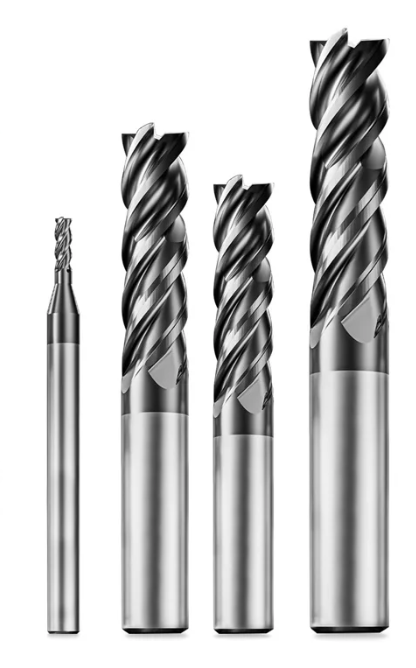
Selecting the right flute count CNC end mill is one of the most critical decisions you'll make in your machining operations. Whether you're working with aluminum, steel, or composite materials, the flute count directly impacts cutting speed, surface finish, tool life, and overall production efficiency. Many manufacturers struggle with this choice because they lack a clear understanding of how flute geometry affects performance across different materials and applications. This guide will help you navigate the complexity and make informed decisions that enhance both your cutting results and your bottom line.
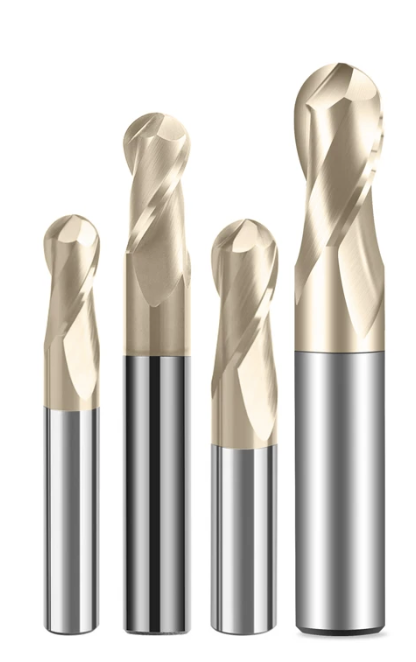
Understanding the relationship between flute count CNC end mill configurations and machining outcomes requires knowledge of chip evacuation, heat management, and feed rates. Each flute count option—whether two, three, four flutes or more—offers distinct advantages and limitations depending on your specific production requirements. By learning how to evaluate these factors systematically, you can eliminate guesswork from your tool selection process and achieve superior results across your entire manufacturing operation.
Understanding Flute Count Impact on Machining Performance
How Flute Geometry Affects Cutting Dynamics
The flute count CNC end mill you choose fundamentally shapes how your tool interacts with the workpiece. Each flute represents an individual cutting edge, and the spacing between these edges determines chip load and cutting efficiency. With fewer flutes, each edge removes more material per revolution, which increases chip thickness and requires more powerful machines. With more flutes, each edge removes less material, enabling faster feed rates and smoother surface finishes. Understanding this balance is essential for optimizing your flute count CNC end mill selection.
When you increase the flute count CNC end mill configuration, you create more cutting points per revolution. This means material removal becomes more distributed, reducing the stress on any single flute. The result is improved surface quality and reduced vibration, particularly valuable when working with rigid setups and high-precision applications. Conversely, a lower flute count CNC end mill allows deeper chip evacuation pathways, which becomes critical when machining ductile materials that produce long, stringy chips.
Material Type and Flute Selection Strategy
Your material selection heavily influences which flute count CNC end mill performs best. For aluminum and soft materials, a four-flute or higher flute count CNC end mill is typically ideal because aluminum generates smooth chips and benefits from multiple cutting edges working simultaneously. The extra flutes enable faster feed rates without sacrificing surface finish, which directly improves throughput and cost efficiency in high-volume production environments.
Steel and cast iron demand different consideration when selecting a flute count CNC end mill. These harder materials produce tougher, shorter chips that require more aggressive chip evacuation. A two or three-flute count CNC end mill often outperforms higher-flute options because it provides wider flute spacing and deeper gullet volume for efficient chip removal. Many precision shops prefer a three-flute count CNC end mill as their versatile middle ground, offering good balance between chip evacuation and cutting edge count across steel, stainless, and iron applications.
Selecting the Right Flute Count CNC End Mill for Your Operation
Speed, Feed, and Production Efficiency Considerations
The flute count CNC end mill directly determines optimal spindle speeds and feed rates for your machine. A four or six-flute count CNC end mill allows higher feed rates because the load is distributed among more cutting edges, enabling you to maintain productivity without overloading individual flutes. This is particularly valuable when your CNC machines feature high spindle speed capabilities and rigid tool holders. Conversely, if your equipment has moderate power or older spindle technology, a two or three-flute count CNC end mill may deliver better actual performance by reducing cutting forces and heat generation.
Production volume also impacts your flute count CNC end mill decision. For high-volume runs where tool life directly affects unit cost, investing in the optimal flute count CNC end mill geometry can reduce tool changes and downtime. A premium carbide end mill with the correct flute count CNC configuration will outperform a cheaper tool with mismatched specifications, especially across thousands of parts. Medium and short-run production environments often benefit from selecting a versatile three-flute count CNC end mill that delivers acceptable performance across wider ranges of materials and speeds.
Surface Finish and Precision Machining Demands
When surface finish and dimensional tolerance are critical, the flute count CNC end mill becomes your primary quality lever. More flutes mean more cutting edges per revolution, which directly translates to finer surface texture and reduced chatter marks. A four-flute count CNC end mill with corner radius geometry, for example, delivers superior finish compared to a two-flute count CNC end mill cutting at similar speeds. This advantage becomes increasingly valuable in medical device manufacturing, aerospace applications, and automotive component production where surface quality directly impacts product performance and customer satisfaction.
Precision work often requires a specialized flute count CNC end mill with solid nose design and tighter tolerances. The three-flute or four-flute count CNC end mill configurations are particularly effective for this application because they balance cutting edge count against chip evacuation efficiency. Carbide construction combined with optimized flute count CNC geometry ensures consistent dimensional accuracy across extended production runs without degradation of surface finish.
Optimizing Tool Life and Economic Performance Through Flute Count Selection
Heat Management and Tool Durability
Every flute count CNC end mill configuration generates heat differently based on its cutting dynamics and chip evacuation efficiency. When you select the wrong flute count CNC end mill for your specific material and speed conditions, excessive heat buildup accelerates tool wear and shortens tool life dramatically. A two-flute count CNC end mill running at high speeds can overheat due to aggressive chip loads, while an oversized six-flute count CNC end mill in low-speed, high-load operations creates rubbing rather than cutting, generating friction heat that destroys the cutting edge.
Carbide flute count CNC end mill tools handle heat better than high-speed steel, but tool selection still critically affects longevity. The optimal flute count CNC end mill for your application balances heat generation against heat dissipation through chip evacuation. Many manufacturers discover that upgrading to a three-flute count CNC end mill with premium carbide coating extends tool life by 50 percent or more compared to standard four-flute tools in their specific applications. This translates directly to lower per-part machining costs and improved profitability across high-volume production schedules.
Cost-Benefit Analysis and Return on Investment
Choosing the best flute count CNC end mill requires balancing initial tool cost against performance gains and extended tool life. A premium flute count CNC end mill with optimized geometry costs more upfront but delivers superior results that justify the investment through reduced tool changes, improved surface quality, and faster machining speeds. Calculate your true cost per part, including tool expense, machine time, and rework due to quality issues. This analysis often reveals that the seemingly expensive specialized flute count CNC end mill actually delivers the lowest total cost of ownership.
Your specific production environment determines the optimal flute count CNC end mill investment strategy. High-volume shops benefit most from precision-matched flute count CNC end mill specifications because the tool cost becomes negligible against time savings across thousands of parts. Smaller operations may prefer versatile three-flute count CNC end mill options that perform acceptably across varied materials and applications, reducing inventory complexity. Either way, selecting the correct flute count CNC end mill based on engineering analysis rather than convenience or habit typically yields measurable returns within the first production cycle.
FAQ
How do I determine if I need a two, three, or four-flute count CNC end mill?
The best flute count CNC end mill for your application depends on material type, machine capability, and surface finish requirements. Aluminum and soft materials typically perform better with a four-flute count CNC end mill. Steel and cast iron often benefit from a two or three-flute count CNC end mill for better chip evacuation. A three-flute count CNC end mill serves as an excellent versatile middle ground for shops running diverse materials. Test different configurations on your machine and measure actual results in terms of tool life, surface finish, and cutting time to find your optimal flute count CNC end mill.
Can I use a higher flute count CNC end mill to improve surface finish?
Yes, a higher flute count CNC end mill generally produces finer surface finishes because more cutting edges per revolution create a smoother cutting action. However, your machine must have sufficient power and rigidity to support the higher cutting loads associated with more flutes working simultaneously. If your machine lacks adequate spindle power or tool holder rigidity, a high flute count CNC end mill may perform worse due to chatter. Always match your flute count CNC end mill selection to your machine's actual capabilities rather than theoretical specifications.
Does tool material affect flute count CNC end mill performance?
Tool material significantly influences how well a specific flute count CNC end mill performs. Carbide flute count CNC end mill tools withstand higher speeds and temperatures than high-speed steel, enabling faster machining with any given flute count. Premium carbide with advanced coatings extends the performance advantage even further. A three-flute count CNC end mill made from premium carbide with ceramic coating often outperforms a four-flute high-speed steel tool in the same application. Always consider both material and flute count CNC end mill geometry together rather than treating them as independent variables.