
 EN
EN
Thread tapping operations are critical processes in manufacturing that require precision, safety awareness, and proper equipment selection to achieve optimal results. Whether working with aluminum, steel, or other materials, understanding the fundamentals of safe and efficient tapping practices can significantly impact production quality and operator wellbeing. Modern manufacturing environments demand consistent threading solutions that minimize downtime while maintaining strict quality standards.
The selection of appropriate cutting tools directly influences both safety outcomes and operational efficiency in threading applications. Professional machinists recognize that proper tool selection, combined with correct operating parameters, creates the foundation for successful tapping operations. These considerations become particularly important when working with challenging materials or tight tolerance requirements that demand consistent performance.
Essential Safety Protocols for Threading Operations
Personal Protective Equipment Requirements
Implementing comprehensive safety measures begins with ensuring all operators wear appropriate personal protective equipment during threading operations. Safety glasses with side shields provide essential eye protection against metal chips and cutting fluid splatter. Cut-resistant gloves offer hand protection while maintaining the dexterity needed for precise tool handling and workpiece positioning.
Proper footwear with slip-resistant soles prevents accidents in machining environments where cutting fluids may create slippery surfaces. Long sleeves and fitted clothing reduce the risk of entanglement with rotating machinery components. Additionally, hearing protection becomes necessary in high-volume production environments where multiple threading operations occur simultaneously.
Machine Safety Considerations
Machine setup procedures must prioritize operator safety while ensuring optimal threading performance. Emergency stop controls should remain easily accessible and regularly tested to verify proper function. Guards and safety interlocks prevent accidental contact with moving components during automatic threading cycles.
Regular maintenance schedules help identify potential safety hazards before they compromise operator wellbeing. Spindle runout checks, chuck inspection procedures, and coolant system maintenance contribute to both safety and threading quality. Proper lighting levels enable operators to clearly observe threading progress and identify potential issues before they escalate.
Tool Selection and Material Compatibility
High-Speed Steel Advantages
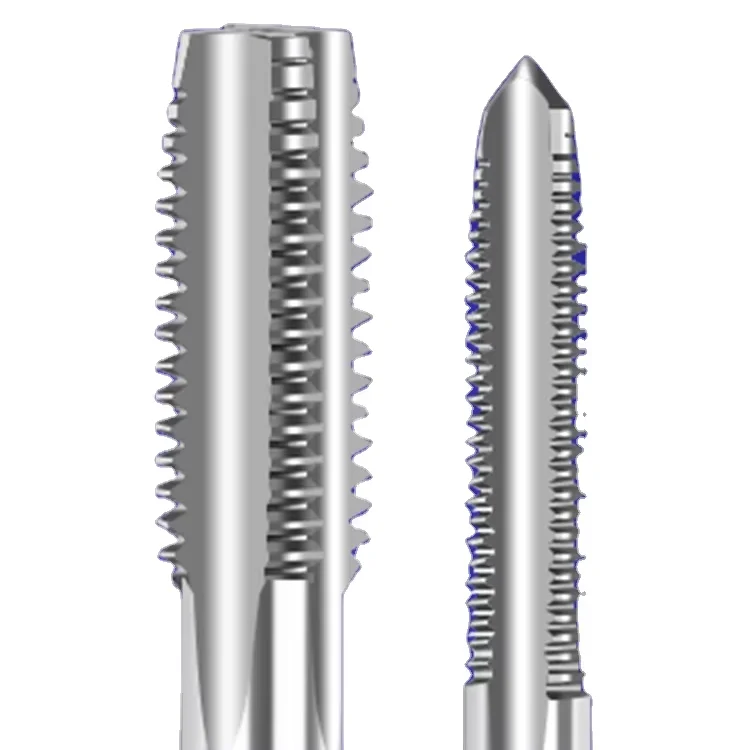
High-speed steel construction provides excellent durability and heat resistance for demanding threading applications. These materials maintain cutting edge integrity even under challenging conditions, delivering consistent thread quality throughout extended production runs. The toughness characteristics of high-speed steel enable successful threading in both ferrous and non-ferrous materials.
Fully ground profiles ensure precise thread geometry and superior surface finishes compared to rolled alternatives. This manufacturing approach creates sharper cutting edges that reduce cutting forces and minimize the risk of workpiece distortion. The resulting threads exhibit better dimensional accuracy and improved fatigue resistance in service applications.
Coating Technologies and Performance Enhancement
Advanced coating technologies extend tool life while improving threading efficiency across various material applications. Titanium nitride coatings reduce friction and provide enhanced wear resistance, particularly beneficial when threading abrasive materials. These surface treatments enable higher cutting speeds while maintaining thread quality standards.
Specialized coatings designed for specific material groups optimize threading performance in challenging applications. Aluminum-specific coatings prevent material buildup on cutting edges, while coatings formulated for stainless steel applications resist work hardening effects. Proper coating selection based on workpiece material characteristics maximizes both tool performance and threading efficiency.
Operational Parameters and Setup Procedures
Speed and Feed Rate Optimization
Establishing appropriate cutting parameters requires consideration of material properties, thread specifications, and machine capabilities. Starting with conservative speed settings allows operators to evaluate threading performance before optimizing parameters for maximum efficiency. Gradual parameter increases help identify optimal operating windows while avoiding tool damage or poor thread quality.
Feed rate selection must balance productivity goals with thread quality requirements and tool longevity considerations. Excessive feed rates can cause thread form distortion and premature tool wear, while insufficient rates may result in work hardening and increased cutting forces. Monitoring torque levels during threading operations provides valuable feedback for parameter optimization.
Workpiece Preparation and Fixturing
Proper workpiece preparation significantly impacts threading success and operator safety outcomes. Chamfering or countersinking pilot holes removes sharp edges that could damage tap starts and ensures smooth thread engagement. Deburring operations eliminate material fragments that might interfere with threading accuracy or create safety hazards.
Secure workpiece fixturing prevents movement during threading operations, protecting both thread quality and operator safety. Adequate clamping force distribution avoids workpiece distortion while maintaining stability throughout the threading cycle. Proper fixture design accommodates machine taps of various sizes while providing consistent workpiece positioning for repetitive operations.
Cutting Fluid Application and Management
Fluid Selection Criteria
Appropriate cutting fluid selection enhances threading performance while extending tool life and improving surface finish quality. Water-based coolants provide excellent heat dissipation properties for high-speed threading operations, while oil-based fluids offer superior lubrication for challenging materials. Synthetic cutting fluids combine cooling and lubrication benefits while maintaining biological stability in industrial environments.
Material compatibility considerations influence cutting fluid selection, particularly when threading reactive metals or specialized alloys. Some materials require specific fluid formulations to prevent chemical reactions that could compromise thread integrity or tool performance. Environmental and health considerations also factor into fluid selection decisions for modern manufacturing facilities.
Application Methods and Delivery Systems
Flood cooling systems provide comprehensive coverage for high-volume threading operations, ensuring consistent temperature control and chip evacuation. Mist cooling applications work effectively for lighter-duty operations while reducing fluid consumption and cleanup requirements. High-pressure cooling systems excel at chip removal in deep-hole threading applications where conventional flood cooling proves insufficient.
Proper delivery system maintenance ensures consistent fluid flow and prevents contamination issues that could affect threading performance. Regular filter replacement, concentration monitoring, and biological control measures maintain fluid effectiveness throughout extended production campaigns. Automated delivery systems reduce operator exposure to cutting fluids while ensuring consistent application rates.
Quality Control and Inspection Procedures
Thread Measurement Techniques
Comprehensive thread inspection procedures verify dimensional accuracy and ensure compliance with specification requirements. Thread pitch gauges provide quick verification of basic thread geometry, while more sophisticated measurement equipment enables detailed analysis of thread form accuracy. Go/no-go gauges offer efficient quality control solutions for high-volume production environments.
Digital measurement systems provide detailed thread analysis capabilities, including pitch diameter verification, lead accuracy assessment, and surface finish evaluation. These advanced inspection methods enable statistical process control implementation and continuous improvement initiatives. Documentation of measurement results supports quality system requirements and customer certification needs.
Preventive Maintenance Strategies
Regular tool condition monitoring prevents unexpected failures that could compromise safety or production schedules. Visual inspection protocols identify wear patterns and damage indicators before they affect thread quality. Systematic tool replacement schedules based on usage cycles or performance metrics ensure consistent threading results.
Machine condition monitoring complements tool maintenance efforts by identifying potential issues with spindle accuracy, chuck condition, or coolant system performance. Vibration analysis and thermal monitoring help detect developing problems before they impact threading operations. Preventive maintenance programs reduce unplanned downtime while maintaining safe operating conditions.
Troubleshooting Common Threading Issues
Thread Quality Problems
Poor thread quality often results from incorrect cutting parameters, worn tooling, or inadequate workpiece preparation. Rough surface finishes typically indicate excessive cutting speeds or insufficient lubrication, while dimensional inaccuracies may suggest machine alignment issues or improper tool selection. Systematic troubleshooting approaches help identify root causes and implement effective corrective actions.
Thread form distortion can result from excessive cutting forces, inadequate workpiece support, or improper tool geometry. Careful analysis of failed threads often reveals specific patterns that point toward particular causes. Understanding these relationships enables operators to make informed adjustments that restore threading quality and prevent recurring problems.
Tool Wear and Failure Analysis
Premature tool wear patterns provide valuable information about operating conditions and parameter optimization opportunities. Excessive flank wear typically indicates high cutting speeds or abrasive workpiece materials, while crater wear suggests elevated temperatures or chemical reactions. Edge chipping often results from interrupted cuts or excessive feed rates.
Tool failure analysis helps optimize replacement schedules and identify opportunities for parameter improvements. Understanding failure modes enables better tool selection decisions and more effective cutting parameter development. This knowledge contributes to both improved efficiency and enhanced safety outcomes in threading operations.
FAQ
What safety precautions are most important when performing thread tapping operations
Essential safety measures include wearing appropriate personal protective equipment such as safety glasses and cut-resistant gloves, ensuring proper machine guarding, maintaining clear emergency stop access, and following established lockout/tagout procedures. Additionally, operators should receive proper training on equipment operation and emergency procedures to minimize accident risk during threading operations.
How do I select the correct cutting parameters for different materials
Material selection influences cutting speed, feed rate, and tool geometry choices significantly. Start with manufacturer recommendations and adjust based on specific application requirements and machine capabilities. Harder materials typically require slower speeds and more aggressive cutting fluids, while softer materials may allow higher speeds with appropriate chip evacuation considerations.
What are the signs that indicate when threading tools need replacement
Key indicators include increased cutting forces, poor surface finish quality, dimensional inaccuracies, excessive vibration, or visible wear on cutting edges. Regular inspection schedules help identify these conditions before they compromise thread quality or create safety hazards. Establishing replacement criteria based on performance metrics rather than arbitrary schedules optimizes both cost and quality outcomes.
How can I improve threading efficiency without compromising safety
Efficiency improvements come from optimizing cutting parameters within safe operating limits, implementing proper preventive maintenance schedules, selecting appropriate tooling for specific applications, and ensuring adequate operator training. Automated systems can increase productivity while reducing operator exposure to hazards, provided they include appropriate safety interlocks and monitoring systems.