
 EN
EN
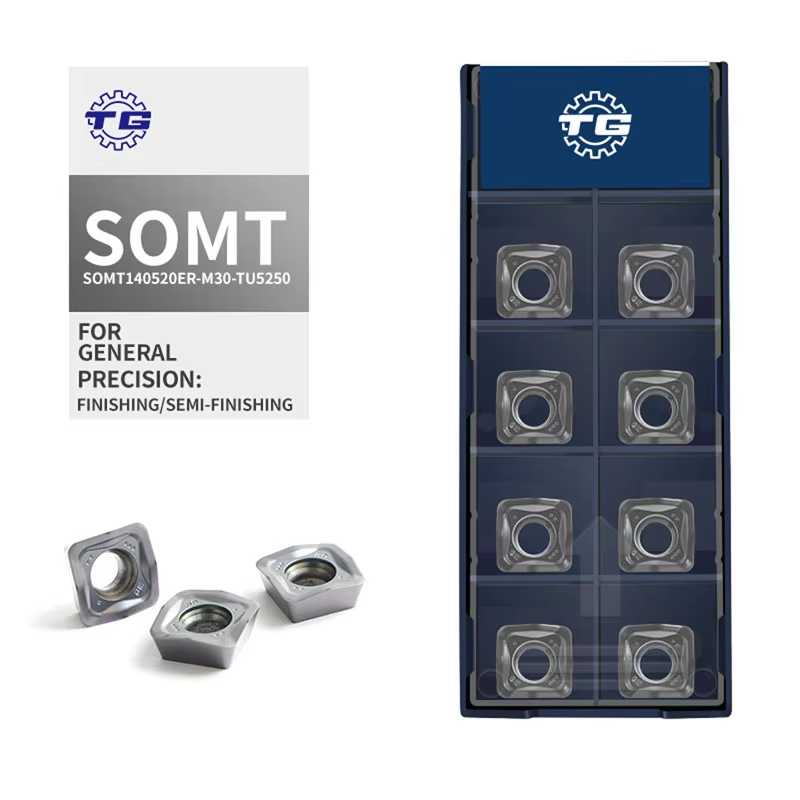
Precision manufacturing has become the cornerstone of modern industrial operations, where even the smallest deviation can result in costly production errors and compromised product quality. In the world of metalworking, achieving consistent accuracy and surface finish requires the right combination of equipment, technique, and most importantly, the proper cutting tools. Milling cutter tools represent one of the most critical components in this precision equation, offering manufacturers the ability to create complex geometries, maintain tight tolerances, and deliver superior surface finishes across a wide range of materials and applications.
The evolution of milling technology has transformed how manufacturers approach precision machining challenges. Modern milling cutter tools incorporate advanced materials, innovative geometries, and specialized coatings that enable them to perform at levels previously thought impossible. These technological advances have made it possible to achieve micron-level precision while maintaining high productivity rates, effectively bridging the gap between accuracy and efficiency in industrial manufacturing processes.
Understanding the role of milling cutter tools in precision metalworking requires examining both their mechanical properties and their application-specific characteristics. These tools must withstand extreme cutting forces, elevated temperatures, and abrasive material interactions while maintaining their dimensional accuracy and cutting edge integrity. The sophisticated engineering behind modern milling cutters enables manufacturers to push the boundaries of what's achievable in precision manufacturing, opening new possibilities for complex component production.
Advanced Cutting Geometries and Precision Enhancement
Multi-Flute Design Optimization
The number and configuration of cutting flutes on milling cutter tools directly influence both material removal rates and surface finish quality. Three-flute designs offer an optimal balance between chip evacuation and cutting edge engagement, providing superior surface finishes while maintaining reasonable material removal rates. This configuration reduces vibration and chatter during machining operations, resulting in improved dimensional accuracy and extended tool life.
Advanced flute geometries incorporate variable helix angles and unequal spacing to minimize harmonic vibrations that can compromise precision. These design features ensure that cutting forces are distributed more evenly throughout the machining cycle, reducing the likelihood of workpiece deflection and maintaining consistent cutting conditions. The result is enhanced precision across the entire machined surface, with reduced variation in dimensional tolerances.
Corner radius configurations on end mills provide additional benefits for precision applications. The radiused cutting edge reduces stress concentrations while improving surface finish quality, particularly important when machining hardened steels and exotic alloys. This geometry also extends tool life by distributing cutting forces more effectively, ensuring consistent performance throughout extended production runs.
Specialized Coating Technologies
Modern coating technologies have revolutionized the performance capabilities of milling cutter tools, enabling them to maintain sharp cutting edges longer while resisting wear and heat buildup. Titanium aluminum nitride coatings provide exceptional hardness and thermal stability, allowing tools to operate at higher cutting speeds while maintaining precision. These coatings also reduce friction between the tool and workpiece, resulting in improved surface finishes and reduced cutting forces.
Diamond-like carbon coatings offer superior performance when machining non-ferrous materials and composites. These ultra-smooth coatings minimize built-up edge formation and reduce cutting forces, contributing to improved dimensional accuracy and surface quality. The low friction characteristics of these coatings also enable higher feed rates without compromising precision, improving overall productivity in precision manufacturing applications.
Specialized coatings also provide enhanced chemical stability, preventing tool degradation when machining reactive materials or operating in challenging environments. This stability ensures consistent cutting performance throughout the tool's service life, maintaining precision standards even during extended production runs or when processing difficult-to-machine alloys.
Material-Specific Applications and Performance
Carbide Tool Matrix Properties
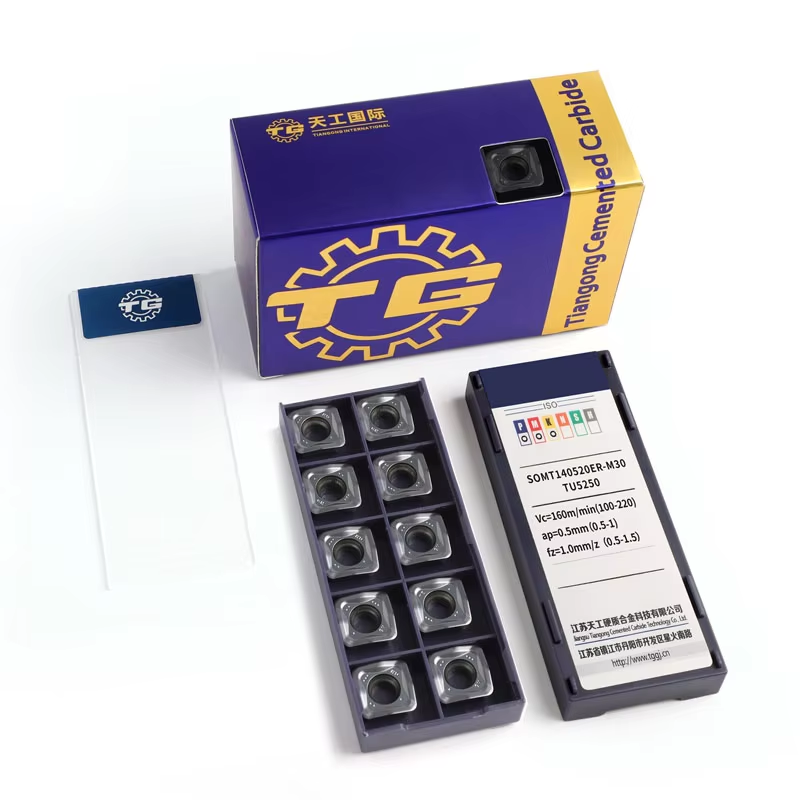
Solid carbide construction provides milling cutter tools with exceptional rigidity and wear resistance, essential characteristics for maintaining precision in demanding metalworking applications. The fine grain structure of premium carbide grades offers superior edge retention and resistance to microchipping, ensuring consistent cutting performance and dimensional accuracy. This material stability is particularly important when machining hardened steels and high-temperature alloys where tool deflection can compromise precision.
Carbide tool grades are specifically formulated for different material applications, with varying cobalt content and grain size optimization. Fine-grain carbides provide superior edge sharpness and finish quality, ideal for precision finishing operations where surface integrity is critical. These specialized grades maintain their cutting edge geometry longer, reducing the frequency of tool changes and ensuring consistent precision throughout production runs.
The thermal conductivity of carbide materials helps dissipate cutting heat more effectively, preventing thermal expansion that could compromise dimensional accuracy. This property is particularly valuable when machining at high speeds or when processing materials with poor thermal conductivity, where heat buildup can lead to workpiece distortion and reduced precision.
High-Performance Alloy Machining
Aerospace and medical device manufacturing often require machining of exotic alloys that present unique challenges for maintaining precision. Milling cutter tools designed for these applications incorporate specialized geometries and coatings that address the specific characteristics of high-temperature alloys, titanium, and stainless steel grades. The enhanced edge retention and thermal stability of these tools ensure consistent precision even when processing work-hardening materials.
Tool path optimization becomes critical when machining high-performance alloys, as these materials are sensitive to cutting parameter variations. Specialized milling cutters designed for these applications feature geometries that minimize work hardening while maintaining optimal chip formation. This careful balance ensures consistent cutting forces and prevents the development of residual stresses that could compromise dimensional accuracy.
Advanced tool designs also incorporate features that address the unique challenges of machining reactive materials. Special attention to chip evacuation and cutting fluid delivery ensures optimal cutting conditions, preventing heat buildup and chemical reactions that could degrade surface integrity. These design considerations are essential for maintaining precision when processing materials used in critical applications where dimensional accuracy and surface quality are paramount.
CNC Integration and Precision Control
Machine Tool Interface Optimization
The interface between milling cutter tools and CNC machine spindles plays a crucial role in precision achievement. High-precision tool holders with minimal runout ensure that cutting edge geometry is maintained throughout the machining cycle, preventing variations that could compromise dimensional accuracy. Hydraulic and shrink-fit tool holding systems provide superior clamping force and concentricity, essential for precision applications requiring tight tolerances.
Tool length and overhang considerations become critical in precision applications, as excessive tool extension can lead to deflection and vibration. Specialized short-length milling cutters and rigid tool holder designs minimize these effects, enabling precision machining of deep cavities and complex geometries. The proper selection of tool geometry and holding system ensures optimal rigidity throughout the cutting process.
Dynamic balancing of rotating tool assemblies further enhances precision capabilities by reducing vibration and improving surface finish quality. This attention to rotational accuracy becomes increasingly important at higher spindle speeds, where even minor imbalances can significantly impact precision and tool life. Advanced tool holders incorporate balancing features that maintain rotational accuracy throughout the tool's service life.
Adaptive Control Systems
Modern CNC systems incorporate adaptive control technologies that optimize cutting parameters in real-time based on cutting force feedback and tool condition monitoring. These systems work in conjunction with high-performance milling cutter tools to maintain optimal cutting conditions, adjusting feed rates and spindle speeds to prevent tool overload while maximizing precision. This integration ensures consistent cutting performance regardless of material variations or changing cutting conditions.
Tool wear monitoring systems provide early detection of cutting edge degradation, enabling proactive tool replacement before precision is compromised. These systems analyze cutting force signatures, vibration patterns, and acoustic emissions to assess tool condition accurately. The integration of these monitoring capabilities with advanced milling cutters ensures that precision standards are maintained throughout production runs.
Predictive maintenance algorithms further enhance precision manufacturing by scheduling tool changes based on accumulated cutting time, processed volume, and material characteristics. This proactive approach prevents unexpected tool failures that could compromise workpiece quality and ensures consistent precision throughout extended production campaigns. The combination of intelligent control systems and high-performance milling cutter tools represents the future of precision manufacturing.
Quality Assurance and Measurement Techniques
Surface Integrity Assessment
Precision metalworking requires comprehensive quality assessment techniques to verify that milling cutter tools are delivering the required surface integrity and dimensional accuracy. Surface roughness measurements using advanced profilometry equipment provide quantitative data on finish quality, enabling manufacturers to optimize cutting parameters and tool selection for specific applications. These measurements are particularly important when machining components for aerospace and medical applications where surface quality directly impacts performance and safety.
Subsurface integrity evaluation through metallographic analysis reveals the effects of machining on material structure and properties. Milling cutter tools that maintain sharp cutting edges and optimal geometries produce minimal subsurface damage, preserving the mechanical properties of machined components. This evaluation is essential for critical applications where fatigue resistance and dimensional stability are paramount.
Residual stress measurement techniques provide insight into the mechanical effects of machining operations on component performance. Properly designed milling cutter tools minimize the introduction of harmful tensile stresses while potentially introducing beneficial compressive stresses that enhance component durability. Understanding these effects enables manufacturers to optimize machining strategies for improved component performance and longevity.
Dimensional Verification Protocols
Coordinate measuring machines provide the precision measurement capabilities necessary to verify that milling cutter tools are achieving required dimensional tolerances. These systems can measure complex geometries with micron-level accuracy, providing comprehensive verification of machined component quality. The data generated by these measurements enables continuous improvement of machining processes and tool selection strategies.
In-process measurement systems integrated with CNC machining centers enable real-time verification of dimensional accuracy during machining operations. These systems work in conjunction with high-precision milling cutter tools to ensure that tolerances are maintained throughout the cutting process, enabling immediate corrections if deviations are detected. This real-time feedback is essential for maintaining precision in high-volume production environments.
Statistical process control techniques provide long-term monitoring of precision manufacturing processes, identifying trends and variations that could indicate tool wear or process drift. The data collected through these monitoring systems enables optimization of tool replacement schedules and cutting parameter adjustments to maintain consistent precision throughout production campaigns. This systematic approach to quality assurance ensures reliable precision manufacturing results.
FAQ
What factors determine the precision capabilities of milling cutter tools
The precision capabilities of milling cutter tools depend on several critical factors including cutting edge geometry, material composition, coating technology, and manufacturing quality. Tool rigidity plays a fundamental role, as deflection during cutting can compromise dimensional accuracy. Additionally, the quality of the tool holder interface, machine tool spindle accuracy, and cutting parameter optimization all contribute to overall precision performance. Proper tool selection based on material compatibility and application requirements is essential for achieving optimal precision results.
How do coating technologies improve precision in milling operations
Advanced coating technologies enhance precision by reducing friction, improving wear resistance, and providing thermal stability during cutting operations. These coatings maintain sharp cutting edges longer, reducing tool wear that could compromise dimensional accuracy. The reduced friction characteristics minimize cutting forces and heat generation, preventing workpiece distortion and maintaining consistent cutting conditions. Specialized coatings also prevent built-up edge formation and chemical reactions that could degrade surface quality and dimensional precision.
What role does tool geometry play in achieving precision machining results
Tool geometry directly influences cutting forces, chip formation, and surface finish quality, all of which impact precision manufacturing results. Optimized flute counts and helix angles reduce vibration and chatter, maintaining dimensional accuracy during cutting operations. Corner radius configurations distribute cutting forces more evenly while improving surface finish quality. Variable geometry features help minimize harmonic vibrations that could compromise precision, ensuring consistent cutting performance throughout the machining cycle.
How can manufacturers optimize milling cutter tool selection for precision applications
Manufacturers should consider material compatibility, required surface finish, dimensional tolerances, and production volume when selecting milling cutter tools for precision applications. Tool grade selection based on workpiece material properties ensures optimal cutting performance and tool life. Geometry optimization for specific applications, including flute count, helix angle, and corner radius selection, directly impacts precision capabilities. Additionally, considering coating options, tool length requirements, and machine tool compatibility ensures optimal precision manufacturing results while maintaining productivity and cost effectiveness.
Table of Contents
- Advanced Cutting Geometries and Precision Enhancement
- Material-Specific Applications and Performance
- CNC Integration and Precision Control
- Quality Assurance and Measurement Techniques
-
FAQ
- What factors determine the precision capabilities of milling cutter tools
- How do coating technologies improve precision in milling operations
- What role does tool geometry play in achieving precision machining results
- How can manufacturers optimize milling cutter tool selection for precision applications