
 EN
EN
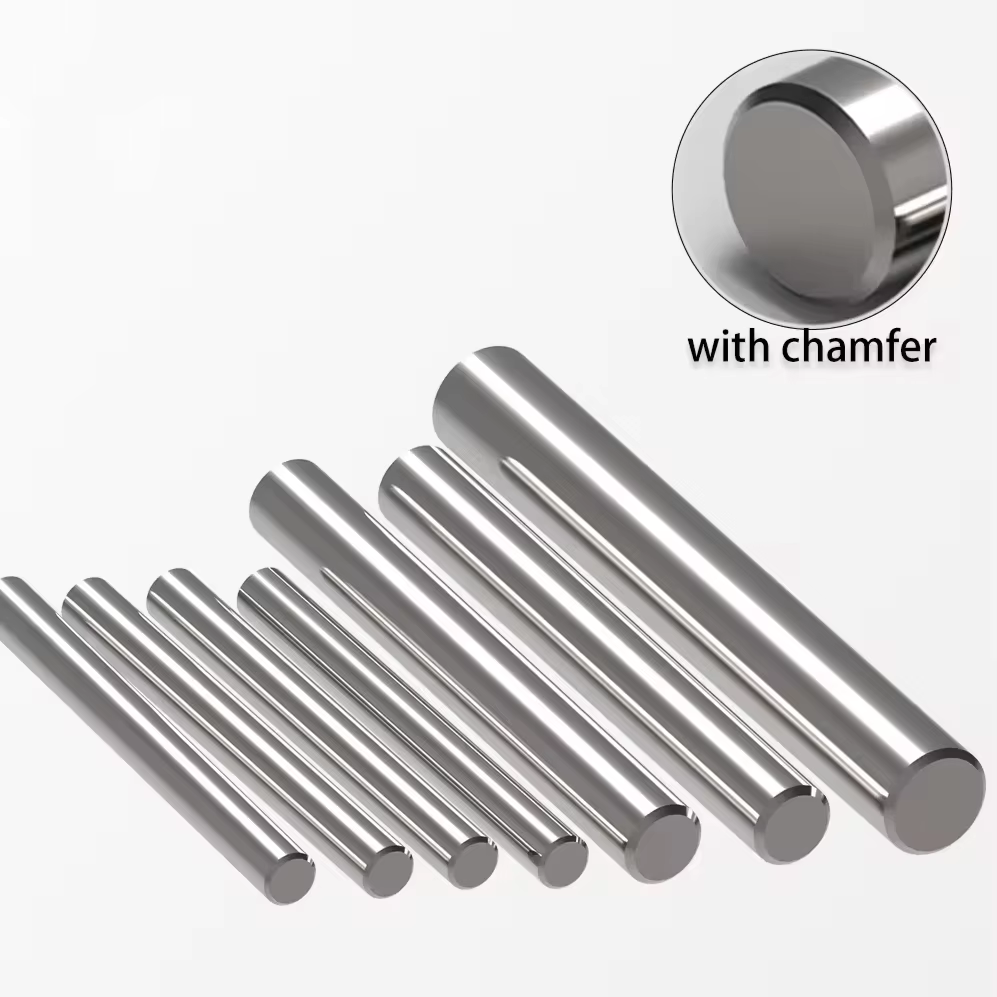
Manufacturing industries worldwide continue to seek cutting tools that deliver exceptional performance, durability, and cost-effectiveness over extended operational periods. Among the various materials available for precision machining applications, tungsten carbide has emerged as a premier choice for professionals who demand reliability and consistent results. This comprehensive analysis explores whether tungsten carbide tooling represents a sound long-term investment for manufacturing operations across diverse industrial sectors.
Understanding Tungsten Carbide Properties and Composition
Material Science Behind Tungsten Carbide
Tungsten carbide represents one of the hardest materials commercially available, ranking approximately 9.0 on the Mohs hardness scale. This remarkable hardness stems from its unique crystalline structure, where tungsten atoms bond with carbon atoms in a cubic formation. The resulting compound exhibits exceptional wear resistance, thermal stability, and mechanical strength that far exceeds conventional tool steels.
The manufacturing process involves powder metallurgy techniques where tungsten carbide particles are combined with cobalt binder in precisely controlled ratios. Different cobalt percentages create varying grades of tungsten carbide, each optimized for specific applications. Lower cobalt content produces harder but more brittle tools, while higher cobalt content yields tougher tools with improved shock resistance.
Physical and Chemical Characteristics
Tungsten carbide maintains its hardness at elevated temperatures, retaining structural integrity up to 1000°C in most applications. This thermal stability proves crucial for high-speed machining operations where cutting temperatures can reach extreme levels. The material also demonstrates excellent chemical inertness, resisting corrosion and oxidation under normal operating conditions.
The density of tungsten carbide approaches that of steel but with significantly superior hardness characteristics. This combination allows manufacturers to create cutting tools that maintain sharp edges longer while withstanding the mechanical stresses encountered in demanding machining applications.
Long-Term Performance Analysis
Tool Life and Durability Metrics
Independent studies consistently demonstrate that tungsten carbide tools deliver substantially longer service life compared to high-speed steel alternatives. In typical machining applications, tungsten carbide cutting tools can operate 10 to 50 times longer than comparable steel tools, depending on the specific application and operating conditions.
The extended tool life translates directly into reduced downtime for tool changes, increased production throughput, and lower labor costs associated with machine setup and adjustment. Manufacturing facilities report significant improvements in overall equipment effectiveness when transitioning from conventional tooling to tungsten carbide solutions.
Consistent Cutting Performance
Tungsten carbide tools maintain consistent cutting performance throughout their operational life, producing parts with uniform dimensional accuracy and surface finish quality. This consistency proves particularly valuable in automated manufacturing environments where process stability directly impacts product quality and production efficiency.
The predictable wear patterns of tungsten carbide enable more accurate tool life monitoring and replacement scheduling. Manufacturing operations can implement condition-based maintenance strategies that optimize tool utilization while minimizing unexpected failures or quality issues.
Economic Considerations and Return on Investment
Initial Investment Analysis
While tungsten carbide tools typically require higher initial capital investment compared to conventional alternatives, the total cost of ownership calculations consistently favor tungsten carbide solutions. The initial price premium is offset by extended tool life, reduced replacement frequency, and improved productivity metrics.
Financial analysis should consider not only the tool purchase price but also associated costs including inventory management, tool setup time, machine downtime, and quality-related expenses. When evaluated comprehensively, tungsten carbide tools often deliver positive returns within the first few months of operation.
Operational Cost Savings
Manufacturing operations utilizing tungsten carbide end mill cutters report substantial reductions in tooling-related expenses over time. These savings manifest through decreased tool replacement frequency, reduced machine downtime, lower inventory carrying costs, and improved process efficiency.
The enhanced cutting speeds and feeds possible with tungsten carbide tools increase production rates without compromising quality. This productivity improvement translates into better asset utilization and increased revenue potential from existing manufacturing equipment.

Application-Specific Advantages
Aerospace and Defense Manufacturing
Aerospace manufacturers rely heavily on tungsten carbide tooling for machining critical components from advanced materials including titanium alloys, inconel, and composite materials. The precision requirements and material properties in aerospace applications make tungsten carbide tools virtually indispensable for maintaining quality standards while achieving production targets.
Defense contractors particularly value the consistent performance and reliability of tungsten carbide tools when producing components that must meet stringent specifications and quality requirements. The long tool life also supports lean manufacturing initiatives by reducing supply chain complexity and inventory requirements.
Automotive Industry Applications
Automotive manufacturers have extensively adopted tungsten carbide tooling for high-volume production operations. The automotive industry's emphasis on cost reduction and efficiency improvements aligns perfectly with the advantages offered by tungsten carbide cutting tools.
Engine component manufacturing, transmission parts production, and chassis fabrication all benefit from tungsten carbide tooling solutions. The ability to maintain tight tolerances across extended production runs proves essential for meeting automotive quality standards while controlling manufacturing costs.
Modern Coating Technologies and Enhancements
Advanced Surface Coatings
Contemporary tungsten carbide tools incorporate sophisticated coating technologies that further enhance performance and extend tool life. Titanium nitride, aluminum chromium nitride, and diamond-like carbon coatings provide additional wear resistance and reduce friction during cutting operations.
These coatings create a barrier between the tungsten carbide substrate and the workpiece material, reducing heat generation and chemical wear. The result is even longer tool life and improved surface finish quality on machined components.
Specialized Geometries and Designs
Manufacturers continue to develop specialized tungsten carbide tool geometries optimized for specific applications and materials. Variable helix angles, unequal spacing, and advanced chip breaker designs maximize cutting efficiency while minimizing vibration and chatter.
These geometric optimizations work synergistically with tungsten carbide's inherent properties to deliver superior performance in challenging machining applications. The investment in advanced tool designs pays dividends through improved productivity and reduced cycle times.
Environmental and Sustainability Factors
Resource Conservation Benefits
The extended service life of tungsten carbide tools contributes significantly to resource conservation efforts within manufacturing operations. Longer-lasting tools reduce raw material consumption, minimize waste generation, and decrease the environmental impact associated with tool production and disposal.
Manufacturing facilities pursuing sustainability initiatives find that tungsten carbide tooling aligns with their environmental goals while simultaneously improving operational efficiency. The reduced frequency of tool changes also minimizes packaging waste and transportation-related emissions.
Recycling and Reclamation Programs
Tungsten carbide's valuable tungsten content makes it highly suitable for recycling and reclamation programs. Many tool manufacturers offer reclamation services that recover tungsten carbide from worn tools, supporting circular economy principles while providing cost benefits to end users.
The established recycling infrastructure for tungsten carbide tools adds long-term value to the initial investment, as worn tools retain significant material value that can offset future tool purchases.
Technology Integration and Industry 4.0
Smart Manufacturing Integration
Modern tungsten carbide tools integrate seamlessly with Industry 4.0 manufacturing systems through advanced monitoring and data collection capabilities. Embedded sensors and monitoring systems track tool performance metrics in real-time, enabling predictive maintenance strategies and optimized tool utilization.
The predictable performance characteristics of tungsten carbide tools make them ideal candidates for automated manufacturing systems where consistent results are paramount. Digital twins and machine learning algorithms can accurately model tungsten carbide tool behavior, further optimizing manufacturing processes.
Future Technology Developments
Ongoing research and development efforts continue to advance tungsten carbide technology through nanostructured coatings, improved binder systems, and enhanced manufacturing processes. These developments promise even greater performance improvements and expanded application possibilities.
Investment in tungsten carbide tooling positions manufacturers to benefit from these technological advances as they become commercially available, ensuring continued competitiveness in evolving markets.
FAQ
How does tungsten carbide tool cost compare to alternatives over time
While tungsten carbide tools require higher initial investment, their extended service life typically results in 30-60% lower total cost of ownership compared to high-speed steel alternatives. The exact savings depend on application specifics, but most manufacturers see positive returns within 3-6 months of implementation.
What factors affect tungsten carbide tool longevity in manufacturing applications
Tool longevity depends primarily on cutting parameters, workpiece material properties, machine condition, and proper tool selection. Optimal speeds, feeds, and coolant application maximize tool life, while inappropriate parameters can significantly reduce performance. Regular machine maintenance and proper tool storage also impact longevity.
Can tungsten carbide tools be reconditioned or resharpened economically
Yes, tungsten carbide tools can often be reconditioned multiple times through specialized resharpening services. Professional reconditioning can restore 85-95% of original performance at 40-60% of new tool cost. However, the economic viability depends on tool size, complexity, and wear patterns.
What safety considerations apply when using tungsten carbide cutting tools
Tungsten carbide tools require standard machining safety practices including proper eye protection, appropriate speeds and feeds, and adequate chip evacuation. The material's hardness means chips can be sharp, requiring careful handling. Proper tool mounting and machine condition are essential to prevent catastrophic failure due to the material's brittleness.