
 EN
EN

When selecting cutting tools for precision machining, the choice of material and geometry directly affects output quality and tool life. A HSS CNC end mill stands out as a reliable and cost-effective solution for machinists working with steel, cast metal, and a wide range of engineering alloys. Understanding what a HSS CNC end mill truly offers helps you make smarter tooling decisions and get more value from every cutting operation.
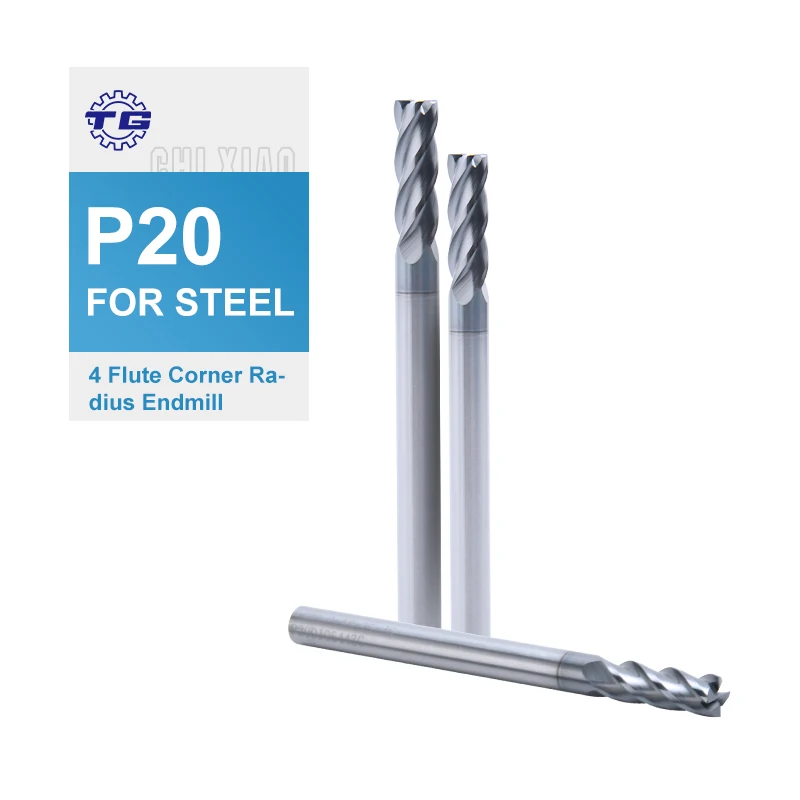
A HSS CNC end mill combines the proven performance of high-speed steel with modern coating technologies and precision-ground geometry to deliver consistent results across diverse CNC machining environments. Whether you are profiling, slotting, or finishing complex part contours, a HSS CNC end mill provides the flexibility and durability that production environments demand. This article explores the specific advantages that make a HSS CNC end mill a preferred choice for many machining professionals.
Material Strength and Thermal Resistance
Why High-Speed Steel Holds Up Under Cutting Stress
The defining characteristic of any HSS CNC end mill is the high-speed steel substrate from which it is made. High-speed steel offers excellent toughness, meaning a HSS CNC end mill can absorb vibration and intermittent cutting forces without chipping as readily as harder but more brittle carbide tools in certain conditions. This toughness makes a HSS CNC end mill particularly well suited for applications involving interrupted cuts, thin-walled parts, or workpieces that generate sudden load variations during machining.
A HSS CNC end mill also retains its hardness at elevated temperatures, which is the core trait that gives high-speed steel its name. When a HSS CNC end mill operates at moderate cutting speeds, the steel maintains its edge integrity even as heat builds at the cutting zone. This thermal stability allows a HSS CNC end mill to perform reliably in production runs where consistent edge sharpness is critical for dimensional accuracy across many parts.
Coating Technologies That Extend HSS CNC End Mill Performance
Modern coating processes have significantly expanded the capability of a HSS CNC end mill. Applying advanced coatings to a HSS CNC end mill reduces friction at the cutting interface, lowers heat generation, and extends tool life compared to uncoated versions. A coated HSS CNC end mill is especially effective when machining steels, cast metals, and harder engineering materials where surface wear would otherwise limit tool longevity. The combination of a tough HSS substrate and a performance coating makes a HSS CNC end mill a highly capable tool even in demanding industrial settings.
Geometry Advantages for Profile and Finish Cutting
Four-Flute Design and Corner Radius Benefits
A HSS CNC end mill designed with four flutes and a corner radius geometry offers specific advantages for profile milling and finish passes. The four-flute configuration on a HSS CNC end mill improves surface finish quality because more cutting edges engage the workpiece per revolution, reducing the effective chip load per flute. This means a HSS CNC end mill with four flutes can achieve smoother surface finishes compared to two-flute alternatives when used in finishing operations on steel and cast metal components.
The corner radius feature on a HSS CNC end mill eliminates the sharp corner that a standard square-end tool produces. A radiused corner on a HSS CNC end mill reduces stress concentration at the cutting tip, which helps prevent premature chipping and extends tool life during profile cuts. When machining slots, pockets, or contoured profiles, using a HSS CNC end mill with a corner radius also improves the strength of the finished part by producing a rounded internal radius rather than a stress-prone sharp corner.
Flat Face Geometry for Versatile CNC Operations
The flat face design of a HSS CNC end mill makes it suitable for a broad range of operations including face milling, shoulder milling, and profile finishing in a single tool. A HSS CNC end mill with a flat end face can machine horizontal surfaces cleanly while its peripheral flutes handle vertical and contoured cuts simultaneously. This versatility reduces the number of tool changes needed during a CNC program, making a HSS CNC end mill an efficient choice for complex part geometries that require multiple cutting directions within a single setup.
Practical Suitability Across Materials and Applications
Performance on Steel and Cast Metal
A HSS CNC end mill is well matched to machining carbon steels, alloy steels, and cast metals commonly encountered in industrial manufacturing. The toughness of a HSS CNC end mill makes it forgiving on cast surfaces that may contain hard inclusions or surface irregularities. Machinists working with cast iron components, for example, often find that a HSS CNC end mill handles the intermittent contact and abrasive nature of cast surfaces without the risk of sudden edge failure that can occur with harder tooling options.
A HSS CNC end mill also performs well in situations where cutting parameters cannot always be optimized. In job shops or maintenance environments where cutting speed, feed rate, and coolant conditions may vary, a HSS CNC end mill provides a wider operating window than more sensitive tooling materials. This adaptability makes a HSS CNC end mill a practical and dependable option for general-purpose CNC machining across a variety of part types and production volumes.
Cost Efficiency and Accessibility of a HSS CNC End Mill
One of the most practical advantages of a HSS CNC end mill is its cost efficiency relative to solid carbide alternatives. A HSS CNC end mill typically costs significantly less per unit, making it an accessible choice for operations that require a broad range of tool sizes or where tool replacement frequency is high. For manufacturers balancing tooling budgets with productivity targets, a HSS CNC end mill offers a realistic path to maintaining cutting quality without excessive tooling expense. When coated and precision-ground, a HSS CNC end mill delivers performance that justifies its place in any serious machining operation.
FAQ
What materials can a HSS CNC end mill cut effectively?
A HSS CNC end mill is effective on carbon steel, alloy steel, cast iron, cast metal, and many general engineering materials. Its toughness allows a HSS CNC end mill to handle materials with variable hardness or rough cast surfaces that might cause chipping in more brittle tooling options.
How does a coated HSS CNC end mill differ from an uncoated one?
A coated HSS CNC end mill has a surface treatment applied to reduce friction, resist heat buildup, and extend cutting edge life. Compared to an uncoated HSS CNC end mill, a coated version typically lasts longer in steel and cast metal applications and can operate at slightly higher cutting speeds without sacrificing edge integrity.
When should I choose a HSS CNC end mill over a carbide end mill?
A HSS CNC end mill is often the better choice when machining conditions are variable, when interrupted cuts are frequent, or when upfront tooling cost is a significant factor. A HSS CNC end mill offers greater toughness in demanding conditions, while carbide end mills may be preferred when very high cutting speeds or extremely hard materials are involved.