 EN
EN

When machining hard metals and demanding alloys, tool wear is one of the most costly challenges in any production environment. A Tiangong carbide end mill is engineered specifically to address this challenge, offering extreme wear resistance that goes well beyond what standard tooling can achieve. Understanding these advantages helps machinists and procurement teams make better decisions when selecting cutting tools for high-performance applications.
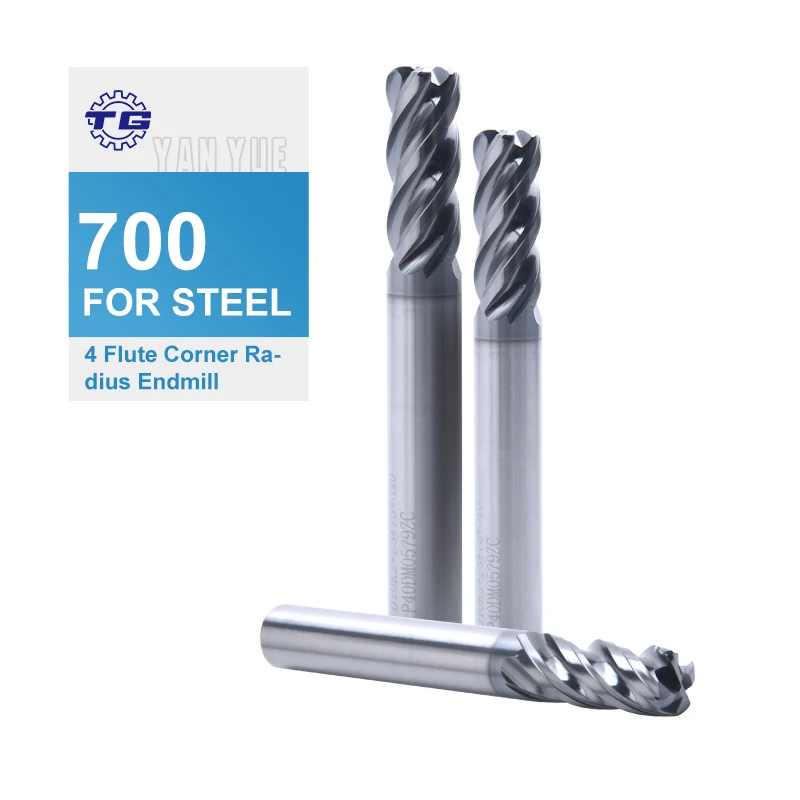
The Tiangong carbide end mill is designed for machinists who require consistent performance in hardened steels, stainless alloys, and other difficult-to-cut materials. Its wear resistance is not a single feature but rather a combination of substrate quality, advanced coating technology, and precision geometry working together. Each element of the Tiangong carbide end mill contributes directly to extending tool life and maintaining cutting accuracy over many hours of use.
Advanced Substrate and Carbide Grade Selection
Ultra-Fine Grain Carbide Composition
The foundation of any Tiangong carbide end mill is its carbide substrate. Tiangong uses ultra-fine grain carbide material, which produces a significantly harder and more uniform cutting edge compared to conventional carbide grades. This fine-grain structure resists micro-chipping along the cutting edge even when the Tiangong carbide end mill is operating under high feed rates or interrupted cutting conditions. The result is a sharper, more stable edge that maintains its geometry across extended production runs.
Fine-grain carbide also contributes to improved toughness. A Tiangong carbide end mill must withstand both abrasive wear from hard workpiece materials and the thermal stress generated during high-speed cutting. The balanced hardness-to-toughness ratio in the substrate means the Tiangong carbide end mill can resist cracking and edge breakage while still holding a precise cutting profile. This dual capability is essential for high-volume production where tool changes are costly and disruptive.
Substrate Preparation for Coating Adhesion
Before any coating is applied, the Tiangong carbide end mill substrate undergoes careful surface preparation. Proper substrate preparation ensures that the coating bonds tightly to the carbide body, preventing delamination under mechanical stress. A well-bonded coating on a Tiangong carbide end mill stays intact even in deep-cavity milling operations where heat and pressure are concentrated at the tool tip. This step is often overlooked in lower-quality tooling, making it a meaningful differentiator for the Tiangong carbide end mill.
AlNOVZ3 Coating Technology and Thermal Stability
Multi-Layer Coating Architecture
One of the most significant wear resistance advantages of the Tiangong carbide end mill is its AlNOVZ3 coating. This advanced multi-element coating is applied through physical vapor deposition and creates a hard, smooth surface layer that dramatically reduces friction between the tool and the workpiece. The Tiangong carbide end mill benefits from this coating by generating less heat during cutting, which in turn slows down the thermal wear mechanisms that degrade tool life in demanding operations.
The AlNOVZ3 coating used on the Tiangong carbide end mill includes vanadium and zirconium elements that enhance oxidation resistance at elevated temperatures. When milling hardened steels at or above HRC 70, cutting temperatures can spike dramatically. The Tiangong carbide end mill maintains its hardness and surface integrity at these temperatures because the AlNOVZ3 coating forms a stable oxide layer that acts as a thermal barrier. This keeps the underlying carbide substrate cooler and structurally sound throughout the cut.
Surface Hardness and Friction Reduction
The AlNOVZ3 coating gives the Tiangong carbide end mill a surface hardness that exceeds what most standard coatings provide. Higher surface hardness means the Tiangong carbide end mill resists abrasive wear more effectively, which is critical when machining cast iron, hardened tool steels, or titanium-based alloys. The low-friction surface of the Tiangong carbide end mill also reduces built-up edge formation, a common problem that degrades surface finish and accelerates tool wear in high-speed milling.
Geometry Optimization for Sustained Cutting Performance
Corner Radius Design and Edge Stability
The Tiangong carbide end mill features a precision corner radius geometry that distributes cutting forces more evenly across the tool tip. Sharp square corners are common failure points under heavy cutting loads, but the rounded corner of the Tiangong carbide end mill transfers stress away from the most vulnerable part of the edge. This geometric design choice directly supports wear resistance by reducing concentrated stress that causes chipping or premature edge collapse during aggressive milling passes.
The four-flute configuration of the Tiangong carbide end mill provides a strong core diameter relative to the cutting diameter, which increases rigidity. A more rigid Tiangong carbide end mill deflects less under cutting loads, which reduces vibration and the erratic contact patterns that accelerate flank wear. Consistent contact between the Tiangong carbide end mill and the workpiece means wear progresses slowly and predictably, allowing machinists to maximize tool life before replacement is necessary.
Flute Design and Chip Evacuation Efficiency
Effective chip evacuation is directly linked to wear resistance in any Tiangong carbide end mill. When chips are not cleared efficiently, they re-enter the cutting zone and cause abrasive damage to both the tool and the workpiece surface. The Tiangong carbide end mill is designed with optimized flute geometry that moves chips away from the cutting edge quickly and reliably. This keeps the Tiangong carbide end mill running cooler and reduces the secondary abrasion that shortens tool life in high-material-removal-rate operations.
FAQ
What materials can the Tiangong carbide end mill cut effectively?
The Tiangong carbide end mill is designed for hardened steels up to HRC 70, stainless alloys, cast iron, and other difficult-to-machine materials. Its AlNOVZ3 coating and fine-grain carbide substrate make the Tiangong carbide end mill suitable for high-hardness applications where standard tooling wears out prematurely.
How does the AlNOVZ3 coating improve the wear life of the Tiangong carbide end mill?
The AlNOVZ3 coating on the Tiangong carbide end mill provides high surface hardness, oxidation resistance at elevated temperatures, and low friction. These properties reduce both thermal wear and abrasive wear, which are the two primary causes of tool degradation. As a result, the Tiangong carbide end mill maintains its cutting edge geometry significantly longer than tools with conventional coatings.
Is the Tiangong carbide end mill suitable for dry machining?
Yes, the Tiangong carbide end mill is well-suited for dry or minimal-quantity lubrication machining due to its thermal stability and low-friction coating. The AlNOVZ3 coating allows the Tiangong carbide end mill to handle elevated cutting temperatures without rapid wear, making it a practical choice for operations where coolant use is restricted or where dry cutting is preferred for cleanliness and process efficiency.