
 EN
EN
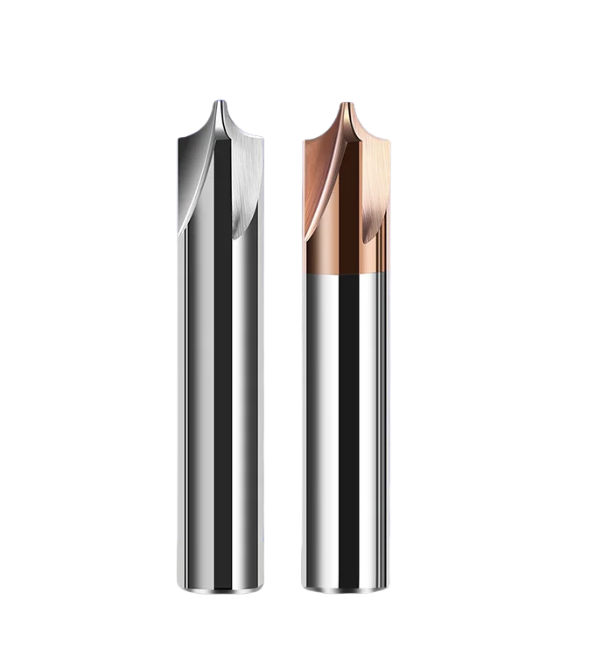
Selecting the right twist drill for your machining operations is a critical decision that directly impacts productivity, tool longevity, and project success. Whether you are purchasing a single twist drill bit for a precision job or stocking your workshop with multiple options, understanding the key selection criteria will help you make informed choices online. The twist drill remains one of the most essential cutting tools in manufacturing, metalworking, and construction, yet many buyers struggle to identify the ideal twist drill specifications for their specific applications.
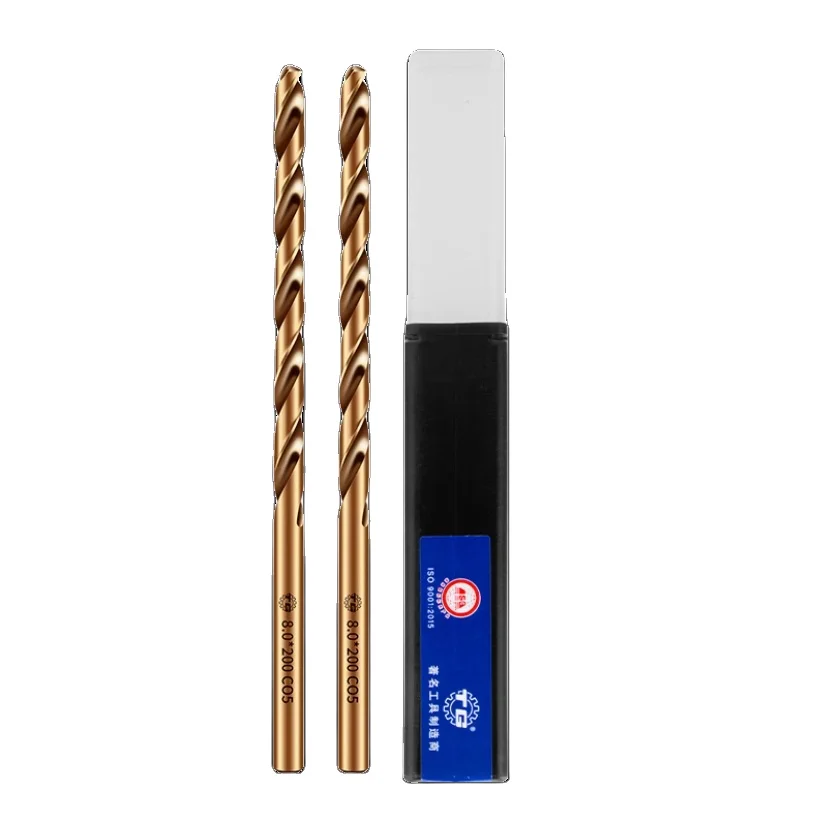
When shopping for a twist drill online, you will encounter numerous options, material grades, and sizing variations that can feel overwhelming without proper guidance. This guide walks you through the essential factors that distinguish a high-quality twist drill from inferior alternatives, helping you navigate online catalogs with confidence and precision. By the end, you will understand how to evaluate twist drill offerings, match them to your drilling requirements, and avoid costly mistakes in your purchasing decisions.
Understanding Twist Drill Material Composition and Performance Grades
High-Speed Steel and Cobalt Twist Drill Options
The material of your twist drill determines its cutting speed, durability, and heat resistance during operation. High-Speed Steel (HSS) represents the traditional standard for twist drill manufacturing, offering excellent value for general-purpose drilling in mild steel, aluminum, and plastic materials. HSS twist drill bits are affordable and widely available online, making them the first choice for many workshops and small manufacturers. However, cobalt-enhanced twist drill variants provide superior performance in demanding applications, such as drilling stainless steel, cast iron, or hardened alloys where conventional HSS twist drill bits would dull quickly.
When evaluating a twist drill online, check the material specification carefully. A twist drill labeled M35 or M42 indicates cobalt content that improves heat resistance and extends tool life significantly. The choice between standard HSS twist drill and cobalt twist drill should align with your typical workpiece materials and production volume. For high-volume production or difficult-to-machine materials, investing in a premium twist drill with cobalt coating justifies the higher cost through reduced tool changes and faster drilling speeds.
Surface Coatings and Twist Drill Longevity
Beyond the base material, surface coatings play a vital role in twist drill performance and longevity. A quality twist drill often features titanium nitride (TiN), titanium aluminum nitride (TiAlN), or other advanced coatings that reduce friction, enhance heat dissipation, and extend cutting life. When browsing twist drill listings online, look for coated twist drill options that specify the coating type and thickness, as these details directly influence the tool's ability to withstand thermal stress and abrasive wear. An uncoated twist drill is suitable for occasional use, but a coated twist drill delivers measurable advantages in production environments.
Sizing, Shank Design, and Specifications for Precision Drilling
Straight Shank Compatibility and Chuck Limitations
The straight shank twist drill is designed to fit into standard three-jaw or keyless chucks found on most drill presses and portable drills. Before purchasing a twist drill online, verify that the shank diameter matches your equipment's chuck capacity, typically ranging from 3/32 inch to 1/2 inch for common industrial applications. A twist drill with a shank diameter that does not fit your chuck will be unusable, so this compatibility check is non-negotiable. The straight shank twist drill format offers versatility across different drilling equipment, making it more accessible than specialized morse taper designs.
Lengthened twist drill variants are available for applications requiring deeper hole penetration or when clearance limitations demand a longer working length. When selecting a twist drill online, assess your hole depth requirements and machine clearance constraints to determine whether a standard or lengthened twist drill is appropriate. The shank diameter of the twist drill must always remain smaller than the flute diameter to allow proper chip evacuation and prevent jamming during operation.
Diameter Ranges and Precision Grade Considerations
Twist drill diameters range from tiny micro sizes under 1mm to large industrial sizes exceeding 1 inch, with each twist drill designed for specific drilling tasks. Online retailers typically organize twist drill inventory by diameter increments, offering fractional inch, metric, and number/letter sizing options. For precision work requiring tight hole tolerances, a quality twist drill with sharp edges and proper flute geometry delivers superior accuracy. A dull twist drill or one manufactured to loose tolerances will produce oversized or misaligned holes, compromising the fit of dowels, fasteners, or subsequent machining operations.
When evaluating twist drill specifications online, look for information about flute geometry, point angle, and helix angle, as these features directly impact drilling performance in different materials. A twist drill optimized for aluminum differs from one designed for stainless steel or cast iron in these microscopic details. Selecting a twist drill engineered for your specific workpiece material rather than a generic general-purpose twist drill will dramatically reduce drilling time and tool wear.
Quality Assessment and Vendor Selection for Online Twist Drill Purchases
Evaluating Vendor Reputation and Product Documentation
Purchasing a twist drill online requires careful evaluation of the seller's credibility, product specifications, and customer feedback. Established vendors typically provide detailed twist drill product documentation, including material certifications, dimensional drawings, and performance data sheets that demonstrate engineering quality. A reputable supplier of twist drill tools will clearly disclose whether the twist drill is original manufacture, reground, or recycled, as this significantly impacts tool life and performance. Reading customer reviews specifically about twist drill products helps identify vendors known for consistent quality and accurate specifications.
Look for vendors who offer hassle-free returns or replacements if a twist drill arrives defective or fails to match the stated specifications. The lowest-priced twist drill online is not always the best value, especially if it fails prematurely or produces poor drilling results. A twist drill from a trusted manufacturer or authorized distributor typically carries implicit quality guarantees and technical support that budget alternatives cannot match. Investing slightly more for a verified twist drill purchase protects your workflow and ensures predictable results.
Batch Consistency and Performance Verification
Industrial-grade twist drill manufacturers maintain rigorous quality controls to ensure consistent performance across every twist drill in a batch. When ordering a twist drill online, inquire whether the vendor tests samples from each production batch or whether the twist drill comes with certification documentation. A twist drill accompanied by material test reports or hardness certifications demonstrates manufacturing rigor and reduces the risk of receiving substandard tools. Some precision workshops perform their own verification tests on new twist drill purchases to confirm edge sharpness, runout, and hole quality before committing to production use.
Consider starting with a small quantity of a twist drill from a new vendor to assess quality before placing larger bulk orders. This approach allows you to verify that the twist drill performs as advertised in your specific machines and drilling applications. A twist drill that excels in one production environment may perform differently in another due to variations in machine rigidity, coolant systems, and operator technique, so pilot testing is a practical quality assurance step.
FAQ
What is the difference between a HSS twist drill and a cobalt twist drill?
A HSS twist drill is made from high-speed steel and is suitable for general-purpose drilling in mild materials at moderate speeds. A cobalt twist drill contains cobalt alloy addition that significantly increases heat resistance and hardness, allowing faster drilling speeds and extended tool life in difficult materials like stainless steel and cast iron. Cobalt twist drill cost more but deliver better performance and longevity in demanding applications, making them worthwhile for production environments.
How do I know if a straight shank twist drill will fit my drill chuck?
Check your drill's chuck capacity, which is typically marked on the chuck or available in your equipment manual. A straight shank twist drill must have a shank diameter smaller than or equal to the chuck's maximum capacity. For example, a 1/2-inch chuck will accommodate a twist drill with a shank up to 1/2 inch in diameter. Always verify compatibility before purchasing online to ensure the twist drill will work with your equipment.
What should I look for when evaluating a twist drill online before purchase?
When selecting a twist drill online, verify the material composition (HSS, cobalt, or coated variants), check the shank diameter compatibility with your chuck, confirm the twist drill diameter matches your hole size requirements, and read vendor feedback about product quality. Request specification sheets or certifications if available, and ensure the twist drill is designed for your specific workpiece material. Compare prices across reputable vendors rather than automatically choosing the lowest-cost twist drill.