Contact me immediately if you encounter problems!

All Categories

end mill price

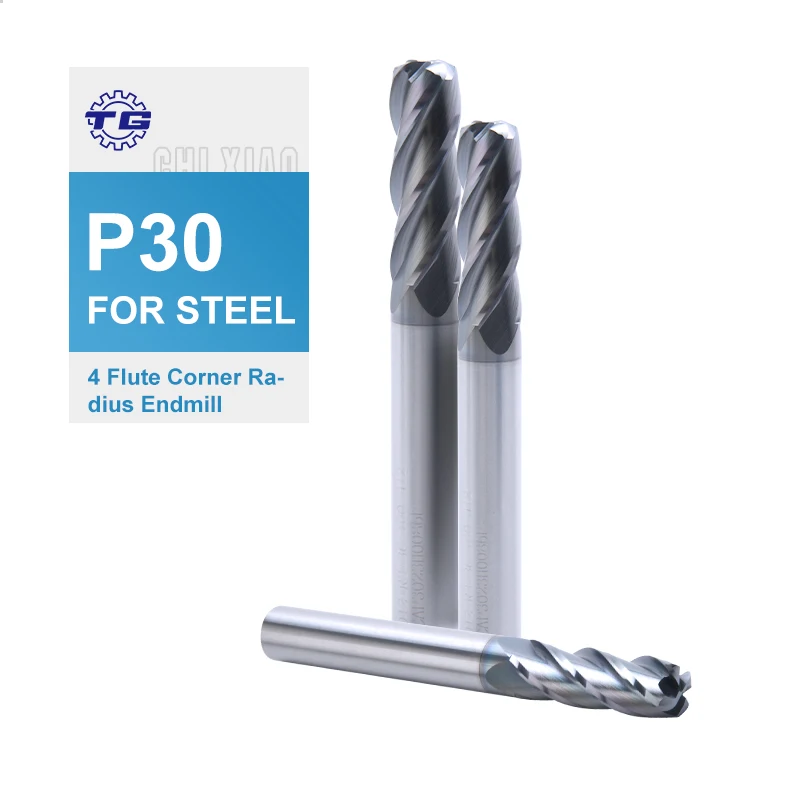
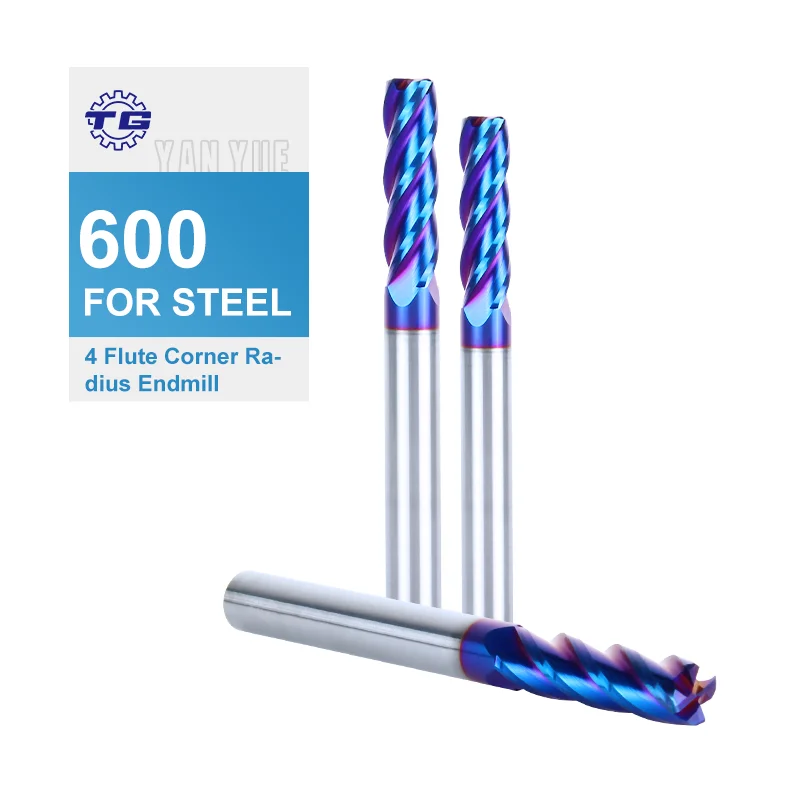
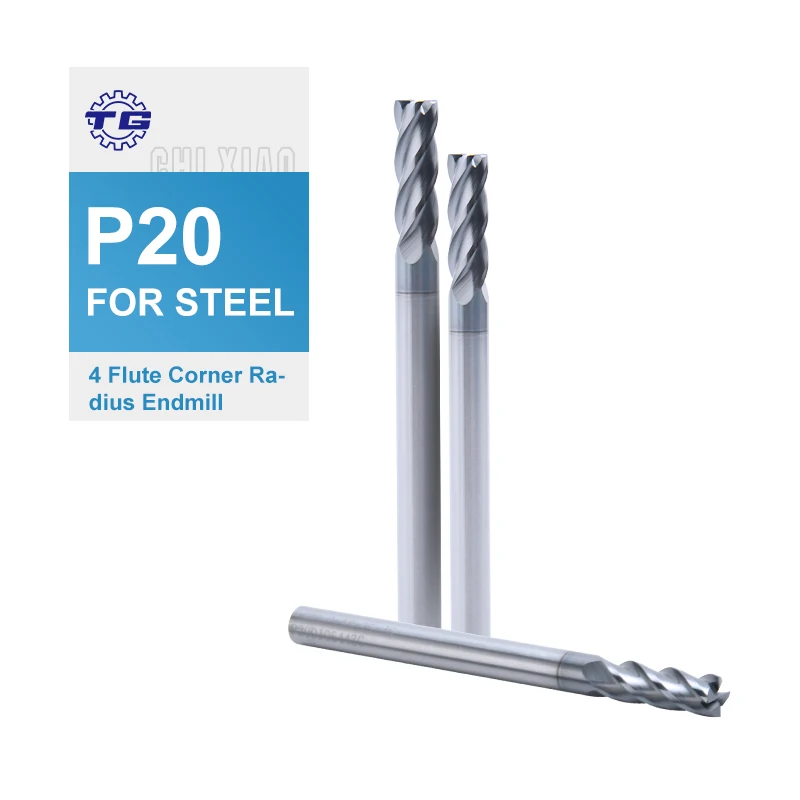
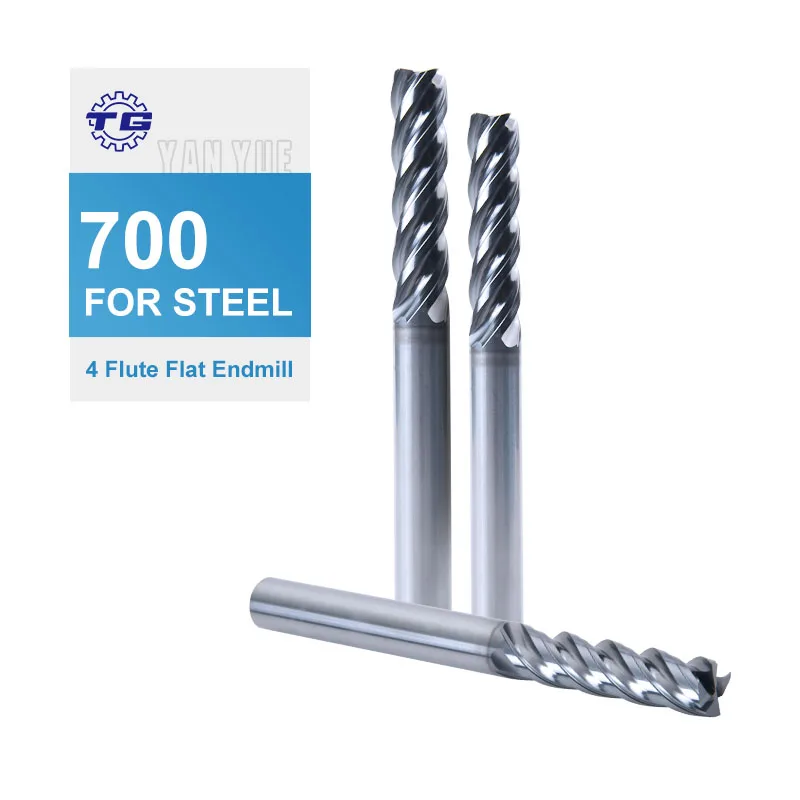
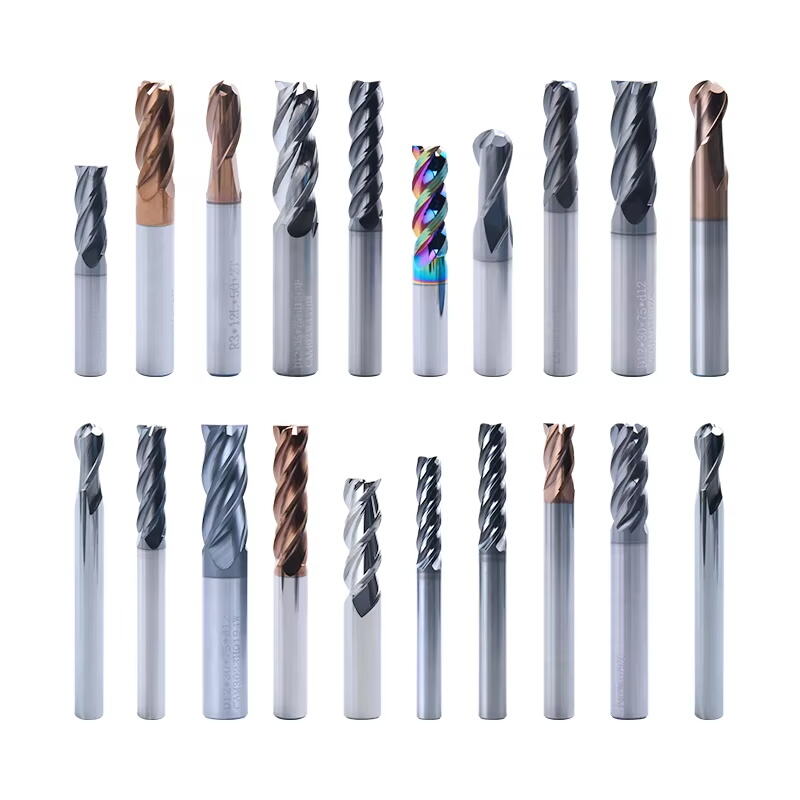
End mill pricing represents a crucial consideration in manufacturing and machining operations, encompassing various factors that influence the total cost of these essential cutting tools. The price of end mills varies significantly based on material composition, coating technology, size specifications, and manufacturing precision. High-speed steel (HSS) end mills typically represent the most economical option, while carbide end mills command higher prices due to their superior durability and performance characteristics. The pricing structure also reflects advanced features such as variable helix angles, different flute configurations, and specialized coatings that enhance tool life and cutting efficiency. Modern end mills incorporate sophisticated geometries and cutting edge preparations that, while increasing initial costs, often deliver superior value through extended tool life and improved machining results. The market offers various price points to accommodate different applications, from general-purpose machining to high-precision aerospace components, with prices ranging from basic models to premium options with advanced features.

New Product Recommendations

The strategic consideration of end mill pricing offers numerous advantages for manufacturing operations. First, investing in quality end mills often results in reduced overall costs through extended tool life and decreased machine downtime. Higher-priced premium end mills frequently incorporate advanced coating technologies that significantly enhance wear resistance and heat dissipation, enabling faster cutting speeds and improved surface finishes. The initial price investment in superior end mills typically translates to better productivity and reduced labor costs through fewer tool changes and more consistent machining results. Additionally, properly priced end mills reflect their application-specific capabilities, ensuring optimal performance for particular materials and cutting conditions. The pricing structure also often correlates with the tool's ability to maintain dimensional accuracy over extended periods, reducing scrap rates and quality control issues. Modern end mill pricing models increasingly include considerations for sustainable manufacturing practices, with some premium options designed for more efficient coolant usage and reduced energy consumption. The availability of various price points allows manufacturers to optimize their tooling costs based on specific application requirements, production volumes, and quality standards.

Practical Tips

How to Choose High-Quality Drill Bits?

17

Jun

How to Choose High-Quality Drill Bits?

View More
What's the Best Way to Sharpen Carbide Drill Bits?

17

Jun

What's the Best Way to Sharpen Carbide Drill Bits?

View More
How to Choose the Right Die Steel for Your Mold?

15

Jul

How to Choose the Right Die Steel for Your Mold?

View More
What is a carbide end mill used?

15

Jul

What is a carbide end mill used?

View More

Get a Free Quote

Our representative will contact you soon.
Email
Name
Company Name
Message
0/1000

end mill price

Cost-Performance Optimization

Cost-Performance Optimization

End mill pricing reflects a careful balance between initial investment and long-term value. Premium-priced end mills often feature advanced substrate materials and coating technologies that significantly extend tool life and improve machining efficiency. These higher-priced tools frequently demonstrate superior wear resistance, enabling them to maintain cutting edge integrity for extended periods. The initial cost premium is typically offset by reduced replacement frequency and improved machining results, leading to lower cost per part. This optimization factor is particularly evident in high-volume production environments where tool life and consistent performance directly impact overall operational costs.
Application-Specific Pricing Tiers

Application-Specific Pricing Tiers

The end mill market offers strategically structured pricing tiers that align with specific application requirements. Entry-level pricing typically applies to general-purpose tools suitable for non-critical operations, while mid-range options incorporate enhanced features for improved performance in specific materials or cutting conditions. Premium pricing tiers represent tools with advanced geometries, specialized coatings, and optimized designs for challenging applications. This tiered pricing approach enables manufacturers to select tools that precisely match their technical requirements and budget constraints, ensuring optimal cost-effectiveness across different machining operations.
Value-Added Features and Support

Value-Added Features and Support

Modern end mill pricing increasingly includes value-added features and support services that enhance the total package value. These may include technical consultation, custom geometry modifications, and performance optimization services. Higher-priced tools often come with comprehensive technical documentation, application guidelines, and cutting parameter recommendations that help maximize tool performance and longevity. Some manufacturers offer tool management programs and inventory optimization services as part of their pricing packages, helping customers maintain optimal tool inventories while minimizing carrying costs.
end mill price-0

Get a Free Quote

Our representative will contact you soon.
Email
Name
Company Name
Message
0/1000